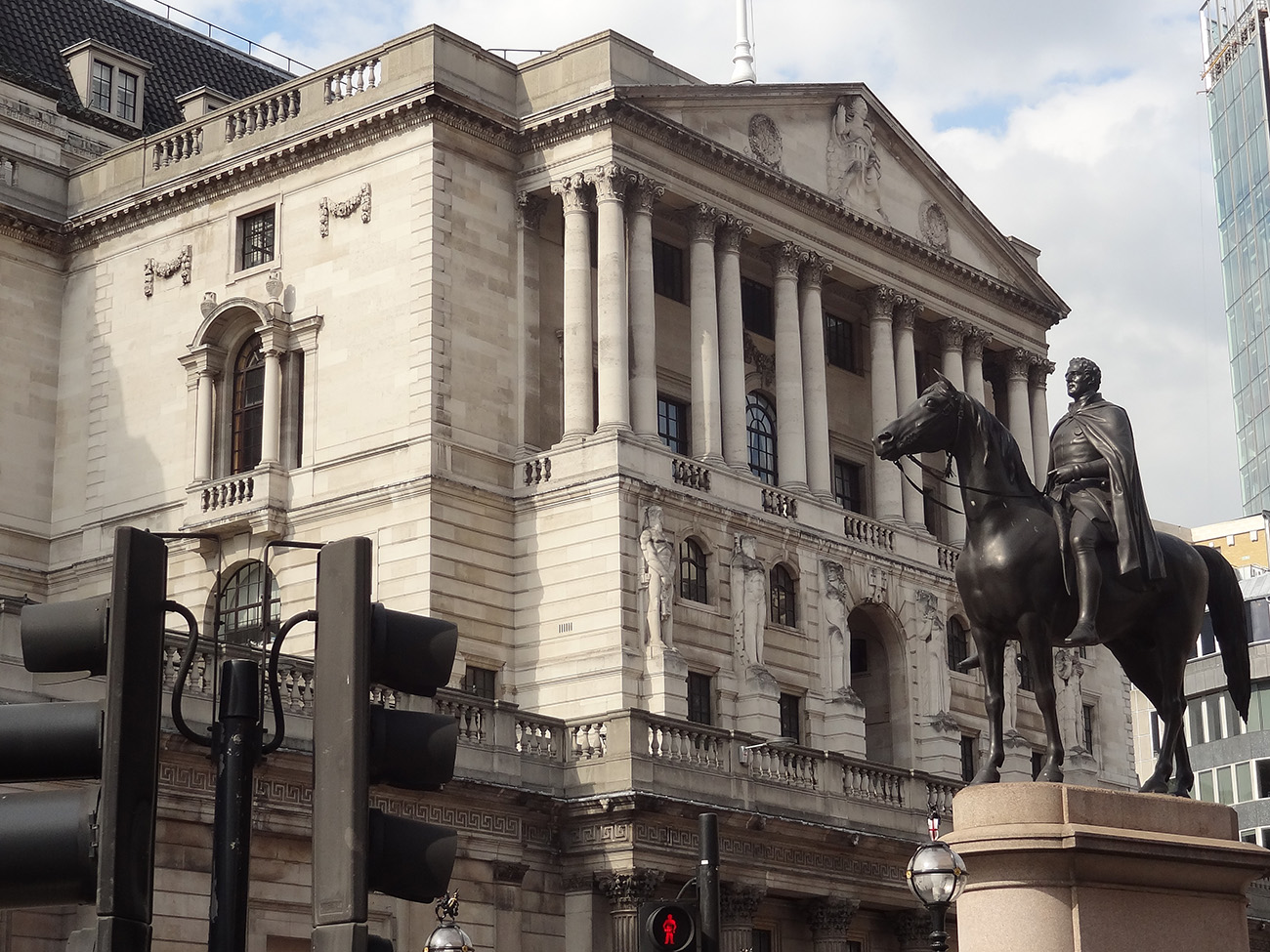
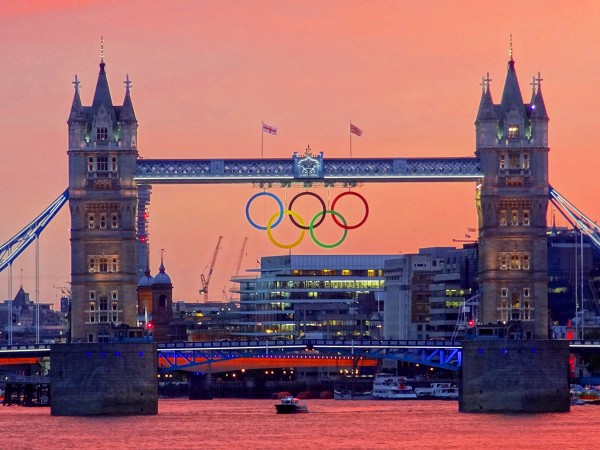
 Did the benefits of the London Olympics outweigh the costs? The government’s UK Trade and Industry (part of the Department of Business, Innovation & Skills) has just published a report, London 2012, Delivering the economic legacy, which itemises the economic benefits of the games one year on. It claims that benefits to date are some £9.9 billion.
This compares with costs, estimated to be somewhere between £8.9 billion and £9.3 billion, although this figure does not include certain other costs, such as maintenance of the stadium. Nevertheless, according to the figures, even after just a year, it would seem that the Games had ‘made a profit’ – just.
The £9.9 billion of benefits consist of £5.9 billion of additional sales, £2.5 billion of additional inward investment and £1.5 billion of Olympic-related high value opportunities won overseas. 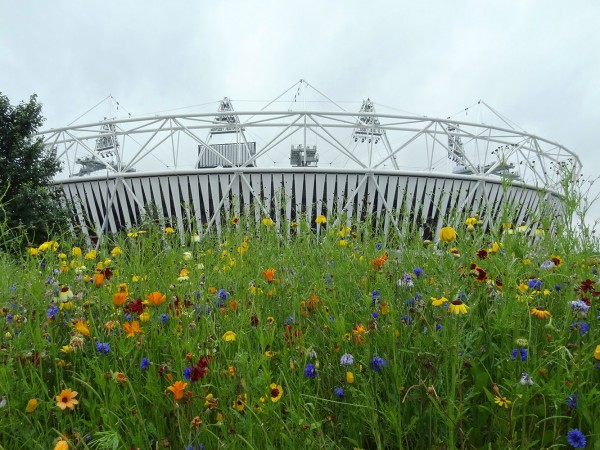 Most of these can be seen as monetary external benefits: in other words, monetary benefits arising from spin-offs from the Games. The ‘internal’ monetary benefits would be largely the revenues from the ticket sales.
In a separate report for the Department of Culture, Media & Sport, Report 5: Post-Games Evaluation, it has been estimated that the total net benefits (net gross value added (GVA)) from 2004 to 2020 will be between £28 billion and £41 billion.
But benefits are not confined just to internal and external monetary benefits: there are also other externalities that are non-monetary. The Culture, Media & Sport report identified a number of these non-monetary externalities. The Summary Report itemises them. They include:
• The health and social benefits of more people participating in sport
• Inspiring a generation of children and young people
• A catalyst for improved elite sporting performance in the UK
• Setting new standards for sustainability
• Improved attitudes to disability and new opportunities for disabled people to participate in society
• Greater social cohesion as communities across the UK engaged with the Games
• Increased enthusiasm for volunteering
• Accelerated physical transformation of East London
• Beneficial socio-economic change in East London
• Important lessons learned for the co-ordination and delivery of other large-scale public and public/private projects
But with any cost–benefit analysis there are important caveats in interpreting the figures. First there may be monetary and non-monetary external costs. For example, will all the effects on social attitudes be positive? Might greater competitiveness in sport generate less tolerance towards non sporty people? Might people expect disabled people to do more than they are able (see)? Second, the costs generally precede the benefits. This then raises the question of what is the appropriate discount rate to reduce future benefits to a present value.
 Perhaps the most serious question is that of the quantification of benefits. It is important that only benefits that can be attributed to the Games are counted and not benefits that would have occurred anyway, even if connected to the Games. For example, it is claimed in the UK Trade & Industry report that much of the Olympic park and stadium for the Winter Olympics in Russia was “designed and built by British businesses”. But was this the direct result of the London Olympics, or would this have happened anyway?
Another example is that any inward investment by any company that attended the London Olympics is counted in the £2.5 billion of additional inward investment (part of the £9.9 billion). As the London Evening Standard article below states:
In London, it credited the Games with helping seal the deal for the £1.2 billion investment in the Royal Albert Docks by Chinese developer ABP, the £1 billion investment in Croydon by Australian shopping centre developer Westfield with UK firm Hammerson and the £700 million investment in Battersea Nine Elms by Dalian Wander Group.
It is highly likely that some or all of these would have gone ahead anyway.
Then there are the £5.9 billion of additional sales. These are by companies which engaged with the Olympics. But again, many of these sales could have taken place anyway, or may have displaced other sales.
Many cost–benefit analyses (or simply ‘benefit analyses’) concern projects where there are strong vested interests in demonstrating that a project should or should not go ahead or, in this case, have gone ahead. The more powerful the vested interests, the less likely it is that the analysis can be seen as objective.
Webcasts and Podcasts
 Have Olympics and Paralympics really boosted trade? Channel 4 News, Jackie Long (19/7/13)
Economy boosted by Olympics Sky Sports News, Amy Lewis (19/7/13)
Olympic investment boost to last decade – Cable BBC News (19/7/13)
Did the UK gain from the Olympics? BBC Today Programme (19/7/13)
Articles
Government announces almost £10bn economic boost from London 2012 Specification Online (19/7/13)
Olympic Legacy Boosted Economy By £10bn, Government Insists The Huffington Post (19/7/13)
Olympics are delivering economic gold but volunteering legacy is at risk The Telegraph, Tim Ross (19/7/13)
Vince Cable: Case for HS2 still being made The Telegraph, Christopher Hope and Tim Ross (19/7/13)
Olympic legacy ‘gave London a £4bn windfall’ London Evening Standard, Nicholas Cecil and Matthew Beard (19/7/13)
London 2012 Olympics ‘have boosted UK economy by £9.9bn’ BBC News (19/7/13)
The great Olympic stimulus BBC News, Stephanie Flanders (19/7/13)
London Olympics still costing the taxpayer one year on Sky Sports (19/7/13)
Mayor missed long-term London Olympic jobs targets, says report BBC News, Tim Donovan (19/7/13)
Olympics legacy: Have the London 2012 Games helped Team GB develop a winning habit? Independent, Robin Scott-Elliot (19/7/13)
London 2012 added up to more than pounds and pence The Guardian, Zoe Williams (19/7/13)
Government Reports
London 2012 – Delivering the economic legacy UK Trade & Investment (19/7/13)
London 2012: Delivering the economic legacy UK Trade & Investment (19/7/13)
Report 5: Post-Games Evaluation: Summary Report Department for Culture, Media & Sport (July 2013)
Report 5: Post-Games Evaluation: Economy Evidence Base Department for Culture, Media & Sport (July 2013)
Questions
- Distinguish between gross and net benefits; monetary and non-monetary externalities; direct costs (or benefits) and external costs (or benefits).
- How should the discount rate be chosen for a cost–benefit analysis?
- Give some examples of monetary and non-monetary external costs of the Games.
- What are the arguments for and against including non-monetary externalities in a cost–benefit analysis?
- Why might the £9.9 billion figure for the monetary benefits of the Games up to the present time be questioned?
 Each day many investors anxiously watch the stock market to see if their shares have gone up or down. They may also speculate: buying if they think share prices are likely to go up; selling if they think their shares will fall. But what drives these expectations?
To some extent, people will look at real factors, such as company sales and profits or macroeconomic indicators, such as the rate of economic growth or changes in public-sector borrowing. But to a large extent people are trying to predict what other people will do: how other people will react to changes in various indicators.
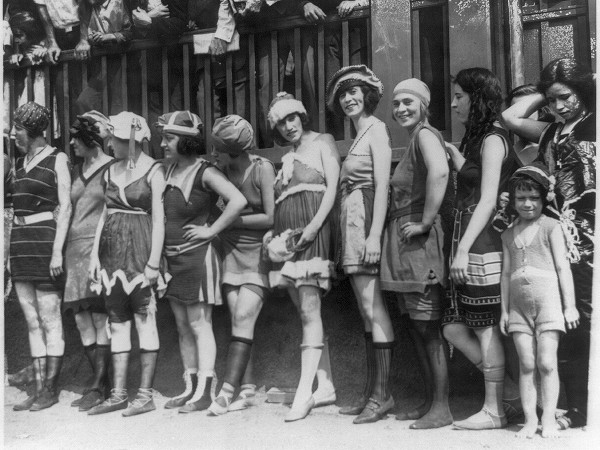 John Maynard Keynes observed this phenomenon in Chapter 12 of his General Theory of Employment, Interest and Money of 1936. He likened this process of anticipating what other people will do to a newspaper beauty contest, popular at the time. In fact, behaviour of this kind has become known as a Keynesian beauty contest (see also).
Keynes wrote that:
professional investment may be likened to those newspaper competitions in which the competitors have to pick out the six prettiest faces from a hundred photographs, the prize being awarded to the competitor whose choice most nearly corresponds to the average preferences of the competitors as a whole; so that each competitor has to pick, not those faces which he himself finds prettiest, but those which he thinks likeliest to catch the fancy of the other competitors, all of whom are looking at the problem from the same point of view. It is not a case of choosing those which, to the best of one’s judgement, are really the prettiest, nor even those which average opinion genuinely thinks the prettiest. We have reached the third degree where we devote our intelligences to anticipating what average opinion expects the average opinion to be. And there are some, I believe, who practise the fourth, fifth and higher degrees.
When investors focus on people’s likely reactions, it can make markets very unstable. A relatively minor piece of news can cause people to buy or sell in anticipation that others will do the same and that others will realise this and do the same themselves. Markets can overshoot, until, when prices have got out of line with fundamentals, buying can turn into selling, or vice versa. Prices can then move rapidly in the other direction, again driven by what people think other people will do. Sometimes, markets can react to very trivial news indeed. As the New York Times article below states:
On days without much news, the market is simply reacting to itself. And because anxiety is running high, investors make quick, sometimes impulsive, responses to relatively minor events.
The rise of the machine
 In recent years there is a new factor to account for growing stock market volatility. The Keynesian beauty contest is increasingly being played by computers. They are programmed to buy and sell when certain conditions are met. The hundreds of human traders of the past who packed trading floors of stock markets, have been largely replaced by just a few programmers, trained to adjust the algorithms of the computers their finance companies use as trading conditions change.
And these computers react in milliseconds to what other computers are doing, which in turn react to what others are doing. Markets can, as a result, suddenly soar or plummet, until the algorithms kick the market into reverse as computers sell over-priced stock or buy under-priced stock, which triggers other computers to do the same.
Robot trading is here to stay. The articles and podcast consider the implications of the ‘games’ they are playing – for savers, companies and the economy.
Articles
Questions
- Give some other examples of human behaviour which is in the form of a Keynesian beauty contest.
- Why may playing a Keynesian beauty contest lead to an undesirable Nash equilibrium?
- Does robot trading do anything other than simply increase the speed at which markets adjust?
- Can destabilising speculation continue indefinitely? Explain.
- Explain what is meant by ‘overshooting’? Why is overshooting likely to occur in stock markets and foreign exchange markets?
- In what ways does robot trading (a) benefit and (b) damage the interests of savers?
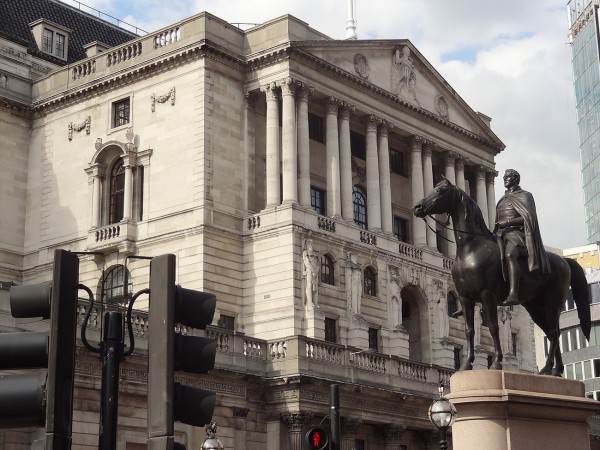 Tight fiscal policies are being pursued in many countries to deal with high public-sector deficits that resulted from the deep recession of 2008/9. This has put the main onus on monetary policy as the means of stimulating recovery. As a result we have seen record low interest rates around the world, set at only slightly above zero in the main industrialised countries for the past 4½ years. In addition, there have been large increases in narrow money as a result of massive programmes of quantitative easing.
Yet recovery remains fragile in many countries, including the UK and much of the rest of Europe. And a new problem has been worries by potential investors that loose monetary policy may be soon coming to an end. As the June blog The difficult exit from cheap money pointed out:
The US economy has been showing stronger growth in recent months and, as a result, the Fed has indicated that it may soon have to begin tightening monetary policy. It is not doing so yet, nor are other central banks, but the concern that this may happen in the medium term has been enough to persuade many investors that stock markets are likely to fall as money eventually becomes tighter. Given the high degree of speculation on stock markets, this has led to a large-scale selling of shares as investors try to ‘get ahead of the curve’.
Central banks have responded with a new approach to monetary policy. This is known as ‘forward guidance’. The idea is to manage expectations by saying what the central bank will do over the coming months.
The USA was the first to pursue this approach. In September 2012 the Fed committed to bond purchase of $40bn per month (increased to $85bn per month in January 2013) for the foreseeable future; and record low interest rates of between 0% and 0.25% would continue. Indeed, as pointed out above, it was the ‘guidance’ last month that such a policy would be tapered off at some point, that sent stock markets falling in June.
The Fed has since revised its guidance. On 10 July, Ben Bernanke, the Fed Chairman said that monetary policy would not be tightened for the foreseeable future. With fiscal policy having been tightened, QE would continue and interest rates would not be raised until unemployment had fallen to 6.5%.
Japan has been issuing forward guidance since last December. Its declared aim has been to lower the exchange rate and raise inflation. It would take whatever fiscal and monetary policies were deemed necessary to achieve this (see A J-curve for Japan? and Japan’s three arrows).
Then on 4 July both the Bank of England and the ECB adopted forward guidance too. Worried that growth in the US economy would lead to an end to loose monetary policy before too long and that this would drive up interest rates worldwide, both central banks committed to keeping interest rates low for an extended period of time. Indeed, the ECB declared that the next movement in interest rates would more likely be down than up. Mario Draghi, the ECB president said that the ending of loose monetary policy is ‘very distant’.
The effect of this forward guidance has been to boost stock markets again. The hope is that by managing expectations in this way, the real economy will be affected too, with increased confidence leading to higher investment and faster economic growth.
Articles
Q&A: What is ‘forward guidance’ BBC News, Laurence Knight (4/7/13)
Forward guidance crosses the Atlantic The Economist, P.W. (4/7/13)
ECB has no plans to exit loose policies, says Benoit Coeure The Telegraph, Szu Ping Chan (25/6/13)
ECB issues unprecedented forward guidance The Telegraph, Denise Roland (4/7/13)
Independence day for central banks BBC News, Stephanie Flanders (4/7/13)
The Monetary Policy Committee’s search for guidance BBC News, Stephanie Flanders (16/7/13)
The Monetary Policy Committee’s search for guidance (II) BBC News, Stephanie Flanders (17/7/13)
Bank of England surprise statement sends markets up and sterling tumbling The Guardian, Jill Treanor and Angela Monaghan (4/7/13)
Forward guidance only works if you do it right Financial Times, Wolfgang Münchau (7/7/13)
Fed’s Forward Guidance Failing to Deliver Wall Street Journal, Nick Hastings (15/7/13)
Talking Point: Thoughts on ECB forward guidance Financial Times, Dave Shellock (11/7/13)
Forward guidance in the UK is likely to fail as the Fed taper approaches City A.M., Peter Warburton (12/7/13)
Forward guidance more than passing fashion for central banks Reuters, Sakari Suoninen (11/7/13)
Markets await Mark Carney’s ‘forward guidance’ The Guardian, Heather Stewart (17/7/13)
Beware Guidance The Economist, George Buckley (25/7/13)
UK interest rates held until unemployment falls BBC News (7/8/13)
Central Bank Statements
How does forward guidance about the Federal Reserve’s target for the federal funds rate support the economic recovery? Federal Reserve (19/6/13)
Remit for the Monetary Policy Committee HM Treasury (20/3/13)
Bank of England maintains Bank Rate at 0.5% and the size of the Asset Purchase Programme at £375 billion Bank of England (4/7/13)
Monthly Bulletin ECB (see Box 1) (July 2013)
Inflation Report Press Conference: Opening remarks by the Governor Bank of England (7/8/13)
MPC document on Monetary policy trade-offs and forward guidance Bank of England (7/8/13)
Interest rates to be held until unemployment drops to 7% BBC News, Statement by Mark Carney, Governor of the Band of England (7/8/13)
Questions
- Is forward guidance a ‘rules-based’ or ‘discretion-based’ approach to monetary policy?
- Is it possible to provide forward guidance while at the same time pursuing an inflation target?
- If people know that central banks are trying to manage expectations, will this help or hinder central banks?
- Does the adoption of forward guidance by the Bank of England and ECB make them more or less dependent on the Fed’s policy?
- Why may forward guidance be a more effective means of controlling interest rates on long-term bonds (and other long-term rates too) than the traditional policy of setting the repo rate on a month-by-month basis?
- What will determine the likely success of forward guidance in determining long-term bond rates?
- Is forward guidance likely to make stock market speculation less destabilising?
 There’s some good news and some bad news about the UK economy. The good news is that there are signs that the recovery is gathering momentum; the ‘green shoots’ are growing bigger. The bad news is that it’s the ‘wrong type of growth’!
One of the main underlying problems of the 2008 financial crisis was that household debt had been increasing to unsustainable levels, egged on by banks only too willing to lend, whether as personal loans, on credit cards or through mortgages. When the recession hit, many people sought to reduce their debts by cutting back on spending. This further fuelled the recession.
What the government and most economists hoped was that there would be some rebalancing of the economy, with less reliance on consumer spending to drive economic growth. Instead it was hoped that growth would be driven by a rise in investment and exports. Indeed, the 25% depreciation of sterling exchange between 2007 and 2009 was seen as a major advantage as this would boost the demand for exports and encourage firms to invest in the export sector.
But things haven’t turned out the way people hoped. The recession (or lack of growth) has been much deeper and more prolonged than previous downturns in the economy. Today, real GDP per head is more than 7% below the level in 2007 and many people have seen much bigger declines in their living standards.
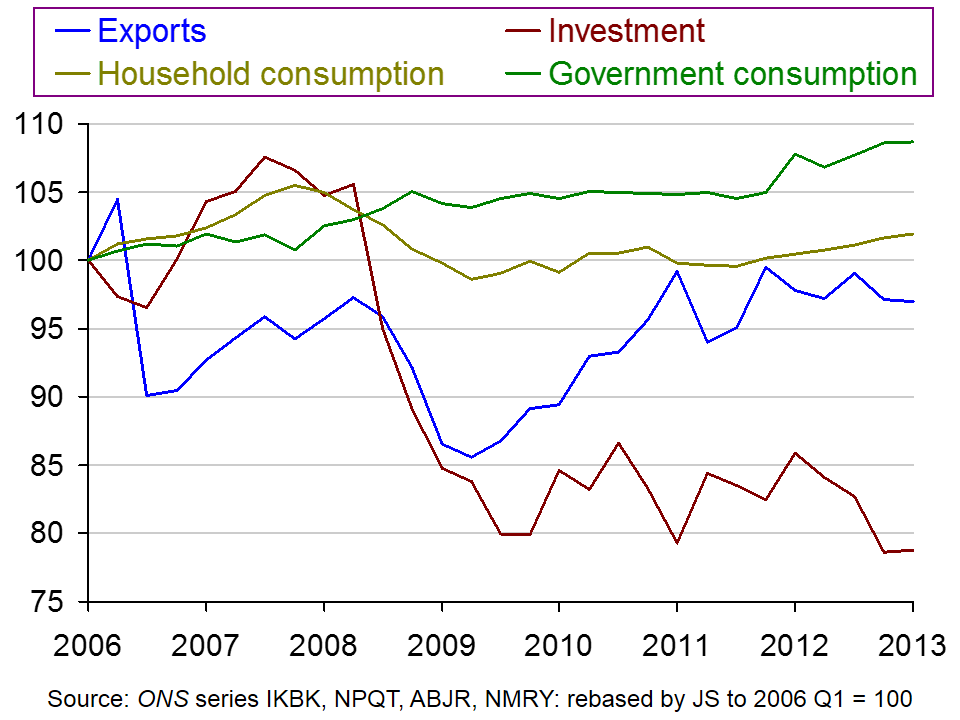 But also, despite the austerity policies, the economy has not been ‘rebalanced’ towards exports and investment. Exports are 3% lower than in 2006 (although they did grow between 2009 Q2 and 2011 Q1, but have since stagnated). And investment is 27% lower than in 2006. Household consumption, however, has grown by about 2% and general government consumption by around 9% since 2006. The chart shows the figures, based on 2006 Q1 = 100.
(Click here for a PowerPoint of the chart.)
And recent evidence is that consumption is beginning to grow faster – not because of rising household incomes, but because of falling saving rates. In 2008, the household saving ratio had fallen to nearly 0% (i.e. households were on average saving about the same as they were borrowing). Then the saving ratio rose dramatically as people reined in their spending. Between 2009 and 2012, the ratio hovered around 7%. But in the first quarter of 2013, it had fallen to 4.2%
So the good news is that aggregate demand is rising, boosting economic growth. But the bad news is that, at least for the time being, this growth is being driven by a rise in household borrowing and a fall in household saving. The videos and articles consider whether this is, however, still good news on balance.
Webcasts
Britain’s imbalanced economy The Economist, Zanny Minton Beddoes and Richard Davies (4/7/13)
Britain’s Export Drought: an enduring disappointment The Economist, Andrew Palmer and Richard Davies (9/2/13)
‘Green shoots’ of economic recovery in Rugby BBC News, Paul Mason (12/6/13)
Articles
Is the UK economy seeing the ‘wrong kind’ of green shoots? BBC News, Stephanie Flanders (3/7/13)
The export drought: Better out than in The Economist (9/2/13)
Exports and the economy: Made in Britain The Economist (21/1/12)
The economy: On a wing and a credit card The Economist (6/7/13)
Unbalanced and unsustainable – this is the wrong kind of growth The Telegraph, Jeremy Warner (8/7/13)
The UK economy’s looking up – but no one’s told manufacturers The Guardian, Heather Stewart (10/7/13)
Data
Quarterly National Accounts, Q1 2013 (27/6/13)
Forecasts for the UK economy: a comparison of independent forecasts HM Treasury (June 2013)
ISM Manufacturing Report on Business® PMI History Institute for Supply Management
Questions
- What are forecasters expecting to happen to economic growth in the coming months? Why?
- What factors determine investment? Why has it fallen so substantially in the UK?
- Explain what is meant by the ‘accelerator’. Is the rise in consumption likely to lead to an accelerator effect and, if so, what will determine the size of this effect?
- Why have exports not grown more rapidly despite the depreciation of sterling after 2007?
- What will determine the rate of potential economic growth in the UK economy? How will a rise in real GDP driven by a rise in consumption impact on potential GDP and potential economic growth?
- What supply-side policies would you recommend, and why, in order to increase potential economic growth?
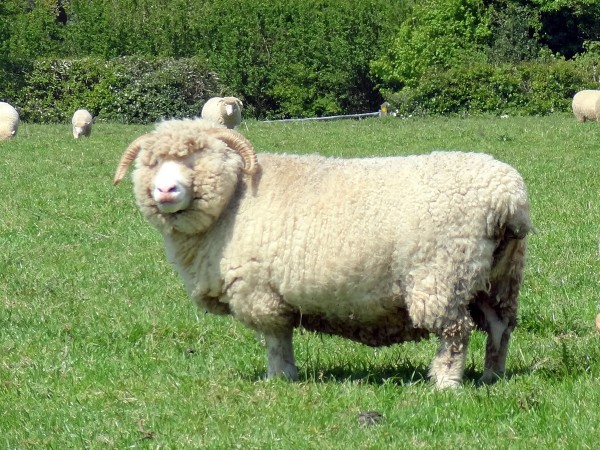 The European Parliament, Council and Commission have agreed on reform to the Common Agricultural Policy as part of the EU’s long-term budget settlement for 2014–20. The CAP accounts for some 38% of the EU’s budget and, over the years, has drawn considerable criticism for resulting in food mountains and support being biased towards large intensive farms.
As section 3.5 in Economics (8th ed) explains, the CAP has been through a number of reforms since the early 1990s. Prior to that, the main form of support was that of guaranteed minimum prices backed up, where necessary, by levies (tariffs) on imported food. Any surplus of production at the minimum price was bought by the relevant EU Intervention Board and either stored or exported at world prices. The effect of minimum prices is shown in the diagram.
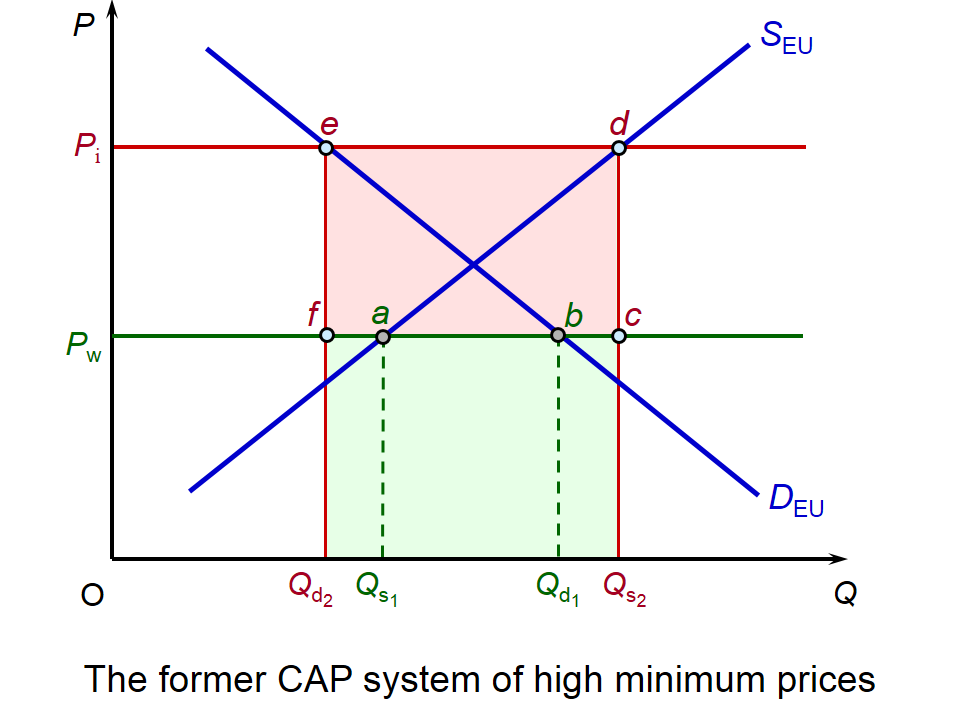 Assume that the EU demand is DEU and that EU supply is SEU. Assume also that the world price is Pw. This will be the equilibrium price, since any shortage at Pw (i.e. b – a) will be imported at that price. Thus before intervention, EU demand is Qd1 and EU supply is Qs1 and imports are Qd1 – Qs1.
Now assume that the EU sets an intervention price of Pi. At this high price, there will be a surplus of d – e (i.e. Qs2 – Qd2). Assume for the moment that none of this surplus is exported. It will all, therefore, be bought by the appropriate Intervention Board. The cost to the EU of buying this surplus is shown by the total shaded area (edQs2Qd2: i.e. the surplus multiplied by the intervention price). Unless the food is thrown away, exported or otherwise disposed of, there will obviously then be the additional costs of storing this food: costs that were very high in some years as wine ‘lakes’ and grain and dairy ‘mountains’ built up. If, however, the surplus is sold on world markets at the world price Pw, this will earn the green area for the EU, leaving a net cost of just the pink area.
 From 1992, there was a gradual move towards lowering intervention prices and paying farmers direct aid unrelated to current output. From 2004, the main form of support became these direct aid payments. Annual payments to each farm were based on the average support it had received over the three years from 2000 to 2002. At the same time, payments to large farms were gradually reduced, with 80 per cent of the money saved in each country being diverted to rural development. Payments were also made conditional on farmers making environmental improvements to their land.
A problem with this system is that farmers who had high average output in the years 2000–2 have been receiving the same large payments ever since, while farmers who had small yields in those years have received correspondingly small payments.
A proposal two years ago by Dacian Cioloş, the EU Commissioner for Agriculture, was for flat-rate payments per hectare. But objections were raised that this would benefit inefficient farmers who would receive the same as efficient ones. In the end a compromise agreement was reached which saw a capping of the amount of payment per hectare. The result is that the most intensive farmers will see a reduction in their payments by some 30% – a process that will happen gradually over the period 2014–19.
 In addition it has been agreed that 30% of the direct aid payments will be conditional on farmers adopting various measures to protect the environment and wildlife.
Farmers will have to be ‘active’ producers to receive direct aid payments. This is designed to exclude businesses such as airports or sports clubs, some of which had been receiving support under the previous system.
It was also agreed to provide 25% extra support for five years to farmers under 35 in an attempt to attract more young farmers into agriculture. Other details of the settlement are given in the EU documents, videos and articles below.
Webcasts
The great shake-up of the Common Agricultural Policy EPP Group in the European Parliament (25/1/13)
Planned reforms of Common Agricultural Policy under fire BBC News, Roger Harrabin (24/6/13)
Mixed response to compromise CAP deal RTE News (26/6/13)
Farm reforms may not increase food production, warns MEP europeandyou, Diane Dodds MEP (26/6/13)
Articles
Big farms to see European subsidies slashed The Telegraph, Rowena Mason (26/6/13)
Common Agricultural Policy deal agreed at last RTE News, Damien O’Reilly (26/6/13)
CAP Reform: MEPs, Council and Commission strike deal FarmingUK (27/6/13)
EU agricultural overhaul puts onus on farmers to be green Financial Times, Joshua Chaffin (26/6/13)
CAP reform deal agreed in Brussels Farmers Guardian, Alistair Driver (26/6/13)
‘Bad for farmers and wildlife’ – CAP reform reaction Farmers Guardian, Alistair Driver (27/6/13)
EU documents
Political agreement on new direction for common agricultural policy Europa Press Release (26/6/13)
CAP Reform – an explanation of the main elements Europa Press Release (26/6/13)
Press release, 3249th Council meeting : Agriculture and Fisheries The Council of the European Union (25/6/13)
Questions
- Why will a system of agricultural support based solely on direct aid not result in any food mountains?
- Show in a diagram the effect of high minimum prices (plus import levies) on an agricultural product in which a country is not self-sufficient (and is still not made so by the high minimum price). How much will be imported before and after the intervention?
- What are the arguments for and against making direct aid payments based solely per hectare?
- Find out how sugar quotas have worked. What will be the effects of abolishing them by 2017?
- What ‘green’ measures are included in the agreement and how effective are they likely to be?
- Consider the arguments for and against removing all forms of support for agriculture in the EU.
- What are the effects of (a) price support and (b) direct aid payments unrelated to output for EU farmers on farmers in developing countries producing agricultural products in competition with those produced in the EU?
- Why may the environmental measures in the new agreement be seen as too weak?
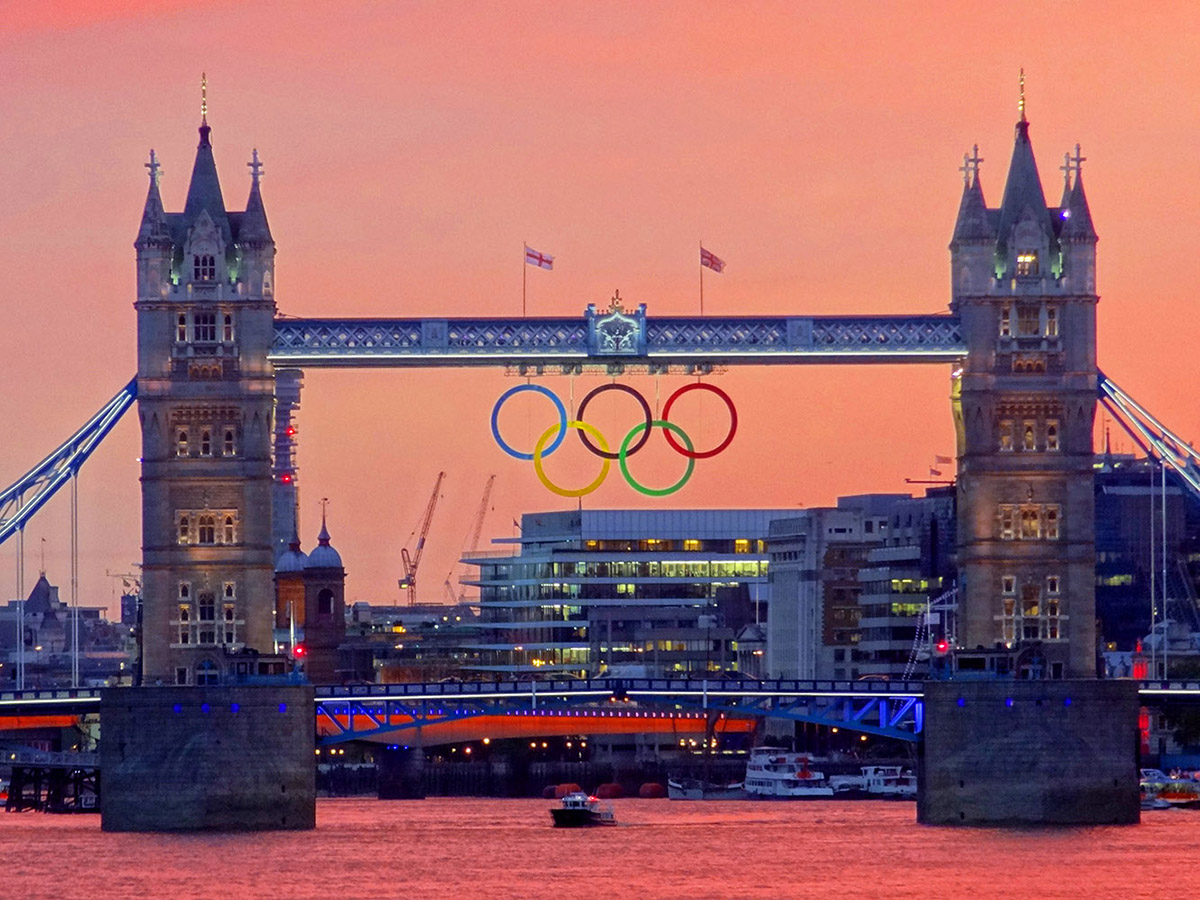 Did the benefits of the London Olympics outweigh the costs? The government’s UK Trade and Industry (part of the Department of Business, Innovation & Skills) has just published a report, London 2012, Delivering the economic legacy, which itemises the economic benefits of the games one year on. It claims that benefits to date are some £9.9 billion.
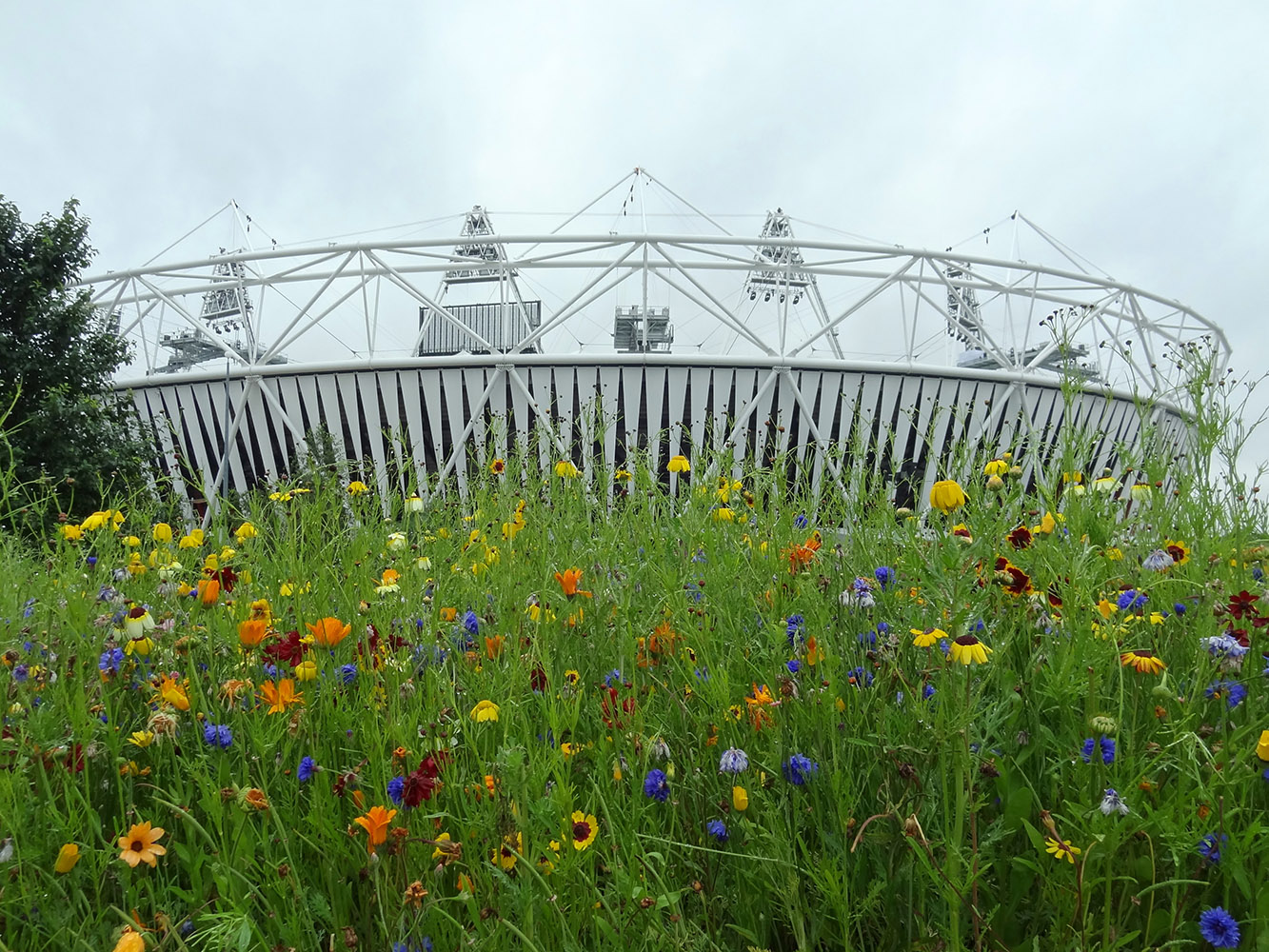 Most of these can be seen as monetary external benefits: in other words, monetary benefits arising from spin-offs from the Games. The ‘internal’ monetary benefits would be largely the revenues from the ticket sales.
 Perhaps the most serious question is that of the quantification of benefits. It is important that only benefits that can be attributed to the Games are counted and not benefits that would have occurred anyway, even if connected to the Games. For example, it is claimed in the UK Trade & Industry report that much of the Olympic park and stadium for the Winter Olympics in Russia was “designed and built by British businesses”. But was this the direct result of the London Olympics, or would this have happened anyway?