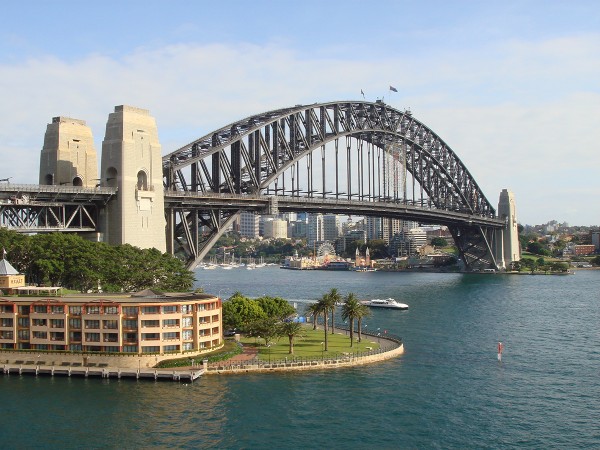
 This weekend, Australia will play host to the world’s leaders, as the G20 Summit takes place. The focus of the G20 Summit will be on global growth and how it can be promoted. The Eurozone remains on the brink, but Germany did avoid for recession with positive (just) growth in the third quarter of this year. However, despite Australia’s insistence on returning the remit of the G20 to its original aims, in particular promoting growth, it is expected that many other items will also take up the G20’s agenda.
In February, the G20 Finance Ministers agreed various measures to boost global growth and it is expected that many of the policies discussed this weekend will build on these proposals. The agreement contained a list of new policies that had the aim of boosting economy growth of the economies by an extra 2% over a five year period. If this were to happen, the impact would be around £1.27 trillion. The agreed policies will be set out in more detail as part of the Brisbane Action Plan.
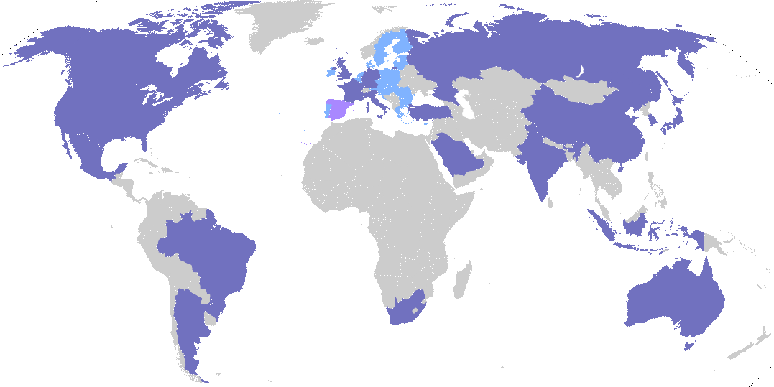 As well as a discussion of measures to promote global growth as a means of boosting jobs across the world, there will also be a focus on using these measures to prevent deflation from becoming a problem across Europe. Global tax avoidance by some of the major multinationals will also be discussed and leaders will be asked to agree on various measures. These include a common reporting standard; forcing multinationals to report their accounts country by country and principles about disclosing the beneficial ownership of companies. It it also expected that the tensions between Russia and Ukraine will draw attention from the world leaders. But, the main focus will be the economy. Australia’s Prime Minister, Tony Abbott said:
“Six years ago, the impacts of the global financial crisis reverberated throughout the world. While those crisis years are behind us, we still struggle with its legacy of debt and joblessness…The challenge for G20 leaders is clear – to lift growth, boost jobs and strengthen financial resilience. We need to encourage demand to ward off the deflation that threatens the major economies of Europe.”
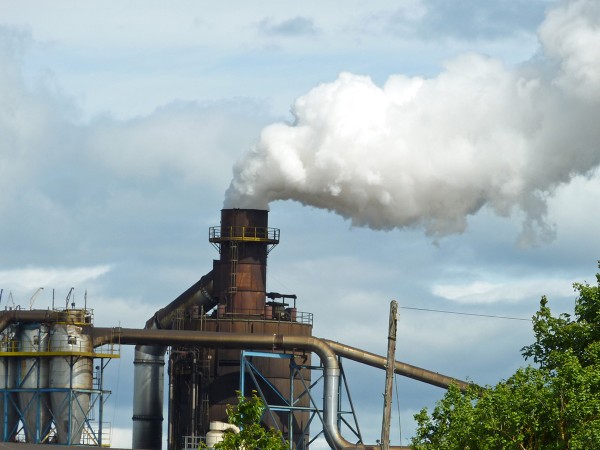 Many people have protested about the lack of action on climate change, but perhaps this has been addressed to some extent by the deal between China and the USA on climate change and Barak Obama’s pledge to make a substantial contribution to the Green Climate Fund. This has caused some problems and perhaps embarrassment for the host nation, as Australia has remained adamant that despite the importance of climate change, this will not be on the agenda of the G20 Summit. Suggestions now, however, put climate change as the final communique.
Some people and organisations have criticised the G20 and questioned its relevance, so as well as discussing a variety of key issues, the agenda will more broadly be aiming to address this criticism. And of course, focus will also be on tensions between some of the key G20 leaders. The following articles consider the G20 Summit.
Articles
Ukraine and Russia take center stage as leaders gather for G20 Reuters, Matt Siegel (14/11/14)
The G20 Summit: World leaders gather in Brisbane BBC News (14/11/11)
G20: Obama to pledge $2.5bn to help poor countries on climate change The Guardian, Suzanne Goldenberg (14/11/14)
G20 in 20: All you need to know about Brisbane Leaders summit in 20 facts Independent, Mark Leftly (13/11/14)
G20 leaders to meet in Australia under pressure to prove group’s relevance The Guardian, Lenore Taylor (13/11/14)
Australia PM Abbott accuses Putin of bullying on eve of G20 Financial Times, George Parker and Jamie Smyth (14/11/14)
G20: David Cameron in Australia for world leaders’ summit BBC News (13/11/14)
G20 summit: Australian PM Tony Abbott tries to block climate talks – and risks his country becoming an international laughing stock Independent, Kathy Marks (13/11/14)
Incoming G20 leader Turkey says groups must be more inclusive Reuters, Jane Wardell (14/11/14)
Behind the motorcades and handshakes, what exactly is the G20 all about – and will it achieve ANYTHING? Mail Online, Sarah Michael (14/11/14)
Is the global economy headed for the rocks? BBC News, Robert Peston (17/11/14)
Official G20 site
G20 Priorities G20
Australia 2014 G20
News G20
Questions
- What is the purpose of the G20 and which countries are members of it? Should any others be included in this type of organisation?
- What are the key items on the agenda for the G20 Summit in Brisbane?
- One of the main objectives of this Summit is to discuss the policies that will be implemented to promote growth. What types of policies are likely to be important in promoting global economic growth?
- What types of policies are effective at addressing the problem of deflation?
- What impact will the tensions between Russia and Ukraine have on the progress of the G20?
- Why are multinationals able to engage in tax evasion? What policies could be implemented to prevent this and to what extent is global co-operation needed?
- Discuss possible reforms to the IMF and the G20’s role in promoting such reforms.
- Should the G20 be scrapped?
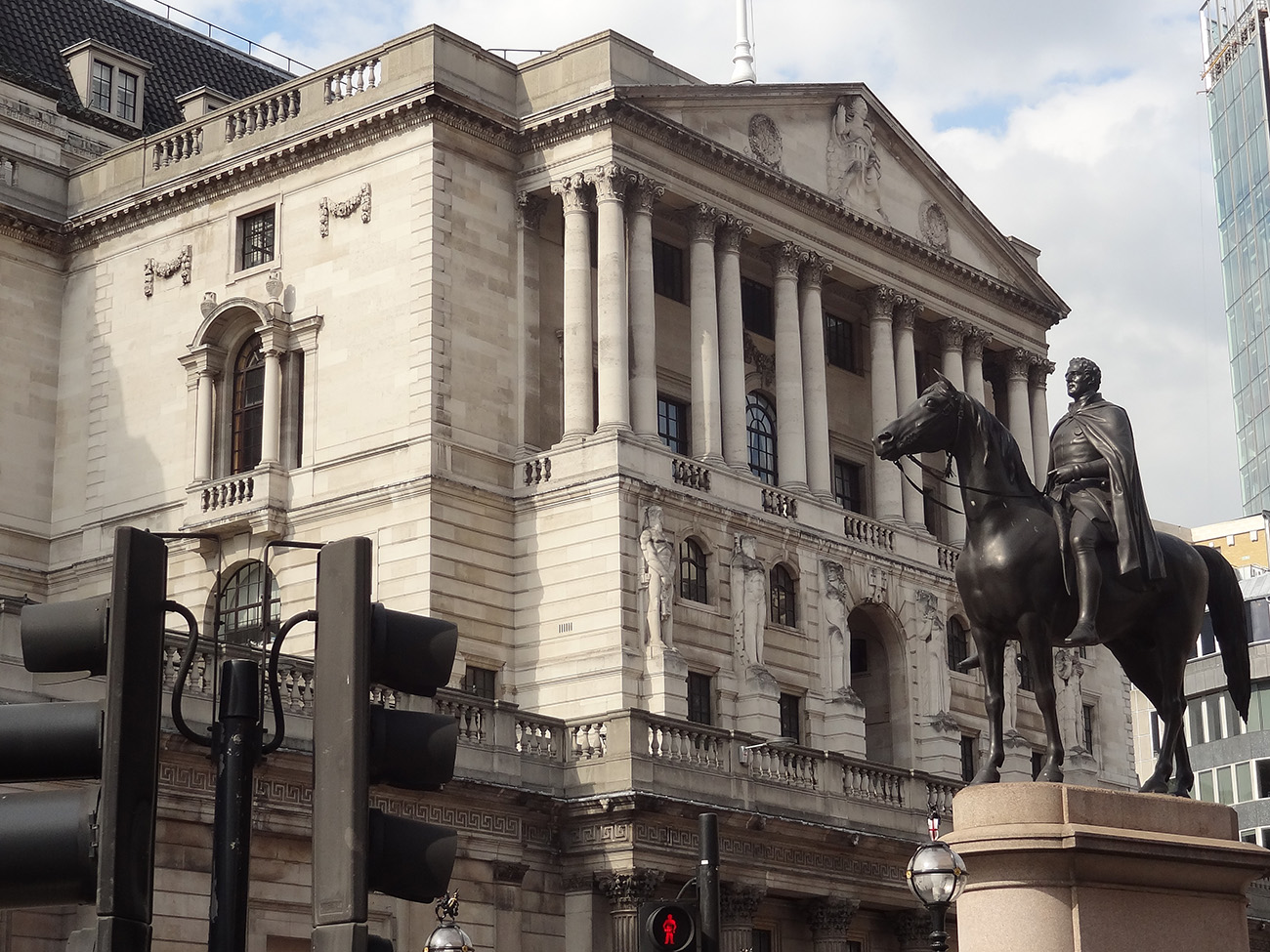
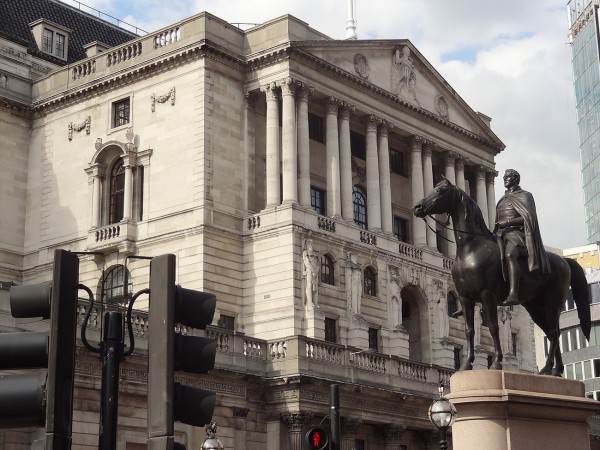 Following the recession of 2008/9, the UK has engaged in four rounds of quantitative easing (QE) – the process whereby the central bank increases the money supply by purchasing government bonds, and possibly other assets, on the open market from various institutions. The final round was announced in July 2012, bringing the total assets purchased to £375bn. As yet, however, there are no plans for quantitative tightening – the process of the Bank of England selling some of these assets, thereby reducing money supply.
The aim of QE has been to stimulate aggregate demand. Critics claim, however, that the effect on spending has been limited, since the money has not gone directly to consumers but rather to the institutions selling the assets, who have used much of the money to buy shares, bonds and other assets. Nevertheless, with banks having to strengthen their capital base following the financial crisis, QE has helped then to achieve this without having to make even bigger reductions in lending.
The Bank of England now reckons that the recovery is sufficiently established and there is, therefore, no need for further QE.
 This is also the judgement of the Federal Reserve about the US economy, which experienced annual growth of 3.5% in the third quarter of 2014. The IMF predicts that US growth will be around 3% for the next three years.
The Fed has had three rounds of QE since the financial crisis, but in October 2014 called an end to the process. Since the start of this year, it has been gradually reducing the amount it injects each month from $85bn to $15bn. The total bond purchases over the past five years have been some $3.6tn, bringing the Fed’s balance sheet to nearly $4.5tn.
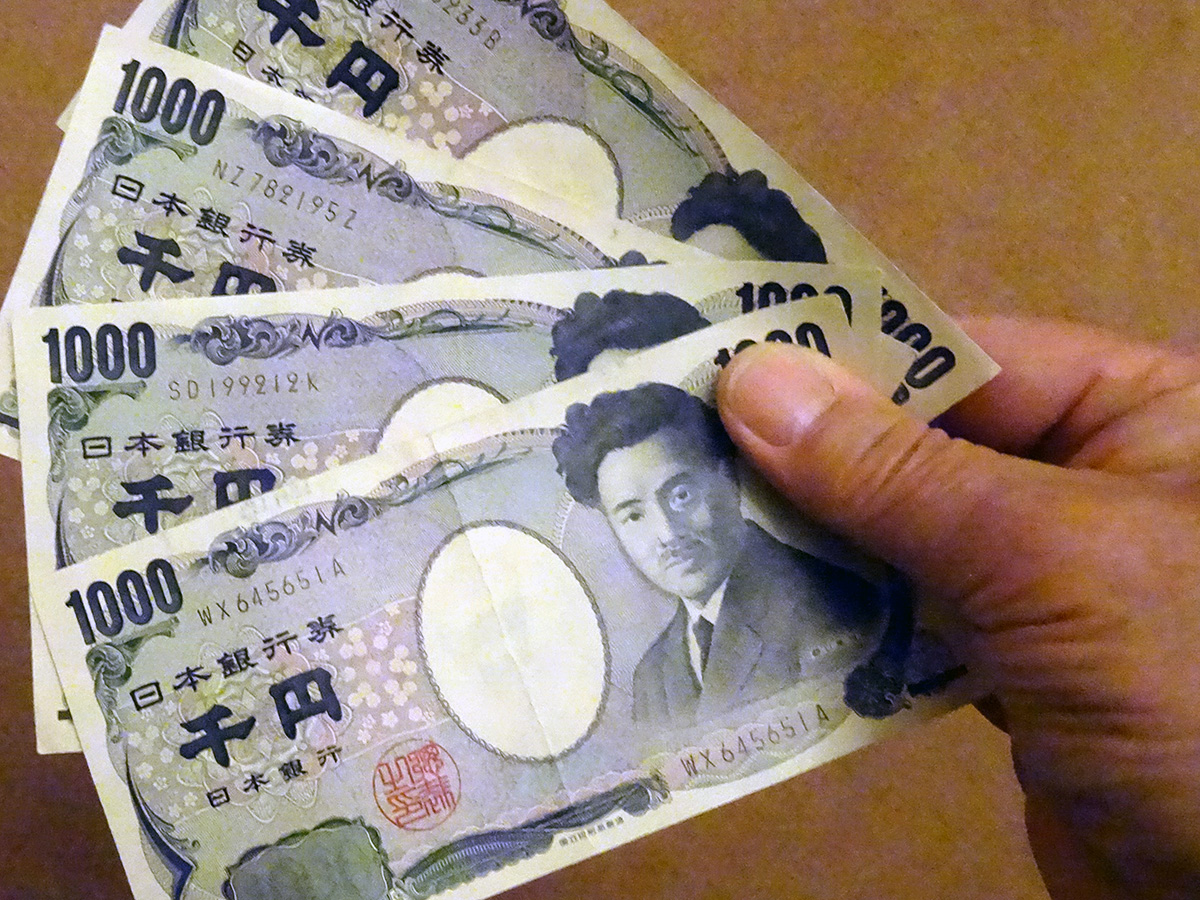
 But as QE comes to an end in the USA, Japan is expanding its programme. On 31 October, the Bank of Japan announced that it would increase its asset purchases from ¥60-70tn per year to ¥80tn (£440bn). The Japanese government and central bank are determined to boost economic growth in Japan and escape the two decades of deflation and stagnation. The Tokyo stock market rose by some 8% in the week following the announcement and the yen fell by more than 5% against the dollar.
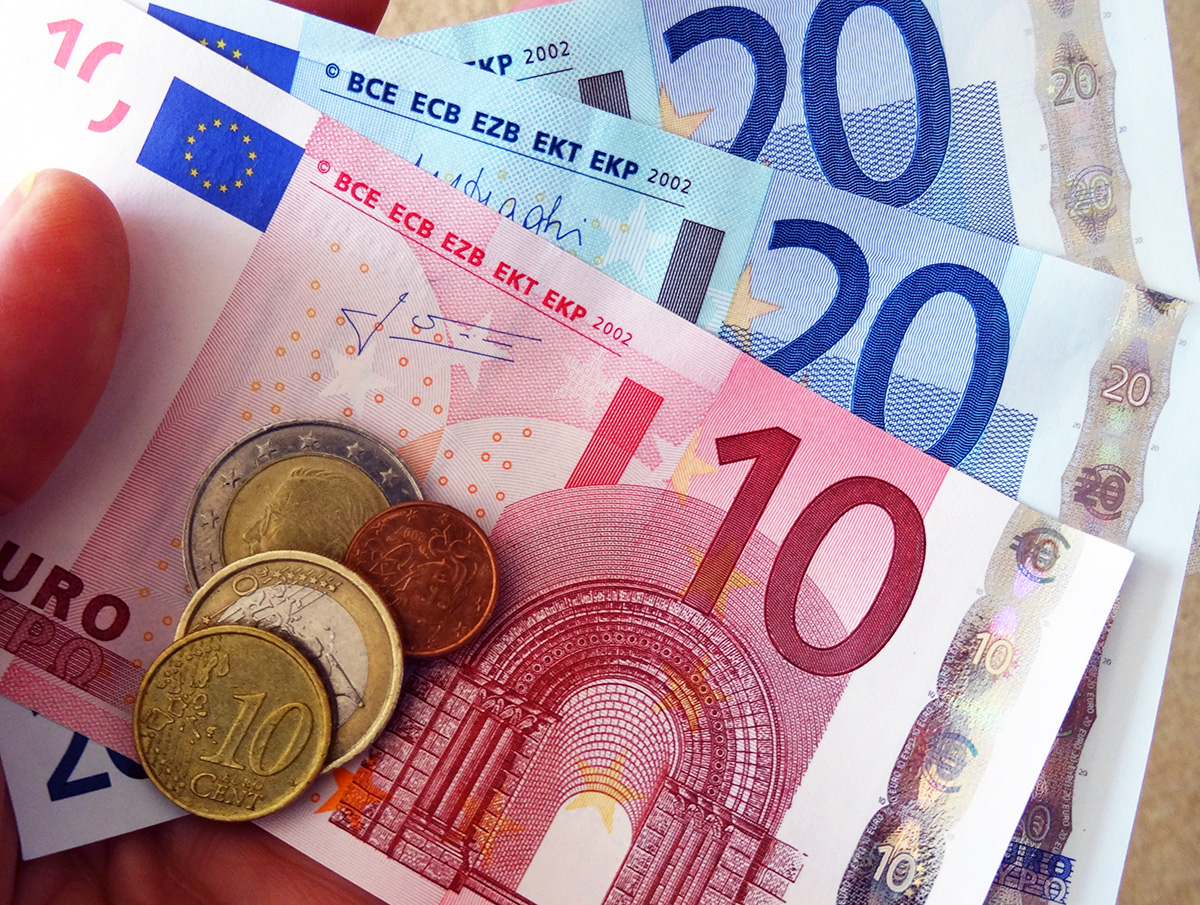
And the European Central Bank, which has not used full QE up to now, looks as if it is moving in that direction.  In October, it began a programme of buying asset-backed securities (ABSs) and covered bonds (CBs). These are both private-sector securities: ABSs are claims against non-financial companies in the eurozone and CBs are issued by eurozone banks and other financial institutions.
It now looks as if the ECB might take the final step of purchasing government bonds. This is probably what is implied by ECB President Mario Draghi’s statement after the 6 November meeting of the ECB that the ground was being prepared for “further measures to be implemented, if needed”.
But has QE been as successful as its proponents would claim? Is it the solution now to a languishing eurozone economy? The following articles look at these questions.
Fed calls time on QE in the US – charts and analysis The Guardian, Angela Monaghan (29/10/14)
Quantitative easing: giving cash to the public would have been more effective The Guardian, Larry Elliott (29/10/14)
End of QE is whimper not bang BBC News, Robert Peston (29/10/14)
Federal Reserve ends QE The Telegraph, Katherine Rushton (29/10/14)
Bank of Japan to inject 80 trillion yen into its economy The Guardian, Angela Monaghan and Graeme Wearden (31/10/14)
Every man for himself The Economist, Buttonwood column (8/11/14)
Why Japan Surprised the World with its Quantitative Easing Announcement Townhall, Nicholas Vardy (7/11/14)
Bank of Japan QE “Treat” Is a Massive Global Trick Money Morning, Shah Gilani (31/10/14)
ECB stimulus may lack desired scale, QE an option – sources Reuters, Paul Carrel and John O’Donnell (27/10/14)
ECB door remains open to quantitative easing despite doubts over impact Reuters, Eva Taylor and Paul Taylor (9/11/14)
ECB could pump €1tn into eurozone in fresh round of quantitative easing The Guardian,
Angela Monaghan and Phillip Inman (6/11/14)
Ben Bernanke: Quantitative easing will be difficult for the ECB CNBC, Jeff Cox (5/11/14)
Not All QE Is Created Equal as U.S. Outpunches ECB-BOJ Bloomberg, Simon Kennedy (6/11/14)
A QE proposal for Europe’s crisis The Economist, Yanis Varoufakis (7/11/14)
UK, Japan and 1% inflation BBC News, Linda Yueh (12/11/14)
 Greenspan Sees Turmoil Ahead As QE Market Boost Unwinds Bloomberg TV, Gillian Tett interviews Alan Greenspan (29/10/14)
Questions
- What is the transmission mechanism between central bank purchases of assets and aggregate demand?
- Under what circumstances might the effect of a given amount of QE on aggregate demand be relatively small?
- What dangers are associated with QE?
- What determines the likely effect on inflation of QE?
- What has been the effect of QE in developed countries on the economies of developing countries? Has this been desirable for the global economy?
- Have businesses benefited from QE? If so, how? If not, why not?
- What has been the effect of QE on the housing market (a) in the USA; (b) in the UK?
- Why has QE not been ‘proper’ money creation?
- What effect has QE had on credit creation? How and why has it differed between the USA and UK?
- Why did the announcement of further QE by the Bank of Japan lead to a depreciation of the yen? What effect is this depreciation likely to have?
 Lloyds Banking Group has announced that it plans to reduce its labour force by 9000. Some of this reduction may be achieved by not replacing staff that leave, but some may have to be achieved through redundancies.
The reasons given for the reduction in jobs are technological change and changes in customer practice. More banking services are available online and customers are making more use of these services and less use of branch banking. Also, the increasingly widespread availability of cash machines (ATMs) means that fewer people withdraw cash from branches.
And it’s not just outside branches that technological change is impacting on bank jobs. Much of the work previously done by humans is now done by software programs.
One result is that many bank branches have closed. Lloyds says that the latest planned changes will see 150 fewer branches – 6.7% of its network of 2250.
What’s happening in banking is happening much more widely across modern economies. Online shopping is reducing the need for physical shops. Computers in offices are reducing the need, in many cases, for office staff. More sophisticated machines, often controlled by increasingly sophisticated computers, are replacing jobs in manufacturing.
So is this bad news for employees? It is if you are in one of those industries cutting employment. But new jobs are being created as the economy expands. So if you have a good set of skills and are willing to retrain and possibly move home, it might be relatively easy to find a new, albeit different, job.
As far as total unemployment is concerned, more rapid changes in technology create a rise in frictional and structural unemployment. This can be minimised, however, or even reduced, if there is greater labour mobility. This can be achieved by better training, education and the development of transferable skills in a more adaptive labour force, where people see changing jobs as a ‘normal’ part of a career.
Webcasts
Lloyds Bank cuts 9,000 jobs – but what of the tech future? Channel 4 News, Symeon Brown (28/10/14)
Lloyds Bank confirms 9,000 job losses and branch closures BBC News, Kamal Ahmed (28/10/14)
Article
Lloyds job cuts show the technology axe still swings for white collar workers The Guardian, Phillip Inman (28/10/14)
Reports
Unleashing Aspiration: The Final Report of the Panel on Fair Access to the Professions Cabinet Office (July 2009)
Fair access to professional careers: a progress report Cabinet Office (30/5/12)
Questions
- Is a reduction in banking jobs inevitable? Explain.
- What could banks do to reduce the hardship to employees from a reduction in employment?
- What other industries are likely to see significant job losses resulting from technological progress?
- Distinguish between demand-deficient, real-wage, structural and frictional unemployment. Which of these are an example, or examples, of equilibrium unemployment?
- What policies could the government pursue to reduce (a) frictional unemployment; (b) structural unemployment?
- What types of industry are likely to see an increase in employment and in what areas of these industries?
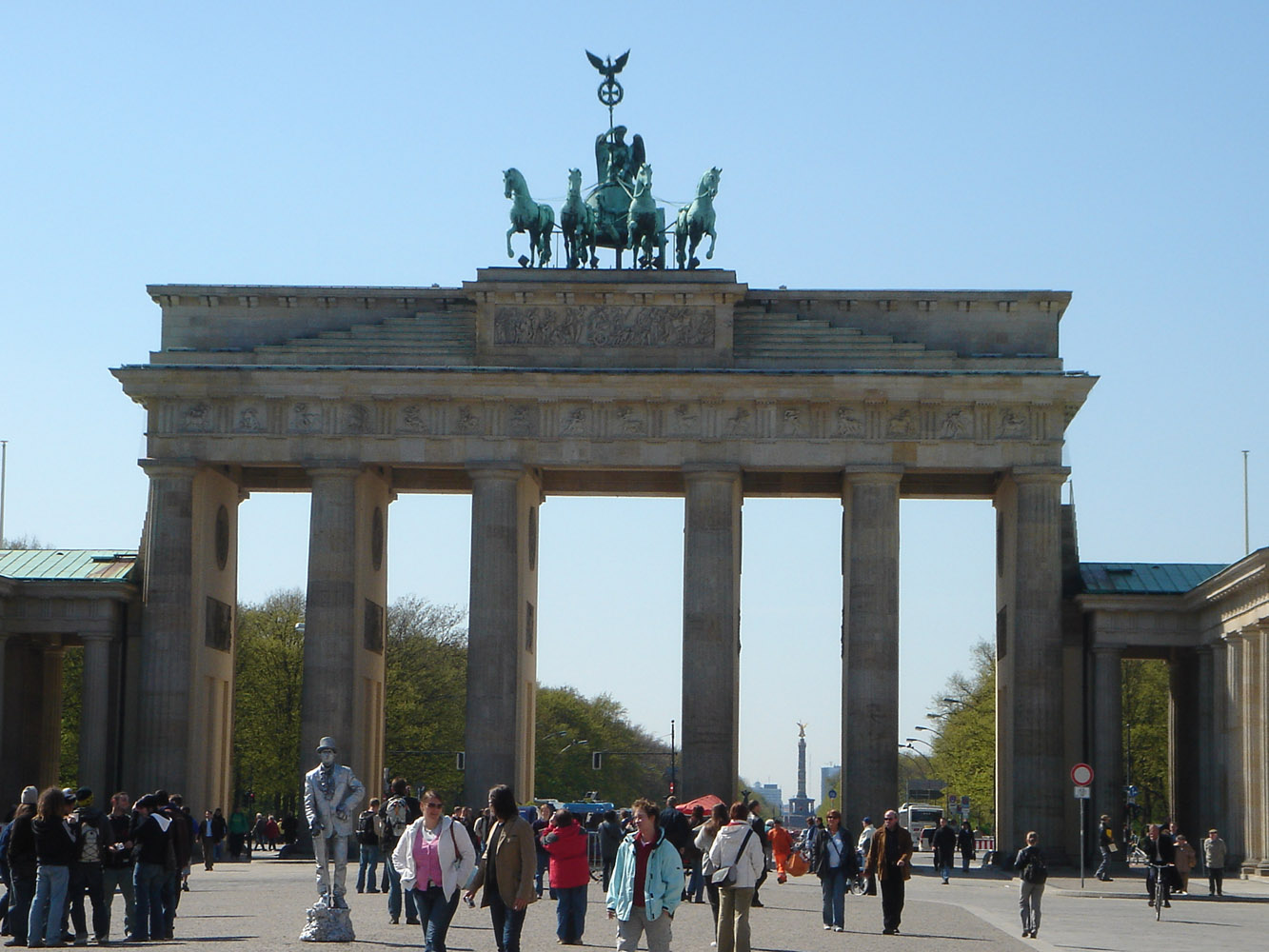
 In the Blog, A VW recession for the eurozone, as German growth revised down?, we discussed the pessimistic outlook for the eurozone, in part driven by the problems facing the engine of Europe: Germany. While the German government noted that the weak growth figures are due to external factors, it appears as though these external factors are now sending waves through the domestic economy.
Over the past 6 months, German confidence has fallen continuously and now stands at almost its lowest level in 2 years. Think tank data from a survey of 7000 firms in Germany fell from 104.7 to 103.2 for October – the weakest reading since December 2012. Confidence is always a key factor in the strength of an economy, as it affects consumers and businesses. 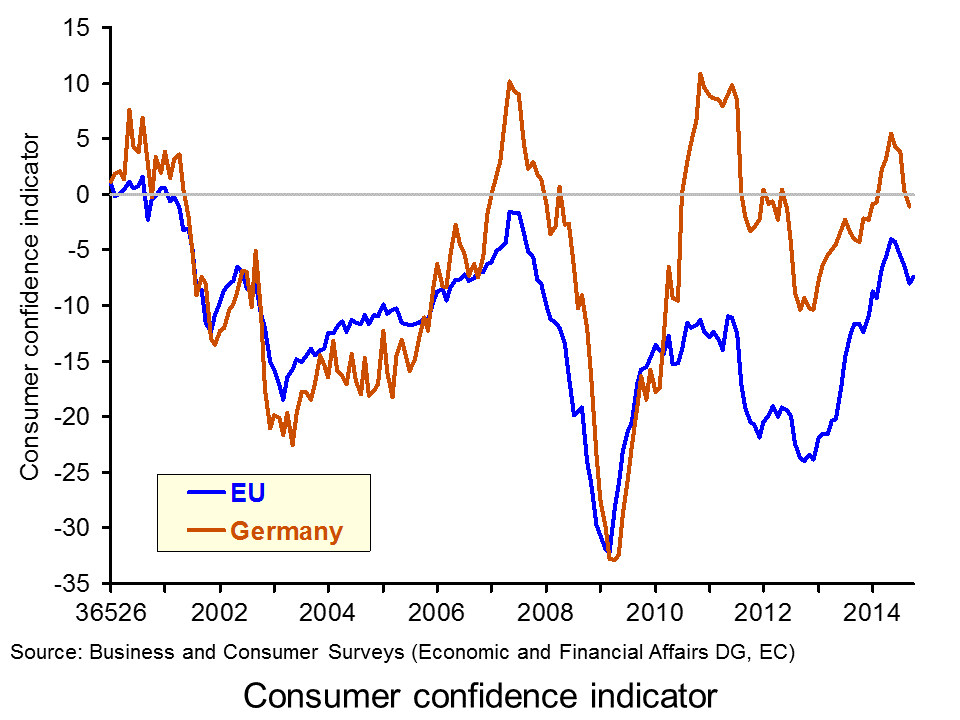 Without consumer and business confidence, two key components of aggregate demand are weak and this downward pressure on total spending in the economy depresses economic growth. An economist from Ifo, the think-tank that produced this business climate index, said that firms felt ‘downbeat about both their current situation and the future.’
As confidence continues to decline in Germany, the economic situation is unlikely to improve. Unfortunately, it is something of a vicious circle in that without economic growth confidence won’t return and without confidence, economic growth won’t improve. The industrial sector is crucial to Germany and the data is concerning, according to Chief economist at Commerzbank, Joerg Kraemer:
The latest numbers from the industrial sector are very worrisome…The third quarter was probably worse than expected, the economy may have stagnated at best.
Numerous factors continue to depress the German economy and while negative growth is not expected, estimates for quarterly growth from July to September remain at around 0.3%. As Europe’s largest economy, such low growth rates will be of concern to the rest of the Eurozone and may also bring worry to other countries, such as the US and UK. With growing interdependence between nations, the success of countries such as Germany and Europe as a whole influences the economic situation abroad. Commentators will be looking for any signal that Germany is strengthening in the coming months and an improvement in business confidence will be essential for any prolonged recovery.
German business confidence falters again in October Wall Street Journal, Todd Buell (27/10/14)
German business morale weakens to lowest level in almost two years Reuters, Michelle Martin (27/10/14)
Zero growth best hope for Germany as confidence disappears The Telegraph, Szu Ping Chan (27/10/14)
German Ifo business confidence drops for sixth month Bloomberg, Stefan Riecher (27/10/14)
German business confidence plunges again as analysts urge fiscal stimulus International Business Times, Finnbarr Bermingham (27/10/14)
German business confidence falls again, Ifo says BBC News (27/10/14)
German business confidence tumbles The Guardian, Philip Inman (24/9/14)
The German way of stagnating BBC News, Robert Peston (11/11/14)
Questions
- Why is consumer and business confidence such an important element in explaining the state of an economy?
- Use an AD/AS diagram to illustrate the impact on national output of a decline business confidence. What are the other consequences for the macroeconomic objectives?
- What actions can a government take to boost confidence in an economy?
- If economic growth is weak and confidence is low, is there any point in cutting interest rates as a means of stimulating investment?
- If the eurozone did move back into recession, what could be the possible consequences for countries such as the UK and US?
- How useful are indices that measure business confidence?
 The housing market and what to do about bubbles, second homes and first time buyers is likely to be one of many battle grounds at the next election. For many years, the idea of a mansion tax has been debated and the Shadow Chancellor, Ed Balls, has outlined plans for a mansion tax under a Labour government.
The policy would see houses valued at between £2 and £3 million pay £250 a month as a mansion tax. Those owning a home worth tens of millions and those with second homes would pay more under the mansion tax, which would be based on a progressive system. Concerns have been raised about the impact of this tax on home-owners in areas like London, where average house prices are considerably higher than the UK average. Ed Balls has sought to reassure homeowners that payment of the mansion tax could be deferred if earnings do not reach the £42,000 threshold. However, critics have suggested that this policy will only make things worse for middle income households who will not be able to defer such a payment if their income is £43,000. Labour’s MP for Greenwich, Nick Raynsford said, ‘What it does is create a cliff edge. It will still hit people who are asset rich but cash poor.” Writing in the Evening Standard, Ed Balls said:
“Long-standing residents who now find themselves living in high-value homes but do not have an income high enough to pay the higher or top rate of income tax — in other words earn less than £42,000 a year — will be guaranteed the right to defer the charge until the property changes hands.
So a tax on the highest value properties will be done fairly and carefully to help fund our NHS for the future.
Ordinary Londoners should be protected and wealthy foreign investors must finally make a proper tax contribution in this country.”
Although similar in its objective to the Liberal Democrat’s mansion tax, the amount of the tax as a percentage of the value of the home under Labour is significantly lower. It is likely to be between 0.1% and 0.15% of the home’s valued, compared to the 1% levy proposed by the Liberal Democrats.
 One debate now surrounds the amount that this tax is expected to raise, especially given the revenue has been ear-marked to finance the NHS. The number of homes whose value is estimated to fall between £2m and £3m varies considerably and hence so would the revenues raised from such a tax. However, the income generated by even the most generous estimates will not come close to raising the ear-marked figure of £1.2bn. As such, there are suggestions that the tax levied on houses worth more than £3m; on foreign owners of residences in the UK and second homes will need to be significant to make up the short fall. A spokesperson for the Conservatives said:
“Serious questions have now been raised about how much revenue Labour would be able to raise from the tax …This is a further unravelling of the policy, which faced fierce criticism after it was revealed that no money would be raised until halfway through the next parliament, and the proposals for mass valuations of family homes was widely slammed as unworkable.”
The UK residential research director of Savills estate agency, Lucian Cook, added:
“Given Labour’s stated ambition to raise £1.2bn, that would leave at least £1.08bn to be raised from the remaining 57,000 properties, possibly more to account for tax leakage elsewhere in the system.”
The impact of the mansion tax will depend on exactly how it is imposed and the thresholds, together with how the threshold changes with the housing market. In the UK, we have seen some houses increase in value by huge amounts in just a few months and with a mansion tax, any such increase in price could move more home-owners into the new progressive tax system. Some argue that it is a tax on Londoners. The following articles consider the proposed policy by Labour.
Ed Balls seeks to reassure London home owners over mansion tax plans The Guardian, Patrick Wintour (20/10/14)
Ed Balls: Mansion tax would start at £250 a month BBC News (20/10/14)
‘Mansion tax’ will mean bill of £250 a month, says Ed Balls Financial Times, Emily Cadman, Kate Allen, Vanessa Houlder and George Parker (20/10/14)
Mansion tax can be deferred in you earn less than £42,000, Ed Balls insists as he reveals details of levy on £2million homes Mail Online, Matt Chorley (20/10/14)
Ed Balls: Mansion tax will cost homeowners £250 a month London Evening Standard (20/10/14)
Middle-class families hit by Labour’s mansion tax The Telegraph, Steven Swinford (20/10/14)
Balls says mansion-tax threshold to rise with home values Bloomberg, Svenja O’Donnell (20/10/14)
Questions
- How does a progressive tax system work?/li>
- Why are some critics arguing that this mansion tax would just be a tax on Londoners?
- What objective is the £42,000 income threshold trying to achieve? Do you think that critics are correct in their assertion that it penalises middle income households?
- Fiscal drag is mentioned in the BBC News article as a potential problem with the mansion tax proposed by Labour and that houses may move into the taxable threshold. What is fiscal drag and why is it a potential concern?
- How might such a policy affect the incentives of foreigners to invest in the UK housing market? Would this be a good or a bad thing and for who?
- The revenues generated from houses between £2 and £3m will not be sufficient to generate £1.2bn. What are the implications for how progressive the mansion tax would need to be and how this might affect homeowners?
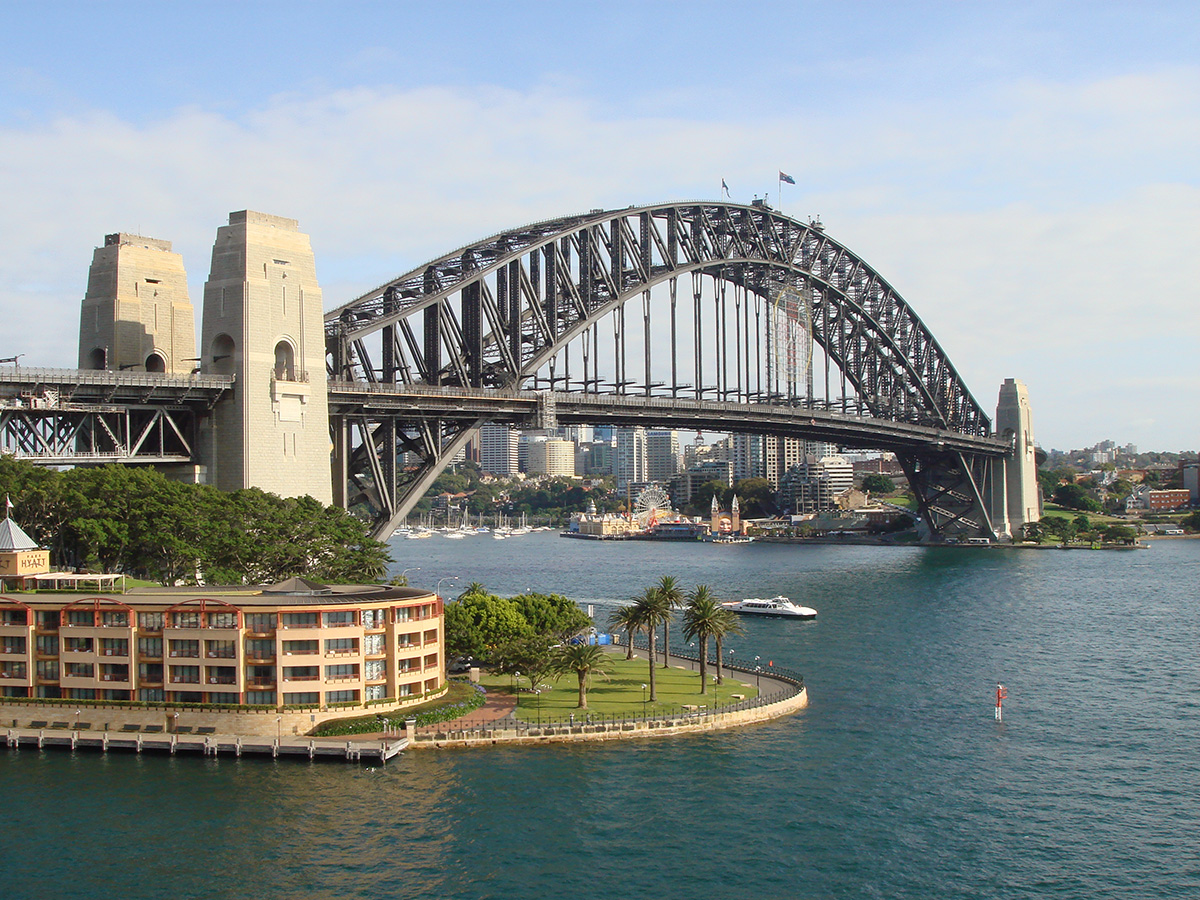 This weekend, Australia will play host to the world’s leaders, as the G20 Summit takes place. The focus of the G20 Summit will be on global growth and how it can be promoted. The Eurozone remains on the brink, but Germany did avoid for recession with positive (just) growth in the third quarter of this year. However, despite Australia’s insistence on returning the remit of the G20 to its original aims, in particular promoting growth, it is expected that many other items will also take up the G20’s agenda.
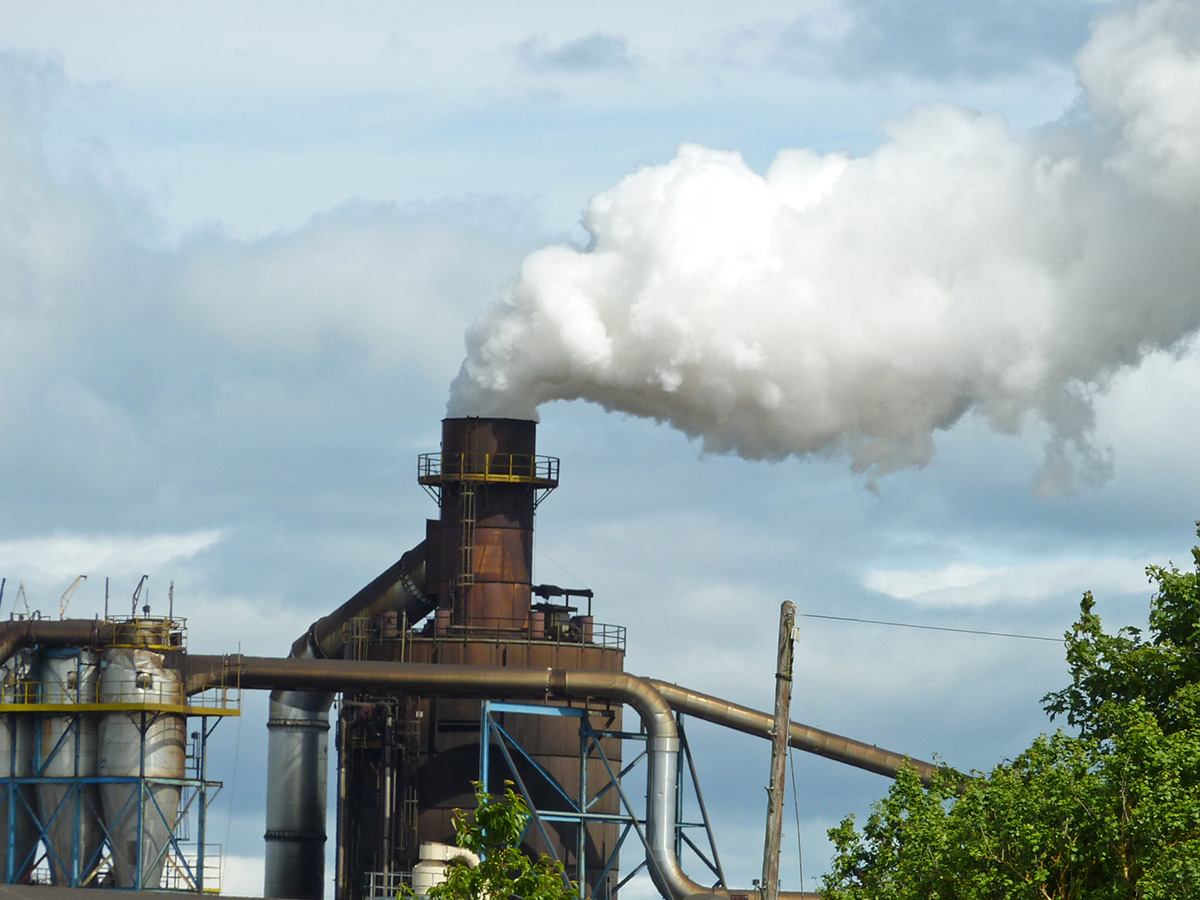 Many people have protested about the lack of action on climate change, but perhaps this has been addressed to some extent by the deal between China and the USA on climate change and Barak Obama’s pledge to make a substantial contribution to the Green Climate Fund. This has caused some problems and perhaps embarrassment for the host nation, as Australia has remained adamant that despite the importance of climate change, this will not be on the agenda of the G20 Summit. Suggestions now, however, put climate change as the final communique.