 At the fourth anniversary of Russia’s invasion of Ukraine, we look at the effect of the war on the Russian economy. Two years ago, in the blog The Russian economy after two years of war, we argued that the Russian economy had seemingly weathered the war successfully.
Unlike Ukraine, very little of its infrastructure had been destroyed; it had started the war with a current account balance of payments surplus, a budget surplus and a low general government debt-to-GDP ratio; it had achieved a lot of success in diverting its exports, including oil, away from countries imposing sanctions to countries such as China and India; it was the same with imports, with China especially becoming a major suppliers of machinery, components and vehicles; it has a strong central bank, which engenders a high level of confidence in managing inflation; the military expenditure provided a Keynesian boost to the economy, with production and employment rising.
The situation today
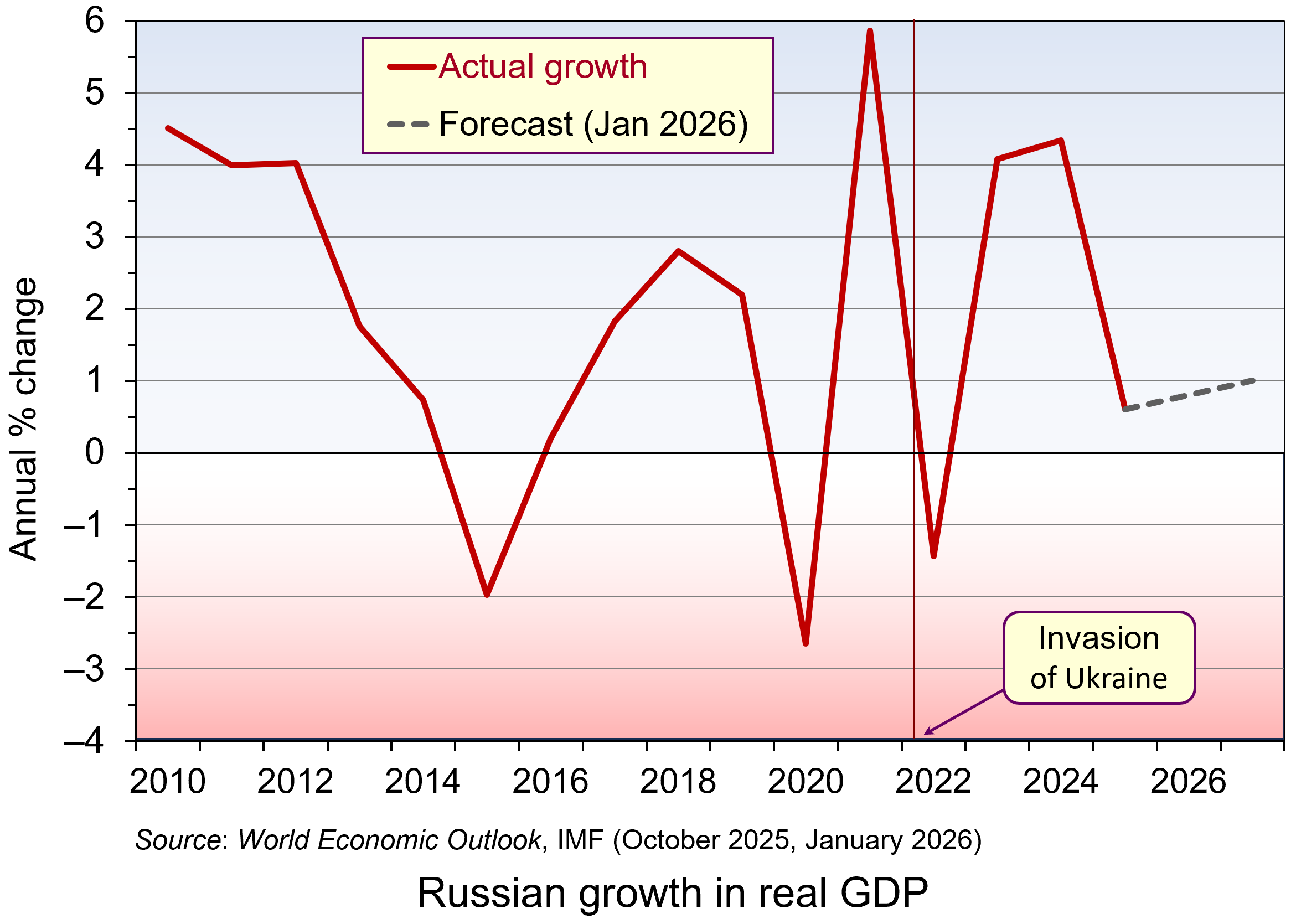 But two years further on, the Russian economy is looking a lot weaker and on the verge of recession. GDP growth fell to 0.6 per cent in 2025 and is forecast to be no more than 1 per cent for the next two years. (Click here for a PowerPoint of the chart.) And despite growth still being positive (just), this is largely because of the growth in military expenditure. Retail and wholesale trade fell by 1.1% in 2025, reflecting supply chain problems and high inflation dampening consumer demand.
With labour being diverted into the armaments and allied industries or into the armed forces, this has led to labour shortages. This has been compounded by the emigration of up to 1 million people by 2025 – often young, educated and skilled professionals.
 Official CPI inflation averaged 8.7 per cent in 2025, although the prices of food and other consumer essentials rose by more, especially in recent months. At the beginning of 2026, supermarket prices rose by 2.3% in just one month, made worse by a rise in VAT from 20% to 22%. The central bank has responded to the high inflation with high interest rates, which averaged 19.2% in 2025, giving a real rate of 10.5%. With such a high real rate, the response of households has been to save. This has masked the constraints on production, or imports, of consumer goods. Savings have also been boosted by large payments to soldiers and bereaved families, with the money saved by the recipients being used in part to fund future such payments. So far there has been trust in the banking system, but if that trust waned and people starting making large withdrawals of savings, it could be seriously destabilising.
Whilst the high real interest rates have helped to mask shortages of consumer goods, they have had a seriously dampening effect on investment by domestic companies. Gross capital formation fell by 3% in 2025, not helped by an increase in the corporation tax from 20% to 25%. At the same time, foreign direct investment remains subdued due to high perceived risks. The lack of investment, plus the labour shortages, will have profound effects on the supply side of the economy, with potential output in the non-military sector likely to decline over the medium term.
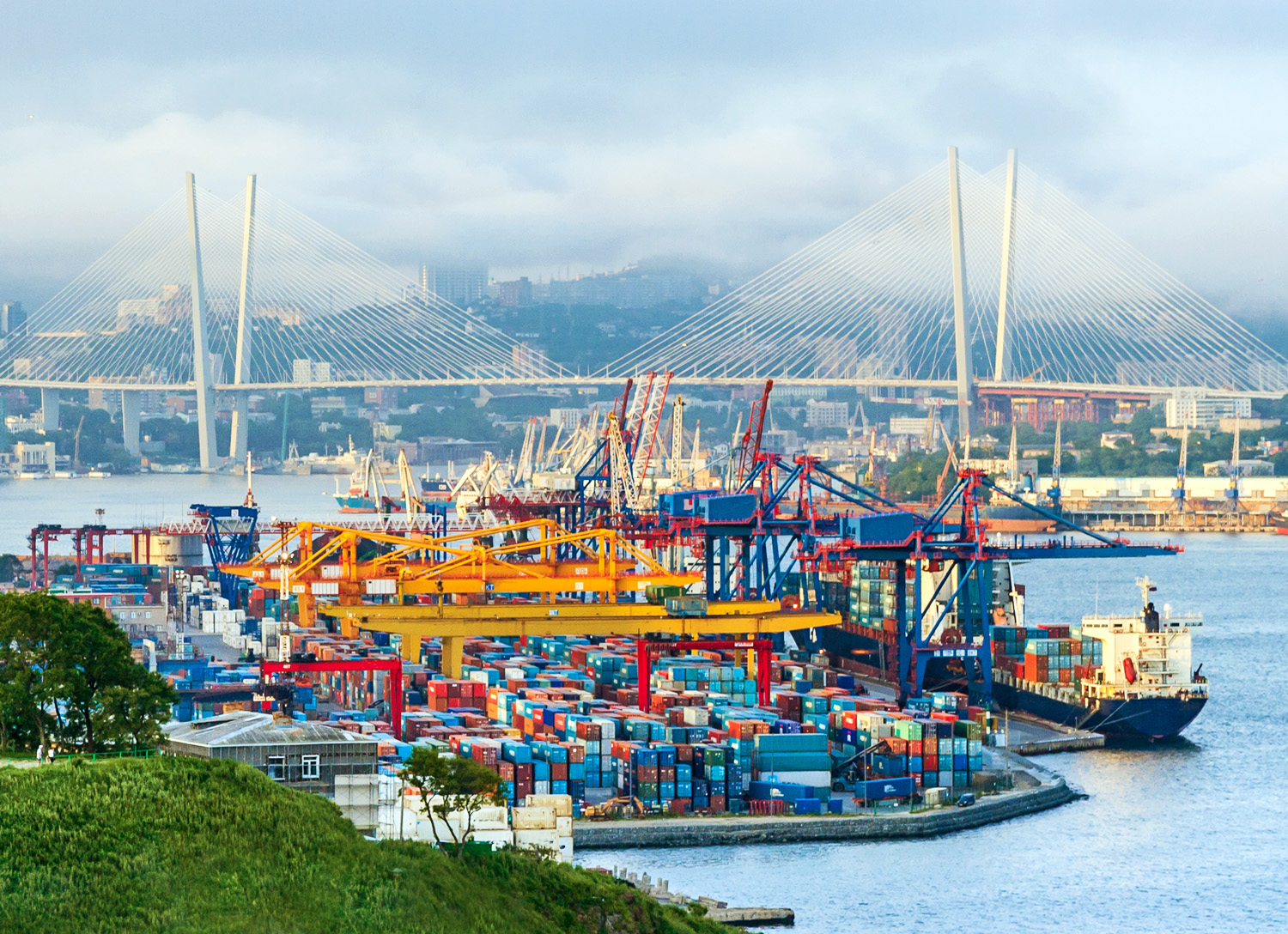 The balance of payments and government finances are turning less favourable. The balance of trade surplus has declined from US$173bn in 2021 to US$67bn in 2025. This could decline further, or even become a deficit, if oil prices continue to be weak, if Western sanctions are tightened (such as stopping the flow of Russian oil exports in the ‘shadow’ fleet of tankers) or if major importing countries stop buying Russian oil. Indian refiners have announced that they are not taking Russian crude in March/April as India seeks to finalise a trade deal with the USA.
The budget balance has moved from a small surplus of 0.8% of GDP in 2021 to a deficit of 2.9% in 2025. Although the government debt-to-GDP ratio remains low by international standards at 23.1% of GDP in 2025, this was up from 16.5% in 2021 and is set to rise further as budget deficits deepen. Nevertheless, as long as the saving rate remains high, the debt can be serviced by domestic bond purchase.
Russia’s economy is definitely weakening and labour shortages and low investment will create major problems for the future. But whether this deterioration will be enough to change Russia’s stance on the war in Ukraine remains to be seen.
Articles
- The Russian economy is finally stagnating. What does it mean for the war – and for Putin?
The Guardian, Alex Clark (6/2/26)
- Exclusive: Russia’s budget deficit may almost triple this year as oil revenues decline
Reuters (4/2/26)
- Russia’s war economy is not collapsing, but neither is it stable
The Conversation, Yerzhan Tokbolat (17/12/25)
- Food prices are surging in Russia. Is the war hitting Russians in the pocket?
BBC News, Olga Shamina, Yaroslava Kiryukhina and Sergei Kagermazov (18/2/26)
- [Russian] GDP data — what it reveals, what it conceals
The Bell, Denis Kasyanchuk (18/2/26)
 What to Expect From the Russian Economy in 2026
Carnegie Endowment for International Peace, Alexandra Prokopenko and Alexander Gabuev (12/2/26)
- Indian refiners avoid Russian oil in push for US trade deal
Reuters, Nidhi Verma (8/2/26)
- What Breaks First – Russia’s Economy or Its War?
Visegrad Insight, Tomasz Kasprowicz (3/2/26)
Videos
Reports
Data
Questions
- What constraints are there currently on the supply side of the Russian economy?
- Some economists have argued that the economic effects of a stalemate in the Ukraine war would suit the Russian leadership more than peace or victory. Why might this be so?
- Under what circumstances might a deep recession in Russia be more likely than stagnation?
- In what ways does Russia’s current financial system resemble a pyramid scheme?
- What cannot a Keynesian boost contunue to support the Russian economy indefinitely?
 This Christmas, more people are considering giving second-hand (or ‘pre-loved’) goods as presents. This allows them to afford better-quality presents and to save money at a time when a large proportion of the population are finding that their finances are stretched. This continues a trend towards buying second-hand products – a trend driven by the rise of various online retailers, such as Vinted and Preloved, and a growing online presence of charity shops, as well as extensive use of established platforms, such as Facebook Marketplace, eBay, Depop, Gumtree and Nextdoor.
Clearly, people gain from buying and selling second-hand items – part of the ‘circular economy’. But what are the implications for gross domestic product (GDP)? After all, GDP is one of the main indicators of the size of an economy, and growth in GDP is probably the most widely-used measure of economic progress. Are second-hand transactions captured in GDP?
If you directly sell your own second-hand items, this does not count towards GDP. There is no new product being made. The items are only counted when they are first produced. Any service you provide to the purchaser (and to yourself) is in a similar category to housework, childcare, DIY and other services that people provide to themselves, household members and friends. But like such services, there is a strong argument that they should be.
 Likewise, the environmental benefits (positive externalities) of recycling products, rather than throwing them away or hoarding them, are not counted. In fact, if reusing products causes fewer new products to be made, this would be counted as subtracting from GDP.
If, however, you set up a business by buying and selling second-hand items, the service you provide would contribute towards GDP. What would be counted would the value added to the product – captured through the difference in the purchase and selling prices. In fact, HMRC has warned people that buying and selling second-hand items is taxable, as it counts as self-employment for tax purposes. But it is only this value added that counts. If you buy an item on Vinted, only the value added by Vinted counts towards GDP.
As no production takes place, the purchase of second-hand items adds either nothing to GDP or just the service of a retailer. It is effectively just a transfer of goods and money. If buying second-hand items means that you buy fewer new ones, then that would cause GDP to fall if the response of firms is to produce fewer newer items. However, the person selling the second-hand items will gain revenue, which could be used to buy new items. If that increased production, that would boost GDP. The net effect on GDP of this transfer of goods and money in the second-hand market will be pretty small.
Yet, clearly, the second-hand market provides a welfare gain to both sellers and purchasers – a gain that is likely to grow as the use of second-hand markets increases. At Christmas time, it provides a timely warning of the limitations of using GDP to measure wellbeing.
Articles
- Giving toys another life with another child
Westmorland & Furness Council, News (18/11/25)
- ‘I make £1,000 a week with charity shop side hustle – I couldn’t afford Christmas without it’
Manchester Evening News, Lee Grimsditch and Hannah Cottrell (3/12/25)
- HMRC issues warning to anyone with money-making ‘side hustle’ ahead of Christmas
Manchester Evening News , Ryan Price (12/11/25)
- 12 tips for a low cost Christmas
Rest Less, Melanie Wright (14/11/25)
- I’ve saved over £100 on my girl’s Christmas gifts & got everything on her list including Disney dolls & Hey Dugee toys
The Sun, Becky Pemberton (25/11/25)
- Circular trade is growing, but will second-hand shopping be visible during the Christmas season?
Finnish Commerce Federation, Press Release (27/11/25)
- Shop secondhand, shred your veg and try ‘furoshiki’ wrapping: 14 easy ways to cut Christmas waste
The Guardian, Hannah Rochell (8/12/25)
- 13 Ways to Have a Sustainable Christmas This Year
Circular&Co., Adam Millett (1/12/23)
- The Role of Circular Economy in Driving Economic Growth: Evidence from EU Countries
Sage Open, Vladimir Radivojević, Tamara Rađenović and Jelena Dimovski (14/11/24)
- How to Have a Circular Economy Christmas: Deck the Halls, Sustainably
50 Shades Greener, Kiri Spanowicz (10/12/24)
- Twelve Economic Impacts of Christmas
City-REDI Blog, Birmingham University, Charlotte Hoole (22/12/16)
- Christmas 2025: Christmas Economics Explained
Plus500 (23/11/25)
Questions
- What other items or activities affecting human wellbeing are not counted in GDP?
- Name some goods and services that are produced, and hence are included in GDP, but which can be classed as ‘bads’.
- For what reasons might a country have a high GDP per capita but a poor average level of wellbeing?
- How might GDP figures be adjusted for international comparison purposes?
- Would it be possible to adjust GDP figures to take account of externalities in production (negative and positive)? If so, how?
- Production involves human costs. To what extent does GDP take this into account?
- What is meant by the circular economy? How might you have a ‘circular’ Christmas?
It’s two years since Russia invaded Ukraine. Western countries responded by imposing large-scale sanctions. These targeted a range of businesses, banks and other financial institutions, payments systems and Russian exports and imports. Some $1 trillion of Russian assets were frozen. Many Western businesses withdrew from Russia or cut off commercial ties. In addition, oil and gas imports from Russia have been banned by most developed countries and some developing countries, and a price cap of $60 per barrel has been imposed on Russian oil. What is more, sanctions have been progressively tightened over the past two years. For example, on the second anniversary of the invasion, President Biden announced more than 500 new sanctions against individuals and companies involved in military production and supply chains and in financing Russia’s war effort.
The economy in Russia has also been affected by large-scale emigration of skilled workers, the diversion of workers to the armed forces and the diversion of capital and workers to the armaments industry.
So has the economy of Russia been badly affected by sanctions and these other factors? The IMF in its World Economic Forecast of April 2022 predicted that the Russian economy would experience a steep, two-year recession. But, the Russian economy has fared much better than first predicted and the steep recession never materialised.
In this blog we look at Russia’s economic performance. First, we examine why the Russian economy seems stronger today than forecast two years ago. Then we look at its economic weaknesses directly attributable to the war.
Apparent resilience of the Russian economy
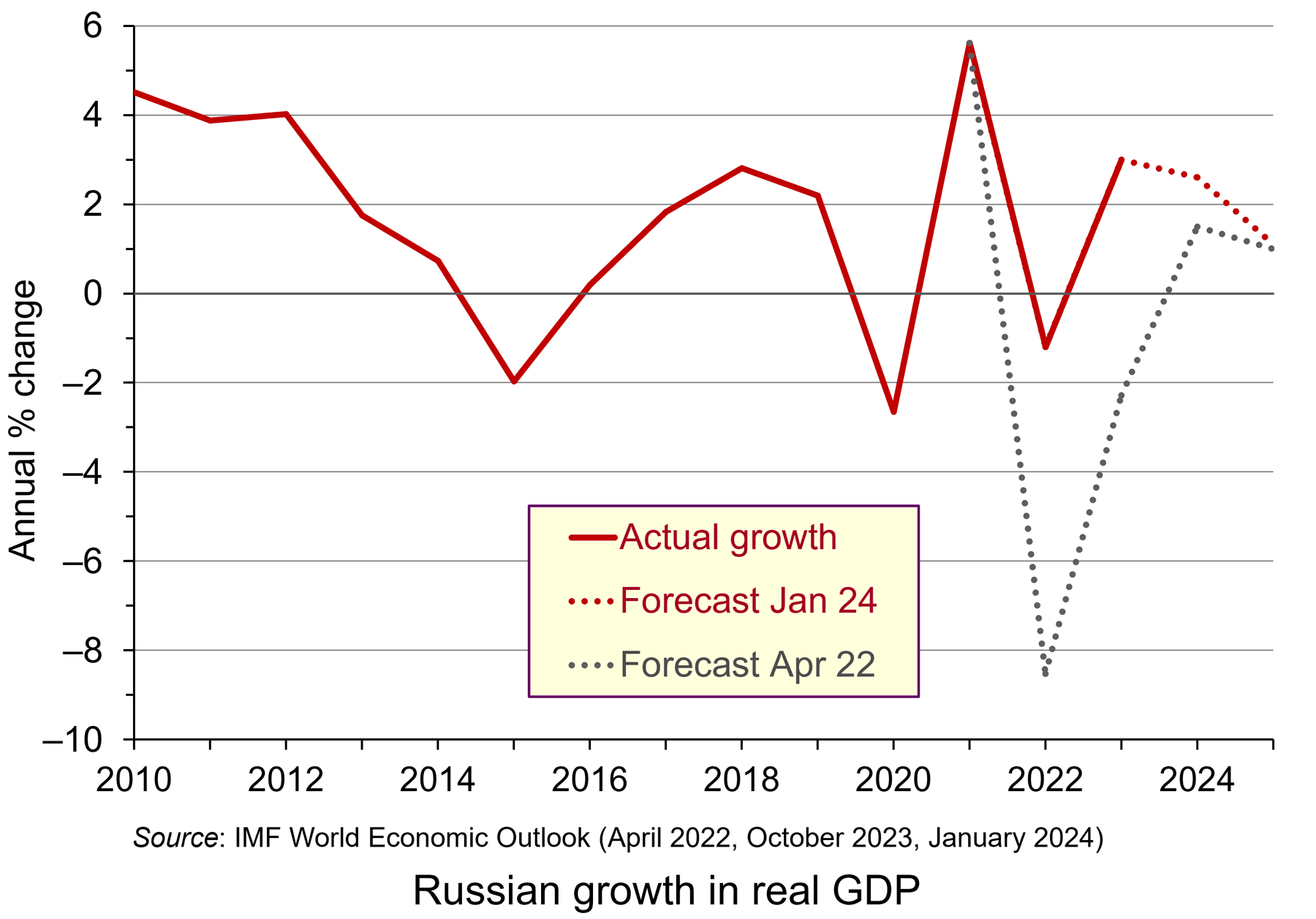 GDP forecasts have proved wrong. In April 2022, just after the start of the war, the IMF was forecasting that the Russian economy would decline by 8.5% in 2022 and by 2.3% in 2023 and grow by just 1.5% in 2024. In practice, the economy declined by only 1.2% in 2022 and grew by 3.0% in 2023. It is forecast by the IMF to grow by 2.6% in 2024. This is illustrated in the chart (click here for a PowerPoint).
Similarly, inflation forecasts have proved wrong. In April 2022, Russian consumer price inflation was forecast to be 21.3% in 2022 and 14.3% in 2023. In practice, inflation was 13.8% in 2022 and 7.4% in 2023. What is more, consumer spending in Russia has remained buoyant. In 2023, retail sales rose by 10.2% in nominal terms – a real rise of 2.8%. Wage growth has been strong and unemployment has remained low, falling from just over 4% in February 2022 to just under 3% today.
So why has the Russian economy seemingly weathered the war so successfully?
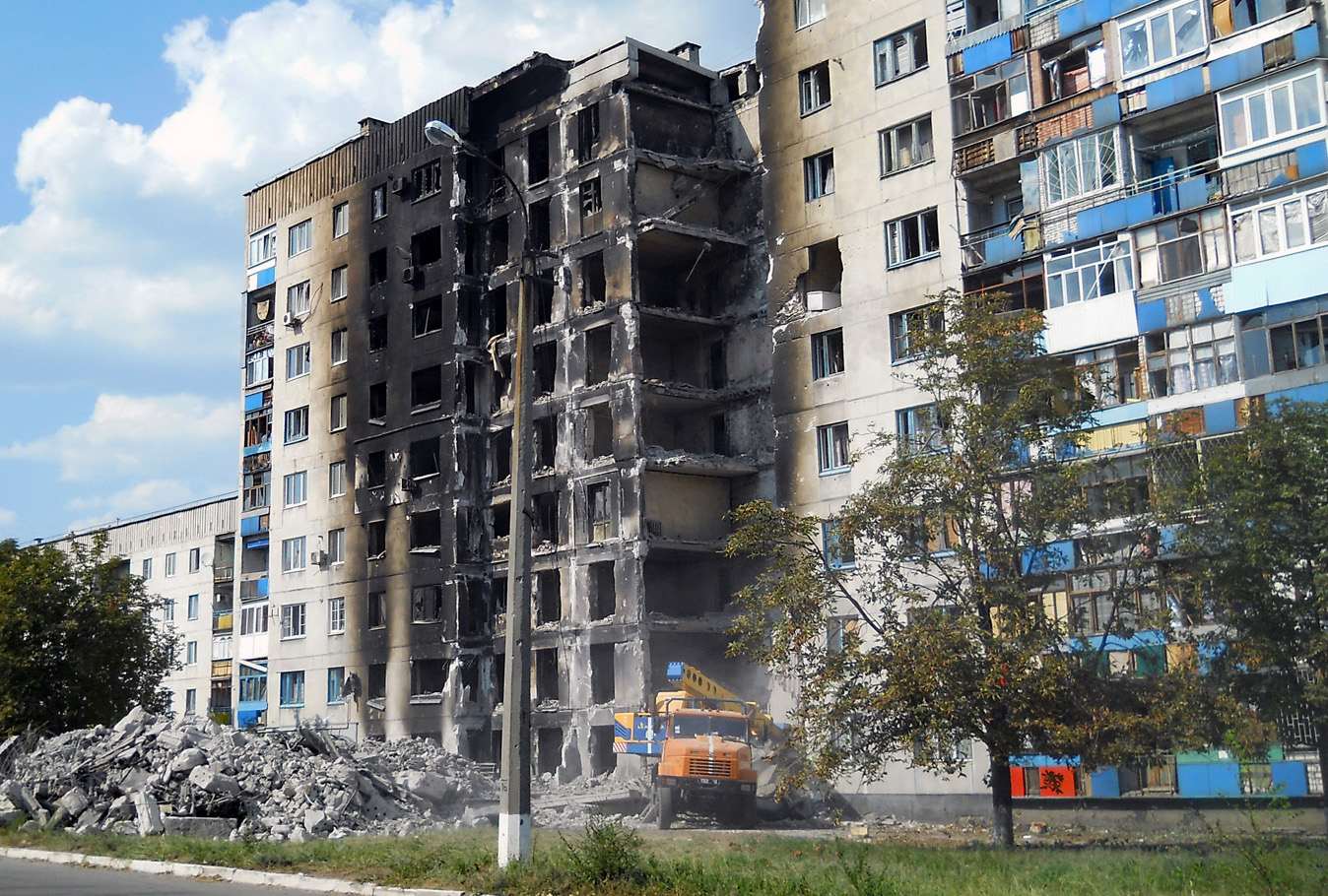
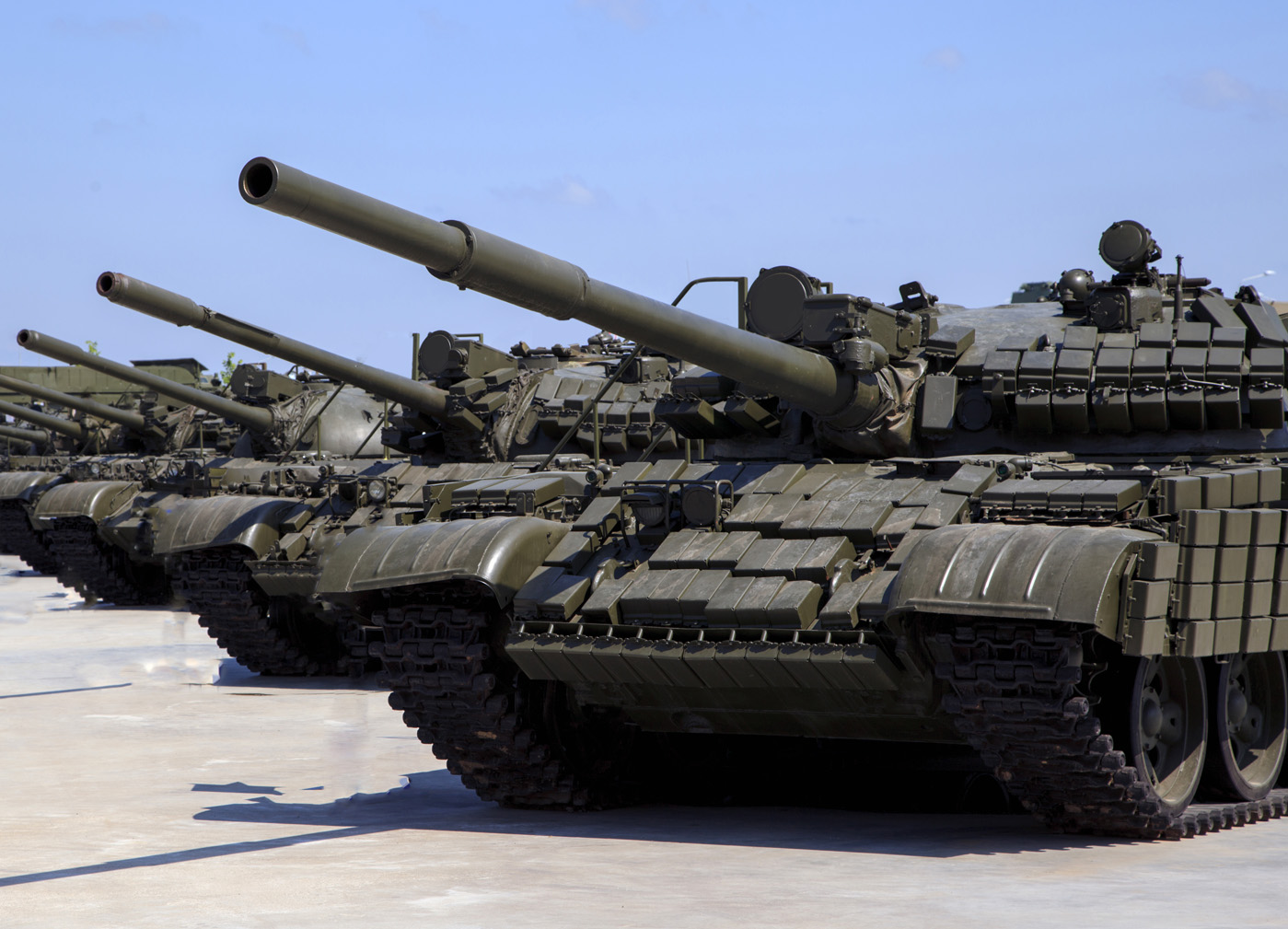 The first reason is that, unlike Ukraine, very little of its infrastructure has been destroyed. Even though it has lost a lot of its military capital, including 1120 main battle tanks and some 2000 other armoured vehicles, virtually all of its production capacity remains intact. What is more, military production is replacing much of the destroyed vehicles and equipment.
The second is that its economy started the war in a strong position economically. In 2021, it had a surplus on the current account of its balance of payments of 6.7% of GDP, reflecting large revenues from oil, gas and mineral exports. This compares with a G7 average deficit of 0.7%. It had fiscal surplus (net general government lending) of 0.8% of GDP. The G7 countries had an average deficit of 9.1% of GDP. Its gross general government debt was 16% of GDP. The G7’s was an average of 134%. This put Russia in a position to finance the war and gave it a considerable buffer against economic sanctions.
The third reason is that Russia has been effective in switching the destinations of exports and sources of imports. Trade with the West, Japan and South Korea has declined, but trade with China and various neutral countries, such as India have rapidly increased. Take the case of oil: in 2021, Russia exported 4.4 billion barrels of oil per day to the USA, the EU, the UK, Japan and South Korea. By 2023, this had fallen to just 0.6 billion barrels. By contrast, in 2021, it exported 1.9 billion barrels per day to China, India and Turkey. By 2023, this had risen to 4.9 billion. Although exports of natural gas have fallen by around 42% since 2021, Russian oil exports have remained much the same at around 7.4 million barrels per day (until a voluntary cut of 0.5 billion barrels per day in 2024 Q1 as part of an OPEC+ agreement to prop up the price of oil).
China is now a major supplier to Russia of components (some with military uses), commercial vehicles and consumer products (such as cars and electrical goods). Total trade with China (both imports and exports) was worth $147 billion in 2021. By 2023, this had risen to $240 billion.
The use of both the Chinese yuan and the Russian rouble (or ruble) has risen dramatically as a means of payment for Russian imports. Their share has risen from around 5% in 2021 (mainly roubles) to nearly 75% in 2023 (just over 37% in each currency). Switching trade and payment methods has helped Russia to circumvent many of the sanctions.
The fourth reason is that Russia has a strong and effective central bank. It has successfully used interest rates to control inflation, which is expected to fall from 7.4% in 2023 to under 5% this year and then to its target of 4% in subsequent years. The central bank policy rate was raised from 8.5% to 20% in February 2022. It then fell in steps to 7.5% in September 2022, where it remained until August 2023. It was then raised in steps to peak at 16% in December 2023, where it remains. There is a high level of confidence that the Russian central bank will succeed in bringing inflation back to target.
The fifth reason is that the war has provided a Keynesian stimulus to the economy. Military expenditure has doubled as a share of GDP – from 3.7% of GDP in 2021 to 7.5% in 2024. It now accounts for around 40% of government expenditure. The boost that this has given to production and employment has helped achieve the 3% growth rate in 2023, despite the dampening effect of a tight monetary policy.
Longer-term weaknesses
Despite the apparent resilience of the economy, there are serious weaknesses that are likely to have serious long-term effects.
There has been a huge decline in the labour supply as many skilled and professional workers have move abroad to escape the draft and as many people have been killed in battle. The shortage of workers has led to a rise in wages. This has been accompanied by a decline in labour productivity, which is estimated to have been around 3.6% in 2023.
 Higher wages and lower productivity is putting a squeeze on firms’ profits. This is being exacerbated by higher taxes on firms to help fund the war. Lower profit reduces investment and is likely to have further detrimental effects on labour productivity.
Although Russia has managed to circumvent many of the sanctions, they have still had a significant effect on the supply of goods and components from the West. As sanctions are tightened further, so this is likely to have a direct effect on production and living standards. Although GDP is growing, non-military production is declining.
The public finances at the start of the war, as we saw above, were strong. But the war effort has turned a budget surplus of 0.8% of GDP in 2021 to a deficit of 3.7% in 2023 – a deficit that will be difficult to fund with limited access to foreign finance and with domestic interest rates at 16%. As public expenditure on the military has increased, civilian expenditure has decreased. Benefits and expenditure on infrastructure are being squeezed. For example, public utilities and apartment blocks are deteriorating badly. This has a direct on living standards.
In terms of exports, although by diverting oil exports to China, India and other neutral countries Russia has manage to maintain the volume of its oil exports, revenue from them is declining. Oil prices have fallen from a peak of $125 per barrel in June 2022 to around $80 today. Production from the Arabian Gulf is likely to increase over the coming months, which will further depress oil prices.
Conclusions
With the war sustaining the Russian economy, it would be a problem for Russia if the war ended. If Russia won by taking more territory in Ukraine and forcing Ukraine to accept Russia’s terms for peace, the cost to Russia of rebuilding the occupied territories would be huge. If Russia lost territory and negotiated a settlement on Ukraine’s terms, the political cost would be huge, with a disillusioned Russian people facing reduced living standards that could lead to the overthrow of Putin. As The Conversation article linked below states:
A protracted stalemate might be the only solution for Russia to avoid total economic collapse. Having transformed the little industry it had to focus on the war effort, and with a labour shortage problem worsened by hundreds of thousands of war casualties and a massive brain drain, the country would struggle to find a new direction.
Articles
- How Russia’s economy survived two years of war
The Bell (23/2/24)
- How Russia uses China to get round sanctions
The Bell, Denis Kasyanchuk (20/2/24)
- As Ukraine’s economy burns, Russia clings to a semblance of prosperity
The Observer, Larry Elliott and Phillip Inman (24/2/24)
- ‘A lot higher than we expected’: Russian arms production worries Europe’s war planners
The Guardian, Andrew Roth (15/2/24)
- There are lessons from Russia’s GDP growth — but not the ones Putin thinks
Financial Times, Martin Sandbu (11/2/24)
- Russia’s economy going strong
DW, Miltiades Schmidt (21/2/24)
- The West tried to crush Russia’s economy. Why hasn’t it worked?
Politico, Nahal Toosi, Ari Hawkins, Koen Verhelst, Gabriel Gavin and Kyle Duggan (24/2/24)
- Don’t Buy Putin’s Bluff. The West Can Outspend Him.
Bloomberg UK, Editorial (23/2/24)
- Russia’s war economy cannot last but has bought time
BBC News, Faisal Islam (11/2/24)
- US targets Russia with more than 500 new sanctions
BBC News, George Wright and Will Vernon (24/2/24)
- Russia’s economy is now completely driven by the war in Ukraine – it cannot afford to lose, but nor can it afford to win
The Conversation, Renaud Foucart (22/2/24)
Questions
- Argue the case for and against including military production in GDP.
- How successful has the freezing of Russian assets been?
- How could Western sanctions against Russia be made more effective?
- What are the dangers to Western economies of further tightening financial sanctions against Russia?
- Would it be a desirable policy for a Western economy to divert large amounts of resources to building public infrastructure?
- Has the Ukraine war hastened the rise of the Chinese yuan as a reserve currency?
- How would you summarise Russia’s current public finances?
- How would you set about estimating the cost to Russia of its war with Ukraine?
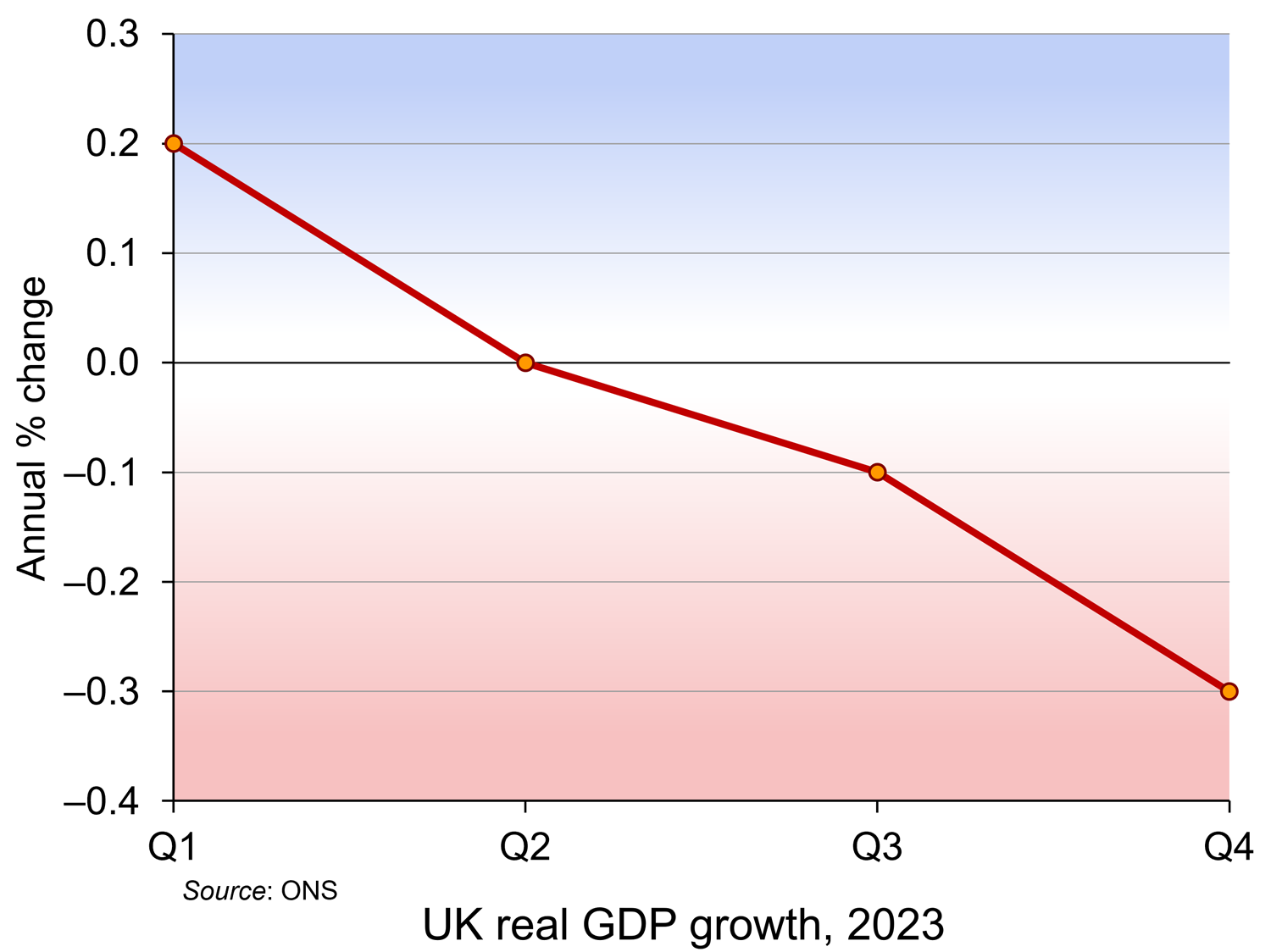 Latest figures from the Office for National Statistics show that the UK was in recession at the end of 2023. The normal definition of recession is two quarters of falling real GDP. This is what happened to the UK in the last two quarters of 2023, with GDP falling by 0.1% in Q3 and 0.3% in Q4. In Q4, output of the service industries fell by 0.2%, production industries by 1.0% and construction by 1.3%.
But how bad is this? What are the implications for living standards? In some respects, the news is not as bad as the term ‘recession’ might suggest. In other respects, it’s worse than the headline figures might imply.
The good news (or not such bad news)
The first thing to note is that other countries too experienced a recession or slowdown in the second half of 2023. So, relative to these countries, the UK is not performing that badly. Japan, for example, also experienced a mild recession; Germany just missed one. These poor economic growth rates were caused largely by higher global energy and food prices and by higher central bank interest rates in response. The good news is that such cost pressures are already easing.
The second piece of good news is that GDP is expected to start growing again (modestly) in 2024. This will be helped by the Bank of England cutting interest rates. The Monetary Policy Committee is expected to do this at its May, June or August meetings provided that inflation falls. Annual CPI inflation was 4% in January – the same as in December. But it is expected to fall quite rapidly over the coming months provided that there are no serious supply-side shocks (e.g. from world political factors).
The third is that the recession is relatively modest compared with ones in the past. In the recession following the financial crisis, real GDP fell by 5.3% in 2009; during the pandemic, GDP fell by 10.7% in 2020. For this reason, some commentators have said that the last two quarters of 2023 represent a mere ‘technical recession’, with the economy expected to grow again in 2024.
Why things may be worse than the headline figures suggest
Real GDP per head
So far we have considered real GDP (i.e. GDP adjusted for inflation). But if changes in GDP are to reflect changes in living standards, we need to consider real GDP per head. Population is rising. This means that the rate of growth in real GDP per head is lower than the rate of growth in real GDP
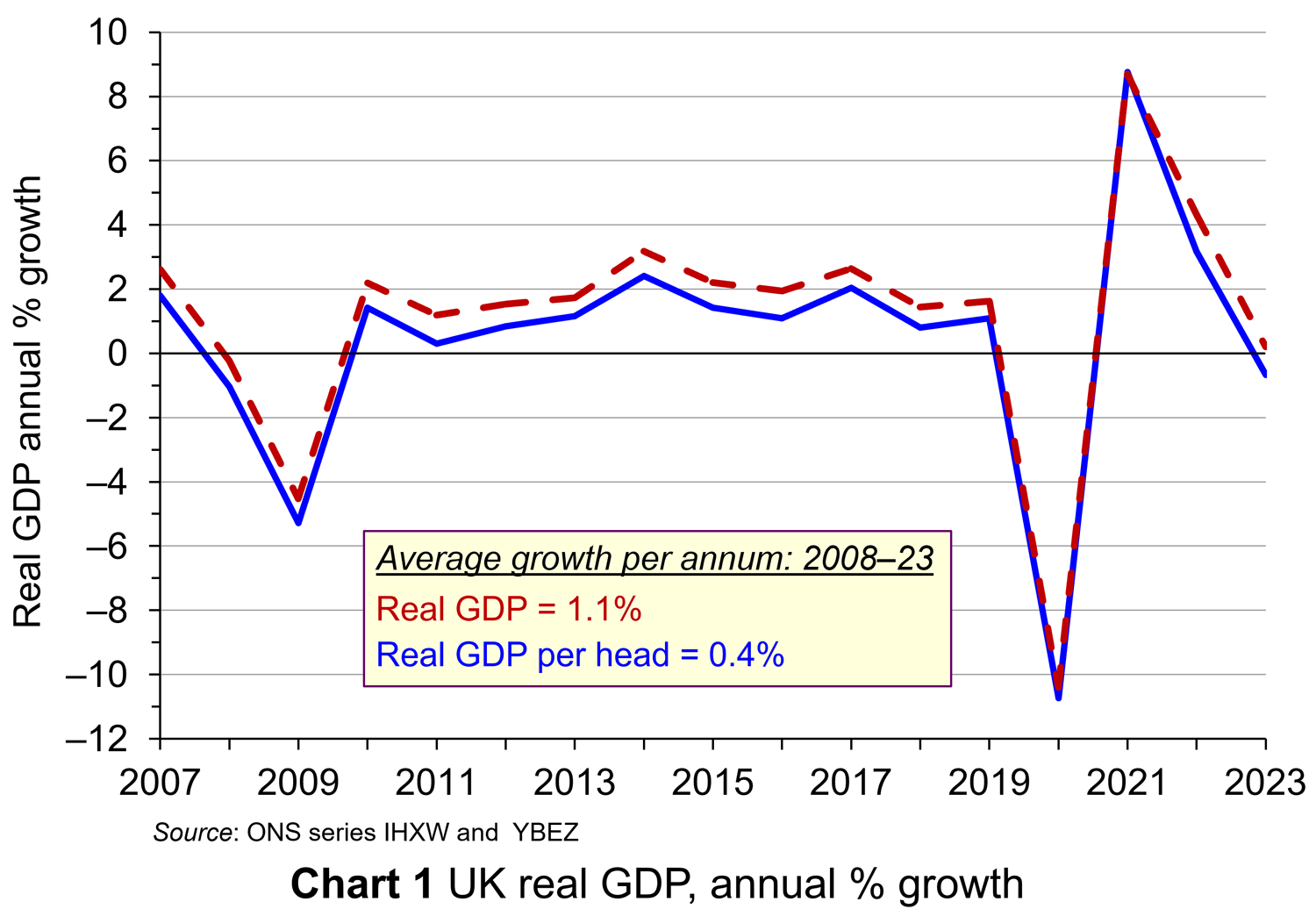 For 2023 as a whole, while real GDP rose by 0.20%, real GDP per head fell by 0.67%. In the last two quarters of 2023, while real GDP fell by 0.1% and 0.3% respectively, real GDP per head fell by 0.4% and 0.6%, respectively, having already fallen in each of the previous five quarters. Chart 1 shows real GDP growth and real GDP growth per head from 2007 to 2023 (click here for a PowerPoint). As you can see, given population growth, real GDP per head has consistently grown slower than real GDP.
Long-term trends.
If we are assessing the UK’s potential for growth in GDP, rather than the immediate past, it is useful to look at GDP growth over a longer period. Looking at past trend growth rates and explaining them can give us an indication of the likely future path of the growth in GDP – at least in the absence of a significant change in underlying economic factors. Since 2007, the average annual rate of growth of real GDP has been only 1.1% and that of real GDP per head a mere 0.4%.
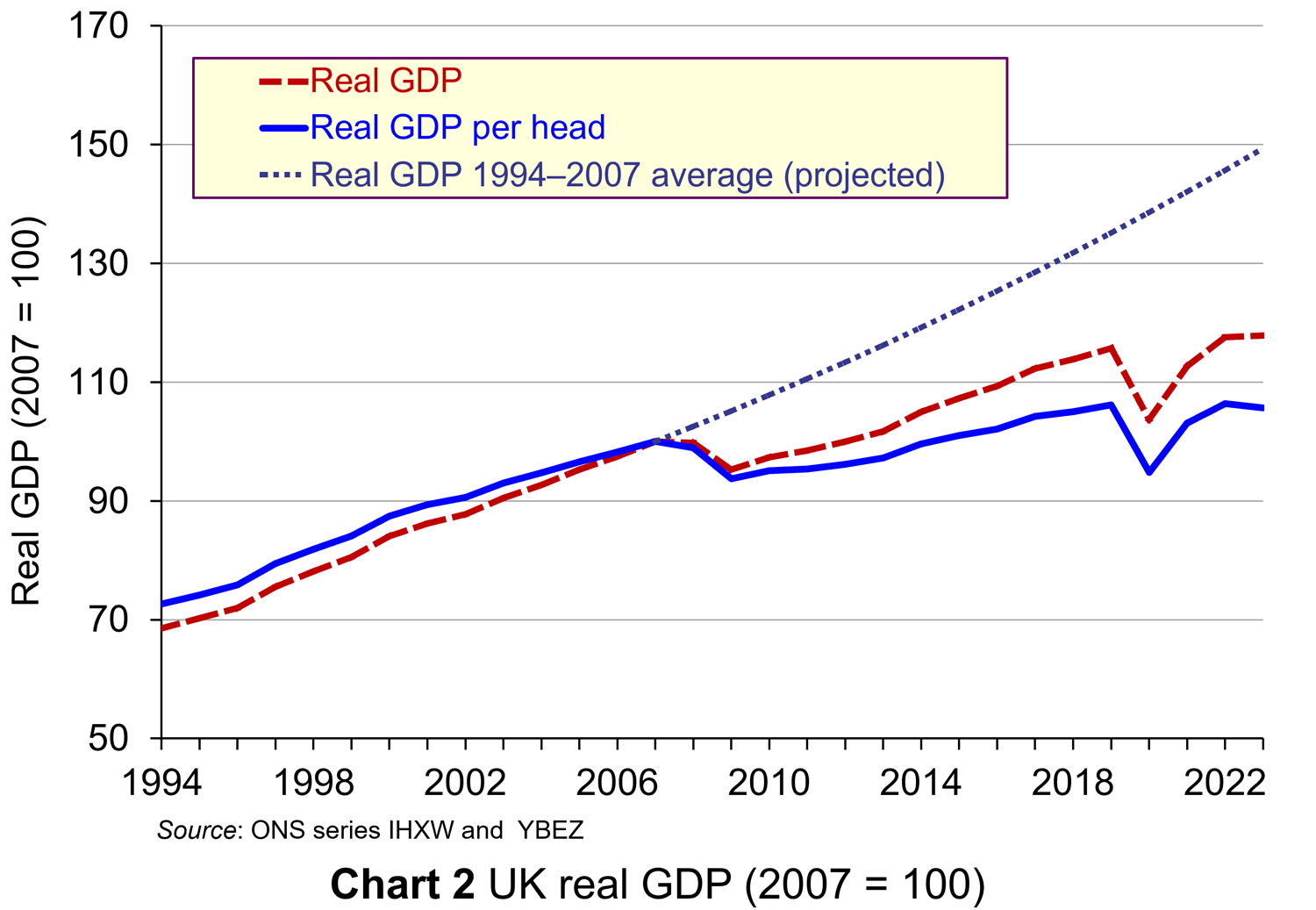 This compares unfavourably with the period from 1994 to 2007, when the average annual rate of growth of real GDP was 3.0% and that of real GDP per head was 2.5%.
This is illustrated in Chart 2 (click here for a PowerPoint). The chart also projects the growth rate in GDP per head of 2.5% forward from 2007 to 2023. Had this growth rate been achieved since 2007, GDP per head in 2023 would have been 41.4% higher than it actually was.
It is not only the UK that has seen low growth over the past 15 years compared to previous years. It has achieved a similar average annual growth rate over the period to Germany (1.1%), lower rates than the USA (1.8%) and Canada (1.6%), but higher than France (0.9%) and Japan (0.4%).
Low investment
A key determinant of economic growth is investment. Since 2008, the UK has invested an average of 17.3% of GDP. This is the lowest of the G7 countries and compares with 24.9% in Japan, 23.7% in Canada, 23.5% in France, 21.3% in Germany, 20.4% in the USA and 19.1% in Italy. If UK growth is to recover strongly over the longer term, the rate of investment needs to increase, both private and public. Of course, investment has to be productive, as the key underlying determinant of economic growth is the growth in productivity.
Low productivity growth
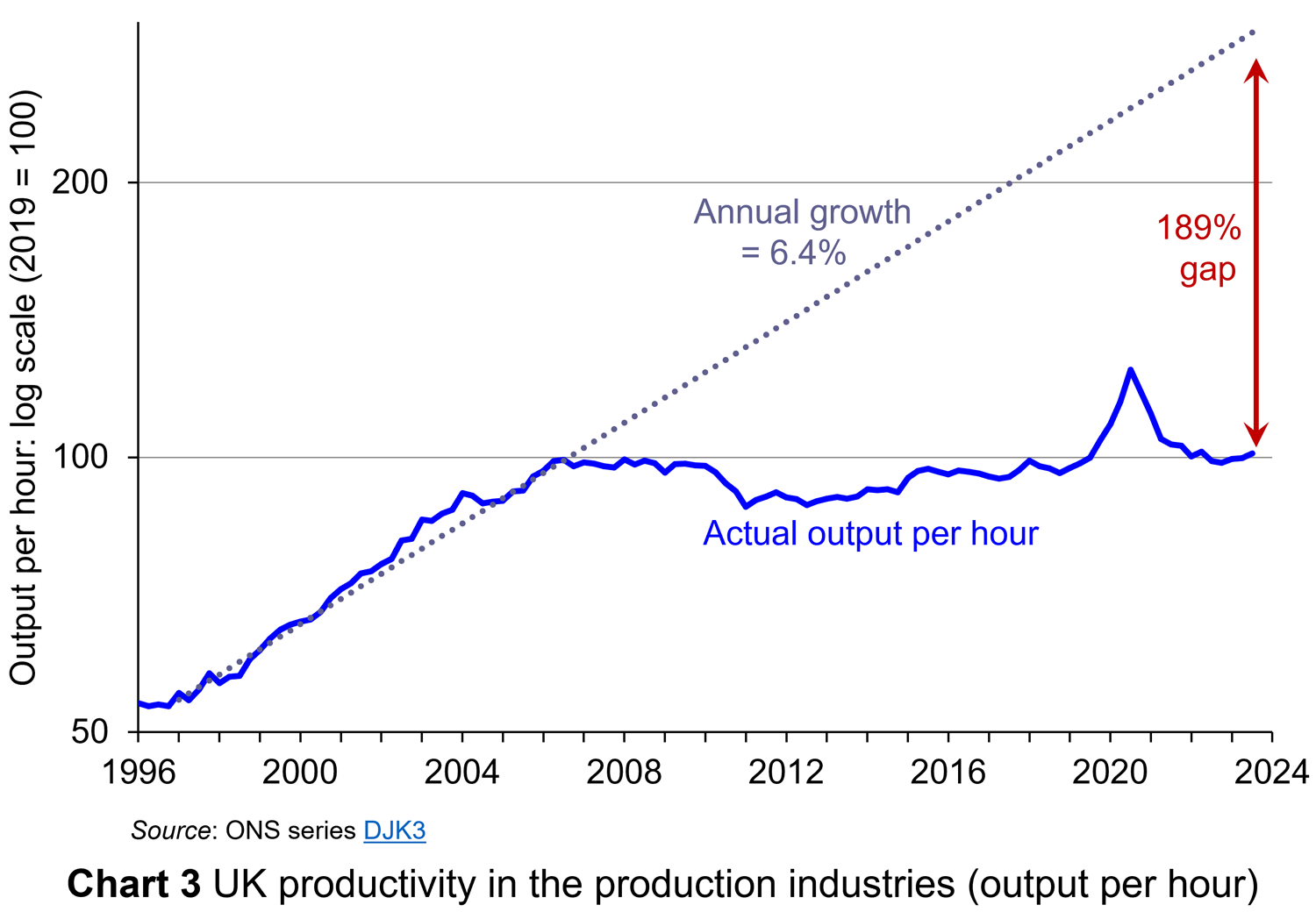 This is a key issue for the government – how to encourage a growth in productivity. The UK’s record of productivity growth has been poor since 2008. The period from 1996 to 2006 saw an average annual growth in labour productivity of 6.4%. Since then, however, labour productivity has grown by an average annual rate of only 0.3%. This is illustrated in Chart 3 (click here for a PowerPoint). If the pre-2007 rate had continued to the end of 2023, labour productivity would be 189% higher. This would have made GDP per head today substantially higher. If GDP per head is to grow faster, then the underlying issue of a poor growth in labour productivity will need to be addressed.
Inequality and poverty
Then there is the issue of the distribution of national income. The UK has a high level of income inequality. In 2022 (the latest data available), the disposable income of the poorest 20% of households was £13 218; that for the richest 20% was £83 687.  The top 1% of income earners’ share of disposable income is just under 9.0%. (Note that disposable income is after income taxes have been deducted and includes cash benefits and is thus more equally distributed than original income.)
The poorest 20% have been hit badly by the cost-of-living crisis, with many having to turn to food banks and not being able to afford to heat their homes adequately. They are also particularly badly affected by the housing crisis, with soaring and increasingly unaffordable rents. Many are facing eviction and others live in poor quality accommodation. Simple growth rates in real GDP do not capture such issues.
Limited scope for growth policies
Fiscal policy has an important role in stimulating growth. Conservatives stress tax cuts as a means of incentivising entrepreneurs and workers. Labour stresses the importance of public investment in infrastructure, health, education and training. Either way, such stimulus policy requires financing.
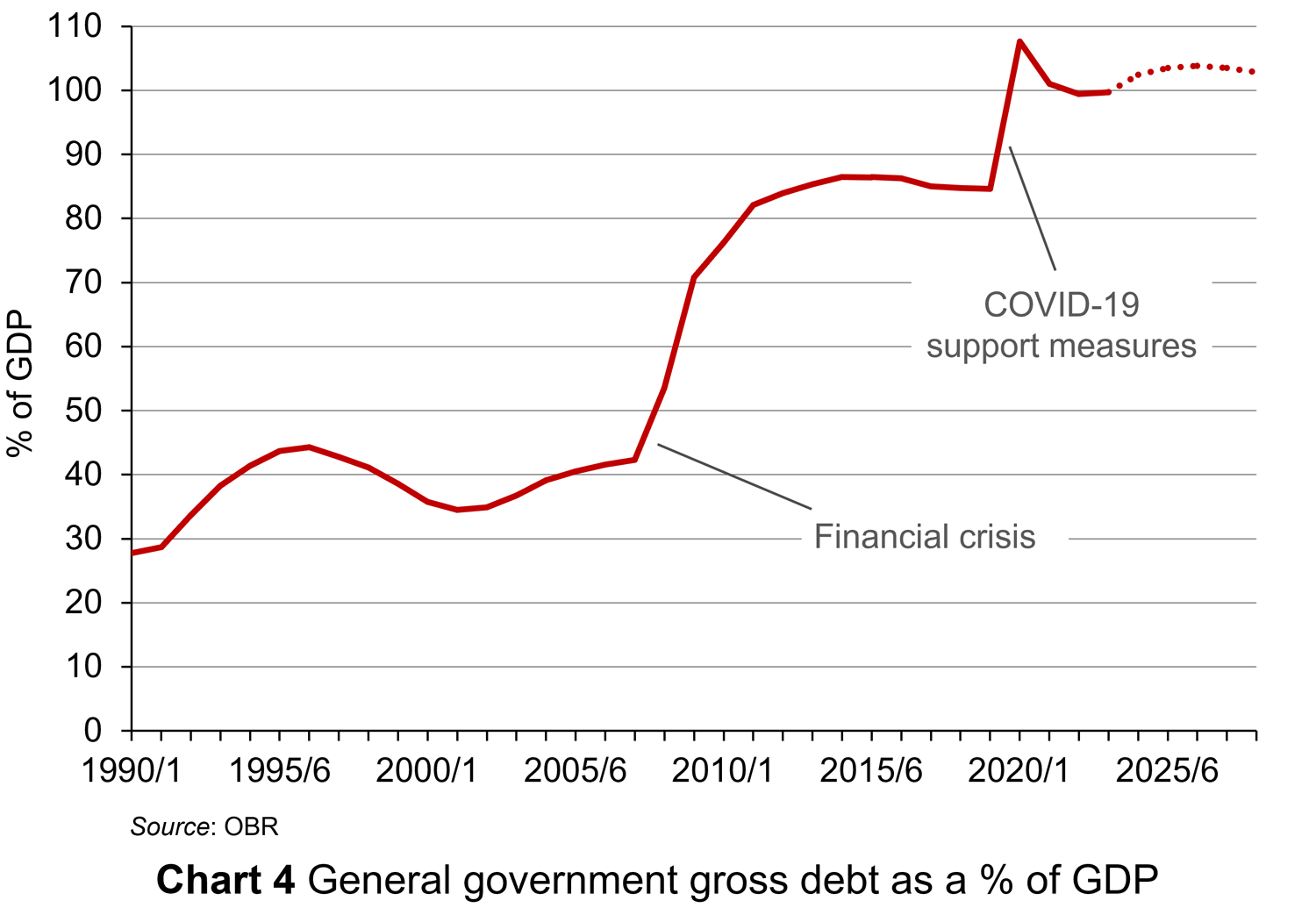 But, public finances have been under pressure in recent years, especially from COVID support measures. General government gross debt has risen from 27.7% of GDP in 1990/91 to 99.4% in 2022/23. This is illustrated in Chart 4 (click here for a PowerPoint). Although it has fallen from the peak of 107.6% of GDP in 2020/21 (during the COVID pandemic), according to the Office for Budget Responsibility it is set to rise again, peaking at 103.8% in 2026/27. There is thus pressure on the government to reduce public-sector borrowing, not increase it. This makes it difficult to finance public investment or tax cuts.
Measuring living standards
Questions about real GDP have huge political significance. Is the economy in recession? What will happen to growth in GDP over the coming months. Why has growth been sluggish in recent years? The implication is that if GDP rises, living standards will rise; if GDP falls, living standards will fall. But changes in GDP, even if expressed in terms of real GDP and even if the distribution of GDP is taken into account, are only a proxy for living standards. GDP measures the market value of the output of goods and services and, as such, may not necessarily be a good indicator of living standards, let alone well-being.
Produced goods and services that are not part of GDP
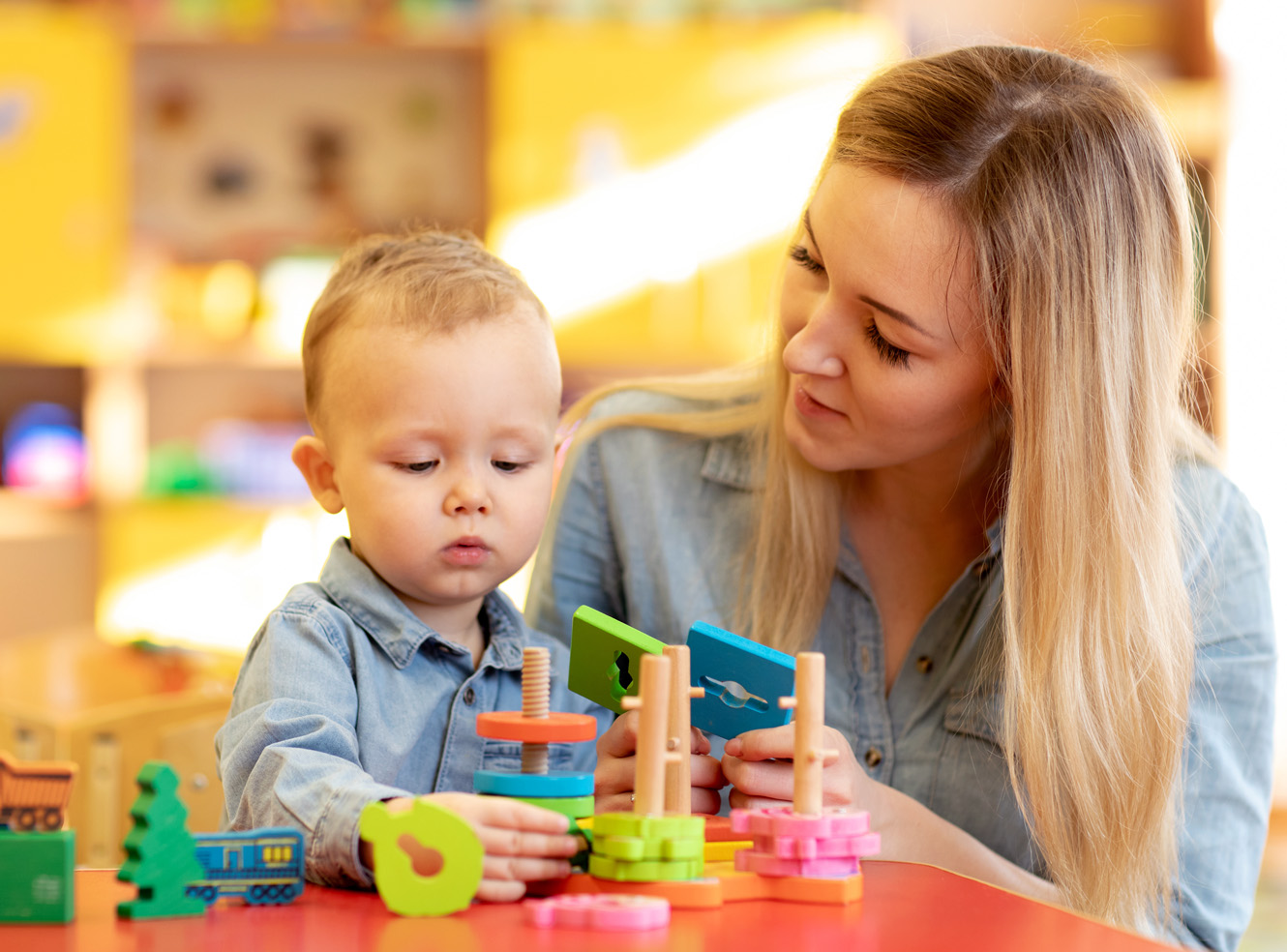 The output of some goods and services goes unrecorded. As we note in Economics, 11e (section 15.2), “If you employ a decorator to paint your living room, this will be recorded in the GDP statistics. If, however, you paint the room yourself, it will not. Similarly, if a childminder is employed by parents to look after their children, this childcare will form part of GDP. If, however, a parent stays at home to look after the children, it will not.
The exclusion of these ‘do-it-yourself’ and other home-based activities means that the GDP statistics understate the true level of production in the economy. If over time there is an increase in the amount of do-it-yourself activities that people perform, the figures will also understate the rate of growth of national output.” With many people struggling with the cost of living, such a scenario is quite likely.
There are also activities that go unrecorded in the ‘underground’ or ‘shadow’ economy: unemployed people doing casual jobs for cash in hand that they do not declare to avoid losing benefits; people doing extra work outside their normal job and not declaring the income to evade taxes; builders doing work for cash to save the customer paying VAT.
Externalities
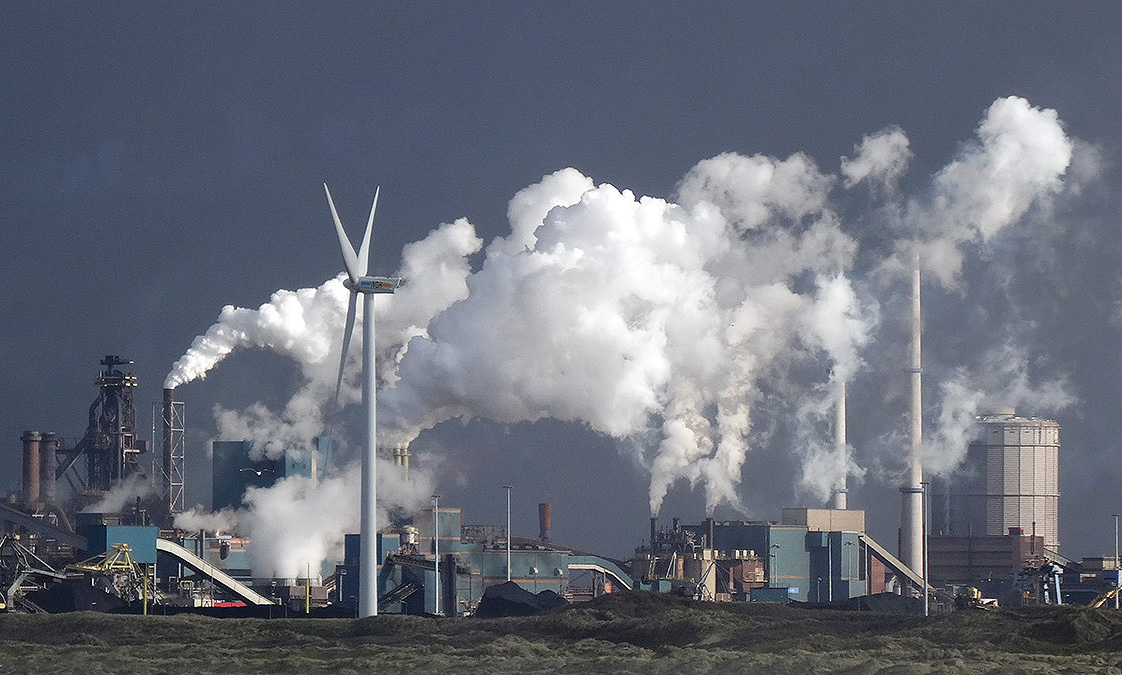 Large amounts of production and consumption involve external costs to the environment and to other people. These externalities are not included in the calculation of GDP.
If external costs increase faster than GDP, then GDP growth will overstate the rise in living standards. If external costs rise more slowly than GDP (or even fall), then GDP growth will understate the rise in living standards. We assume here that living standards include social and environmental benefits and are reduced by social and environmental costs.
Human costs of production
If production increases as a result of people having to work harder or longer hours, its net benefit will be less. Leisure is a desirable good, and so too are pleasant working conditions, but these items are not included in the GDP figures.
The production of certain ‘bads’ leads to an increase in GDP
 Some of the undesirable effects of growth may in fact increase GDP! Take the examples of crime, stress-related illness and environmental damage. Faster growth may lead to more of all three. But increased crime leads to more expenditure on security; increased stress leads to more expenditure on health care; and increased environmental damage leads to more expenditure on environmental clean-up. These expenditures add to GDP. Thus, rather than reducing GDP, crime, stress and environmental damage actually increase it.
Alternative approaches to measuring production and income
There have been various attempts to adjust GDP (actual or potential) to make it a better indicator of total production or income or, more generally, of living standards.
Index of Sustainable Economic Welfare (ISEW)
As Case Study 9.20 in the Essentials of Economics (9e) website explains, ISEW starts with consumption, as measured in GDP, and then makes various adjustments to account for factors that GDP ignores. These include:
- Inequality: the greater the inequality, the more the figure for consumption is reduced. This is based on the assumption of a diminishing marginal utility of income, such that an additional pound is worth less to a rich person than to a poor person.
- Household production (such as childcare, care for the elderly or infirm, housework and various do-it-yourself activities). These ‘services of household labour’ add to welfare and are thus entered as a positive figure.
- Defensive expenditures. This is spending to offset the adverse environmental effects of economic growth (e.g. asthma treatment for sufferers whose condition arises from air pollution). Such expenditures are taken out of the calculations.
- ‘Bads’ (such as commuting costs). The monetary expense entailed is entered as a negative figure (to cancel out its measurement in GDP as a positive figure) and then an additional negative element is included for the stress incurred.
- Environmental costs. Pollution is entered as a negative figure.
- Resource depletion and damage. This too is given a negative figure, in just the same way that depreciation of capital is given a negative figure when working out net national income.
Productive Capacities Index (PCI)
In 2023, the United Nations Conference on Trade and Development (UNCTAD) launched a new index to provide a better measure of countries’ economic potential. What the index focuses on is not actual GDP but potential output: in other words, ‘countries’ abilities to produce goods and deliver services’.
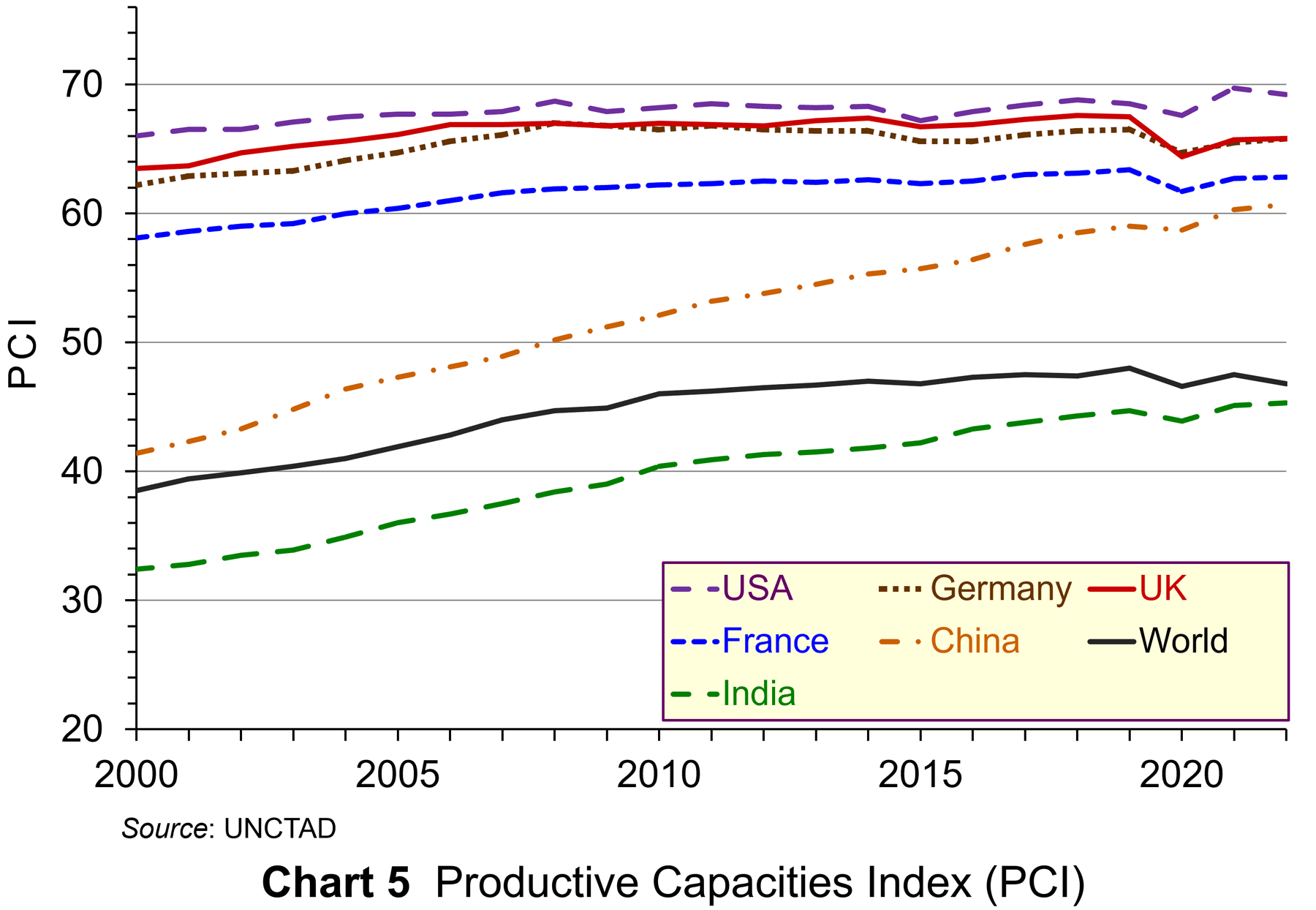 The PCI comprises 42 indicators under eight headings: human capital, natural capital, information and communication technology (ICT), structural change (the movement of labour and other productive resources from low-productivity to high-productivity economic activities), transport infrastructure, institutions (political, legal and financial) and the private sector (ease of starting businesses, availability of credit, ease of cross-border trade, etc.). It covers 194 economies since 2000 (currently to 2022). As UNCTAD states, ‘The PCI can help diagnose the areas where countries may be leading or falling behind, spotlighting where policies are working and where corrective efforts are needed.’ Chart 5 shows the PCI for various economies from 2000 to 2022 (click here for a PowerPoint).
The UK, with a PCI of 65.8 in 2022, compares relatively favourably with other developed countries. The USA’s PCI is somewhat higher (69.2), as is The Netherlands’ (69.8); Germany’s is the same (65.8); France’s is somewhat lower (62.8). The world average is 46.8. For developing countries, China is relatively high (60.7); India’s (45.3) is close to the developing country average of 43.4.
Looked at over a longer time period, the UK’s performance is relatively weak. The PCI in 2022 (65.8) was below that in 2006 (66.9) and below the peak of 67.6 in 2018.
GDP and well-being
GDP is often used as a proxy for well-being. If real GDP per head increases, then it is assumed that well-being will increase. In practice, people’s well-being depends on many factors, not just their income, although income is one important element.
The UK Measuring National Well-being (MNW) programme
 The MNW programme was established in 2010. This has resulted in Office for National Statistics developing new measures of national well-being. The ONS produces statistical bulletins and datasets with its latest results.
The aim of the programme is to provide a ‘fuller picture’ of how society is doing beyond traditional economic indicators. There are currently 44 indicators. These are designed to describe ‘how we are doing as individuals, as communities and as a nation, and how sustainable this is for the future’. The measures fall within a number of categories, including: personal well-being, relationships, health, what we do, where we live, personal finance, the economy, education and skills, governance and the natural environment.
Conclusions
In the light of the limitations of GDP as a measure of living standards, what can we make of the news that the UK entered recession in the last half of 2023? It does show that the economy is sluggish and that the production of goods and services that are included in the GDP measure declined.
But to get a fuller assessment of the economy, it is important to take a number of other factors into account. If we are to go further and ask what has happened to living standards or to well-being, then we have to look at a range of other factors. If we are to ask what the latest figures tell us about what is likely to happen in the future to production, living standards and well-being, then we will need to look further still.
Articles
- Britain falls into recession, with worst GDP performance in 2023 in years
CNN, Hanna Ziady (15/2/24)
- UK economy slipped into recession in 2023
Financial Times, Valentina Romei and George Parker (15/2/24)
- UK economy fell into recession after people cut spending
BBC News, Dearbail Jordan & Faisal Islam (15/2/24)
- Should we care that the UK is in recession?
BBC News, Faisal Islam (15/2/24)
- UK tips into recession in blow to Rishi Sunak
The Guardian, Richard Partington (15/2/24)
- Britain is in recession… and huge immigration has been masking how much poorer we’re getting
MSN, James Tapsfield (15/2/24)
- This isn’t a “mild” recession
The New Statesman, Duncan Weldon (15/2/24)
- UK middle classes ‘struggling despite incomes of up to £60,000 a year’
The Guardian, Larry Elliott (20/2/24)
- What is GDP and how is it measured?
BBC News (15/2/24)
- World at One (from 7’00” to 25’14”)
BBC Sounds, Torsten Bell and Norman Lamont (15/2/24)
- Does High GDP Mean Economic Prosperity?
Investopedia, Lisa Smith (29/9/23)
- A critical assessment of GDP as a measure of economic performance and social progress
Carnegie UK, Cressida Gaukroger (June 2023)
- When it comes to measuring economic welfare, GDP doesn’t cut it
Marketplace, Kai Ryssdal and Maria Hollenhorst (1/9/23)
- UNCTAD launches new index for countries to better measure economic potential
UNCTAD News (20/6/23)
- Redefining Economic Growth for a Climate-Conscious World
Forbes, Judah Taub (28/9/23)
- Bobby Kennedy on GDP: ‘measures everything except that which is worthwhile’
The Guardian, Simon Rogers (24/5/12)
- A guide to the UK National Accounts: Satellite Accounts
ONS (6/3/20)
Data and Analysis
- GDP first quarterly estimate, UK: October to December 2023
ONS (15/2/24)
- GDP (Average) per head, q-on-q4 growth rate CVM SA % (series N3Y8)
ONS
- Gross domestic product (Average) per head, CVM market prices: SA (series IHXW)
ONS
- GDP per capita, current prices (UK)
IMF
- Productive capacities index, annual, 2000-2022
UNCTAD
- The Scale of Economic Inequality in the UK
The Equality Trust (2023)
- Living standards, poverty and inequality in the UK: 2023
IFS, Sam Ray-Chaudhuri, Tom Waters, Thomas Wernham and Xiaowei Xu (July 2023)
- Quarterly personal well-being estimates – seasonally adjusted
ONS
Questions
- Using GDP and other data, summarise the outlook for the UK economy.
- Why is GDP so widely used as an indicator of living standards?
- Explain the three methods of measuring GDP?
- What key contributors to living standards are omitted from GDP?
- What are the ONS Satellite Accounts? Are they useful for measuring living standards?
- Assess the UK’s economic potential against each of the eight category indices in the Productive Capacities Index.
- What is the difference between ‘living standards’ and ‘well-being’?
 We rely on the natural environment as a source of food and raw materials, for recreation and health and as a dump for waste. Yet, too often, little or no monetary value is placed on the environment. GDP, the standard measure of economic success, is based on market values; and the market undervalues the environment. The prices of the goods we buy bear little relationship with the environmental costs of their production. And yet we all bear the costs (some more than others) as the planet warms, as rain forests are cut down, as seas become polluted and as biodiversity is destroyed.
A major study commissioned by the UK government has just been published. The Economics of Biodiversity: The Dasgupta Review looks at how we need to rethink the value we attach to nature and embed that within economic decisions. As the Review begins by saying, ‘We are part of Nature, not separate from it’. Nature is an asset on which we all depend and yet is is hugely undervalued. The Amazon rainforest is seen by developers as valuable only for clearance for cattle, soy or mining. In these terms, Amazon the company, valued at over US$1 trillion, is worth more than the Amazon rainforest. As page 2 of the Headline Messages states:
Nature’s worth to society – the true value of the various goods and services it provides – is not reflected in market prices because much of it is open to all at no monetary charge. These pricing distortions have led us to invest relatively more in other assets, such as produced capital, and underinvest in our natural assets.
 Moreover, aspects of Nature are mobile; some are invisible, such as in the soils; and many are silent. These features mean that the effects of many of our actions on ourselves and others – including our descendants – are hard to trace and go unaccounted for, giving rise to widespread ‘externalities’ and making it hard for markets to function well.
But this is not simply a market failure: it is a broader institutional failure too. Many of our institutions have proved unfit to manage the externalities. Governments almost everywhere exacerbate the problem by paying people more to exploit Nature than to protect it, and to prioritise unsustainable economic activities. A conservative estimate of the total cost globally of subsidies that damage Nature is around US$4 to 6 trillion per year. And we lack the institutional arrangements needed to protect global public goods, such as the ocean or the world’s rainforests.
The Review urges a complete rethinking of environmental value. We need to recognise that we are embedded in Nature and that biodiversity has intrinsic worth – perhaps even moral worth. Only this way can correct economic decisions be made.
To detach Nature from economic reasoning is to imply that we consider ourselves to be external to Nature. The fault is not in economics; it lies in the way we have chosen to practise it.
Policy recommendations
The Review highlights some specific policies that can be adopted to attach value to the environment. It makes three major recommendations.
- Ensure that our demands on Nature do not exceed its supply, and that we increase Nature’s supply relative to its current level. This involves countries and their citizens accepting that they are stewards of the land, seas and atmosphere. This means making conservation central to decision making in areas such a food production, raw material extraction, energy generation and recycling. A range of policy instruments can be used, including taxes and subsidies, laws and regulations, public investment and provision of services.
 Change our measures of economic success to guide us on a more sustainable path. This would involve amending measures, such as GDP, to include environmental degradation (-ve) and improvement (+ve) and national wealth to include all natural assets, such as biodiversity and land, air, sea and water quality. This would involve ‘natural capital accounting’. This, in turn, would be helped by global standardised presentation of data and modelling approaches, and the provision of data on the environment by statistical agencies.
- Transform our institutions and systems – in particular our finance and education systems – to enable these changes and sustain them for future generations. Institutional arrangements should be put into place that allow the pooling of environmental information at local, national and global levels. Then there will need to be international subsidies to countries with environments that should be protected for the global good (e.g. rainforests) and international charges for the use of global common resources, such as oceans and the atmosphere. ‘What is ultimately required is a set of global standards underpinned by credible, decision-grade data, which businesses and financial institutions can use to fully integrate Nature-related considerations into their decision-making, and assess and disclose their use of, and impact on, Nature.’ But this must also be backed up by education so as to encourage people to be more conservationist in their behaviour and attitudes.
It is hoped that the Review will be a major focus of two upcoming United Nations conferences: on Biological Diversity (COP15) in Kunming, China in May 2021 and on Climate Change (COP26) in Glasgow in November 2021. The authors of the Review hope that these conferences will set new environmental commitments and establish the necessary institutional arrangements to ensure such commitments are met. This will involve changing the approach to economic decision making at all levels in society.
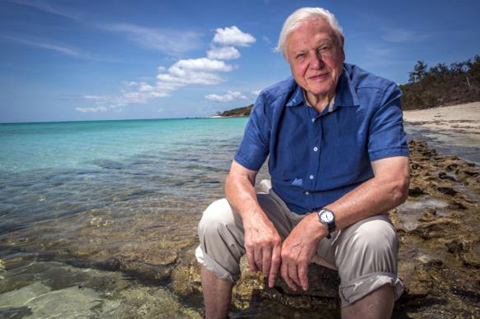 As Sir David Attenborough states in his foreword to the Review,
Economics is a discipline that shapes decisions of the utmost consequence, and so matters to us all. The Dasgupta Review at last puts biodiversity at its core and provides the compass that we urgently need. In doing so, it shows us how, by bringing economics and ecology together, we can help save the natural world at what may be the last minute – and in doing so, save ourselves.
Articles
The Dasgupta Review
Questions
- To what extent is the Dasgupta Review an updated version of the Stern Review of 2006?
- Draw a diagram to illustrate how the existence of negative externalities will lead to production levels above the social optimum.
- To what extent is Nature a public good?
- What is meant by the ‘tragedy of the commons’? How is it relevant to the exploitation of Nature?
- How could market incentives be changed by governments so as to halt the loss of biodiversity?
- Following an international agreement to protect the natural environment, what sanctions could be imposed on countries or companies which violate the agreement? How effective would they be?