 With relentless bombing of Iran by Israel and the USA, and with Iranian counterattacks on Gulf states, the costs of the war are mounting. The most obvious are in terms of human lives, injuries and suffering. But there are significant economic costs too. Some of these are immediate, such as the rising price of oil and hence the costs of fuel, or the fall in stock market prices. Some will be longer term, depending on how the war develops. For example, prices could rise more generally as supply chains are disrupted.
 The impacts will vary across the world and across markets. The most obvious markets to be affected are those where significant supply comes from the Persian Gulf. Approximately 20% of total global oil consumption passes through the Strait of Hormuz, which connects the Persian Gulf with the Arabian Sea and the Indian Ocean.
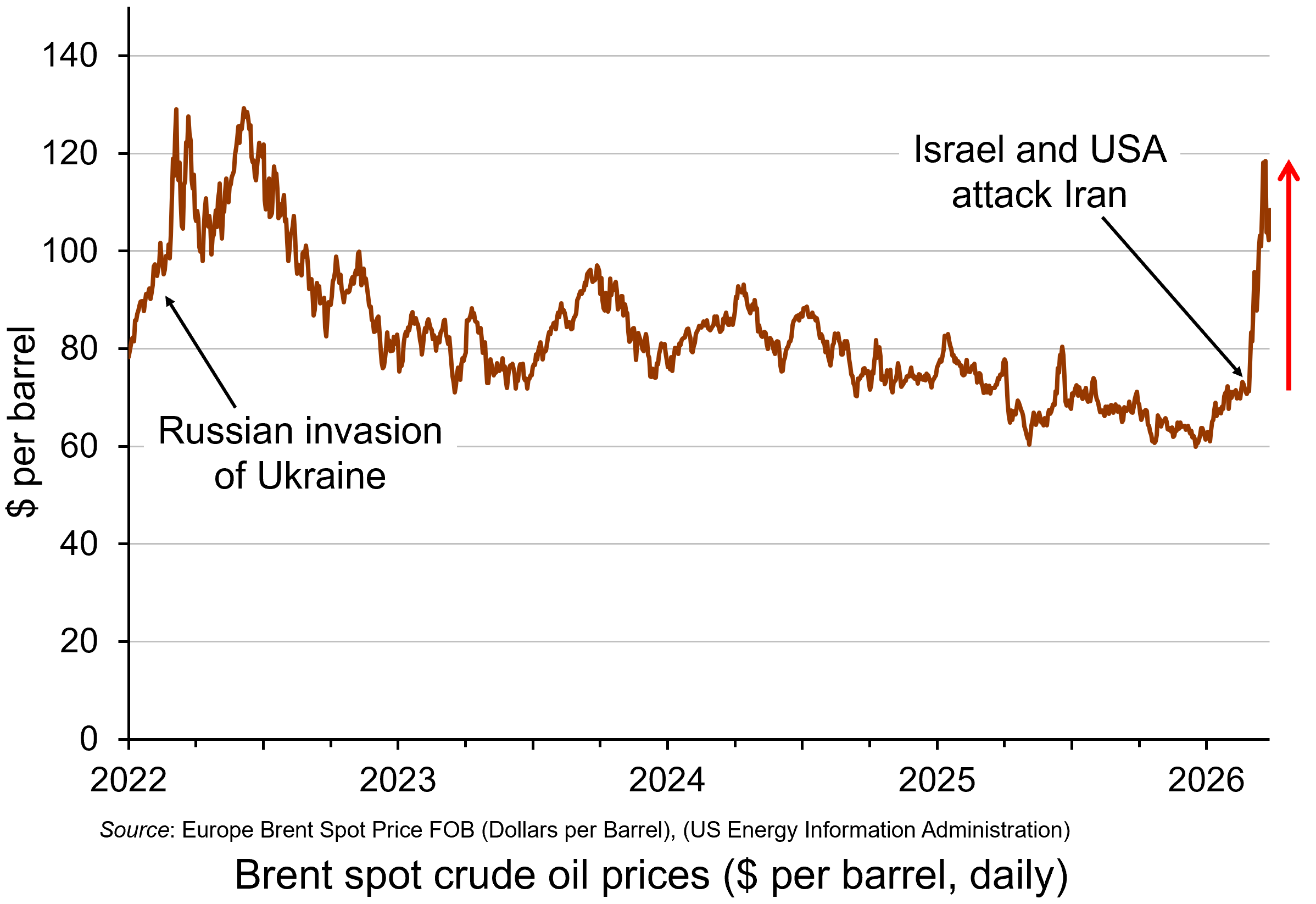
Oil prices rose considerably in the days following the start of the war on 28 February, with Brent crude, a key measure of international oil prices, rising from $71.3 on 27 February to a peak of $119.4 per barrel by the morning of 9 March – a rise of 67%. It was possible that they would rise even further in the short term. However, prices fell back substantially later on 9 March after G7 finance ministers declared that the group ‘stands ready’ to release oil from strategic reserves if needed. By late in the day, the price had fallen to below $85. (Click here for a PowerPoint of the chart.)
However, despite the announcement on 11 March that 32 countries had agreed to release 400m barrels of oil reserves, oil prices began rising again and reached $100 on 12 March after three tankers had been struck in the Gulf, two of them close to the Strait of Hormuz. With Iran pledging to keep the Strait closed, there were worries that the release of oil reserves would provide only temporary relief. Just over 20m barrels of oil normally pass through the Strait of Hormuz. The 400m barrels released from storage is the equivalent, therefore, of only 20 days’ worth of lost oil from the Gulf.
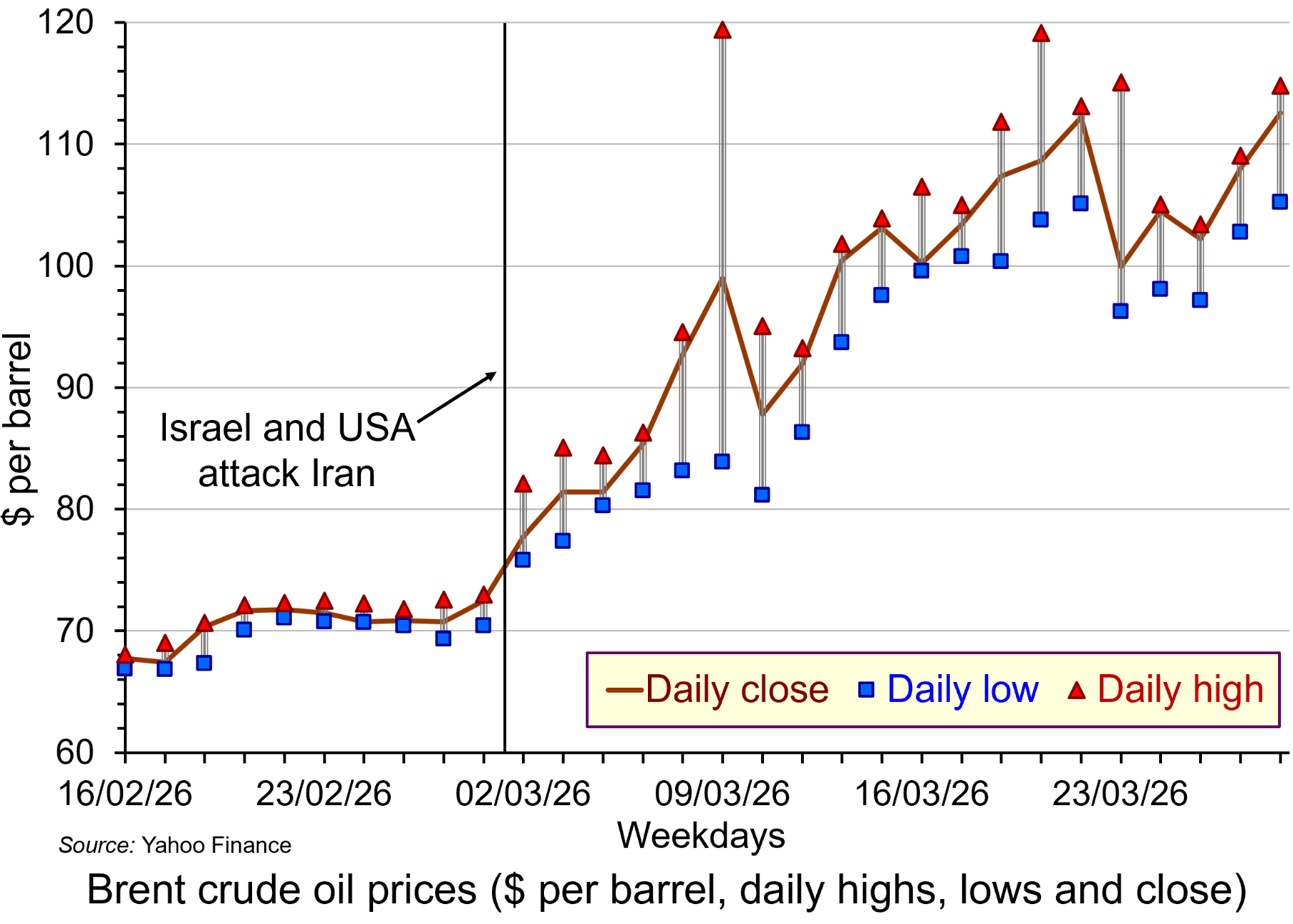 Not only did oil prices rise, but the price became much more volatile as markets reacted to the news on a continuous basis. Intra-day fluctuations in oil prices of several percentage points became typical, reflecting shifting expectations. The second chart shows daily fluctuations, with the highest and lowest prices for each day shown, along with the closing price. (Click here for a PowerPoint.)
The biggest fluctuation had been on 9 March when fears of the closing of the Strait of Hormuz saw the price of Brent crude rising to nearly $120 but falling to around $84 later in the day (a fall of around 30%) after the G7 announcement about releasing reserves.
There was another big fluctuation on 23 March. The previous day (Sunday), President Trump threatened to bomb Iran’s power plants if Iran did not allow free passage of ships through the Strait of Hormuz. Iran threatened to retaliate by striking Gulf countries’ energy and water systems. In early trading on Monday 23rd, Brent crude rose to over $115 per barrel. But later that day, Trump said that there had been constructive talks between the USA and Iran. The oil price immediately dropped to around $96 – a fall of 17% – before settling at around $100.
 Rising oil prices will drive up inflation. For those countries with a heavy dependence on Gulf oil, particularly countries in Asia, there could be significant supply problems. For oil exporters in the Persian Gulf, with tankers unable to traverse the Strait of Hormuz, the economic impact is huge. Oil exporters outside the Gulf, such as Russia, Norway and Canada, however, will gain from the higher prices. Clearly the size of these effects will depend on how long the conflict continues and how long the Strait of Hormuz remains closed.
And it is not just oil that is affected. Other products, such as liquified natural gas (LNG), petrochemicals, industrial materials, fertilizers for food production, medicines, helium for microchip production, metals and minerals are transported through the Strait of Hormuz. Gulf countries import much of their food through the Strait. On 18 March, Israel struck Iran’s huge South Pars gas field off the Gulf coast. This is the largest gas field in the world and is a major source of export revenue for Iran. Iran responded by striking the Qatari gas hub in Ras Laffan. Donald Trump responded by threatening to ‘blow up’ the entire Iranian South Pars gas field if Iran made further strikes on Qatar. The effect of this escalation was to drive oil and gas prices up further. By the week ending 20 March, the oil price closed at just over $112 per barrel.
Cuts in supplies of oil and other products represent an adverse supply shock. Such shocks push up prices (cost-push inflation), while adversely affecting aggregate output. This can lead to stagflation – a combination of higher inflation and stagnation or even falling output. Central banks with a simple mandate to keep inflation to a target are likely to raise interest rates, or at least delay in reducing them. In the USA, with a dual mandate of controlling inflation but also maximising employment, the response may be less deflationary, depending on the judgement of the Federal Reserve.
Uncertainty
 There is great uncertainty about how long the conflict will last. There is also a lack of clarity and consistency from the US administration about its war aims. This uncertainty has affected financial markets, which have seen considerable volatility. Stock markets have seen widespread falls, with airline, travel and AI-heavy stocks being particularly vulnerable.
If the war is concluded relatively swiftly, the economic effects could be relatively small. If the war continues, and especially if the Gulf countries are drawn further into the conflict and if the conflict spreads to other countries, the economic effects could be much more substantial. A prolonged conflict could see oil prices remaining above $100 per barrel, potentially increasing global inflation by 1 percentage point or more. This would slow or halt the move by central banks to cut rates and thereby reduce global economic growth – potentially, as we have seen, leading to stagflation.
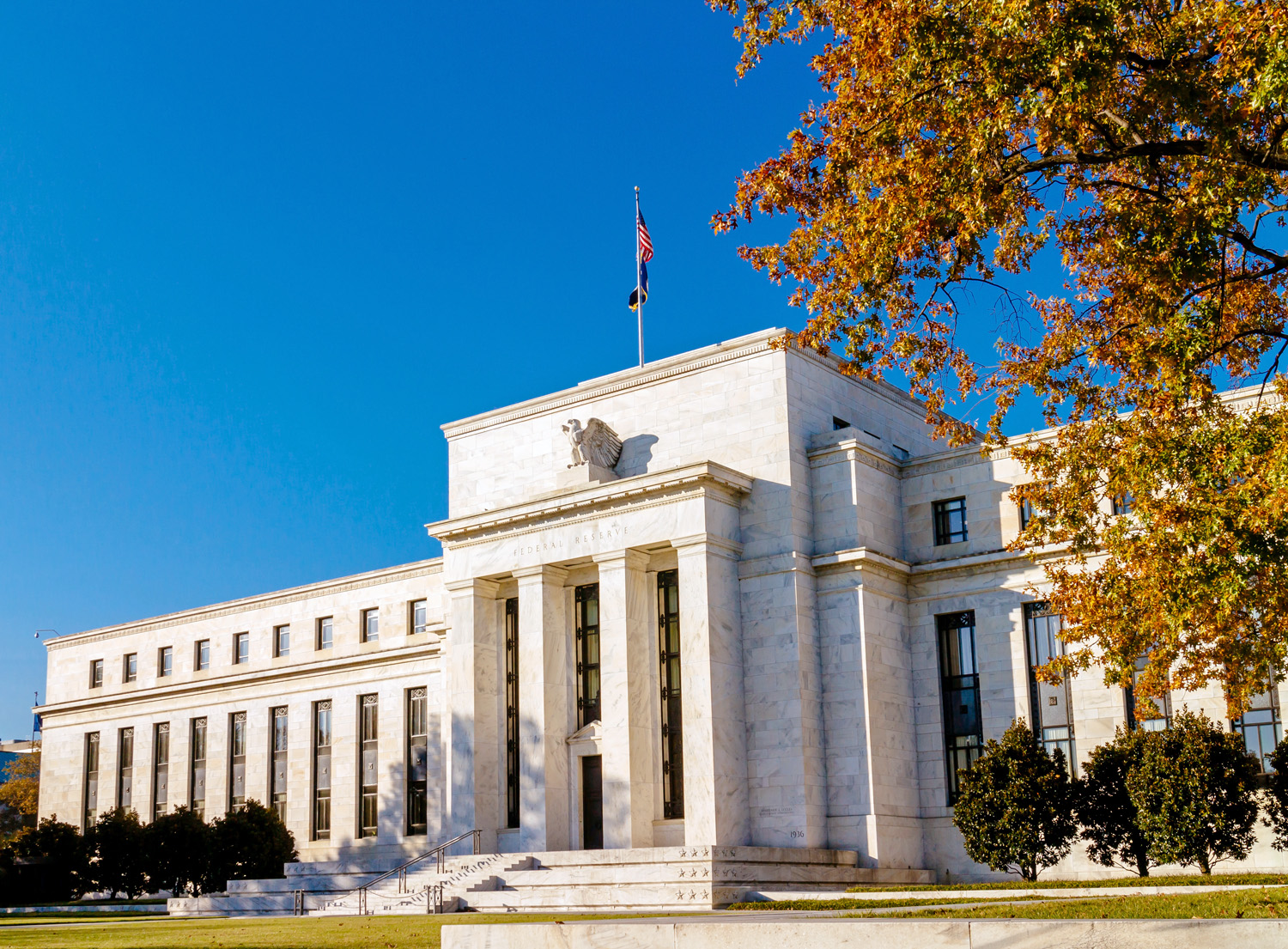 The uncertainty was reflected in the decision of the Fed to keep interest rates unchanged at its meeting on 17/18 March. The Fed has the twin targets of keeping inflation close to 2% and maximising employment. Fed Chair, Jay Powell, acknowledged the current tension between the two goals: ‘upward risks for inflation and downward risks for employment, and that puts us in a difficult situation’. He also recognised that the future for inflation and the economy was highly uncertain as the war developed. This made interest rate setting difficult.
Then there is the issue of a potential new international refugee crisis. If the economic and political system in Iran deteriorates rapidly, this could trigger a wave of migration to neighbouring countries, such as Turkey, already hosting large numbers of refugees. Many could seek sanctuary further afield in Europe, with several countries already facing a backlash against immigration. The political and economic effects of this on host countries could be significant – but as yet, highly uncertain.
Articles
- Assessing the global economic impact of the Middle East war
- How the Hormuz closure could affect food, medicines and smartphones
- How will the Iran war affect the global economy?
- ‘The stakes are enormous’: how a prolonged Iran war could shock the global economy
- Iran war is latest threat to a global economy rattled by Trump
- Why an Iran war inflation shock could wreck global economic recovery
- Why has the Iran war sparked fears of stagflation for the global economy?
- Why the price of oil matters more than you might think
- Strait of Hormuz: Factsheet
- Could this energy crisis be worse for the global economy than COVID?
- Faisal Islam: Oil price spiral may be slowed but not stopped by G7 emergency move
- What on earth is going on with the oil price?
- Asia scrambles to confront energy crisis unleashed by Iran war – with no end in sight
- The grim choice facing the Trump administration: Economic or naval collapse?
- Israel strikes Iran’s South Pars gasfield hours after forces kill intelligence minister
- What Fed Chair Jerome Powell said — and didn’t say — about the oil crisis
- What strikes on the world’s largest natural gas sites could do to the global economy
- How the Iran Conflict May Fuel a New International Refugee Crisis
- Iran’s neighbours brace for fallout as war threatens new refugee crisis
ING, Carsten Brzeski, Warren Patterson, James Knightley and Deepali Bhargava (5/3/26)
BBC News Verify, Ben Chu (27/3/26)
Chatham House, Neil Shearing (6/3/26)
The Guardian, Richard Partington (22/3/26)
Aljazeera, John Power (7/3/26)
The Guardian, Phillip Inman and Kalyeena Makortoff (8/3/26)
The Guardian, Luca Ittimani (9/2/26)
BBC News, Natalie Sherman and Mitchell Labiak (10/3/26)
IEA (February 2026)
The Conversation, Adi Imsirovic (26/3/26)
BBC News, Faisal Islam (9/3/26)
BBC News, Jemma Crew (12/3/26)
The Guardian, Callum Jones (12/3/26)
CNN, Phil Mattingly and Zachary Cohen (9/3/26)
The Guardian, Lorenzo Tondo and William Christou (18/3/26)
Yahoo Finance, Jake Conley (19/3/26)
CNN, Hanna Ziady (19/3/26)
Forbes, Andy J Semotiuk (5/3/26)
Aljazeera, Abid Hussain (17/3/26)
Data
- Brent crude oil
- Brent crude
Trading Economics
Yahoo Finance
Report
- OECD Economic Outlook, Interim Report March 2026
OECD (26/3/26)
Questions
- Who are the biggest gainers and losers from disruption to oil supplies from the Persian Gulf?
- Illustrate the effect of the current oil price shock on an aggregate demand and supply diagram (either static or dynamic).
- Why is the Iranian war likely to be less damaging to the European economy than the Ukrainian war has been?
- Why have AI-related stock prices been vulnerable to the uncertainty caused by the Iranian war?
- How have the Bank of England and the Federal Reserve Bank responded to higher oil prices and the broader economic effects of the war? Why might their responses be different in the coming months?
- What is the likely impact of the Iranian war on global economic recovery?
- How might the Iranian war affect global economic alliances?
- How is the current oil price shock likely to affect the eurozone? Will it be different from the oil price shock that followed the Russian invasion of Ukraine?
- What are the likely economic effects of large-scale migration caused by the war?
 The suffering inflicted on the Ukrainian people by the Russian invasion is immense. But, at a much lower level, the war will also inflict costs on people in countries around the world. There will be significant costs to households in the form of even higher energy and food price inflation and a possible economic slowdown. The reactions of governments and central banks could put a further squeeze on living standards. Stock markets could fall further and investment could decline as firms lose confidence.
 Russia is also a major producer of natural gas. The EU is particularly dependent on Russia, which supplies 40% of its natural gas. With Germany halting approval of the major new gas pipeline under the Baltic from Russia to Germany, Nord Stream 2, the price of gas has rocketed. On the day of the invasion, European gas prices rose by over 50%.
 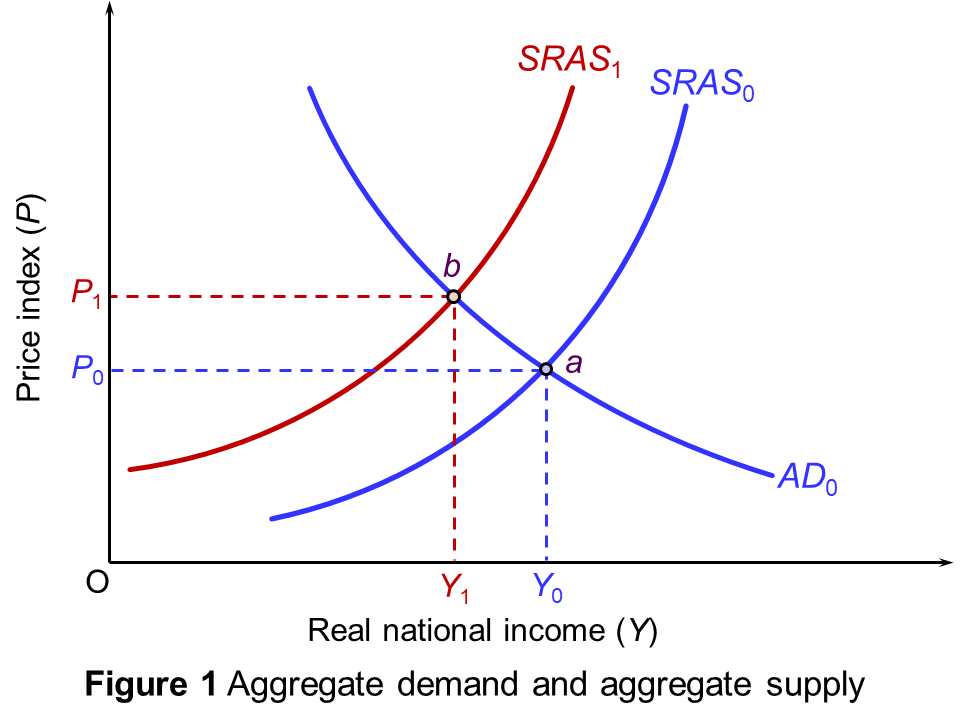 The effect of these supply shocks can be illustrated in a simple aggregate demand and supply diagram (see Figure 1), which shows a representative economy that imports energy, grain and other resources. Aggregate demand and short-run aggregate supply are initially given by AD0 and SRAS0. Equilibrium is at point a, with real national income (real GDP) of Y0 and a price index of P0.
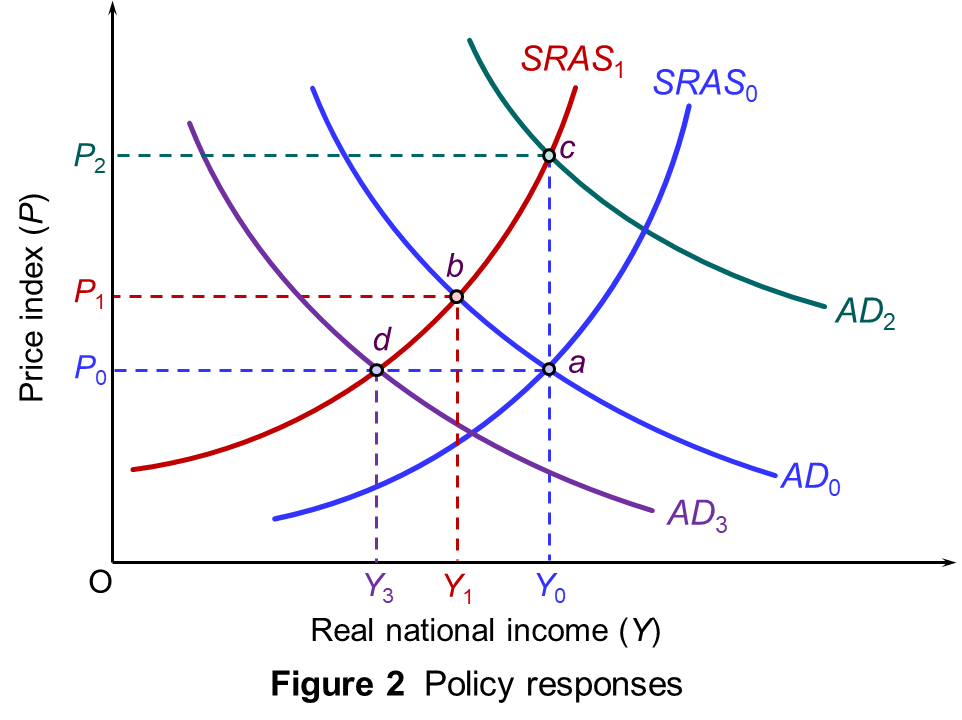 An expansionary policy, such as increasing bond purchases (quantitative easing) or increasing government spending, may help to avoid recession (at least temporarily), but will only exacerbate inflation. In Figure 2, aggregate demand shifts to AD2. Equilibrium moves to point c. Real GDP returns to Y0 (at least temporarily) but the price level rises further, to P2. (Click