 UK Supermarkets: a prime example of an oligopoly. This industry is highly competitive and over the past decade, but particularly since the onset of the credit crunch, price wars have been a constant feature of this market. You could barely watch a full programme on commercial TV without seeing one of the big supermarkets advertising that their prices were lower than everyone else’s! So, despite oligopoly being towards the ‘least competitive’ end of the market structure spectrum, this is an example of just how competitive the market can actually be.
With household incomes being squeezed, in particular by another oligopolistic industry (energy) and with the ‘middle market’ being pinched by higher-end retailers and budget retailers, the supermarket sector is facing uncertain times. Asda’s sales growth has continued to slow and in response, the giant supermarket chain will be launching a £1 billion price-cutting campaign. Tesco is the market leader, but Sainsbury’s and Asda have been battling over the second spot. One of Asda’s selling points is its low prices. Perhaps not as low as Aldi and Lidl, but this new pricing strategy will aim to bring its prices further below Tesco, Sainsbury’s and Morrisons and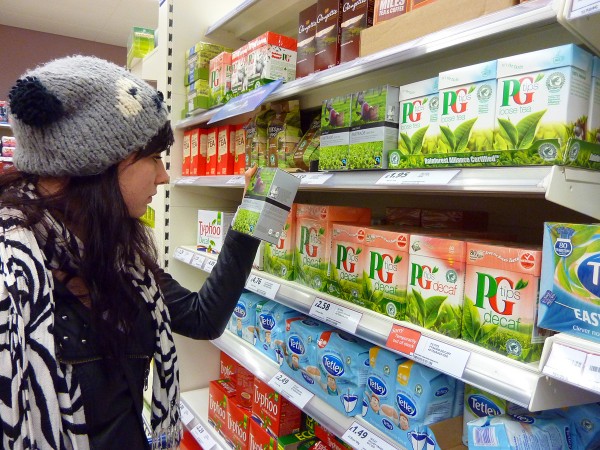 close the gap with the two big discount supermarkets. As Andy Clarke, Asda’s Chief Executive, said:
We regard ourselves as the UK’s leading value retailer and it is against this backdrop that I have today set out our strategic priorities which will improve, extend and expand the business over the next five years.
So, what will be the impact of lower prices? It appears as though Asda is marketing itself towards the budget end of the pricing spectrum, perhaps aiming to become fiercer competitors with Aldi and Lidl and let Tesco and Sainsbury’s do battle with the higher-end retailers, such as Waitrose and Marks and Spencer. Lower prices should cause a substitution effects towards Asda’s products, as many of them will have relatively price elastic demand. If the other supermarkets don’t respond, this should lead to sales growth. However, the key to an oligopoly is interdependence: the actions of one firm will affect all other firms in the market. The implications then, are that Tesco may react to this pricing strategy by engaging in its own price cuts, especially as the Christmas period approaches. The characteristic of interdependence was evident in the aftermath of Asda’s announcement when shares in Tesco and Morrisons both fell, showing how the markets were responding.
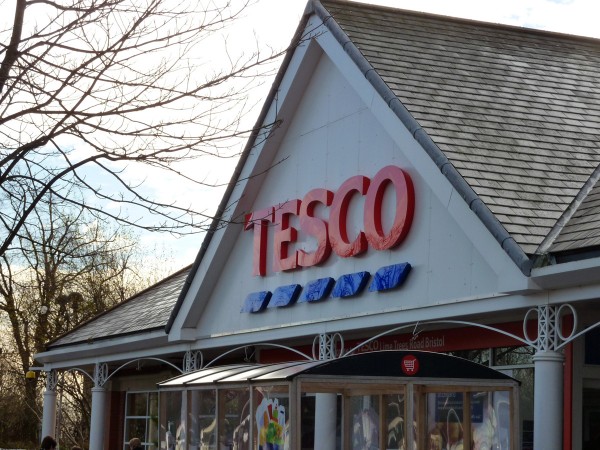 Of course, there are many other factors that affect a consumer’s decision as to whether to shop at Asda, Tesco or any other big supermarket. In the area where I live, we have a Tesco and a Morrisons (a few years ago, we had neither!). I don’t shop at Asda, as the nearest branch is over 30 miles away – even if prices were significantly lower, it would be more expensive to get there and back and a lot less convenient. For others, it may be loyalty and not just of the ‘I’ve shopped there all my life’ kind! For some, clubcard vouchers from Tesco may be preferred to Asda’s offerings and thus tiny price differences between the supermarkets may have little effect on a consumer’s decision as to where to shop. Many products at supermarkets are relatively cheap and thus as the proportion of our income that we spend on these goods is pretty low, any change in price doesn’t cause much of an effect on our demand.
It’s not just a pricing strategy where money is being invested by Asda. More investment will be going into their online services and more stores will be created, kin particular in London and the South East where their presence is low, but demand appears to be high. Improving ‘product quality, style and design’ will also be on the agenda, all with the aim of boosting sales growth and securing its position as the second largest retailer in the sector, perhaps with a long term aim of one day overtaking Tesco. The following articles consider the supermarket battleground.
Supermarket battle heats up as Asda announces £1bn price-cutting plan The Telegraph, Graham Ruddick (14/11/13)
 Sainsbury’s profits make it second biggest supermarket BBC News (13/11/13)
Asda to launch £1bn price-cut plan AOL, Press Association (15/11/13)
Asda takes fight to rivals with £1bn investment plan The Guardian, Angela Monaghan (14/11/13)
UK’s Asda promises £1 billion investment in price cuts Reuters (14/11/13)
Asda makes bid to woo shoppers with vow of five-year £1billion price war after it was overtaken in market share by Sainsbury’s Mail Online, Sean Poulter (15/11/13)
Sainsbury’s overtakes Asda on demand for its premium lines Independent, Simon Neville (14/11/13)
Asda to put £1bn into lowering prices over five years The Grocer, Thomas Hobbs (14/11/13)
Wal-Mart posts $3.7bn quarterly income BBC News (14/11/13)
Questions
- What are the key characteristics of an oligopoly?
- What is meant by a price war? Who benefits?
- How important is the concept of price elasticity of demand when deciding whether or not to cut the price of a range of products?
- Why is the proportion of income spent on a good a key determinant of the elasticity of demand of a product?
- How can market share be calculated?
- Many suggest that the ‘middle market’ of the supermarket sector is slowly disappearing. Why is this?
- How effective will Asda’s price cutting strategy be? Which factors will determine its effectiveness?
 A remarkable event took place in Venezuela on Friday 8th November. Soldiers, on the orders of the president, temporarily occupied a chain of shops run by a leading electrical retailer called Dakar. The shops were forced to cut the prices of their electrical appliances and five managers were arrested and accused of ‘hiking up’ prices.
Unsurprisingly, news of these lower prices spread very quickly and long queues rapidly appeared outside the stores as people hoped to buy plasma televisions, fridges and washing machines at bargain prices. On Sunday 9th November, the president, Nicolas Maduro, gave a televised address in which he condemned the owners of the stores and announced that he was going to ask the National Assembly to grant him extra powers so that he could extend price controls to all consumer goods. He stated that he would next turn his attention to stores selling toys, cars, textiles and shoes.
The use of price controls in Venezuela is not new and dates back to 2003 when they were first introduced by the then president Hugo Chavez. Initially the regulations were imposed on various foods and basic goods. For example, by 2009 maximum prices had been set for cooking oil, white rice, sugar, coffee, flour, margarine, pasta and cheese. Businesses often complained that the maximum prices set by the government were below the costs of production. For example after a maximum price of 2.15 Bolivares was placed on a kilo of rice, producers argued that the cost of producing a kilo of rice was 4.41 Bolivares.
 The impact of the maximum prices in Venezuela appears to have been exactly what the theories in the economics textbooks would have predicted – shortages, long queues of people waiting outside shops and a flourishing black market. An article on the shortage of toilet rolls has been discussed in a previous article on this news site: Shortages in Venezuela- what’s the solution? However this has not stopped the Venezuelan government extending the scheme and increasing the number of products that have maximum prices imposed on them. In 2011 Hugo Chavez argued that the policy was required because:
The market has…become a perverse mechanism where big monopolies, the big trans-nationals and the bourgeoise dominate and ransack the people.
Economics textbooks often include some analysis of the impact of price ceilings on a competitive market. The effects on consumer surplus, producer surplus and deadweight welfare are usually discussed. However the potential administrative costs are rarely considered. The Venezuelan case helps to illustrate how in practise these costs could be quite significant.
For example, in April 2012 price controls in Venezuela were extended to a range of 19 products including fruit juice, toilet paper, nappies, soap, detergent, deodorant, toothpaste, baby food, floor polish, mineral water and razor blades. This caused a reduction in prices of between 4% and 25%. However this did not simply mean setting 19 different maximum prices because the goods were all sold in different quantities or different package sizes. For example a tube of toothpaste could be purchased in 4 different sizes – 50ml, 75ml, 100ml and 150 ml. Therefore officials had to set 4 different figures. Nappies were sold in 12 different package sizes ranging from10 nappies/packet to78 nappies/packet. Once again this meant that the administrators had to set 10 different maximum prices just for nappies. In total across the 19 products government officials had to set prices for 616 different individual items!! Companies were given just one month to adjust to the new legislation.
Whenever maximum prices are imposed on a competitive market both frustrated buyers and sellers have an incentive to evade them and trade illegally. Therefore the government established a number of organisations in an attempt to make sure the prices were enforced. One agency is called The National Superintendency of Fair Costs and Prices or Sundecop. Officials from this agency were sent out to 82 retail outlets in April 2012 to try to make sure that firms were sticking to the new regulated prices. They also printed and handed out leaflets to the public informing them of the changes. Another agency is called ‘The Institute for the Defense of People’s Access to Goods and Services’ or ‘Indepabis’. This organisation launched a new strategy in June 2012 in order to monitor compliance. This included the creation of a network called the Friends of Indepabis which would act as an information point for members of the public to report illegal pricing. A new complaints phone line was also introduced.
If president Maduro is granted the power to extend maximum prices to all consumer products, then one can only begin to imagine the extra administrative costs involved with implementing the policy.
Venezuelan president Maduro ‘to expand price controls’ BBC News (11/11/13)
Venezuela sends in troops to force electronics chain to charge ‘fair’ prices NBC News (13/11/13)
Venezuela appliances crackdown spurs uncertainty ABC news (13/11/13)
Venezuela’s government seizes electronic goods shops BBC News (9/11/13)
Venezuelan government sends TROOPS into electronics chain to force them to sell goods at a “fair price” DailyMirror (10/11/13)
Shocher: Price Controls Lead to Shortages in Venezuela Free Advice, Robert Murphy (2/10/13)
Venezuelan Government Action against Overpricing Welcomed by Citizens, Manipulated by Media venezuelanalysis (12/11/13).
Questions
- Explain why a maximum price imposed on a competitive market might generate a shortage. Draw a diagram to illustrate and explain your answer.
- Are there any circumstances when a maximum price would not cause a shortage in a competitive market?
- Analyse the impact of a maximum price on consumer surplus, producer surplus and deadweight welfare loss. Assume the market is competitive and clearly state any other assumptions you have made in your analysis. Comment on the impact of the price ceiling on economic efficiency.
- Illustrate and explain what would happen to consumer surplus and deadweight welfare loss if the available goods for sale were only purchased by the consumers with the lowest willingness to pay.
- Why might a maximum price lead to a flourishing black market?
- The former president, Hugo Chavez, argued that the price regulations were required because “big monopolies… ransack the people”. Using economic theory discuss this statement. Examine the impact of a maximum price on a pure monopoly.
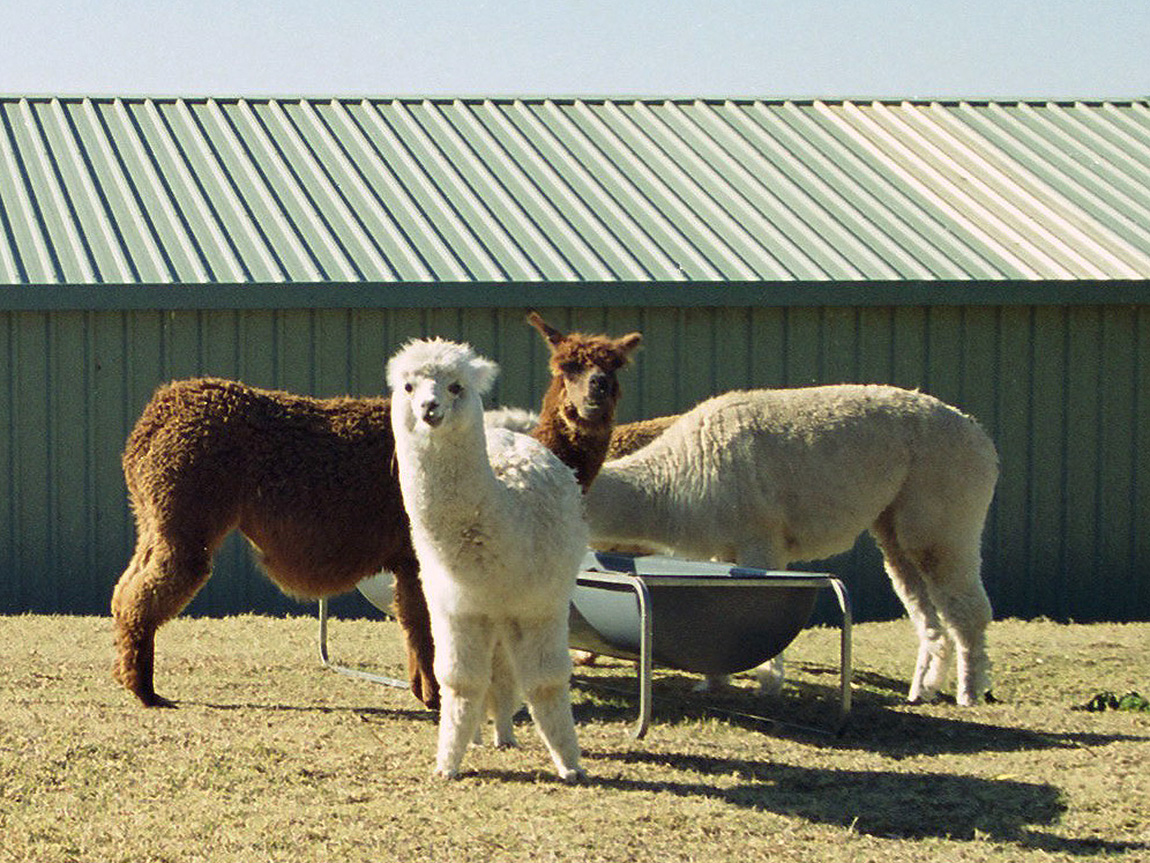
 A bumper harvest should be good news for farmers – but not if it drives down prices. This is the position facing many Australian farmers. After a relatively wet summer a year ago and a mild winter this year, crop yields have soared. But the prices farmers can get in wholesale markets have been so low that many have resorted to setting up their own farm shops or selling in farmers’ markets or from the backs of ‘utes’ (utility vehicles, i.e. pickup trucks) or at roadside stalls.
And the supply problem is not just one of increased domestic supply: cheap food imports, often of inferior quality, have been flooding into Australia. Increasing food exports,  especially to Asia, would help Australian farmers, but here again there is competition in these markets from other countries.
The problem of increased Australian supply is even more serious for Australian farmers in areas where harvests have not been so good. Australia is a huge country and conditions, although generally favourable this year, have been poor in some areas. Here farmers face the double disaster of low output and low prices.
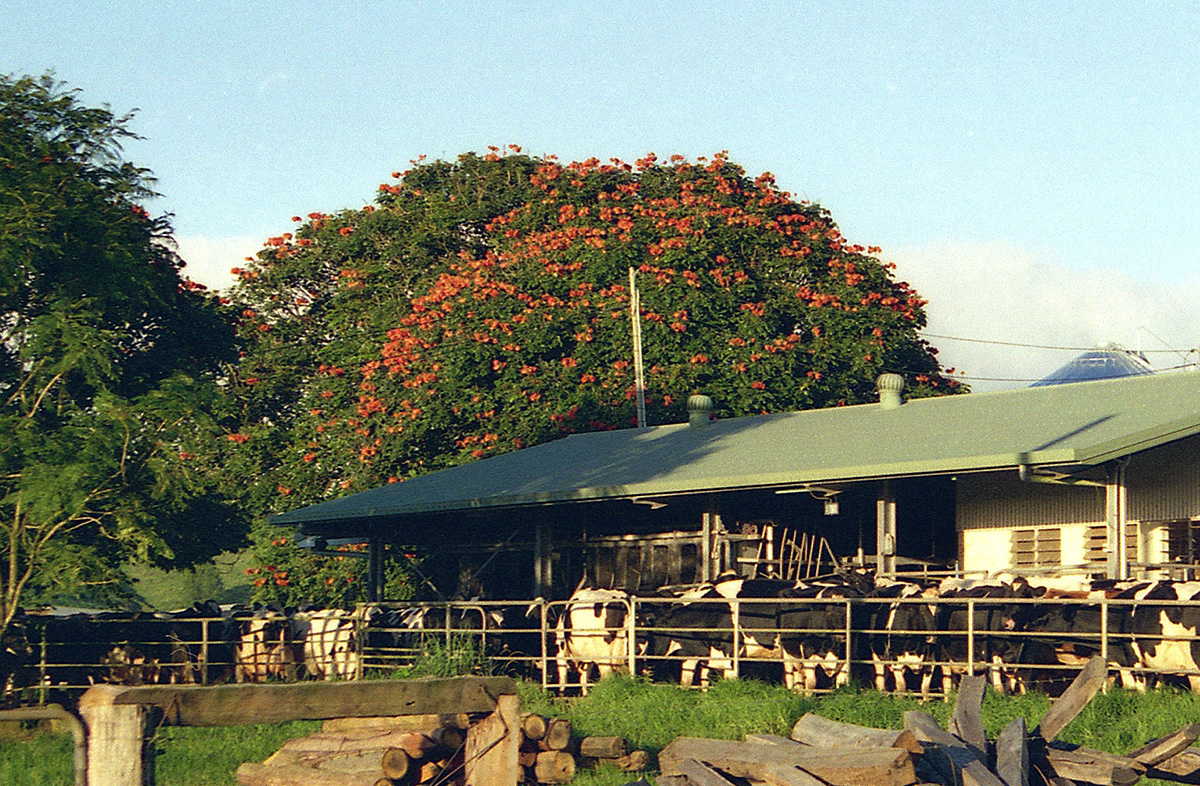
Australian dairy farmers too are facing problems of falling prices. Price deregulation and the monopsony power of supermarkets have driven down 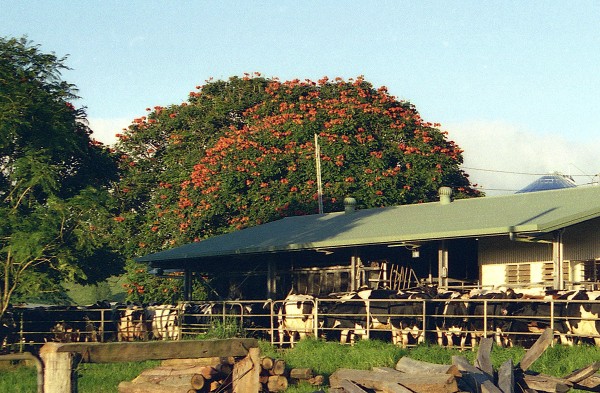 the price of milk and other dairy products. Since deregulation in 2000, the number of dairy farms has halved, as many smaller family farms go out of business and larger ‘industrial-scale’ farms grow.
So are there any solutions? The BBC article looks at things being done in Tasmania to help small farmers, but questions whether small farmers have much of a future more generally in Australia?
Articles
Australia’s small farmers struggling with low prices BBC News, Phil Mercer (31/10/13)
Commodity prices edge lower in October Sky News Australia (1/11/13)
Low prices spoil perfect season for Australian farmers ABC News, Eric Tlozek and Courtney Wilson (18/9/13)
Agri-businesses taking over the farm The Guardian (Australia) (6/11/13)
Data
Commodity prices Index Mundi
Agriculture in Australia Wikipedia
Farm inputs & costs Dairy Australia
Questions
- How does the fallacy of composition relate to the ‘problem’ of good harvests?
- How price elastic is the demand for specific crops likely to be? Why may individual farmers face an elasticity of demand close to infinity?
- Illustrate the problem for small farmers in Australia with a demand and supply diagram.
- Is there any way in which farmers, either individually or collectively, can make their demand less elastic?
- Comment on the following statement by a sugar cane farmer: “We’ve got that much money tied up (in the business) we just can’t walk away”. Under what circumstances would it make sense to ‘walk away’?
- How does the monopsony power of supermarkets influence the prices farmers receive?
- Discuss ways in which the federal government in Australia could support farmers.
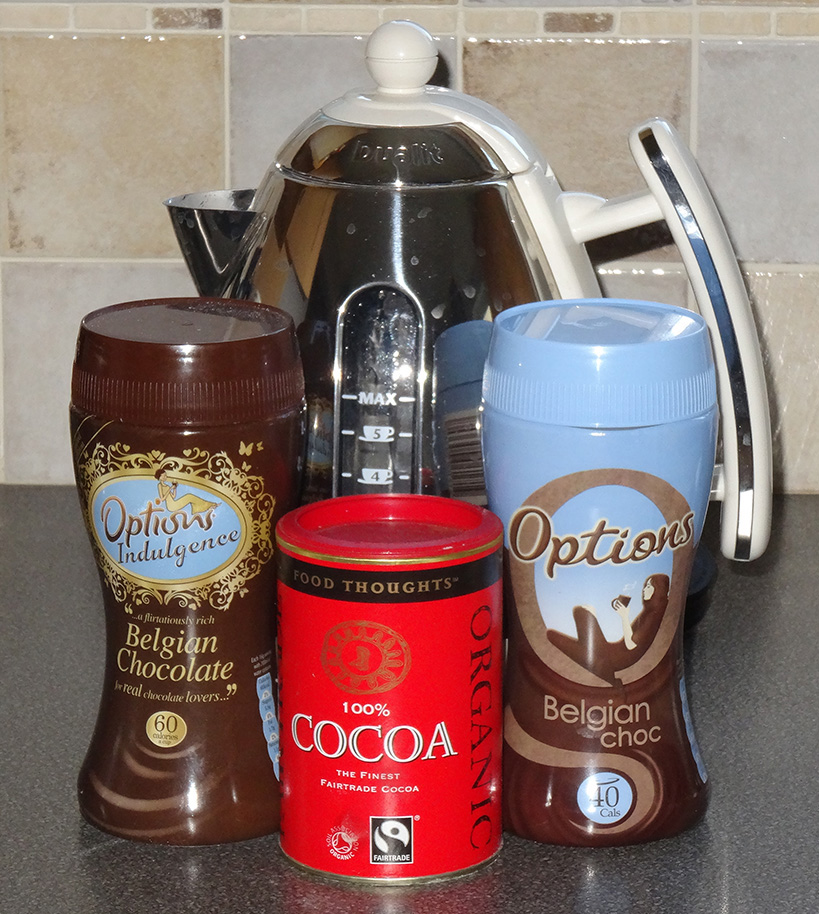
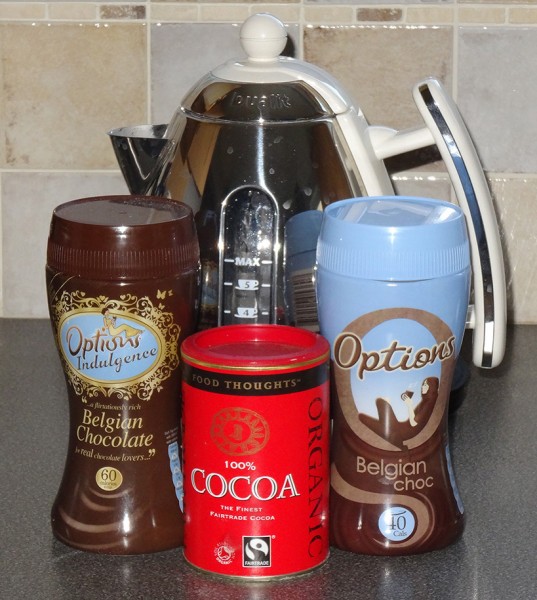 Your favourite chocolate bar or your drink of hot chocolate could soon be much dearer. Since March, the price of cocoa has risen by 34% and much of this increase remains to be passed on to the consumer. The price of cocoa butter is up 70% since the beginning of the year.
On the demand side, sales of luxury cocoa-rich chocolate and hot chocolate have been rising and chocolate manufacturers, with relatively low forward purchases of cocoa, are likely to have to buy more in spot markets. What is more, there is growing speculative demand as traders anticipate higher prices to come.
On the supply side, dry weather in West Africa, where 70% of cocoa beans are produced, has led to a fall in output. Estimates suggest that cocoa production in the 12 months to end-September 2013 will be 2.7% down on the previous 12 months. Supply is expected to be 60,000 tonnes less than demand, resulting in a fall in stocks from 1,833,000 to 1,773,000.
The following articles look at the ‘crisis’ for chocoholics and at the market conditions that lie behind it.
Articles
Craving for a chocolate fix? Prepare to pay more Reuters, Lewa Pardomuan and Marcy Nicholson (15/9/13)
Hot chocolate demand sends cocoa prices soaring Financial Times, Emiko Terazono (15/10/13)
Price of chocolate ‘to triple’ The Telegraph (8/10/13)
Paying more for chocolate? You will be CNN Money, Alanna Petroff (14/10/13)
Chocolate Prices Soar in Dark Turn The Wall Street Journal, Leslie Josephs and Neena Rai (22/9/13)
Chocolate prices could increase as cocoa costs soar BBC News, Nigel Cassidy (21/10/13)
… and on a lighter note: Rising Prices Signal A ‘Devastating’ Global Chocolate Crisis: Should Government Act To Save Us? Forbes, Doug Bandow (14/10/13)
Data
Cocoa beans: monthly price Index Mundi
ICCO daily prices of cocoa beans International Cocoa Organization (click on calendar to select month)
Production of cocoa beans International Cocoa Organization (click on Statistical Data links in right hand panel
Monthly review of the market International Cocoa Organization
Questions
- What happened to cocoa prices from January 2009 to March 2013? Explain this movement in prices.
- Why have cocoa prices risen so much since March 2013? Illustrate your analysis with a supply and demand diagram.
- If the demand for luxury chocolate fluctuates considerably with the state of the business cycle, what does this suggest about the income elasticity of demand for luxury chocolate?
- How would you establish whether or not cheap chocolate is an inferior good?
- If cocoa prices rise by 34%, what determines the percentage by which a bar of chocolate will rise?
- What determines the difference between cocoa futures and spot prices?
- How realistically could government intervention improve the lot of chocoholics?
 Over the past few years lobster prices in Maine have tumbled. Eight years ago the price paid to fishermen was around $4.60 per pound. Today it’s around $2.20. The problem is one of booming lobster populations and the dominance of lobster in catches. Last year’s haul was double that of a decade ago and, in some waters, six times higher.
You would think that larger catches would be good news for fishermen. But prices now are so low that they barely cover variable costs. Individual fishermen fish harder and longer to bring in even bigger catches to make up for the lower price. This, of course, compounds the problem and pushes the price even lower.
So what are the answers for the fishermen of Maine? One solution is to diversify their catch, but with lobster so plentiful and other fish stocks depleted, this is not easy.
Another solution is to cooperate. The Reuters article below quotes John Jordan, a lobsterman and president of Calendar Islands Maine Lobster Co.:
‘If you had an industry that actually cooperated, you wouldn’t be bringing in more product if you couldn’t sell what you already had, right?’
Restricting the catch would require lobster distributors to cooperate and set quotas for what the fishermen would be permitted to sell. But with over 5000 fishermen, this is not easy.
Another solution is to expand the market. One way is for the distributors or other agencies to market lobster and lobster products more aggressively. For example,  this year the State of Maine has established a $2 million marketing collaborative. Another solution is to find new markets.
Jordan’s company and others are frantically seeking new ways to sneak lobster into unexpected corners of the food market, from gazpacho to puff pastries and quiche.
In the meantime, for consumers the question is whether the low prices paid to the fishermen of Maine will feed through into low prices in the fishmonger, supermarket and restaurant. So far that does not seem to be happening, as the final two articles below explain.
Webcasts
US lobster fishermen’s ‘problem of plenty’ BBC News, Jonny Dymond (5/10/13)
Maine lobstermen in a pinch over low prices, record catch: Part 1, Part 2, Part 3 Aljazeera America, Adam May (11/10/13)
Articles
Something fishy is going on in the nation’s lobster capital CNBC, Heesun Wee (1/9/13)
Booming lobster population pinches profits for Maine’s fishery Reuters, Dave Sherwood (25/8/13)
Lobster’s worth shelling out for The Observer,
Rachel Cooke (21/9/13)
Clawback The New Yorker, James Surowiecki (26/8/13)
Why The Glut Of Cheap Lobster Won’t Lower Price Of Lobster Rolls Gothamist, John Del Signore (20/7/12)
Questions
- Why have lobster prices paid to fishermen fallen? Illustrate your argument with a demand and supply diagram
- What has determined the size of the fall in prices? What is the relevance of price elasticity of demand and price elasticity of supply to your answer?
- How is the fallacy of composition relevant to the effects on profits of an increase in the catch by (a) just one fisherman and (b) all fishermen? What incentive does this create for individual fishermen in a competitive market?
- What can lobster fishermen do to restore profit margins through collaborative action?
- In what ways is there a conflict between economics and ecology in the lobster fishing industry?
- How does stored lobster affect (a) the price elasticity of supply and (b) the price volatility of lobster?
- How could cooperation between lobster fishermen and lobster processors and distributors benefit all those involved in the cooperation?
- Why may restaurants choose to maintain high prices for lobster dishes for ‘psychological reasons’? Are there any other reasons?
 UK Supermarkets: a prime example of an oligopoly. This industry is highly competitive and over the past decade, but particularly since the onset of the credit crunch, price wars have been a constant feature of this market. You could barely watch a full programme on commercial TV without seeing one of the big supermarkets advertising that their prices were lower than everyone else’s! So, despite oligopoly being towards the ‘least competitive’ end of the market structure spectrum, this is an example of just how competitive the market can actually be.
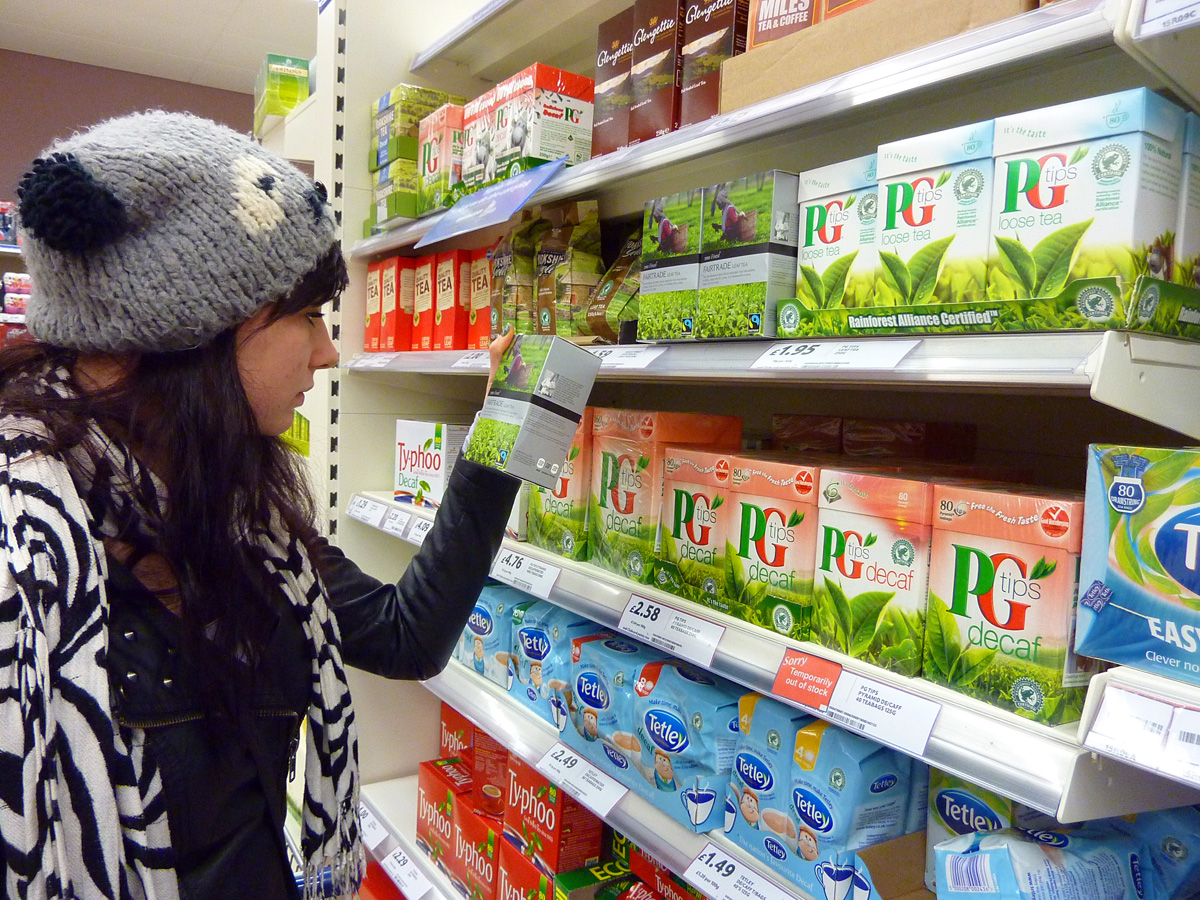 close the gap with the two big discount supermarkets. As Andy Clarke, Asda’s Chief Executive, said:
 Of course, there are many other factors that affect a consumer’s decision as to whether to shop at Asda, Tesco or any other big supermarket. In the area where I live, we have a Tesco and a Morrisons (a few years ago, we had neither!). I don’t shop at Asda, as the nearest branch is over 30 miles away – even if prices were significantly lower, it would be more expensive to get there and back and a lot less convenient. For others, it may be loyalty and not just of the ‘I’ve shopped there all my life’ kind! For some, clubcard vouchers from Tesco may be preferred to Asda’s offerings and thus tiny price differences between the supermarkets may have little effect on a consumer’s decision as to where to shop. Many products at supermarkets are relatively cheap and thus as the proportion of our income that we spend on these goods is pretty low, any change in price doesn’t cause much of an effect on our demand.