 The articles below examine the rise of the sharing economy and how technology might allow it to develop. A sharing economy is where owners of property, equipment, vehicles, tools, etc. rent them out for periods of time, perhaps very short periods. The point about such a system is that the renter deals directly with the property owner – although sometimes initially through an agency. Airbnb and Uber are two examples.
So far the sharing economy has not developed very far. But the development of smart technology will soon make a whole range of short-term renting contracts possible. It will allow the contracts to be enforced without the need for administrators, lawyers, accountants, bankers or the police. Payments will be made electronically and automatically, and penalties, too, could be applied automatically for not abiding by the contract.
 One development that will aid this process is a secure electronic way of keeping records and processing payments without the need for a central authority, such as a government, a bank or a company. It involves the use of ‘blockchains‘ (see also). The technology, used in Bitcoin, involves storing data widely across networks, which allows the data to be shared. The data are secure and access is via individuals having a ‘private key’ to parts of the database relevant to them. The database builds in blocks, where each block records a set of transactions. The blocks build over time and are linked to each other in a logical order (i.e. in ‘chains’) to allow tracking back to previous blocks.
Blockchain technology could help the sharing economy to grow substantially. It could significantly cut down the cost of sharing information about possible rental opportunities and demands, and allow minimal-cost secure transactions between owner and renter. As the IBM developerWorks article states:
Rather than use Uber, Airbnb or eBay to connect with other people, blockchain services allow individuals to connect, share, and transact directly, ushering in the real sharing economy. Blockchain is the platform that enables real peer-to-peer transactions and a true ‘sharing economy’.
Article
New technology may soon resurrect the sharing economy in a very radical form The Guardian, Ben Tarnoff (17/10/16)
Blockchain and the sharing economy 2.0 IBM developerWorks, Lawrence Lundy (12/5/16)
2016 is set to become the most interesting year yet in the life story of the sharing economy Nesta, Helen Goulden (Dec 2015)
Blockchain Explained Business Insider, Tina Wadhwa and Dan Bobkoff (16/10/16)
A parliament without a parliamentarian Interfluidity, Steve Randy Waldman (19/6/16)
Blockchain and open innovation: What does the future hold Tech City News, Jamie QIU (17/10/16)
Banks will not adopt blockchain fast Financial Times, Oliver Bussmann (14/10/16)
Blockchain-based IoT project does drone deliveries using Ethereum International Business Times, Ian Allison (14/10/16)
Questions
- What do you understand by the ‘sharing economy’?
- Give some current examples of the sharing economy? What other goods or services might be suitable for sharing if the technology allowed?
- How could blockchain technology be used to cut out the co-ordinating role carried out by companies such as Uber, eBay and Airbnb and make their respective services a pure sharing economy?
- Where could blockchain technology be used other than in the sharing economy?
- How can blockchain technology not only record property rights but also enforce them?
- What are the implications of blockchain technology for employment and unemployment? Explain.
- How might attitudes towards using the sharing economy develop over time and why?
- Referring to the first article above, what do you think of Toyota’s use of blockchain to punish people who fall behind on their car payments? Explain your thinking.
- Would the use of blockchain technology in the sharing economy make markets more competitive? Could it make them perfectly competitive? Explain.
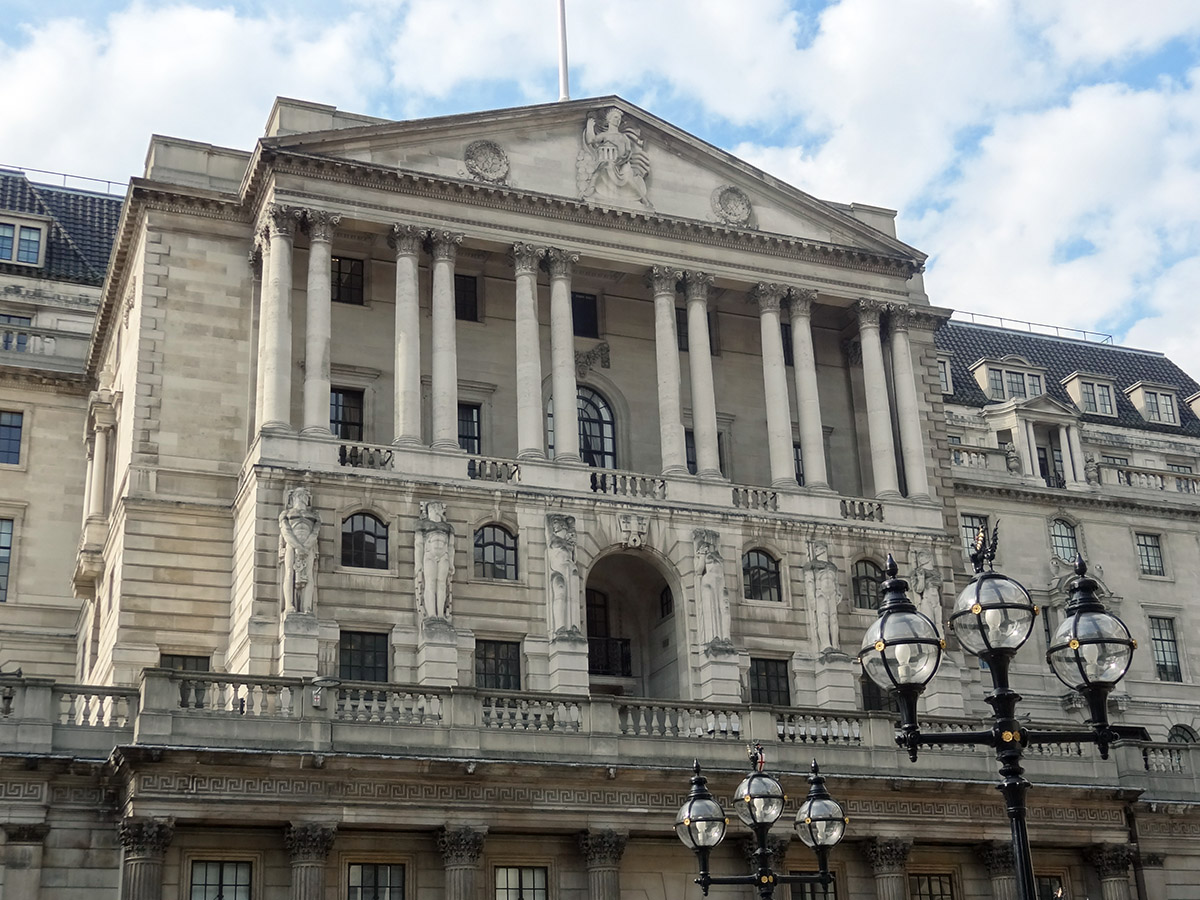
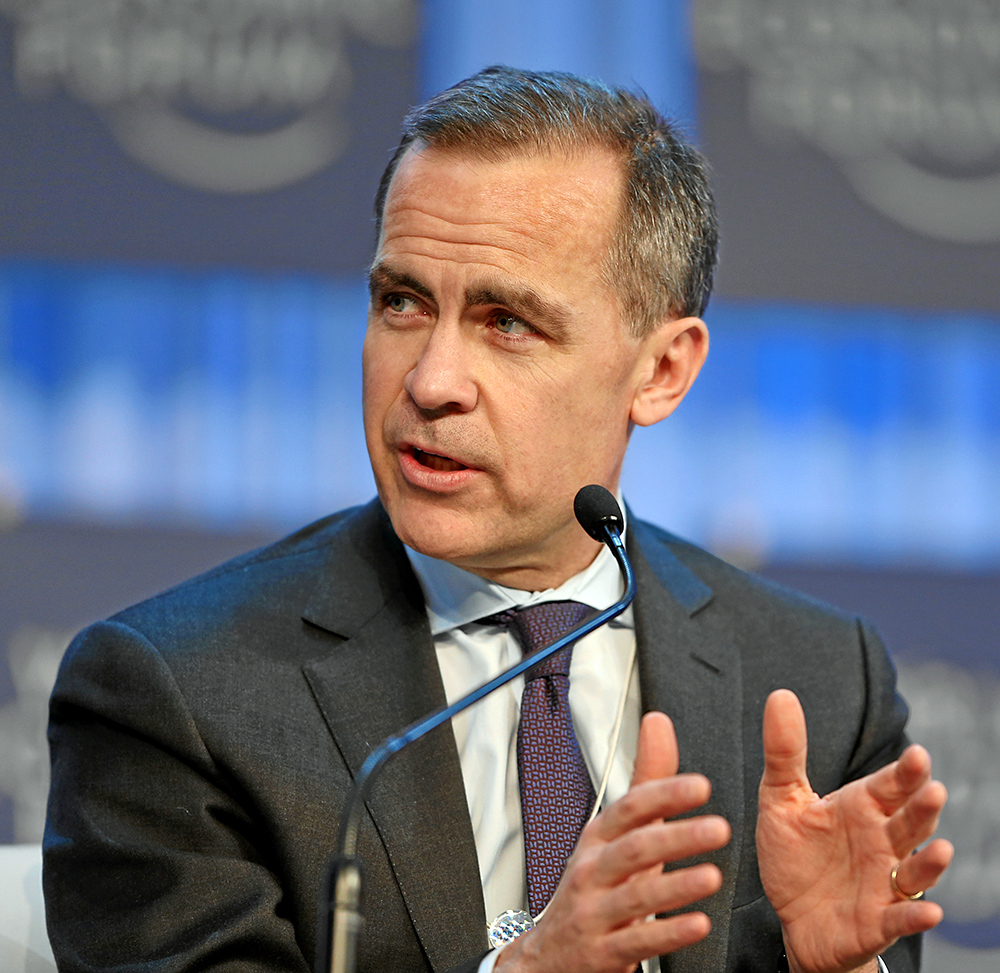
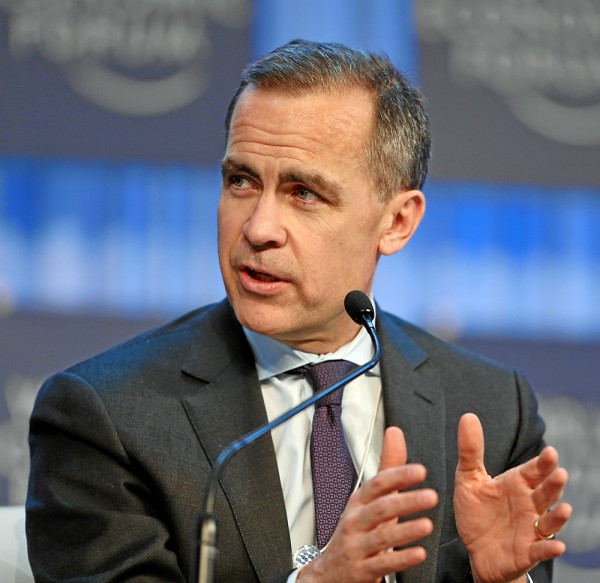
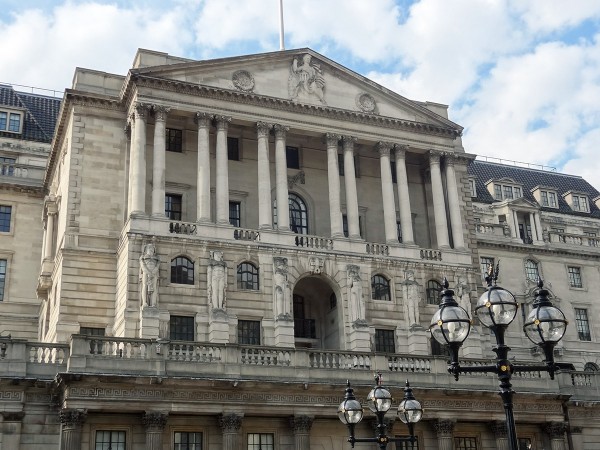 The Bank of England’s monetary policy is aimed at achieving an inflation rate of 2% CPI inflation ‘within a reasonable time period’, typically within 24 months. But speaking in Nottingham in one of the ‘Future Forum‘ events on 14 October, the Bank’s Governor, Mark Carney, said that the Bank would be willing to accept inflation above the target in order to protect growth in the economy.
“We’re willing to tolerate a bit of an overshoot in inflation over the course of the next few years in order to avoid rising unemployment, to cushion the blow and make sure the economy can adjust as well as possible.”
But why should the Bank be willing to relax its target – a target set by the government? In practice, a temporary rise above 2% can still be consistent with the target if inflation is predicted to return to 2% within ‘a reasonable time period’.
 But if even if the forecast rate of inflation were above 2% in two years’ time, there would still be some logic in the Bank not tightening monetary policy – by raising Bank Rate or ending, or even reversing, quantitative easing. This would be the case when there was, or forecast to be, stagflation, whether actual or as a result of monetary policy.
The aim of an inflation target of 2% is to help create a growth in aggregate demand consistent with the economy operating with a zero output gap: i.e. with no excess or deficient demand. But when inflation is caused by rising costs, such as that caused by a depreciation in the exchange rate, inflation could still rise even though the output gap were negative.
A rise in interest rates in these circumstances could cause the negative output gap to widen. The economy could slip into stagflation: rising prices and falling output. Hopefully, if the exchange rate stopped falling, inflation would fall back once the effects of the lower exchange rate had fed through. But that might take longer than 24 months or a ‘reasonable period of time’.
 So even if not raising interest rates in a situation of stagflation where the inflation rate is forecast to be above 2% in 24 months’ time is not in the ‘letter’ of the policy, it is within the ‘spirit’.
But what of exchange rates? Mark Carney also said that “Our job is not to target the exchange rate, our job is to target inflation. But that doesn’t mean we’re indifferent to the level of sterling. It does matter, ultimately, for inflation and over the course of two to three years out. So it matters to the conduct of monetary policy.”
But not tightening monetary policy if inflation is forecast to go above 2% could cause the exchange rate to fall further. It seems as if trying to arrest the fall in sterling and prevent a fall into recession are conflicting aims when the policy instrument for both is the rate of interest.
Articles
BoE’s Carney says not indifferent to sterling level, boosts pound Reuters, Andy Bruce and Peter Hobson (14/10/16)
Bank governor Mark Carney says inflation will rise BBC News, Kamal Ahmed (14/10/16)
Stagflation Risk May Mean Carney Has Little Love for Marmite Bloomberg, Simon Kennedy (14/10/16)
Bank can ‘let inflation go a bit’ to protect economy from Brexit, says Carney – but sterling will be a factor for interest rates This is Money, Adrian Lowery (14/10/16)
UK gilt yields soar on ‘hard Brexit’ and inflation fears Financial Times, Michael Mackenzie and Mehreen Khan (14/10/16)
Brexit latest: Life will ‘get difficult’ for the poor due to inflation says Mark Carney Independent, Ben Chu (14/10/16)
Prices to continue rising, warns Bank of England governor The Guardian, Katie Allen (14/10/16)
Bank of England
Monetary Policy Bank of England
Monetary Policy Framework Bank of England
How does monetary policy work? Bank of England
Future Forum 2016 Bank of England
Questions
- Explain the difference between cost-push and demand-pull inflation.
- If inflation rises as a result of rising costs, what can we say about the rate of increase in these costs? Is it likely that cost-push inflation would persist beyond the effects of a supply-side shock working through the economy?
- Can interest rates be used to control both inflation and the exchange rate? Explain why or why not.
- What is the possible role of fiscal policy in the current situation of a falling exchange rate and rising inflation?
- Why does the Bank of England target the rate of inflation in 24 months’ time and not the rate today? (After all, the Governor has to write a letter to the Chancellor explaining why inflation in any month is more than 1 percentage point above or below the target of 2%.)
- What is meant by a zero output gap? Is this the same as a situation of (a) full employment, (b) operating at full capacity? Explain.
- Why have UK gilt yields soared in the light of a possible ‘hard Brexit’, a falling exchange rate and rising inflation?
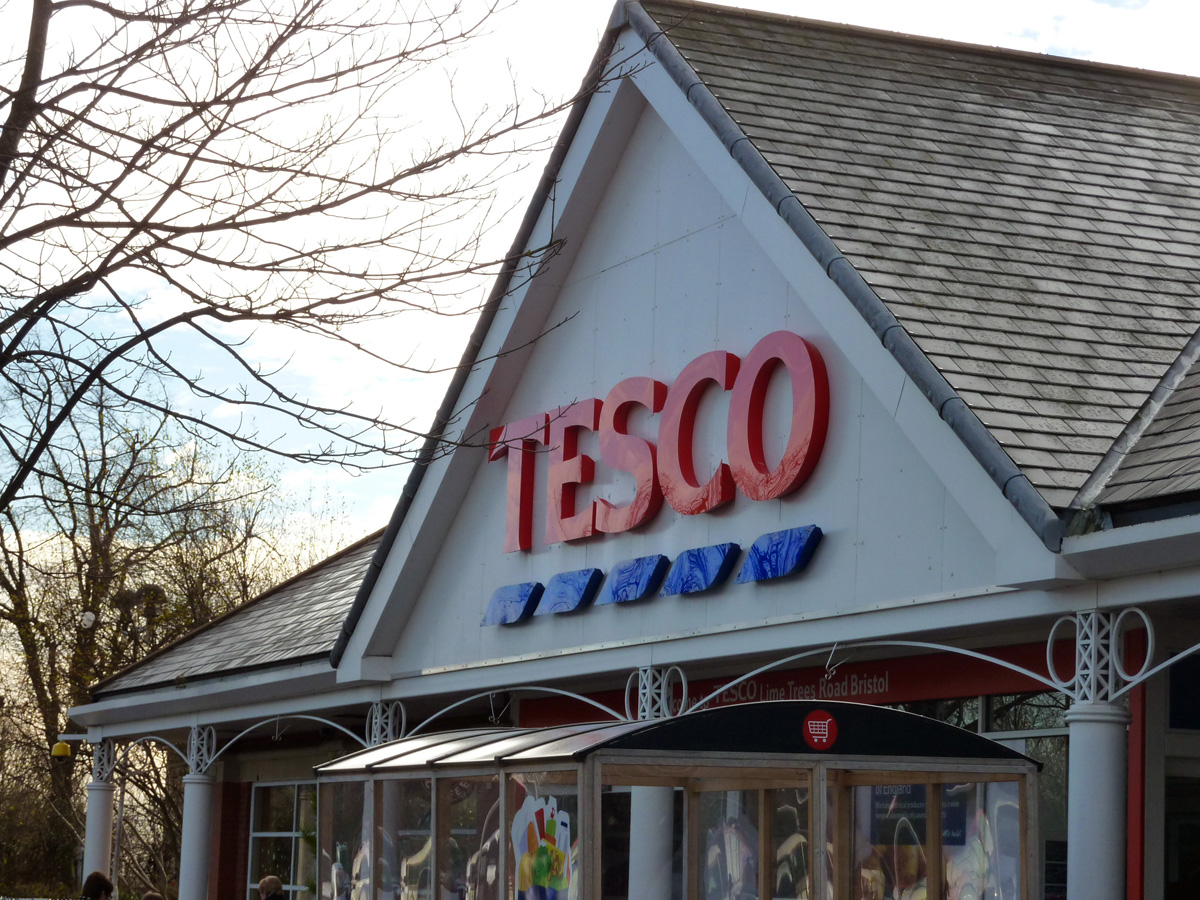
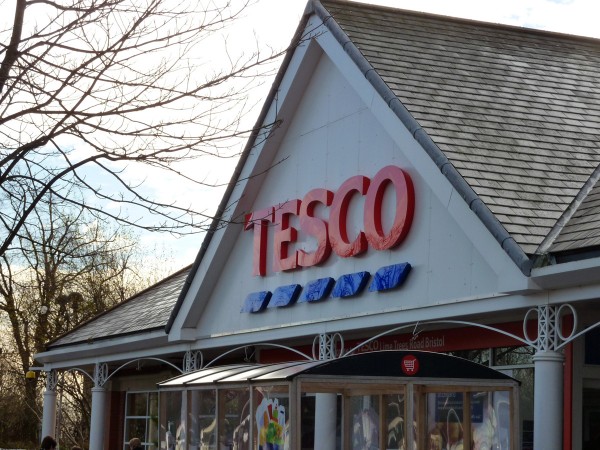 A row erupted in mid-October between Tesco, the UK’s biggest supermarket, and Unilever, the Anglo-Dutch company. Unilever is the world’s largest consumer goods manufacturer with many well-known brands, including home care products, personal care products and food and drink. Unilever, which manufactures many of its products abroad and uses many ingredients from abroad in those manufactured in the UK, wanted to charge supermarkets 10% more for its products. It blamed the 16% fall in the value of sterling since the referendum in June (see the blog Sterling’s slide).
Tesco refused to pay the increase and so Unilever halted deliveries of over 200 items. As a result, several major brands became unavailable on the Tesco website. The dispute was dubbed ‘Marmitegate’, after one of Unilever’s products.
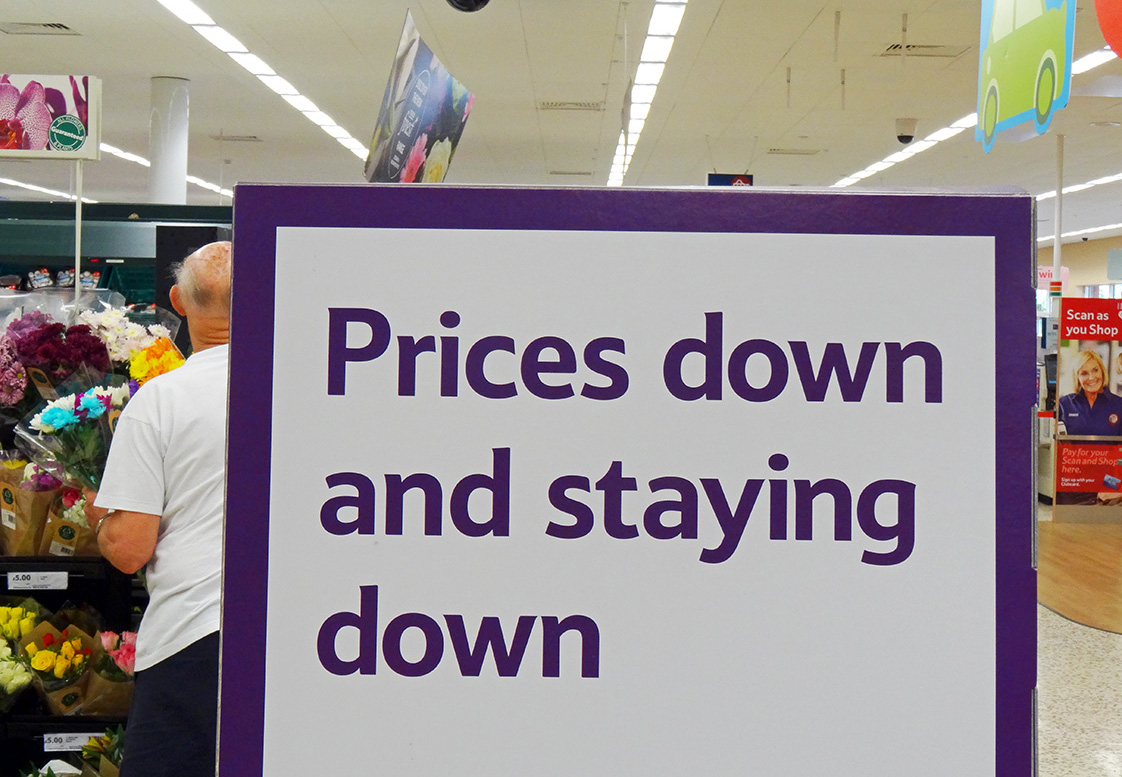
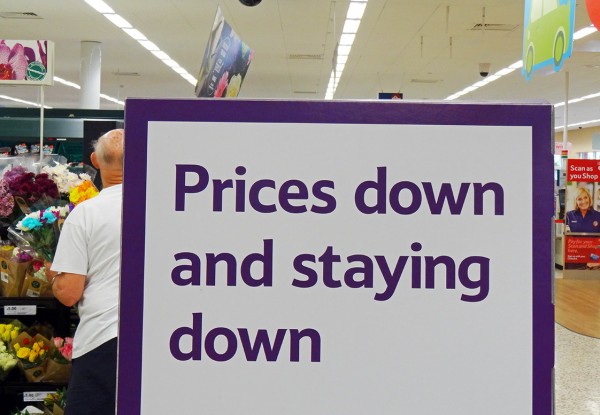 This is a classic case of power on both sides of the market: a powerful oligopolist, Unilever, facing a powerful oligopsonist, Tesco. With rising costs for Unilever resulting from the falling pound, either Unilever had to absorb the costs, or Tesco had to be prepared to pay the higher prices demanded by Unilever, passing some or all of them onto customers, or there had to be a compromise, with the prices Tesco pays to Unilever rising, but by less than 10%. A compromise was indeed reached on 13 October, with different price increases for each of Unilever’s products depending on how much of the costs are in foreign currencies. Precise details of the deal remained secret.
An interesting dynamic in the dispute was that Tesco and Unilever were acting as ‘champions’ for retailers and suppliers respectively. Other supermarkets were also facing price rises by Unilever. 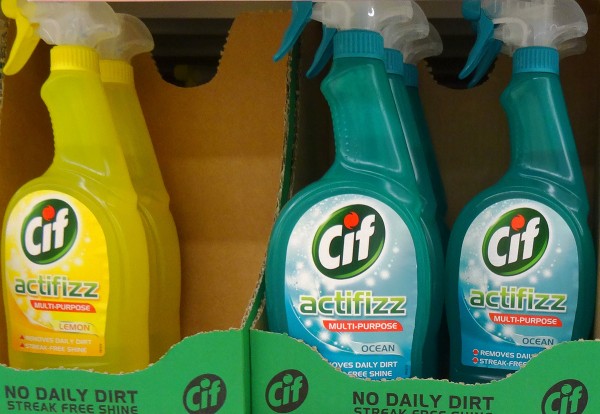 Their reactions were likely to depend on what Tesco did. Similarly, other suppliers were facing rising costs because of the falling pound. Their reactions might depend on how successful Unilever was in passing on its cost increases to retailers.
This example of ‘countervailing power’, or ‘bilateral oligopoly’, helps to illustrate just how much the consumer can gain when a powerful seller is confronted by a powerful buyer. The battle was been likened to that between two ‘gorillas’ of the industry. Its ramifications throughout industry will be interesting.
Podcasts and Webcasts
 Tesco-Unilever row: Can unique shop explain ‘Marmitegate’? BBC News, Dougal Shaw (13/10/16)
Tesco, Unilever in Brexit price clash Reuters, David Pollard (13/10/16)
Brexit price-rise warning to shoppers BBC News, Simon Jack (10/10/16)
Tesco in Brexit Pricing Spat With Unilever Wall Street Journal (13/10/16)
Tesco battles Unilever over prices Financial Times on YouTube (14/10/16)
Tesco vs Unilever: Who won? ITV News, Joel Hills (14/10/16)
Articles
Tesco removes Marmite and other Unilever brands in price row BBC News (13/10/16)
Marmite Brexit Shortage ‘Just The Beginning’ Of ‘Gorilla’ Grocery Battle As Pound Slumps Huffington Post, Louise Ridley (13/10/16)
Unilever sales increase despite dozens of its brands being removed from Tesco shelves Independent, Ben Chapman (13/10/16)
Tesco-Unilever price row: Why pound value slump has caused Marmite to disappear from shelves Independent, Zlata Rodionova (13/10/16)
Tesco pulls Marmite from online store amid Brexit price row with Unilever The Telegraph, Peter Dominiczak, Steven Swinford and Ashley Armstrong (13/10/16)
Tesco runs short on Marmite and household brands in price row with Unilever The Guardian, Sarah Butler (13/10/16)
Tesco pulls products over plunging pound Financial Times, Mark Vandevelde, Scheherazade Daneshkhu and Paul McClean (13/10/16)
Brexit means…higher prices The Economist, Buttonwood’s notebook (13/10/16)
Tesco, Unilever settle prices row after pound’s Brexit dive Reuters, James Davey and Martinne Geller (14/10/16)
Questions
- To what extent can Tesco and Unilever be seen a price leaders of their respective market segments?
- What would you advise other supermarkets to do over their pricing decisions when faced with increased prices from suppliers, and why?
- What would you advise manufacturers of other consumer goods sold in supermarkets to do in the light of the Tesco/Unilever dispute, and why?
- What determines the price elasticity of demand for branded products, such as Marmite, Persil, Dove soap, Hellmann’s mayonnaise, PG Tips tea and Wall’s ice cream?
- What factors will determine in the end just how much extra the consumer pays when supermarkets are faced with demands for higher prices from major suppliers?
- Give some other examples of firms in industries where there is a high degree of countervailing power.
- What are the macroeconomic implications of a depreciating exchange rate?
- If, over the long term, the pound remained 16% below its level in June 2016, would you expect the consumer prices index in the long term to be approximately 16% higher than it would have been if the pound had not depreciated? Explain why or why not.
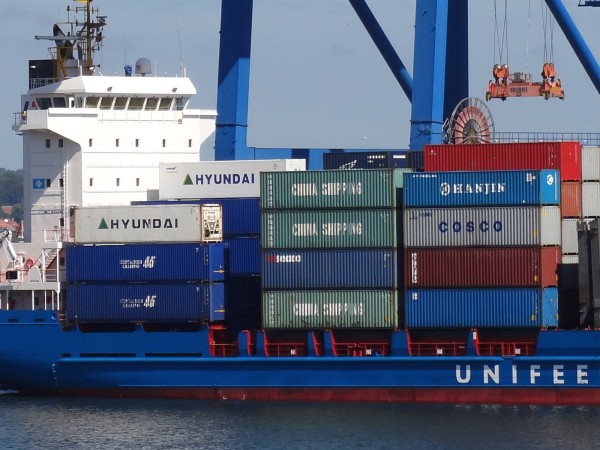 In a recent blog, Falling sterling – bad for some; good for others, we looked at the depreciation of sterling following the Brexit vote. We saw how it will have beneficial effects for some, such as exporters, and adverse effects for others, such as consumers having to pay a higher price for imports and foreign holidays. The article linked below examines these effects in more depth.
Just how much the quantity of exports will increase depends on two main things. The first is the amount by which the foreign currency price falls. This depends on what exporters choose to do. Say the pound falls from €1.30 to €1.18. Do exporters who had previously sold a product selling in the UK for £100 and in the eurozone for €130, now reduce the euro price to €118? Or do they put it down by less – say, to €125, thereby earning £105.93 (£(125/1.18)). Their sales would increase by less, but their profit margin would rise.
The second is the foreign currency price elasticity of demand for exports in the foreign markets. The more elastic it is, the more exports will rise for any given euro price reduction.
 It is similar with imports. How much the sales of these fall depends again on two main things. The first is the amount by which the importing companies are prepared to raise sterling prices. Again assume that the pound falls from €1.30 to €1.18 – in other words, the euro rises from 76.92p (£1/1.3) to 84.75p (£1/1.18). What happens to the price of an import to the UK from the eurozone whose euro price is €100? Does the importer raise the price from £76.92 to £84.75, or by less than that, being prepared to accept a smaller profit margin?
The second is the sterling price elasticity of demand for imports in the UK. The more elastic it is, the more imports will fall and, probably, the more the importer will be prepared to limit the sterling price increase.
The article also looks at the effect on aggregate demand. As we saw in the previous blog, a depreciation boosts aggregate demand by increasing exports and curbing imports. The effects of this rise in aggregate demand depends on the degree of slack in the economy and the extent, therefore, that (a) exporters and those producing import substitutes can respond in terms of high production and employment and (b) other sectors can produce more as multiplier effects play out.
Finally, the article looks at the effect of the depreciation of sterling on asset prices. UK assets will be worth less in foreign currency terms; foreign assets will be worth more in sterling. Just how much the prices of internationally traded assets, such as shares and some property, will change depends, again, on their price elasticities of demand. In terms of assets, there has been a gain to UK balance sheets from the depreciation. As Roger Bootle says:
Whereas the overwhelming majority of the UK’s liabilities to foreigners are denominated in sterling, the overwhelming bulk of our assets abroad are denominated in foreign currency. So the lower pound has raised the sterling value of our overseas assets while leaving the sterling value of our liabilities more or less unchanged.
Article
How a lower pound will help us to escape cloud cuckoo land, The Telegraph, Roger Bootle (31/7/16)
Questions
- What determines the amount that exporters from the UK adjust the foreign currency price of their exports following a depreciation of sterling?
- What determines the amount by which importers to the UK adjust the sterling price of their products following a depreciation of sterling?
- What determines the amount by which sterling will depreciate over the coming months?
- Distinguish between stabilising and destabilising speculation? How does this apply to exchange rates and what determines the likelihood of there being destabilising speculation against sterling exchange rates?
- How is UK inflation likely to be affected by a depreciation of sterling?
- Why does Roger Bootle believe that the UK has been living in ‘cloud cuckoo land’ with respect to exchange rates?
- Why has the UK managed to sustain a large current account deficit over so many years?
 Since the Brexit vote in the referendum, sterling has been falling. It is now at a 31-year low against the US dollar. From 23 June to 6 July it depreciated by 12.9% against the US dollar, 10.7% against the euro and 17.0% against the yen. The trade-weighted sterling exchange rate index depreciated by 11.6%.
Why has this happened? Partly it reflects a decline in confidence in the UK economy by investors; partly it is in response to policy measures, actual and anticipated, by the Bank of England.
As far as investors are concerned, the anticipation is that there will be net direct investment outflows from the UK. This is because some companies in the UK are considering relocating part or all of their business from the UK to elsewhere in Europe. For example, EasyJet is drawing up plans to move its headquarters to continental Europe. It is also because investors believe that foreign direct investment in the UK is likely to fall as companies prefer to invest elsewhere, such as Ireland or Germany.
 Thus although the effect of net direct investment outflows (or reductions in net inflows) will be on the long-term investment part of the financial account of the balance of payments, the immediate effect is felt on the short-term financial flows part of the account as investors anticipate such moves and the consequent fall in sterling.
As far as monetary policy is concerned, the fall in sterling is in response to four things announced or signalled by Mark Carney at recent news conferences (see Monetary and fiscal policies – a U-turn or keeping the economy on track?).
First is the anticipated fall in Bank Rate at the next meeting of the Monetary Policy Committee on 13/14 July. Second is the possibility of further quantitative easing (QE). Third is an additional £250bn of liquidity that the Bank is prepared to provide through its normal open-market operations. Fourth is the easing of capital requirements on banks (reducing the countercyclical buffer from 0.5% to 0%), which would allow additional lending by banks of up to £150bn.
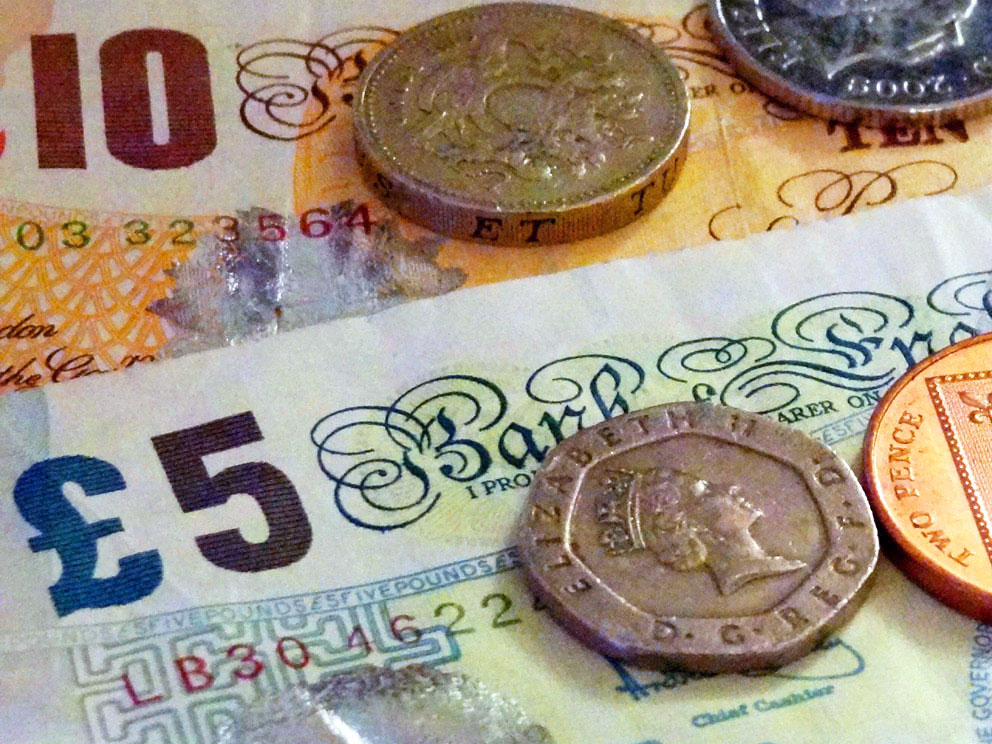 Lower interest rates, additional liquidity and further QE would all increase the supply of sterling on the foreign exchange markets. The anticipation of this, plus the anticipation of lower interest rates, would decrease the demand for sterling. The effect of these supply and demand changes is a fall in the exchange rate.
But is a fall in the exchange rate a ‘good thing’? As far as consumers are concerned, the answer is no. Imports will be more expensive, as will foreign holidays. People’s pounds will buy less of things priced in foreign currency and thus people will be poorer.
As far as exporters are concerned, however, the foreign currency they earn will exchange into more pounds than before. Their sterling revenues, therefore, are likely to increase. They might also choose to reduce the foreign currency price of exports, thereby increasing the quantity sold – the amount depending on the price elasticity of demand. The increase in exports and reduction in imports will help to reduce the current account deficit and also boost aggregate demand.
Articles
Pound slumps to 31-year low following Brexit vote The Guardian, Katie Allen , Jill Treanor and Simon Goodley (24/6/16)
Sterling’s post-Brexit fall is biggest loss in a hard currency Reuters, Jamie McGeever (7/7/16)
Brexit Accelerates the British Pound’s 100 Years of Debasement Bloomberg, Simon Kennedy and Lukanyo Mnyanda (5/7/16)
Pound sterling falls below $1.31 hitting new 31-year low Independent, Hazel Sheffield (5/7/16)
Viewpoints: How low will sterling go? BBC News, Leisha Chi (6/7/16)
How low will the pound fall? Financial Times (7/7/16)
Allianz’s El-Erian says UK must urgently get its act together or dollar parity could beckon Reuters, Guy Faulconbridge (7/7/16)
What does a falling pound mean for the British economy? The Telegraph, Peter Spence (6/7/16)
Data
Spot exchange rates: Statistical Interactive Database – interest & exchange rates data Bank of England
Questions
- What determines how much the exchange rate depreciates for a given shift in the demand for sterling or the supply of sterling?
- Why might the short-term effects on exchange rates of the Brexit vote be different from the long-term effects?
- Why has the pound depreciated by different amounts against different currencies?
- What are likely to be the effects on the financial and current accounts of the balance of payments of the Bank of England’s measures?
- Find out what has happened to business confidence since the Brexit vote. What effect does the level of confidence have on the exchange rate and why?
 The articles below examine the rise of the sharing economy and how technology might allow it to develop. A sharing economy is where owners of property, equipment, vehicles, tools, etc. rent them out for periods of time, perhaps very short periods. The point about such a system is that the renter deals directly with the property owner – although sometimes initially through an agency. Airbnb and Uber are two examples.
 One development that will aid this process is a secure electronic way of keeping records and processing payments without the need for a central authority, such as a government, a bank or a company. It involves the use of ‘blockchains‘ (see also). The technology, used in Bitcoin, involves storing data widely across networks, which allows the data to be shared. The data are secure and access is via individuals having a ‘private key’ to parts of the database relevant to them. The database builds in blocks, where each block records a set of transactions. The blocks build over time and are linked to each other in a logical order (i.e. in ‘chains’) to allow tracking back to previous blocks.