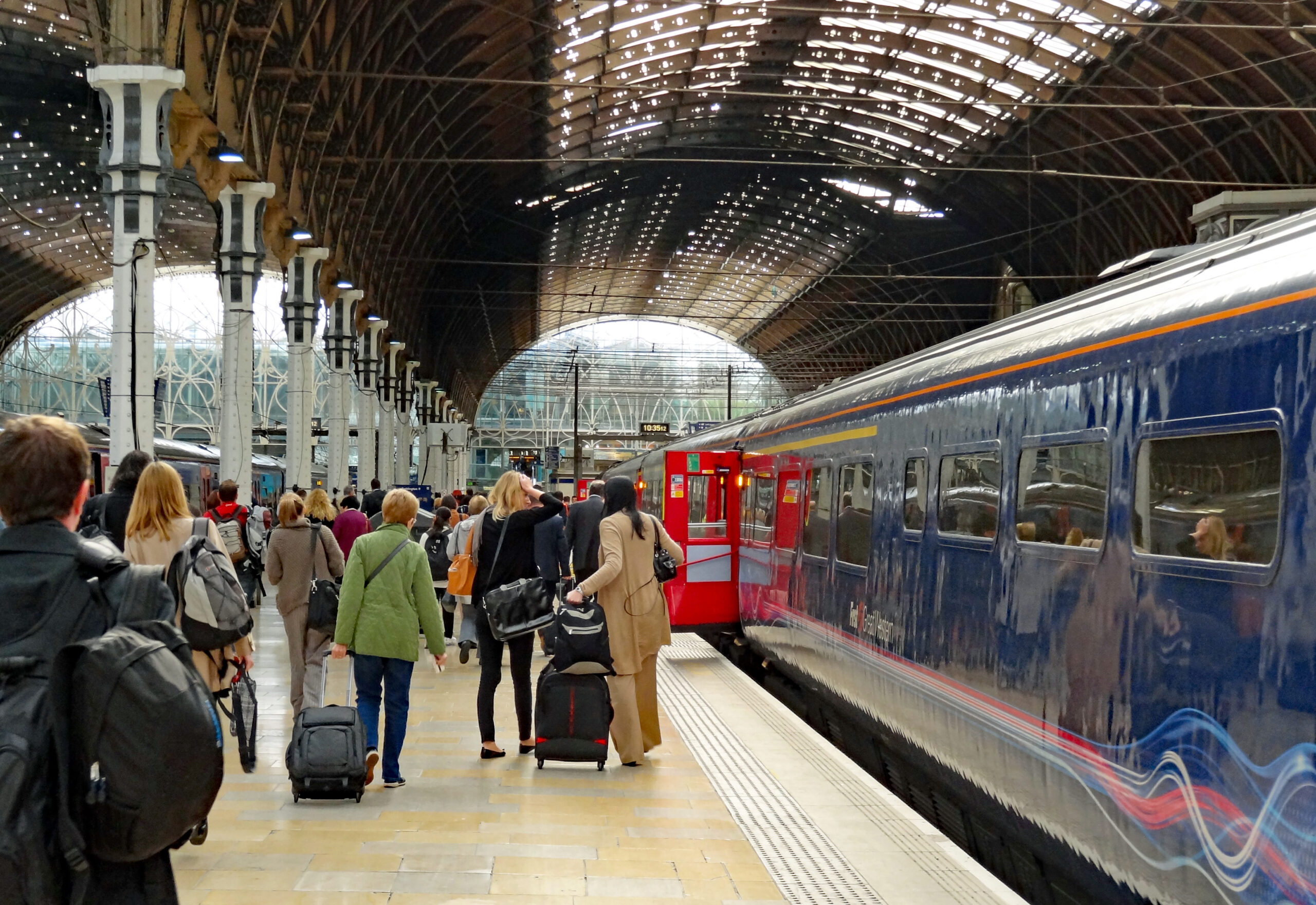
 In many countries, train fares at peak times are higher than at off-peak times. This is an example of third-degree price discrimination. Assuming that peak-time travellers generally have a lower price elasticity of demand, the policy allows train companies to increase revenue and profit.
If the sole purpose of ticket sales were to maximise profits, the policy would make sense. Assuming that higher peak-time fares were carefully set, although the number travelling would be somewhat reduced, this would be more than compensated for by the higher revenue per passenger.
But there are external benefits from train travel. Compared with travel by car, there are lower carbon emissions per person travelling. Also, train travel helps to reduce road congestion. To the extent that higher peak-time fares encourage people to travel by car instead, there will be resulting environmental and congestion externalities.
The Scottish experiment with abolishing higher peak-time fares
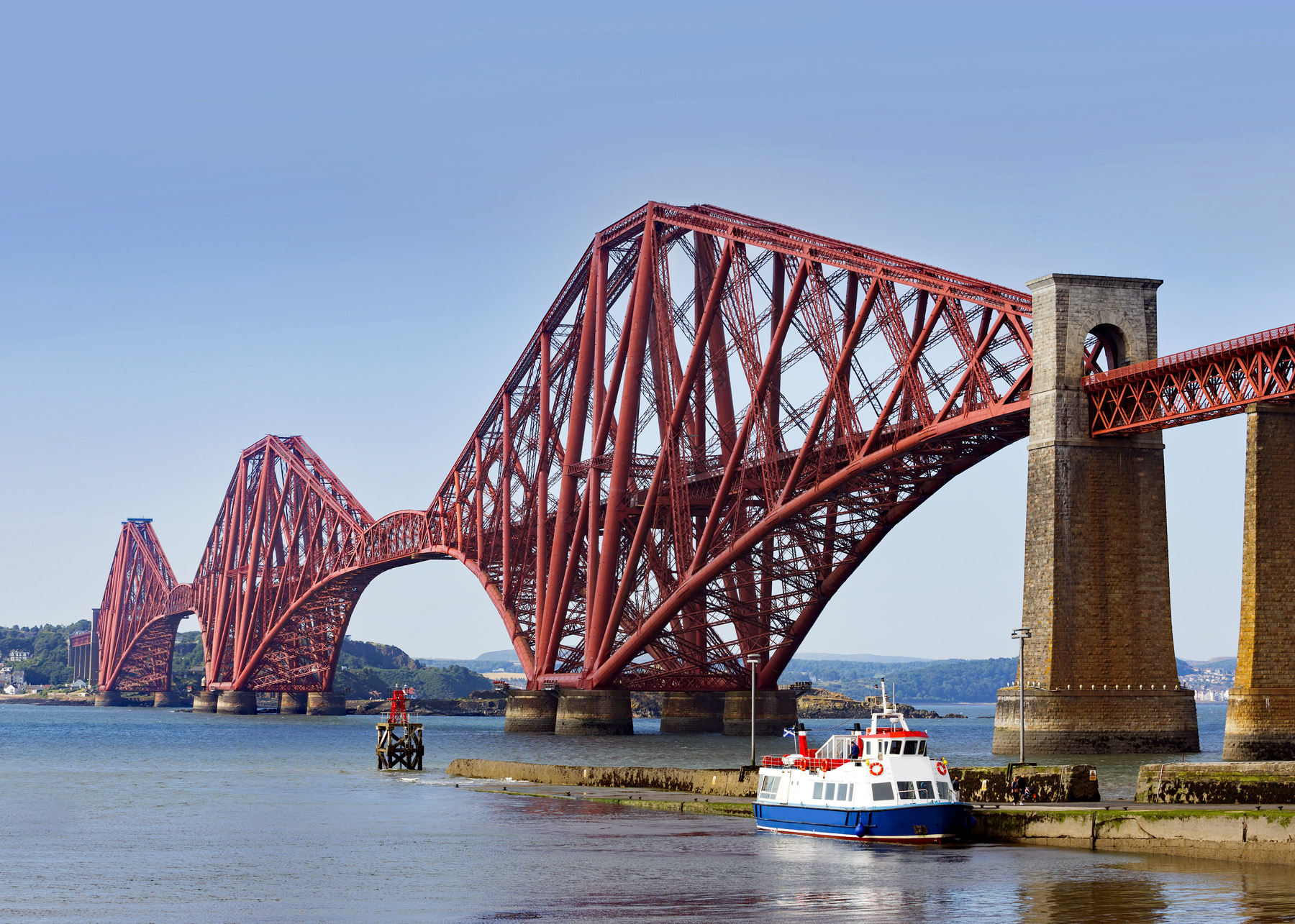 In October 2023, the Scottish government introduced a pilot scheme abolishing peak-time fares, so that tickets were the same price at any time of the day. The idea was to encourage people, especially commuters, to adopt more sustainable means of transport. Although the price elasticity of demand for commuting is very low, the hope was that the cross-price elasticity between cars and trains would be sufficiently high to encourage many people to switch from driving to taking the train.
One concern with scrapping peak-time fares is that trains would not have the capacity to cope with the extra passengers. Indeed, one of the arguments for higher peak-time fares is to smooth out the flow of passengers during the day, encouraging those with flexibility of when to travel to use the cheaper and less crowded off-peak trains.
This may well apply to certain parts of the UK, but in the case of Scotland it was felt that there would be the capacity to cope with the extra demand at peak time. Also, in a post-COVID world, with more people working flexibly, there was less need for many people to travel at peak times than previously.
Reinstatement of peak-time fares in Scotland
It was with some dismay, therefore, especially by commuters and environmentalists, when the Scottish government decided to end the pilot at the beginning of October 2024 and reinstate peak-time fares – in many cases at nearly double the off-peak rates. For example, the return fare between Glasgow and Edinburgh rose from £16.20 to £31.40 at peak times.
The Scottish government justified the decision by claiming that passenger numbers had risen by only 6.8%, when, to be self-financing, an increase of 10% would have been required. But this begs the question of whether it was necessary to be self-financing when the justification was partly environmental. Also, the 6.8% figure is based on a number of assumptions that could be challenged (see The Conversation article linked below). A longer pilot would have helped to clarify demand.
Other schemes
A number of countries have introduced schemes to encourage greater use of the railways or other forms of public transport. One of these is the flat fare for local journeys. Provided that this is lower than previously, it can encourage people to use public transport and leave their car at home. Also, its simplicity is also likely to be attractive to passengers. For example, in England bus fares are capped at £2. Currently, the scheme is set to run until 31 December 2024.
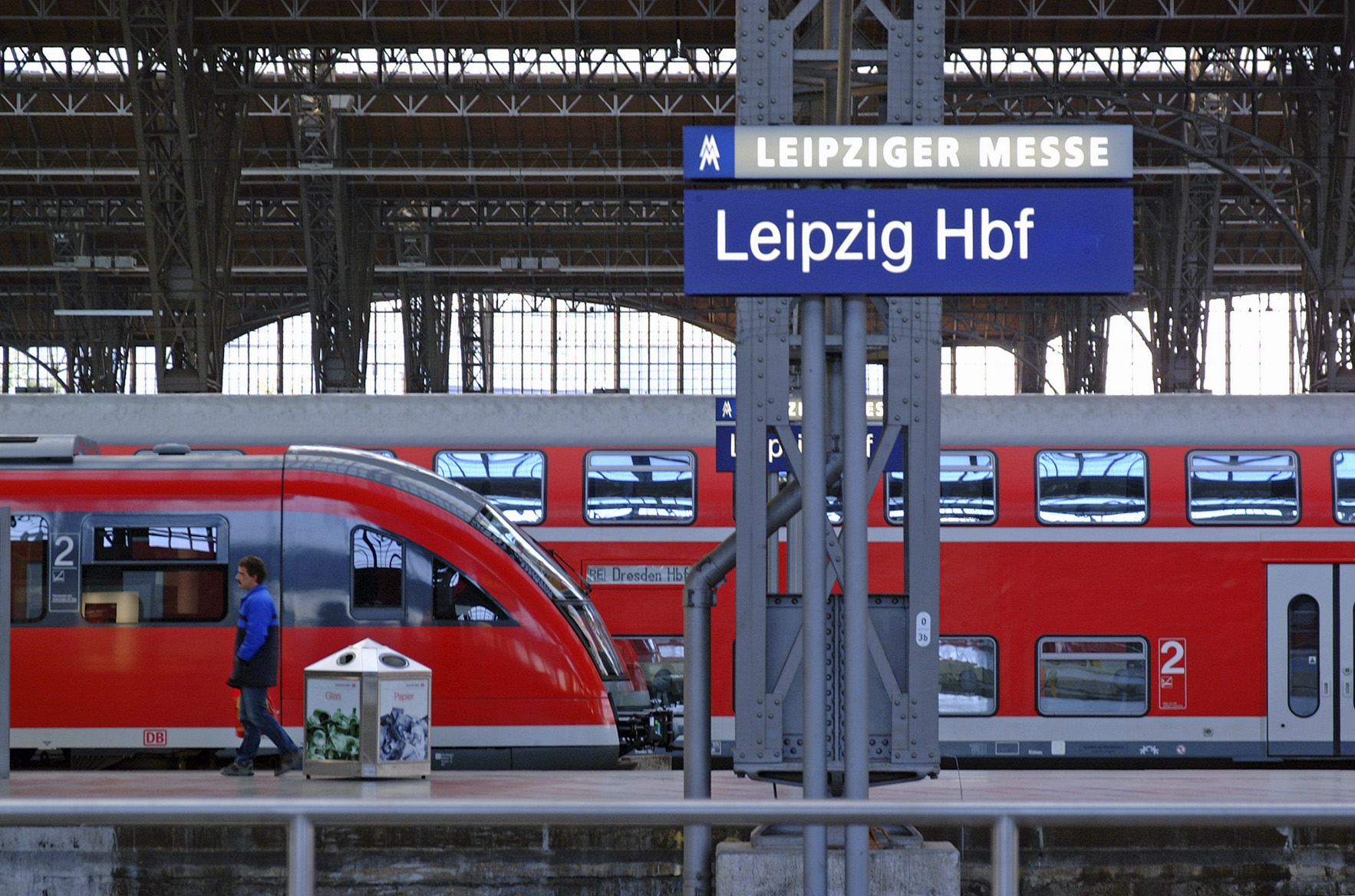 Another scheme is the subscription model, whereby people pay a flat fee per month (or week or year, or other time period) for train or bus travel or both. Germany, for example, has a flat-rate €49 per month ‘Deutschland-Ticket‘ (rising to €58 per month in January 2025). This ticket provides unlimited access to local and regional public transport in Germany, including trains, buses, trams, metros and ferries (but not long-distance trains). This zero marginal fare cost of a journey encourages passengers to use public transport. The only marginal costs they will face will be ancillary costs, such as getting to and from the train station or bus stop and having to travel at a specific time.
Articles
- Why a pilot scheme removing peak rail fares should have been allowed to go the distance
The Conversation, Rachel Scarfe (8/10/24)
- Return of peak rail fares a costly blow for commuters and climate, Scottish Greens say
Bright Green, Chris Jarvis (6/10/24)
 Commuters react to return of peak train fares in Scotland
BBC News (1/10/24)
- Perth peak rail fares to Edinburgh rise by almost 60 percent as pilot scheme ends
Daily Record, Alastair McNeill (4/10/24)
- Ditch peak-time rail fares across UK, campaigners say
iNews, Adam Forrest (30/9/24)
- Train fares reduced by up to 20% in East Yorkshire
Rail Advent, Roger Smith (26/9/24)
- Deutschland-Ticket: Germany’s popular monthly transport pass will soon be more expensive
Euronews, Angela Symons (24/9/24)
- Fare Britannia: a new approach to public transport ticketing for the UK
Greenpeace report, Leo Eyles, Tony Duckenfield and Jim Steer (19/9/24)
- Ministers urged to trial monthly ‘climate card’ in North of England to save rail commuters money and cut emissions
About Manchester, Nigel Barlow (20/9/24)
Questions
- Identify the arguments for and against having higher rail fares at peak times than at off-peak times
- Why might it be a good idea to scrap higher peak-time fares in some parts of a country but not in others?
- Provide a critique of the Scottish government’s arguments for reintroducing higher peak-time fares.
- With reference to The Conversation article, why is it difficult to determine the effect on demand of the Scottish pilot of scrapping peak-time fares?
- What are the arguments for and against the German scheme of having a €49 per month public transport pass for local and regional transport with no further cost per journey? Should it be extended to long-distance trains and coaches?
- In England there is a flat £2 single fare for buses. Would it be a good idea to make bus travel completely free?
 The UK Chancellor of the Exchequer, Jeremy Hunt, delivered his Spring Budget on 6 March 2024. In his speech, he announced a cut in national insurance (NI): a tax paid by workers on employment or self-employment income. The main rate of NI for employed workers will be cut from 10% to 8% from 6 April 2024. This follows a cut this January from 12% to 10%. The rate for the self-employed will be cut from 9% to 6% from 6 April. These will be the new marginal rates from the NI-free threshold of £12 750 to the higher threshold of £50 270 (above which the marginal rate is 2% and remains unchanged). Unlike income tax, NI applies only to income from work (employment or self-employment) and does not include pension incomes, rent, interest and dividends.
The cuts will make all employed and self-employed people earning more than £12 750 better off than they would have been without them. For employees on average incomes of £35 000, the two cuts will be worth £900 per year.
But will people end up paying less direct tax (income tax and NI) overall than in previous years? The answer is no because of the issue of fiscal drag (see the blog, Inflation and fiscal drag). Fiscal drag refers to the dampening effect on aggregate demand when higher incomes lead to a higher proportion being paid in tax. It occurs when there is a faster growth in incomes than in tax thresholds. This means that (a) the tax-free allowance accounts for a smaller proportion of people’s incomes and (b) a higher proportion of many people’s incomes will be paid at the higher income tax rate. Fiscal drag is especially acute when thresholds are frozen, when inflation is rapid and when real incomes rise rapidly.
Tax thresholds have been frozen since 2021 and the government plans to keep them frozen until 2028. This is illustrated in the following table.
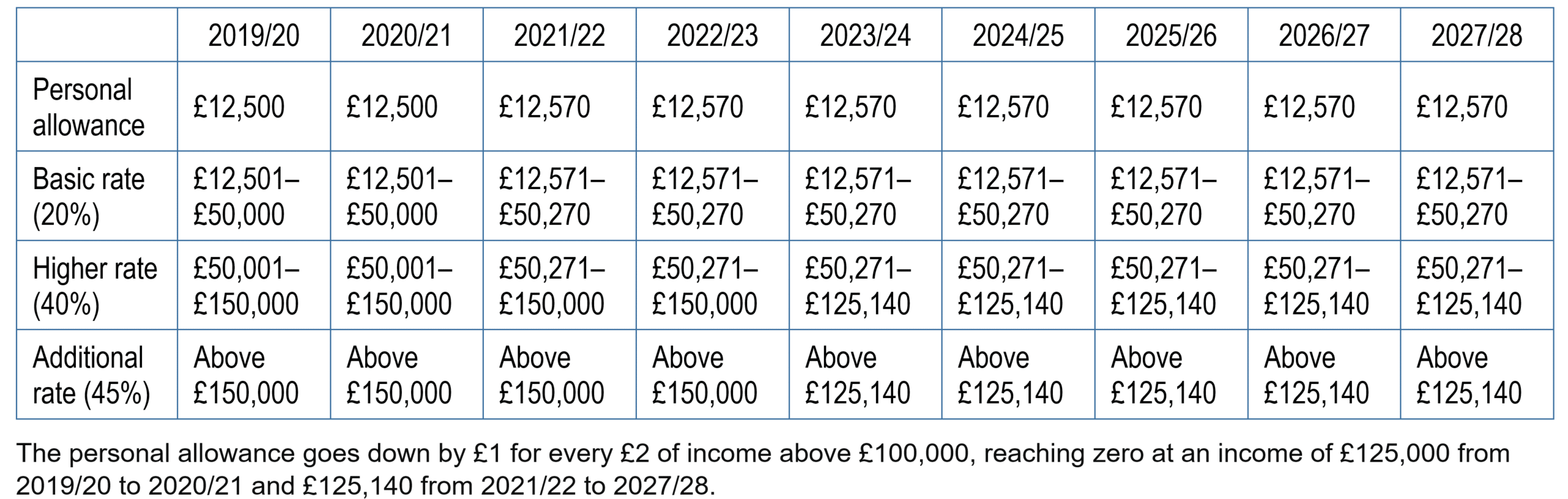
According to the Institute for Fiscal Studies, the net effect of fiscal drag means that for every £1 given back to employed and self-employed workers by the NI cuts, £1.30 will have been taken away as a result of freezing thresholds between 2021 and 2024. This will rise to £1.90 in 2027/28.
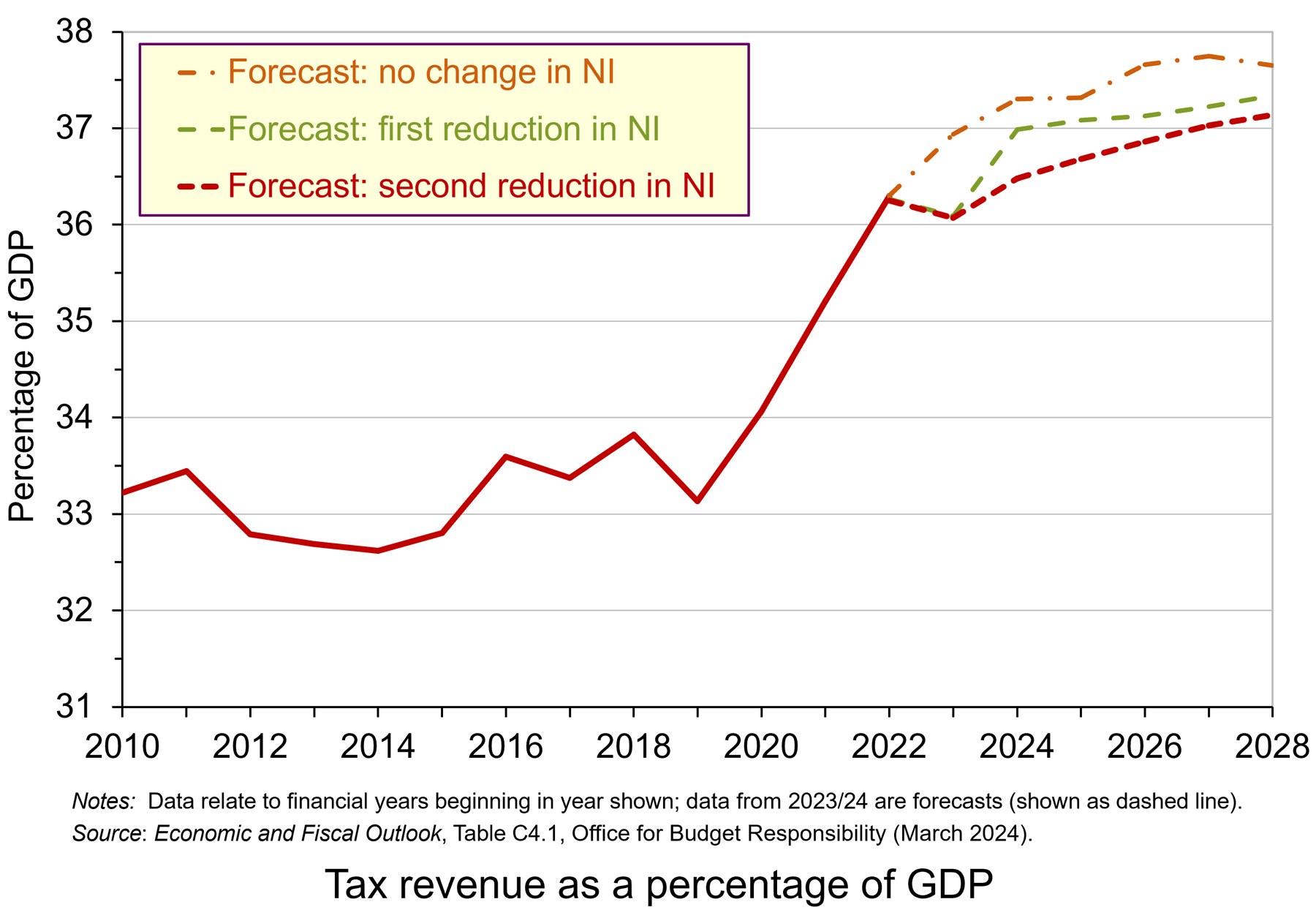 Tax revenues are still set to rise as a percentage of GDP. This is illustrated in the chart. Tax revenues were 33.2% of GDP in 2010/11. By 2022/23 the figure had risen to 36.3%. With neither of the two changes to NI (January 2024 and April 2024), the OBR forecasts that the figure would rise to 37.7% by 2028/29 – the top dashed line in the chart. After the first cut, announced in November, it forecasts a smaller rise to 37.3% – the middle dashed line. After the second cut, announced in the Spring Budget, the OBR cut the forecast figure to 37.1% – the bottom dashed line. (Click here for a PowerPoint of the chart.)
As you can see from the chart, despite the cut in NI rates, the fiscal drag from freezing thresholds means that tax revenue as a percentage of GDP is still set to rise.
Articles
Information, data and analysis
Questions
- Would fiscal drag occur with frozen nominal tax bands if there were zero real growth in incomes? Explain.
- Find out what happened to other taxes, benefits, reliefs and incentives in the 2024 Spring Budget. Assess their macroeconomic effect.
- If the government decides that it wishes to increase tax revenues as a proportion of GDP (for example, to fund increased government expenditure on infrastructure and socially desirable projects and benefits), examine the arguments for increasing personal allowances and tax bands in line with inflation but raising the rates of income tax in order to raise sufficient revenue?
- Distinguish between market-orientated and interventionist supply-side policies? Why do political parties differ in their approaches to supply-side policy?
- What is the Conservative government’s fiscal rule? Is the Spring Budget 2024 consistent with this rule?
- What policies were announced in the Spring Budget 2024 to increase productivity? Why is it difficult to estimate the financial outcome of such policies?
 Artificial intelligence is having a profound effect on economies and society. From production, to services, to healthcare, to pharmaceuticals; to education, to research, to data analysis; to software, to search engines; to planning, to communication, to legal services, to social media – to our everyday lives, AI is transforming the way humans interact. And that transformation is likely to accelerate. But what will be the effects on GDP, on consumption, on jobs, on the distribution of income, and human welfare in general? These are profound questions and ones that economists and other social scientists are pondering. Here we look at some of the issues and possible scenarios.
According to the Merrill/Bank of America article linked below, when asked about the potential for AI, ChatGPT replied:
AI holds immense potential to drive innovation, improve decision-making processes and tackle complex problems across various fields, positively impacting society.
But the magnitude and distribution of the effects on society and economic activity are hard to predict. Perhaps the easiest is the effect on GDP. AI can analyse and interpret data to meet economic goals. It can do this much more extensively and much quicker than using pre-AI software. This will enable higher productivity across a range of manufacturing and service industries. According to the Merrill/Bank of America article, ‘global revenue associated with AI software, hardware, service and sales will likely grow at 19% per year’. With productivity languishing in many countries as they struggle to recover from the pandemic, high inflation and high debt, this massive boost to productivity will be welcome.
But whilst AI may lead to productivity growth, its magnitude is very hard to predict. Both the ‘low-productivity future’ and the ‘high-productivity future’ described in the IMF article linked below are plausible. Productivity growth from AI may be confined to a few sectors, with many workers displaced into jobs where they are less productive. Or, the growth in productivity may affect many sectors, with ‘AI applied to a substantial share of the tasks done by most workers’.
Growing inequality?
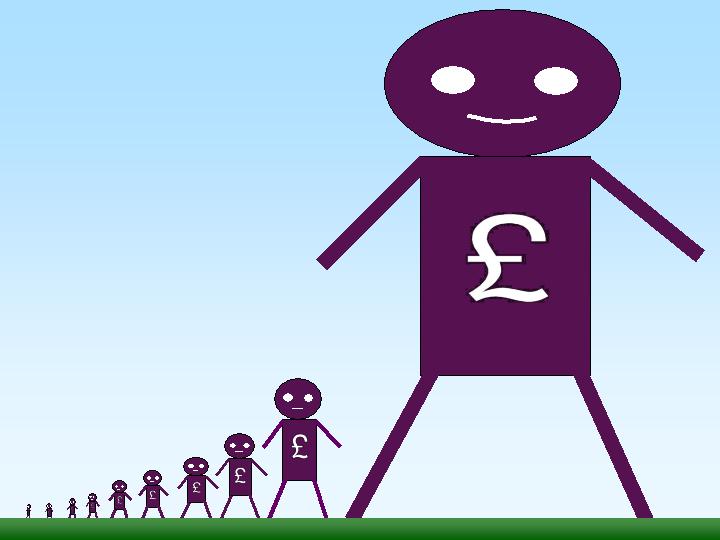 Even if AI does massively boost the growth in world GDP, the distribution is likely to be highly uneven, both between countries and within countries. This could widen the gap between rich and poor and create a range of social tensions.
In terms of countries, the main beneficiaries will be developed countries in North America, Europe and Asia and rapidly developing countries, largely in Asia, such as China and India. Poorer developing countries’ access to the fruits of AI will be more limited and they could lose competitive advantage in a number of labour-intensive industries.
Then there is growing inequality between the companies controlling AI systems and other economic actors. Just as companies such as Microsoft, Apple, Google and Meta grew rich as computing, the Internet and social media grew and developed, so these and other companies at the forefront of AI development and supply will grow rich, along with their senior executives. The question then is how much will other companies and individuals benefit. Partly, it will depend on how much production can be adapted and developed in light of the possibilities that AI presents. Partly, it will depend on competition within the AI software market. There is, and will continue to be, a rush to develop and patent software so as to deliver and maintain monopoly profits. It is likely that only a few companies will emerge dominant – a natural oligopoly.
Then there is the likely growth of inequality between individuals. The reason is that AI will have different effects in different parts of the labour market.
The labour market
 In some industries, AI will enhance labour productivity. It will be a tool that will be used by workers to improve the service they offer or the items they produce. In other cases, it will replace labour. It will not simply be a tool used by labour, but will do the job itself. Workers will be displaced and structural unemployment is likely to rise. The quicker the displacement process, the more will such unemployment rise. People may be forced to take more menial jobs in the service sector. This, in turn, will drive down the wages in such jobs and employers may find it more convenient to use gig workers than employ workers on full- or part-time contracts with holidays and other rights and benefits.
But the development of AI may also lead to the creation of other high-productivity jobs. As the Goldman Sachs article linked below states:
Jobs displaced by automation have historically been offset by the creation of new jobs, and the emergence of new occupations following technological innovations accounts for the vast majority of long-run employment growth… For example, information-technology innovations introduced new occupations such as webpage designers, software developers and digital marketing professionals. There were also follow-on effects of that job creation, as the boost to aggregate income indirectly drove demand for service sector workers in industries like healthcare, education and food services.
Nevertheless, people could still lose their jobs before being re-employed elsewhere.
The possible rise in structural unemployment raises the question of retraining provision and its funding and whether workers would be required to undertake such retraining. It also raises the question of whether there should be a universal basic income so that the additional income from AI can be spread more widely. This income would be paid in addition to any wages that people earn. But a universal basic income would require finance. How could AI be taxed? What would be the effects on incentives and investment in the AI industry? The Guardian article, linked below, explores some of these issues.
The increased GDP from AI will lead to higher levels of consumption. The resulting increase in demand for labour will go some way to offsetting the effects of workers being displaced by AI. There may be new employment opportunities in the service sector in areas such as sport and recreation, where there is an emphasis on human interaction and where, therefore, humans have an advantage over AI.
Another issue raised is whether people need to work so many hours. Is there an argument for a four-day or even three-day week? We explored these issues in a recent blog in the context of low productivity growth. The arguments become more compelling when productivity growth is high.
Other issues
AI users are not all benign. As we are beginning to see, AI opens the possibility for sophisticated crime, including cyberattacks, fraud and extortion as the technology makes the acquisition and misuse of data, and the development of malware and phishing much easier.
 Another set of issues arises in education. What knowledge should students be expected to acquire? Should the focus of education continue to shift towards analytical skills and understanding away from the simple acquisition of knowledge and techniques. This has been a development in recent years and could accelerate. Then there is the question of assessment. Generative AI creates a range of possibilities for plagiarism and other forms of cheating. How should modes of assessment change to reflect this problem? Should there be a greater shift towards exams or towards project work that encourages the use of AI?
Finally, there is the issue of the sort of society we want to achieve. Work is not just about producing goods and services for us as consumers – work is an important part of life. To the extent that AI can enhance working life and take away a lot of routine and boring tasks, then society gains. To the extent, however, that it replaces work that involved judgement and human interaction, then society might lose. More might be produced, but we might be less fulfilled.
Articles
- The Macroeconomics of Artificial Intelligence
IMF publications, Erik Brynjolfsson and Gabriel Unger (December 2023)
- Economic impacts of artificial intelligence (AI)
European Parliamentary Research Service, Marcin Szczepański (July 2019)
- Artificial intelligence: A real game changer
Chief Investment Office, Merrill/Bank of America (July 2023)
- Generative AI could raise global GDP by 7%
Goldman Sachs, Joseph Briggs (5/4/23)
- The macroeconomic impact of artificial intelligence
PwC, Jonathan Gillham, Lucy Rimmington, Hugh Dance, Gerard Verweij, Anand Rao, Kate Barnard Roberts and Mark Paich (February 2018)
- How genAI is revolutionizing the field of economics
CNN, Bryan Mena and Samantha Delouya (12/10/23)
- AI-powered digital colleagues are here. Some ‘safe’ jobs could be vulnerable.
BBC Worklife, Sam Becker (30/11/23)
- Generative AI and Its Economic Impact: What You Need to Know
Investopedia, Jim Probasco (1/12/23)
- AI is coming for our jobs! Could universal basic income be the solution?
The Guardian Philippa Kelly (16/11/23)
- CFPB chief’s warning: AI is a ‘natural oligopoly’ in the making
Politico, Sam Sutton (21/11/23)
Questions
- Which industries are most likely to benefit from the development of AI?
- Distinguish between labour-replacing and labour-augmenting technological progress in the context of AI.
- How could AI reduce the amount of labour per unit of output and yet result in an increase in employment?
- What people are most likely to (a) gain, (b) lose from the increasing use of AI?
- Is the distribution of income likely to become more equal or less equal with the development and adoption of AI? Explain.
- What policies could governments adopt to spread the gains from AI more equally?
 Since 2019, UK personal taxes (income tax and national insurance) have been increasing as a proportion of incomes and total tax revenues have been increasing as a proportion of GDP. However, in his Autumn Statement of 22 November, the Chancellor, Jeremy Hunt, announced a 2 percentage point cut in the national insurance rate for employees from 12% to 10%. The government hailed this as a significant tax cut. But, despite this, taxes are set to continue increasing. According to the Office for Budget Responsibility (OBR), from 2019/20 to 2028/29, taxes will have increased by 4.5 per cent of GDP (see chart below), raising an extra £44.6 billion per year by 2028/29. One third of this is the result of ‘fiscal drag’ from the freezing of tax thresholds.
According to the OBR
Fiscal drag is the process by which faster growth in earnings than in income tax thresholds results in more people being subject to income tax and more of their income being subject to higher tax rates, both of which raise the average tax rate on total incomes.
Income tax thresholds have been unchanged for the past three years and the current plan is that they will remain frozen until at least 2027/28. This is illustrated in the following table.
If there were no inflation, fiscal drag would still apply if real incomes rose. In other words, people would be paying a higher average rate of tax. Part of the reason is that some people on low incomes would be dragged into paying tax for the first time and more people would be paying taxes at higher rates. Even in the case of people whose income rise did not pull them into a higher tax bracket (i.e. they were paying the same marginal rate of tax), they would still be paying a higher average rate of tax as the personal allowance would account for a smaller proportion of their income.
Inflation compounds this effect. Tax bands are in nominal not real terms. Assume that real incomes stay the same and that tax bands are frozen. Nominal incomes will rise by the rate of inflation and thus fiscal drag will occur: the real value of the personal allowance will fall and a higher proportion of incomes will be paid at higher rates. Since 2021, some 2.2 million workers, who previously paid no income taxes as their incomes were below the personal allowance, are now paying tax on some of their wages at the 20% rate. A further 1.6 million workers have moved to the higher tax bracket with a marginal rate of 40%.
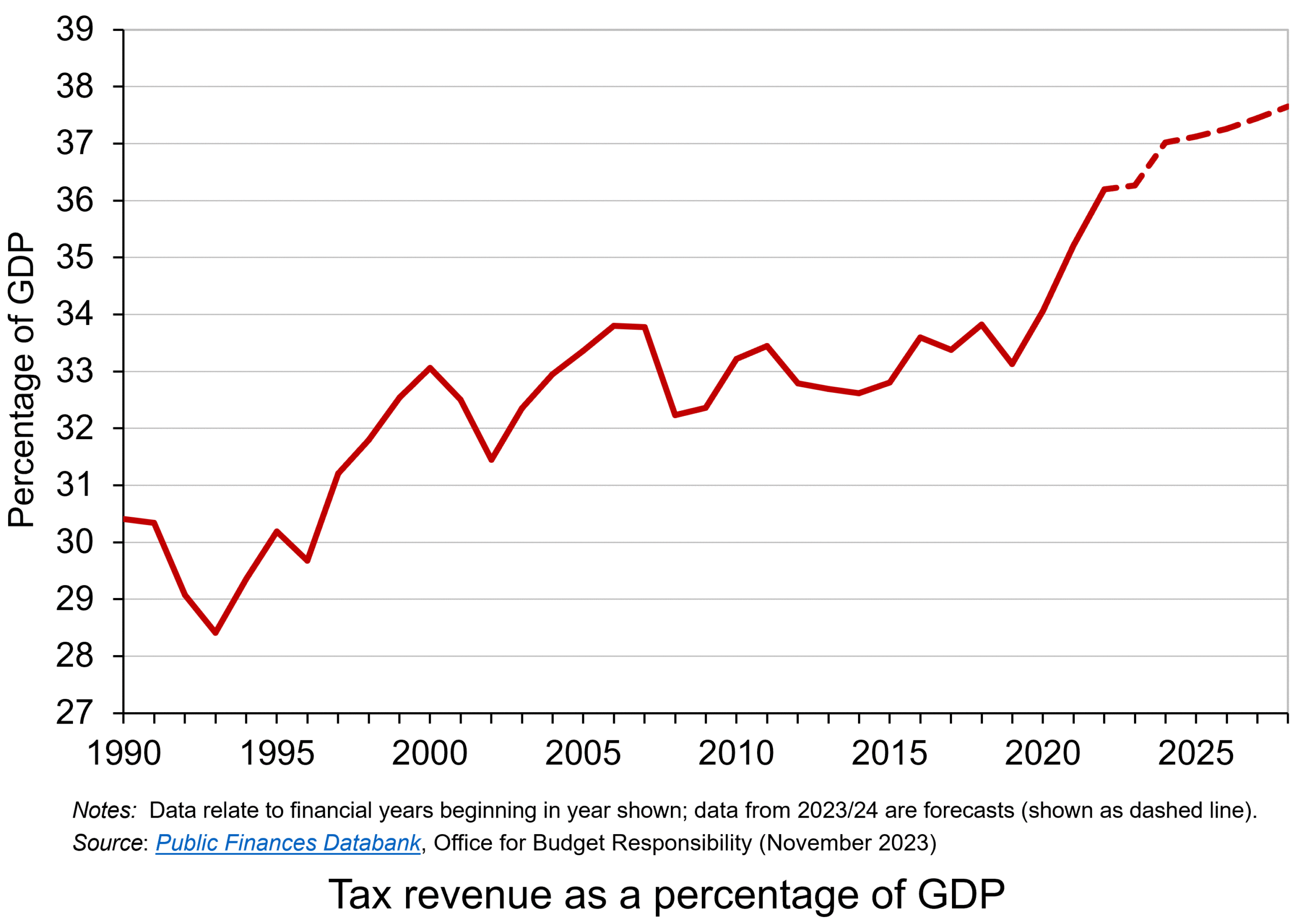 The net effect is that, although national insurance rates have been cut by 2 percentage points, the tax burden will continue rising. The OBR estimates that by 2027/28, tax revenues will be 37.4% of GDP; they were 33.1% in 2019/20. This is illustrated in the chart (click here for a PowerPoint).
Much of this rise will be the result of fiscal drag. According to the OBR, fiscal drag from freezing personal allowances, even after the cut in national insurance rates, will raise an extra £42.9 billion per year by 2027/28. This would be equivalent of the amount raised by a rise in national insurance rates of 10 percentage points. By comparison, the total cost to the government of the furlough scheme during the pandemic was £70 billion. For further analysis by the OBR of the magnitude of fiscal drag, see Box 3.1 (p 69) in the November 2023 edition of its Economic and fiscal outlook.
Political choices
 Support measures during the pandemic and its aftermath and subsidies for energy bills have led to a rise in government debt. This has put a burden on public finances, compounded by sluggish growth and higher interest rates increasing the cost of servicing government debt. This leaves the government (and future governments) in a dilemma. It must either allow fiscal drag to take place by not raising allowances or even raise tax rates, cut government expenditure or increase borrowing; or it must try to stimulate economic growth to provide a larger tax base; or it must do some combination of all of these. These are not easy choices. Higher economic growth would be the best solution for the government, but it is difficult for governments to achieve. Spending on infrastructure, which would support growth, is planned to be cut in an attempt to reduce borrowing. According to the OBR, under current government plans, public-sector net investment is set to decline from 2.6% of GDP in 2023/24 to 1.8% by 2028/29.
The government is attempting to achieve growth by market-orientated supply-side measures, such as making permanent the current 100% corporation tax allowance for investment. Other measures include streamlining the planning system for commercial projects, a business rates support package for small businesses and targeted government support for specific sectors, such as digital technology. Critics argue that this will not be sufficient to offset the decline in public investment and renew crumbling infrastructure.
To support public finances, the government is using a combination of higher taxation, largely through fiscal drag, and cuts in government expenditure (from 44.8% of GDP in 2023/24 to a planned 42.7% by 2028/29). If the government succeeds in doing this, the OBR forecasts that public-sector net borrowing will fall from 4.5% of GDP in 2023/24 to 1.1% by 2028/29. But higher taxes and squeezed public expenditure will make many people feel worse off, especially those that rely on public services.
Videos
- Fiscal drag
Sky News Politics Hub on X, Sophy Ridge (22/11/23)
- Fiscal drag
Sky News Politics Hub on X, Beth Rigby (22/11/23)
Articles
- Autumn Statement 2023 response
IFS, Stuart Adam, Bee Boileau, Isaac Delestre, Carl Emmerson, Paul Johnson, Robert Joyce, Martin Mikloš, Helen Miller, David Phillips, Sam Ray-Chaudhuri, Isabel Stockton Tom Waters, Tom Wernham and Ben Zaranko (22/11/23)
- Autumn Statement: Jeremy Hunt cuts National Insurance but tax burden still rises
BBC News, Brian Wheeler (23/11/23)
- The hidden tax rise in the Autumn Statement
BBC News, Michael Race (23/11/23)
- How is National Insurance changing and what is income tax?
BBC News (23/11/23)
- UK income tax: how fiscal drag leads to people falling into higher rates
The Guardian, Antonio Voce and Ashley Kirk (22/11/23)
- Will I be pulled into a higher tax band? How ‘fiscal drag’ affects your pay
i News, Alex Dakers (23/11/23)
- Fiscal drag could cost high earners £4,000 by 2027
MoneyWeek, Marc Shoffman (16/11/23)
- Why the UK government’s tax cuts still leave workers worse off
CNBC, Elliot Smith (23/11/23)
- National insurance cuts swamped by stealth tax rise, says fiscal watchdog
Financial Times, Emma Agyemang (22/11/23)
- Frozen income tax bands eat into benefits of NI cut, say experts
FT Adviser, Tara O’Connor (23/11/23)
- Jeremy Hunt’s fiscal fudge
Financial Times editorial (22/11/23)
Report and data from the OBR
Questions
- Would fiscal drag occur with frozen nominal tax bands if there were zero real growth in incomes? Explain.
- Examine the arguments for continuing to borrow to fund a Budget deficit over a number of years.
- When interest rates rise, how much does this affect the cost of servicing public-sector debt? Why is the effect likely to be greater in the long run than in the short run?
- If the government decides that it wishes to increase tax revenues as a proportion of GDP (for example, to fund increased government expenditure on infrastructure and socially desirable projects and benefits), examine the arguments for increasing personal allowances and tax bands in line with inflation but raising the rates of income tax in order to raise sufficient revenue?
- Distinguish between market-orientated and interventionist supply-side policies? Why do political parties differ in their approaches to supply-side policy?
 A recent report published by the High Pay Centre shows that the median annual CEO pay of the FTSE 100 companies rose by 15.7% in 2022, from £3.38 million in 2021 to £3.91 million – double the UK CPIH inflation rate of 7.9%. Average total pay across the whole economy grew by just 6.0%, representing a real pay cut of nearly 2%.
The pay of top US CEOs is higher still. The median annual pay of S&P 500 CEOs in 2022 was a massive $14.8 million (£11.7 million). However, UK top CEOs earn a little more than those in France and Germany. The median pay of France’s CAC40 CEOs was €4.9 million (£4.2 million). This compares with a median of £4.6 million for the CEOs of the top 40 UK companies. The mean pay of Germany’s DAX30 CEOs was €6.1 million (£5.2 million) – lower than a mean of £6.0 million for the CEOs of the top 30 UK companies.
The gap between top CEO pay and that of average full-time workers narrowed somewhat after 2019 as the pandemic hit company performance. However, it has now started widening again. The ratio of the median UK CEO pay to the median pay of a UK full-time worker stood at 123.1 in 2018. This fell to 79.1 in 2020, but then grew to 108.1 in 2021 and 118.1 in 2022.
The TUC has argued that workers should be given seats on company boards and remuneration committees that decide executive pay. Otherwise, the gap is likely to continue rising, especially as remuneration committees in specific companies seek to benchmark pay against other large companies, both at home and abroad. This creates a competitive upward push on remuneration. What is more, members of remuneration committees have the incentive to be generous as they themselves might benefit from the process in the future.
Although the incomes of top CEOs is huge and growing, even if they are excluded, there is still a large gap in incomes between high and low earners generally in the UK. In March 2023, the top 1 per cent of earners had an average gross annual income of just over £200 000; the bottom 10 per cent had an average gross annual income of a little over £8500 – just 4.24% of the top 1 per cent (down from 4.36% in March 2020).
What is more, in recent months, the share of profits in GDP has been rising. In 2022 Q3, gross profits accounted for 21.2% of GDP. By 2023 Q2, this had risen to 23.4%. As costs have risen, so firms have tended to pass a greater percentage increase on to consumers, blaming these price increases on the rise in their costs.
Life at the bottom
 The poor spend a larger proportion of their income on food, electricity and gas than people on average income; these essential items have a low income elasticity of demand. But food and energy inflation has been above that of CPIH inflation.
In 2022, the price of bread rose by 20.5%, eggs by 28.9%, pasta by 29.1%, butter by 29.4%, cheese by 32.6% and milk by 38.5%; the overall rise in food and non-alcoholic beverages was 16.9% – the highest rise in any of the different components of consumer price inflation. In the past two years there has been a large increase in the number of people relying on food banks. In the six months to September 2022, there was a 40% increase in new food bank users when compared to 2021.
As far as energy prices are concerned, from April 2022 to April 2023, under Ofgem’s price cap, which is based on wholesale energy prices, gas and electricity prices would have risen by 157%, from £1277 to £3286 for the typical household. The government, however, through the Energy Price Guarantee restricted the rise to an average of £2500 (a 96% rise). Also, further help was given in the form of £400 per household, paid in six monthly instalments from October 2022 to March 2023, effectively reducing the rise to £2100 (64%). Nevertheless, for the poorest of households, such a rise meant a huge percentage increase in their outgoings. Many were forced to ‘eat less and heat less’.
 Many people have got into rent arrears and have been evicted or are at risk of being so. As the ITV News article and videos linked below state: 242 000 households are experiencing homelessness including rough sleeping, sofa-surfing and B&B stays; 85% of English councils have reported an increase in the number of homeless families needing support; 97% of councils are struggling to find rental properties for homeless families.
Financial strains have serious effects on people’s wellbeing and can adversely affect their physical and mental health. In a policy research paper, ‘From Drained and Desperate to Affluent and Apathetic’ (see link below), the consumer organisation, Which?, looked at the impact of the cost-of-living crisis on different groups. It found that in January 2023, the crisis had made just over half of UK adults feel more anxious or stressed. It divided the population into six groups (with numbers of UK adults in each category in brackets): Drained and Desperate (9.2m), Anxious and At Risk (7.9m), Cut off by Cutbacks (8.8m), Fretting about the Future (7.7m), Looking out for Loved Ones (8.9m), Affluent and Apathetic (8.8m).
The majority of the poorest households are in the first group. As the report describes this group: ‘Severely impacted by the crisis, this segment has faced significant physical and mental challenges. Having already made severe cutbacks, there are few options left for them.’ In this group, 75% do not turn the heating on when cold, 63% skip one or more meals and 94% state that ‘It feels like I’m existing instead of living’.
Many of those on slightly higher incomes fall into the second group (Anxious and At Risk). ‘Driven by a large family and mortgage pressure, this segment has not been particularly financially stable and experienced mental health impacts. They have relied more on borrowing to ease financial pressure.’
Although inflation is now coming down, prices are still rising, interest rates have probably not yet peaked and real incomes for many have fallen significantly. Life at the bottom has got a lot harder.
Articles
- FTSE 100 CEOs get half a million pound pay rise
High Pay Centre (21/8/23)
- Call for reforms as median FTSE 100 chief executive pay topped £3.91m in 2022
Sky News, Sarah Taaffe-Maguire (22/8/23)
- FTSE 100 bosses given average 16% pay rises
Financial Times, Michael O’Dwyer, George Parker and Jim Pickard (21/8/23)
- Median pay for a FTSE 100 CEO increased from £3.38 million in 2021 to £3.91 million in 2022, the High Pay Centre said
Morningstar, Alliance News (22/8/23)
- FTSE 100 bosses ‘given average pay rise of £500,000 in 2022’
The Guardian, Rupert Neate (22/8/23)
- Big firm bosses’ pay rose 16% as workers squeezed
BBC News, Michael Race (22/8/23)
- Anxious and at risk? Britons fall into six cost of living groups, report finds
The Guardian, Robert Booth (29/7/23)
- From Drained and Desperate to Affluent and Apathetic
Which?, Nicole Chan, Katie Alpin and Ash Strange (29/7/23)
- To grasp the extent of inequality, look at the relatively well-off
LSE blog, Gerry Mitchell and Marcos González Hernando (17/7/23)
- Growing inequality across Britain has left millions of families exposed to the cost-of-living crisis
Resolution Foundation, Lalitha Try (25/1/23)
- Earned income taxed twice as heavily as capital gains for some in UK, study finds
The Guardian, Phillip Inman (20/8/23)
- Reducing inequality benefits everyone — so why isn’t it happening?
Nature, Editorial (16/8/23)
- Homeless families forced to live in tents and hotels as temporary accommodation runs out
ITV News, Daniel Hewitt (22/8/23)
Reports
Data
Questions
- What are the arguments for and against giving huge pay awards to CEOs?
- What are the arguments for and against raising the top rate of income tax to provide extra revenue to distribute to the poor? Distinguish between income and substitution effects.
- What policies could be adopted to alleviate poverty? Why are such policies not adopted?
- Using the ONS publication, the Effects of taxes and benefits on UK household income, find out how the distribution of income between the various decile groups of household income has changed over time? Comment on your findings.