 Economic journalists, commentators and politicians have been examining the possible economic effects of a Yes vote in the Scottish independence referendum on 18 September. For an economist, there are two main categories of difficulty in examining the consequences. The first is the positive question of what precisely will be the consequences. The second is
  the normative question of whether the likely effects will be desirable or undesirable and how much so.
The first question is largely one of ‘known unknowns’. This rather strange term was used in 2002 by Donald Rumsfeld, US Secretary of Defense, in the context of intelligence about Iraq. The problem is a general one about forecasting the future. We may know the types of thing that are likely happen, but the magnitude of the outcome cannot be precisely known because there are so many unknowable things that can influence it.
Here are some known issues of Scottish independence, but with unknown consequences (at least in precisely quantifiable terms). The list is certainly not exhaustive and you could probably add more questions yourself to the list.
|
|
| • |
Will independence result in lower or higher economic growth in the short and long term? |
| • |
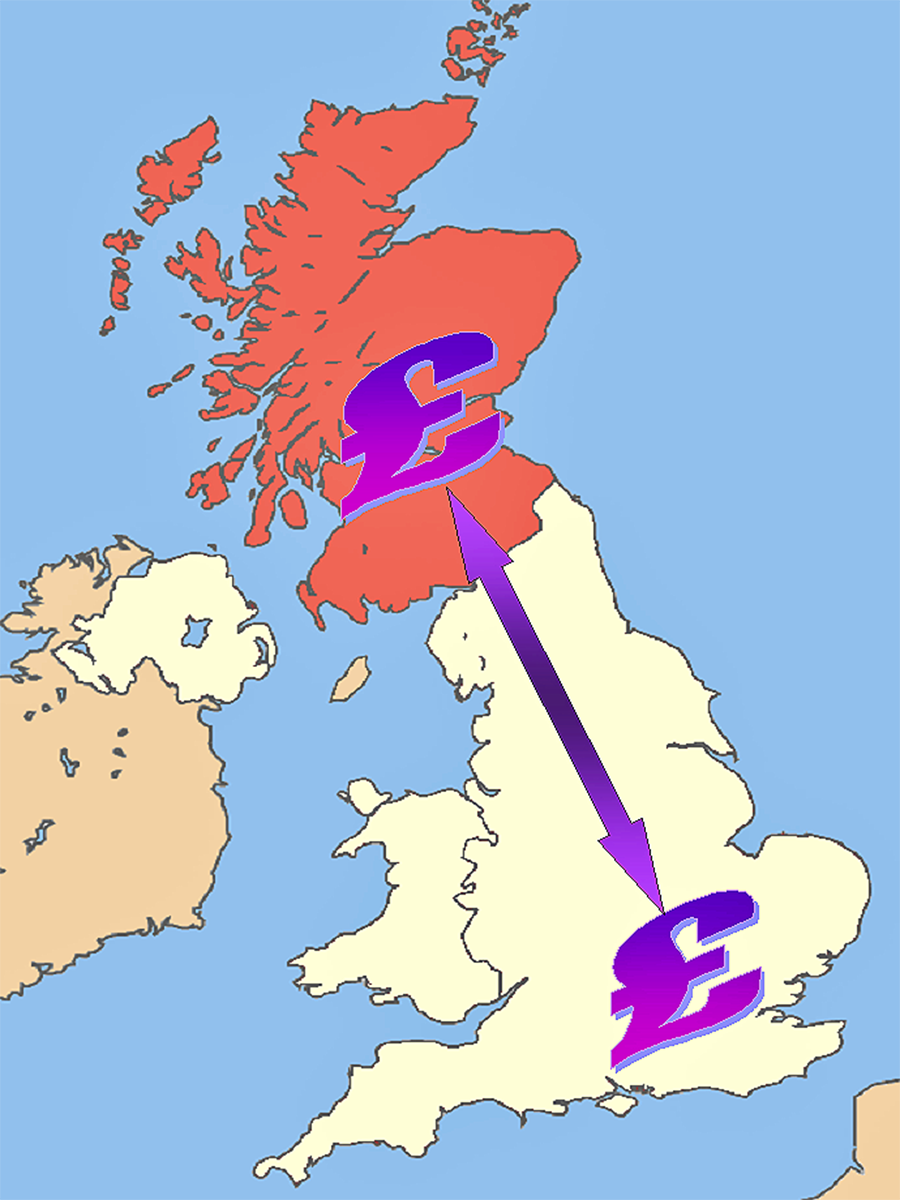
Will there be a currency union, with Scotland and the rest of the UK sharing the pound and a central bank? Or will Scotland merely use the pound outside a currency union? Would it prefer to have its own currency or join the euro over the longer term? |
| • |
What will happen to the sterling exchange rate with the dollar, the euro and various other countries? |
| • |
How will businesses react? Will independence encourage greater inward investment in Scotland or will there be a net capital outflow? And either way, what will be the magnitude of the effect? |
| • |
How will assets, such as oil, be shared between Scotland and the rest of the UK? And how will national debt be apportioned? |
| • |
How big will the transition costs be of moving to an independent Scotland? |
| • |
How will independence impact on Scottish trade (a) with countries outside the UK and (b) with the rest of the UK? |
| • |
What will happen about Scotland’s membership of the EU? Will other EU countries, such as Spain (because of its concerns about independence movements in Catalonia and the Basque country), attempt to block Scotland remaining in or rejoining the EU? |
| • |
What will happen to tax rates in Scotland, with the new Scottish government free to set its own tax rates? |
| • |
What will be the consequences for Scottish pensions and the Scottish pensions industry? |
| • |
What will happen to the distribution of income in Scotland? How might Scottish governments behave in terms of income redistribution and what will be its consequences on output and growth? |
Of course, just because the effects cannot be known with certainty, attempts are constantly being made to quantify the outcomes in the light of the best information available at the time. These are refined as circumstances change and newer data become available.
 But forecasts also depend on the assumptions made about the post-referendum decisions of politicians in Scotland, the rest of the UK and in major trading partner countries. It also depends on assumptions about the reactions of businesses. Not surprisingly, both sides of the debate make assumptions favourable to their own case.
Then there is the second category of question. Even if you could quantify the effects, just how desirable would they be? The issue here is one of the weightings given to the various costs and benefits. How would you weight distributional consequences, given that some people will gain or lose more than others? What social discount rate would you apply to future costs and benefits?
Then there are the normative and largely unquantifiable costs and benefits. How would you assess the desirability of political consequences, such as greater independence in decision-making or the break-up of a union dating back over 300 years? But these questions about nationhood are crucial issues for many of the voters.
Articles
Scottish Independence would have Broad Impact on UK Economy NBC News, Catherine Boyle (9/9/14)
Scottish independence: the economic implications The Guardian, Angela Monaghan (7/9/14)
Scottish vote: Experts warn of potential economic impact BBC News, Matthew Wall (9/9/14)
The economics of Scottish independence: A messy divorce The Economist (21/2/14)
Dispute over economic impact of Scottish independence Financial Times, Mure Dickie, Jonathan Guthrie and John Aglionby (28/5/14)
10 economic benefits for a wealthier independent Scotland Michael Gray (6/3/14)
Scottish independence, UK dependency New Economics Foundation (NEF), James Meadway (4/9/14)
Scottish Jobs and the World Economy Scottish Economy Watch, Brian Ashcroft (25/8/14)
Scottish yes vote: what happens to the pound in your pocket? Channel 4 News (9/9/14)
What price Scottish independence? BBC News, Robert Peston (12/9/14)
What price Scottish independence? BBC News, Robert Peston (7/9/14)
Economists can’t tell Scots how to vote BBC News, Robert Peston (16/9/14)
Books and Reports
The Economic Consequences of Scottish Independence Scottish Economic Society and Helmut Schmidt Universität, David Bell, David Eiser and Klaus B Beckmann (eds) (August 2014)
The potential implications of independence for businesses in Scotland Oxford Economics, Weir (April 2014)
Questions
- What is a currency union? What implications would there be for Scotland being in a currency union with the rest of the UK?
- If you could measure the effects of independence over the next ten years, would you treat £1m of benefits or costs occurring in ten years’ time the same as £1m of benefits and costs occurring next year? Explain.
- Is it inevitable that events occurring in the future will at best be known unknowns?
- If you make a statement that something will occur in the future and you turn out to be wrong, was your statement a positive one or a normative one?
- What would be the likely effects of Scottish independence on the current account of the balance of payments (a) for Scotland; (b) for the rest if the UK?
- How does inequality in Scotland compare with that in the rest of the UK and in other countries? Why might Scottish independence lead to a reduction in inequality? (See the chapter on inequality in the book above edited by David Bell, David Eiser and Klaus B Beckmann.)
- One of the problems in assessing the arguments for a Yes vote is uncertainty over what would happen if there was a majority voting No. What might happen in terms of further devolution in the case of a No vote?
- Why is there uncertainty over the amount of national debt that would exist in Scotland if it became independent?
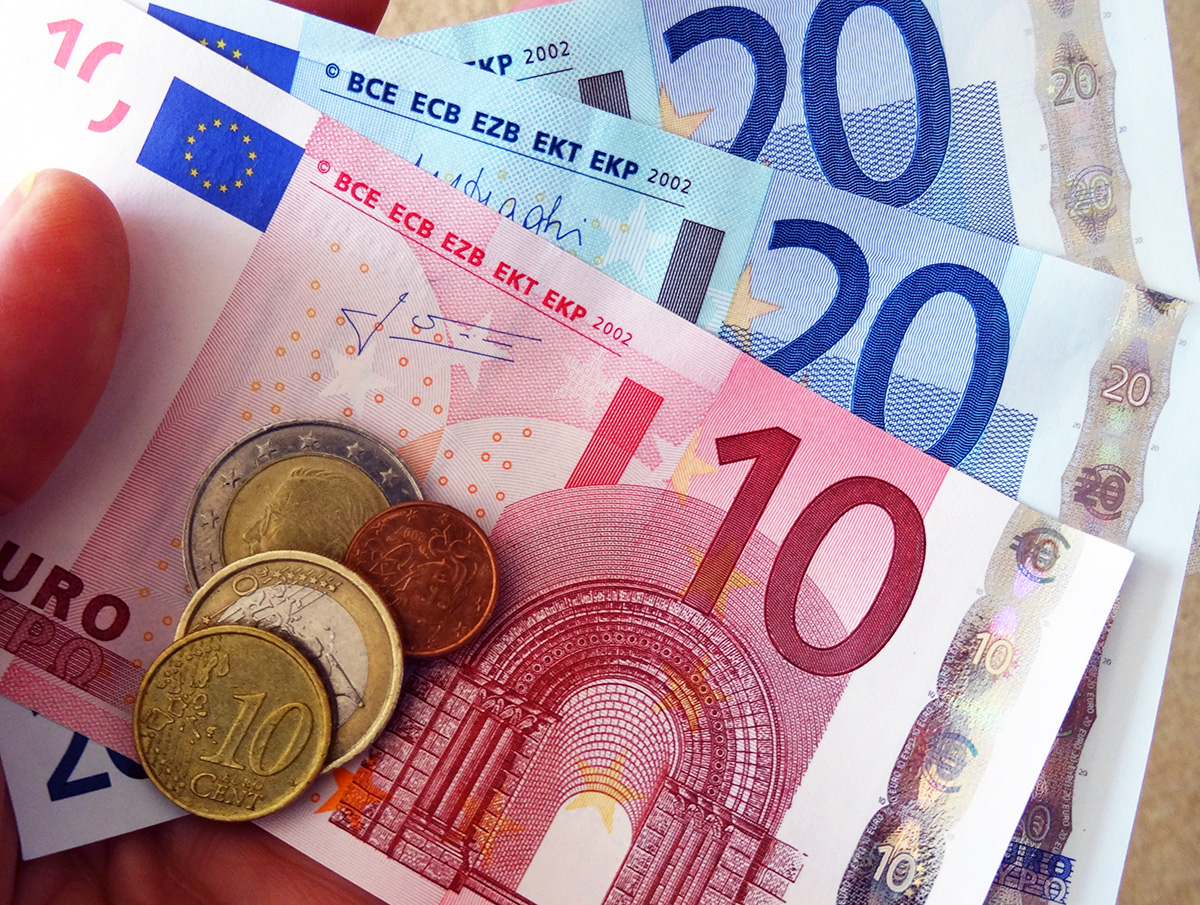
 As we saw in the blog post last month, Eurozone becalmed the doldrums, the eurozone economy is stagnant and there is a growing danger that it could sink into a deflationary spiral. Last month, several new measures were announced by the ECB, including a negative interest rate on money deposited in the ECB by banks in the eurozone. This month, the ECB has gone further including, for the first time, a form of quantitative easing.
So what has been announced, and will it help to kick-start the eurozone economy? The measures were summarised by Mario Draghi, President of the ECB, at a press conference as follows:
The Governing Council decided today to lower the interest rate on the main refinancing operations of the Eurosystem by 10 basis points to 0.05% and the rate on the marginal lending facility by 10 basis points to 0.30%. The rate on the deposit facility was lowered by 10 basis points to –0.20%. In addition, the Governing Council decided to start purchasing non-financial private sector assets.
The Eurosystem will purchase a broad portfolio of simple and transparent asset-backed securities (ABSs) with underlying assets consisting of claims against the euro area non-financial private sector under an ABS purchase programme (ABSPP). This reflects the role of the ABS market in facilitating new credit flows to the economy and follows the intensification of preparatory work on this matter, as decided by the Governing Council in June. In parallel, the Eurosystem will also purchase a broad portfolio of euro-denominated covered bonds issued by MFIs domiciled in the euro area under a new covered bond purchase programme (CBPP3). Interventions under these programmes will start in October 2014.
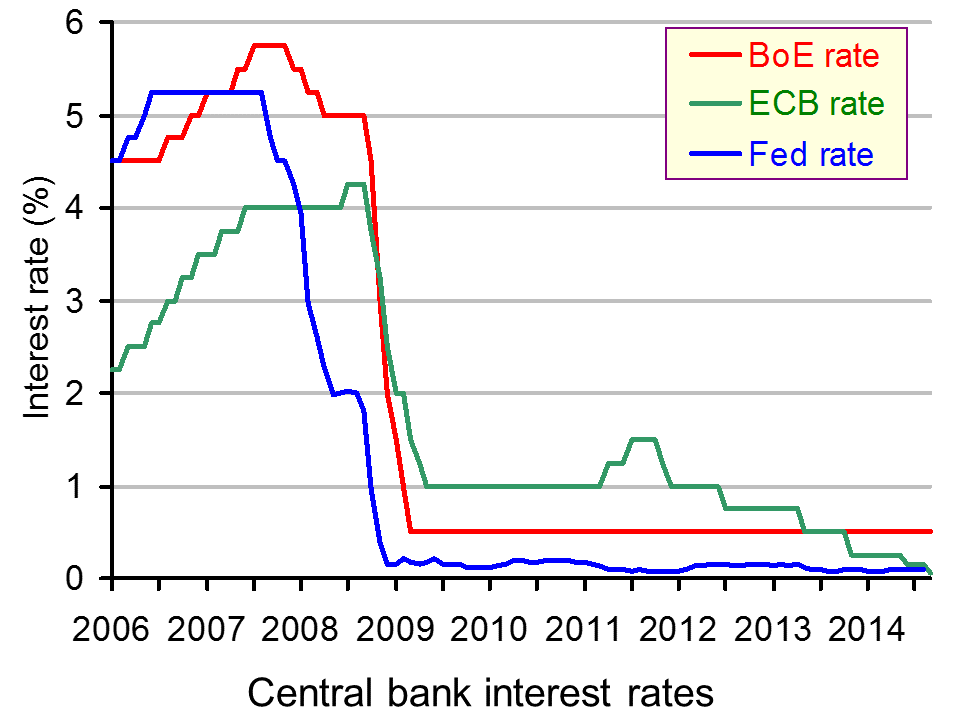
To summarise: the ECB has cut interest rates, with the main rate cut to virtually zero (i.e. 0.05%). This represents a floor to interest rates, as, according to Mario Draghi, there is now no scope for further cuts. (Click here for a PowerPoint of the chart.)
In addition, the ECB will begin the outright purchase of private-sector securities. This is a form of quantitative easing as it will involve the purchase of assets with newly created money. In the past, the ECB has simply offered loans to banks, with assets owned by banks used as collateral. This form of quantitative easing has been dubbed ‘QE light’, as it does not involve the purchase of government bonds, something the German government in particular has resisted. The ECB recognises that it would be a sensitive matter to buy government bonds of countries, such as Greece, Spain and Cyprus, which have been criticised for excessive borrowing.
Nevertheless, if it involves the creation of new money, purchasing private-sector assets is indeed a form of QE. As Mario Draghi said in response to a question on this matter:
QE is an outright purchase of assets. To give an example: rather than accepting these assets as collateral for lending, the ECB would outright purchase these assets. That’s QE. It would inject money into the system. Now, QE can be private-sector asset-based, or also sovereign-sector, public-sector asset-based, or both. The components of today’s measures are predominantly oriented to credit easing. However, it’s quite clear that we would buy outright ABS only if there is a guarantee.
So with appropriate guarantees in place about the soundness of these securitised assets, the ECB will purchase them outright.
But will these measures be enough? Time will tell, but there are now several measures in the pipeline, which could see a large stimulus to bank lending. The main question is whether banks will indeed take the opportunity to lend or merely hoard the extra reserves. And that depends in large part on the demand for credit from businesses and consumers. Boosting that is difficult when the economic climate is pessimistic.
Articles
Draghi’s ECB surprise puts off bigger quantitative easing for now Reuters, John O’Donnell (5/9/14)
ECB President Mario Draghi pulls stimulus lever at last, but still no quantitative easing for eurozone Independent, Ben Chu (5/9/14)
ECB cuts rates and launches stimulus programme BBC News (4/9/14)
Draghi Push for ECB Easing Intensifies Focus on ABS Plan Bloomberg, Stefan Riecher and Jeff Black (4/9/14)
 Draghi Sees Almost $1 Trillion Stimulus as QE Fight Waits Bloomberg, Simon Kennedy (5/9/14)
Draghi’s Case For ECB Quantitative Easing Forbes, Jon Hartley (8/9/14)
ECB’s last roll of the dice BBC News, Robert Peston (4/9/14)
Draghi’s eurozone steroids BBC News, Robert Peston (2/10/14)
Draghinomics – Abenomics, European-style The Guardian, Nouriel Roubini (1/9/14)
ECB Press Release
Introductory statement to the press conference (with Q&A) European Central Bank, Mario Draghi, President of the ECB (4/9/14)
Webcast of the press conference 4 September 2014 European Central Bank, Mario Draghi, President of the ECB (4/9/14)
Questions
- Summarise the ECB’s monetary policy measures that will be coming into effect over the coming months.
- How does the QE announced by Mario Draghi differ from the QE that has been used by the Bank of England?
- Would it be a realistic option for the ECB to reduce its main rate below zero, just as it did with the deposit facility rate?
- What is meant by ‘securitisation’. Explain how asset-backed securities (ABSs) and covered bonds are forms of securitised assets.
- Why will the purchase of mortgage-backed securities not necessarily give a boost to the housing market?
- How does the effectiveness of any QE programme depend on what happens to the velocity of circulation of created money?
- What determines this velocity of circulation?
- Why are ‘animal spirits’ so important in determining the effectiveness of monetary policy?
- Are there any moral hazards in the ECB actions? If so what are they?
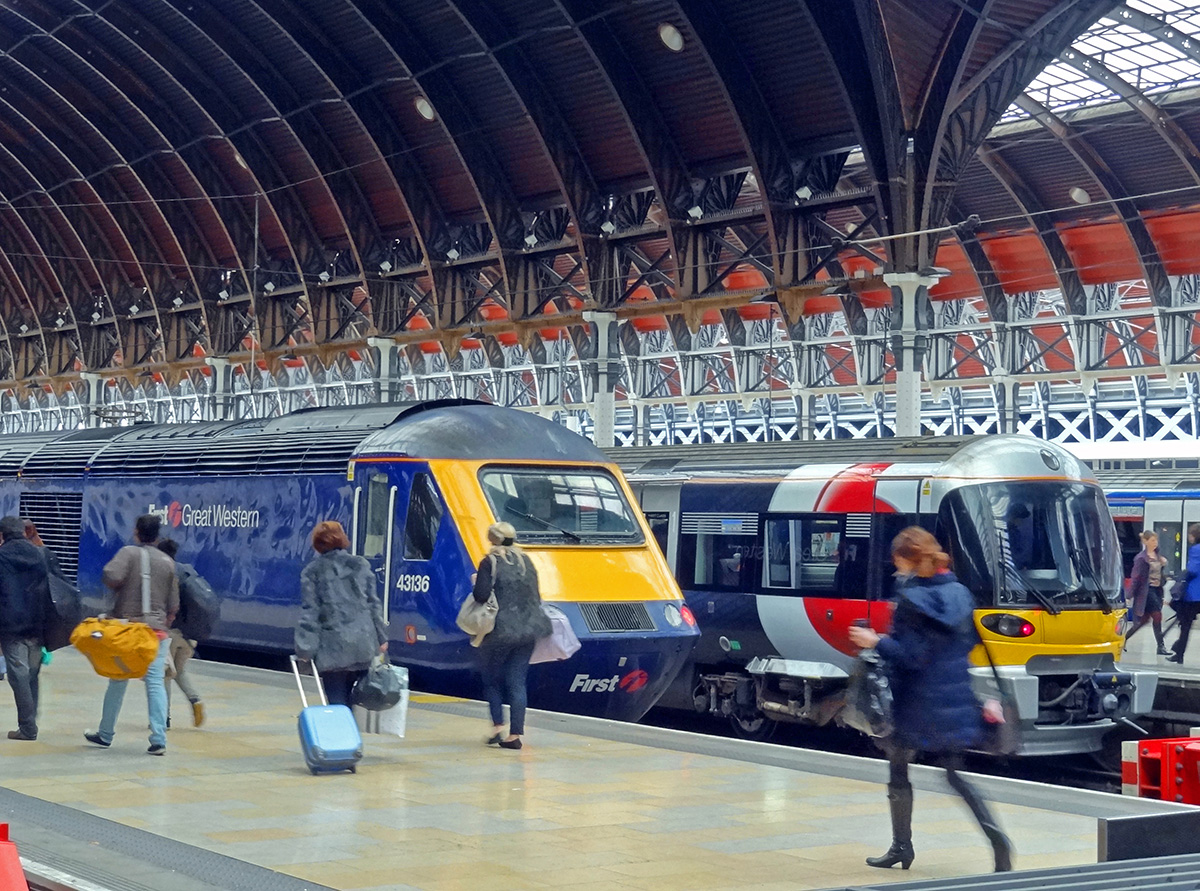
 Over the past few decades, numerous areas within the British economy have been partly or fully privatized and one such case is British Rail. Why is this relevant now? We’re once again looking at the potential increase in rail fares across the country and the impact this will have on commuters and households. So, have the promises of privatisation – namely lower fares – actually materialised?
Comparing the increase in rail fares with that of the RPI makes for interesting reading. Data obtained back in January 2013 shows that since 1995, when the last set of British Rail fares were published, the RPI has been 66%, according to data from Barry Doe and this compares unfavourably with the increase in a single ticket from London to Manchester which had increased by over 200%. However, it compares favourably with a season ticket, which had only increased by 65%. In the last couple of years, increased in rail fares have been capped by the government to increase by no more than the rate of inflation. As such, customers are likely to be somewhat insulated from the increases that were expected, which could have ranged between 3 and 5%.
This announcement has been met with mixed reviews, with many in support of such caps and the benefit this will bring to working households, including Passenger Focus, the rail customer watchdog. Its Passenger Director, David Sidebottom said:
The capping of rail fare rises by inflation will be welcome news to passengers in England, especially those who rely on the train for work, as will the ban on train companies increasing some fares by more than the average. It is something we have been pushing for, for several years now and we are pleased that the Government has recognised the need to act to relieve the burden on passengers.
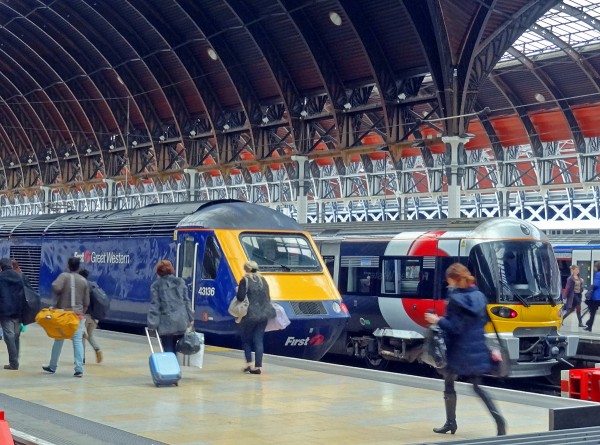 However, others have criticised the increases in rail fares, given the cost of living crisis and the potential 9% pay rise for MPs. The acting General Secretary of the RMT transport union commented:
The announcement from George Osborne does not stack up to a freeze for millions of people whose incomes are stagnant due to years of austerity. To try and dress this up as benefiting working people is pure fraud on the part of the Government … Tomorrow, RMT will be out at stations across the north where some off-peak fares will double overnight.
Commuters in different parts of the country do face different prices and with some changes in peak travel times in the Northern part of the country, it is expected that some customers will see significant hikes in prices. Peak travel prices being higher is no surprise and there are justifiable reasons for this, but would such changes in peak times in the North have occurred had we still been under British Rail? Privatisation should bring more competition, lower prices and government revenue at the point of sale. Perhaps you might want to look in more detail at the actual to see whether or not you think the benefits of privatisation have actually emerged. The following articles consider the latest announcement regarding rail fares.
Rail fares to increase by 2.5% in January after Osborne caps price rises at no more than inflation Mail Online, Tom McTague (7/9/14)
Have train fares gone up or down since British Rail? BBC News, Tom Castella (22/1/13)
Rail fares to match inflation rate for another 12 months The Guardian (7/9/14)
Britain caps rail fares at inflation Reuters (7/9/14)
Regulated rail fares to increase by 3.5% in 2015 BBC News (19/8/14)
Northern commuters face big rise in fares for evening travel The Guardian, Gwyn Topham (7/9/14)
Commuter rail fares frozen again, says George Osborne BBC News (7/8/14)
Rail fares, the third payroll tax Financial Times, Jonathan Eley (22/8/14)
Questions
- What are the general advantages and disadvantages of privatisation, whether it is of British Rail or British Gas?
- Why is it that season tickets have increased by less than the RPI, but single tickets have increased by more?
- What are the conditions needed to allow train companies to charge a higher price at peak travel times?
- Are higher prices at peak times an example of price discrimination? Explain why or why not.
- In the Financial Times article, it is suggested that rail fares are like a payroll tax. What is a payroll tax and why are rail fares related to this? Does it suggest that the current method of setting rail fares is equitable?
- Based on the arguments contained in the articles, do you think the cap on rail fares is sufficient?
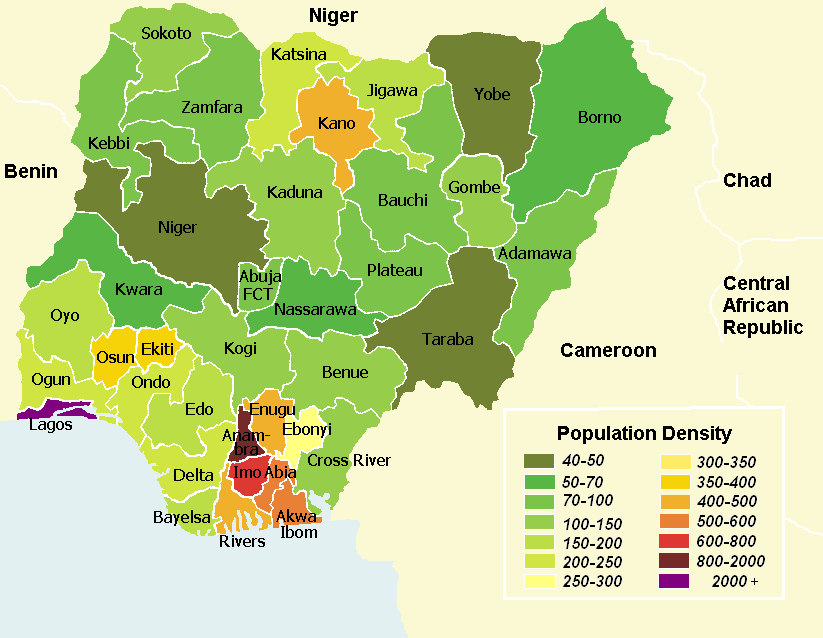
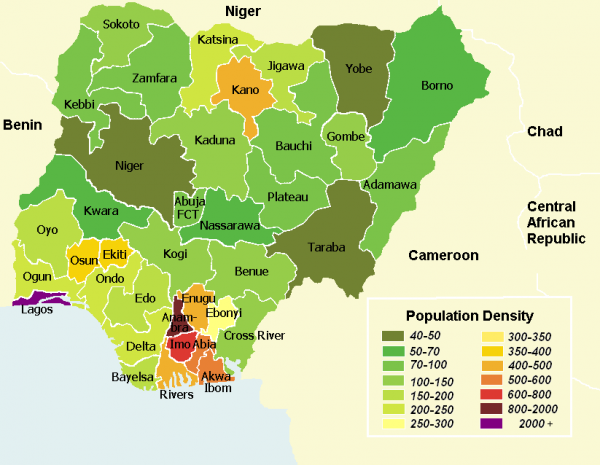 I found this interesting article on the BBC News website about three students in Nigeria who have created an online job search company. Only five years later, this company now is valued in the millions and employs over 100 people.
The article below contains some interesting insights into the Nigerian job market and the key to success for this company. In particular, they note the effect of the multiplier through job creation and how this has been used to benefit the wider economy. This is particularly pertinent given the severe unemployment problem that has affected this African economy. It has helped 35,000 people to find jobs in the past two years.
How three students created Nigeria’s online jobs giant BBC News, Jason Boswell (2/9/14)
Questions
- What are the main causes of the unemployment problem in Nigeria?
- The company itself employs hundreds of people, but indirect employment effects have also occurred. How has this happened?
- How important are entrepreneurs in African countries as a means of helping their development?
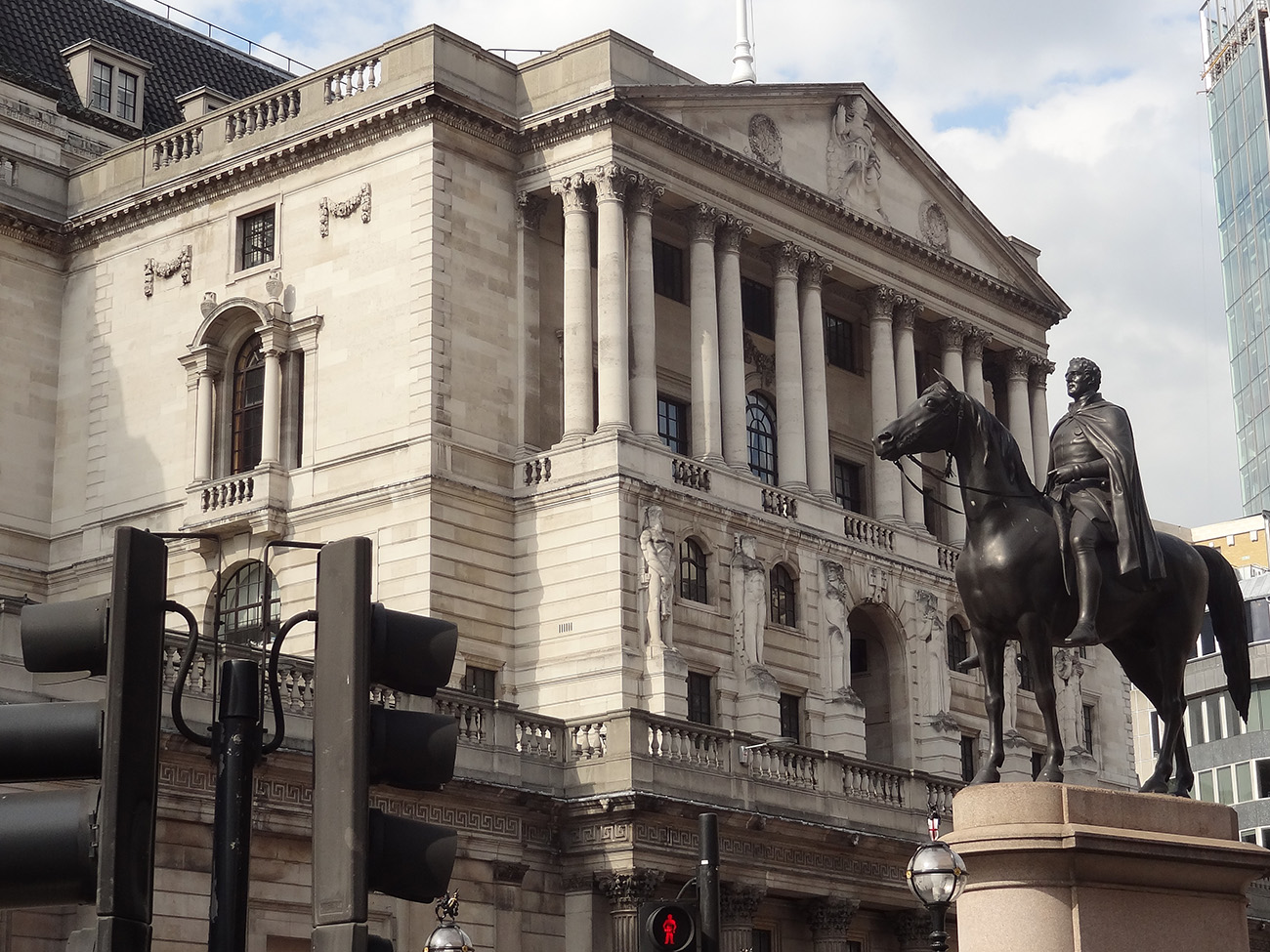
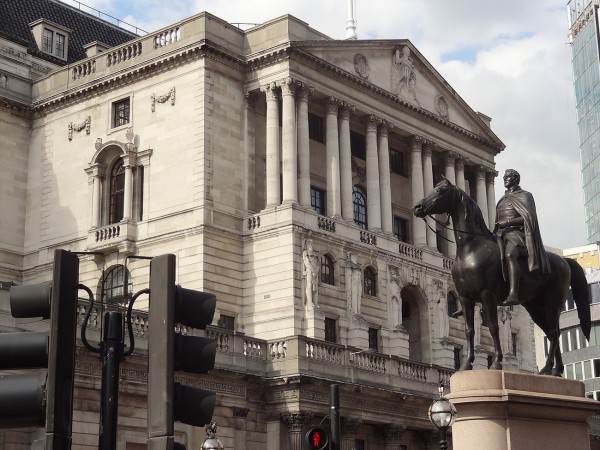 In 2009, interest rates in the UK were cut to a record low of 0.5%. Since that point, there has been almost unanimous agreement amongst the members of the Monetary Policy Committee to keep rates at this low. It is only in the last couple of months when some have even voted to raise rates. However, this month, interest rates were once again held at 0.5%.
The low interest rates have played a key part in creating an economic stimulus for the UK economy. With low interest rates, some of the key components of aggregate demand are stimulated and this in turn is crucial in creating a growth environment. However, with the recovery of the UK economy, there are now expectations that interest rates may soon begin to rise. Perhaps adding to this expectation is the fact that the bank’s stimulus programme has remained unchanged at £375bn. As more data is released that continues to show the positive progress of the UK economy, it becomes increasingly likely that interest rates will soon rise.
Despite the fact that interest rates will inevitably increase, Mark Carney has said that any increase will be slow and gradual to minimise the effect on consumers, especially home-owners. Mortgage payments are typically the biggest expenditure for a household and so any increase in interest rates will certainly put added pressure on home-owners and with wage growth still remaining slow, there are concerns of the impact this may have. Perhaps this may continue to deter some of the Committee for voting in favour of interest rate rises. There does appear to be some conflict between economists as to what the next step is likely to be. Yael Selfin is the economics director at KPMG and said:
With inflationary pressures still subdued, it is no surprise that rates have been held … Despite recent revisions to GDP and productivity, there is still room for further improvements in productivity, to mop up some of the rise in demand over the coming months. Steady falls in unemployment and strong economic growth are likely to see rates rising in February next year.
However, Andrew Goodwin, who is the senior economic adviser to the EY ITEM Club commented that:
On one hand, the stronger performance might convince some members that the economy is sufficiently robust to withstand the steady tightening of policy, although it should be noted that the Bank routinely builds into its forecasts the expectation of some upward revisions to the recent historical data … On the flip side, the revisions also provide some ammunition for those of a dovish persuasion, with evidence that a stronger productivity performance has had little feed through into inflationary pressures.
The key question therefore appears to be not whether interest rates will increase, but when. The MPC certainly considers inflation when making its decisions, but over the past few years, it is economic growth which has probably been the biggest influence. The data for the UK economy over the coming months, as well as the fast-approaching General Election, will prove crucial in determining exactly when interest rates increase. The following articles consider this monetary policy change.
UK interest rates held at record low of 0.5% BBC News (4/9/14)
Bank of England holds interest rates at 0.5pc for 66th month The Telegraph, Szu Ping Chan (4/9/14)
Timing of UK interest rate hike mired in UK services sector conundrum International Business Times, Lianna Brinded (3/9/14)
Interest rates expected to hold Mail Online, Press Association (31/8/14)
Bank of England holds rates despite robust recovery Reuters, Andy Bruce (4/9/14)
Bank of England keeps record-low rate on weak inflation Bloomberg, Scott Hamilton (4/9/14)
Questions
- By outlining the key components of aggregate demand, explain the mechanisms by which interest rates will affect each component.
- How can inflation rates be affected by interest rates?
- Why is there a debate between economists and the MPC as to when interest rates should be increased?
- If interest rates do increase, how is this likely to affect home-owners?
- What are the advantages and disadvantages of a slow and gradual rise as opposed to one big rise?
 Economic journalists, commentators and politicians have been examining the possible economic effects of a Yes vote in the Scottish independence referendum on 18 September. For an economist, there are two main categories of difficulty in examining the consequences. The first is the positive question of what precisely will be the consequences. The second is
  But forecasts also depend on the assumptions made about the post-referendum decisions of politicians in Scotland, the rest of the UK and in major trading partner countries. It also depends on assumptions about the reactions of businesses. Not surprisingly, both sides of the debate make assumptions favourable to their own case.