 There has been considerable discussion recently about whether the government should introduce a property tax on high value properties. The government, finding it difficult to reduce the public-sector deficit and yet determined to do so, is looking for additional measures to reduce government expenditure or raise tax revenue.
But would it favour a mansion tax as a means of raising additional revenue?
The imposition of such a tax is favoured by both Liberal Democrats and the Labour Party. It is strongly opposed, however, by Conservatives. But just what would such a tax look like and what are the arguments for and against it?
One alternative would be to impose a one-off tax on property valued over a certain amount, such as £2 million. Alternatively it could be levied only for as long as the government is seeking to make substantial inroads into the deficit.
Another would be to add one or more bands to council tax. At present, council tax in England is levied in 8 bands according to the value of a person’s property. The highest band is for property valued over £320,000 in 1991 prices, with the amount of tax due for each band varying from local authority to local authority. (Average UK house prices in 2012 are 135% higher than in 1991.) In Scotland the bands are lower with the top band being for property valued over £212,000 in 1991 prices. In Wales, there is an additional band for property valued over £424,000, but properties are valued in 2003 prices, not 1991 prices.
With low top bands for council tax, people in mansions end up paying the same as people in much more modest property. It would be relatively easy to add additional bands, with the top band applying only to property worth, say, over £1 million or more.
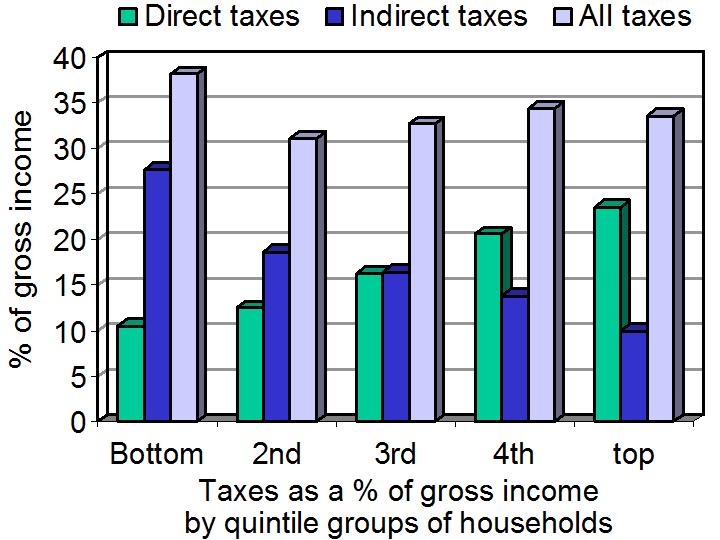 The arguments in favour of a mansion tax are that it is progressive, relatively easy to collect, hard to evade and with minimal disincentive effects. The arguments against are that it would make the tax system ‘too progressive’, would not necessarily be related to an individual’s ability to pay and could have substantial disincentive effects.
The progressiveness of the UK tax system is illustrated in the chart, which looks at the proportion of income paid in direct, indirect and all taxes by quintile groups of households – that is, households grouped into five equal sized groups ranked from lowest to highest gross income. (Click here for a PowerPoint of the chart.)
The following articles look at the debate as it has raged over the past few weeks. Try to unpick the genuine arguments from the political rhetoric!
Articles
Clegg Says U.K. Could Apply Mansion Tax ‘in Five Seconds’ Bloomberg, Robert Hutton (25/9/12)
Two thirds back mansion tax on £1m homes Metro, Tariq Tahir (8/10/12)
Mansion tax would ‘tackle inequality’ This is Tamworth (27/9/12)
Council tax: the easy way to make mansion-dwellers pay Guardian, Simon Jenkins (25/9/12)
 Rich must pay fair share in tax BBC Andrew Marr Show, Nick Clegg (23/9/12)
We will get mansion tax on £2 million homes through next budget, promise Lib Dems The Telegraph, Rowena Mason (25/9/12)
Trying to tax the wealthy not worth the price The Scotsman, George Kerevan (31/8/12)
Tax on wealth is true to Tory principles Financial Times, Janan Ganesh (24/9/12)
How would Clegg’s emergency wealth tax work? Guardian, Hilary Osborne (29/8/12)
Labour considers mansion tax on wealthy Financial Times, George Parke (5/9/12)
Conservative conference: Cameron rules out ‘mansion tax’ BBC News (7/10/12)
Don’t make wealth tax a habit Financial Times, Howard Davies (29/8/12)
George Osborne blocks mansion tax, but insists wealthy will pay more The Telegraph, Robert Winnett (8/10/12)
Why George Osborne had to kill the mansion tax The Spectator, Matthew Sinclair (7/10/12)
David Cameron rules out mansion tax and plans further welfare cuts Guardian, Hélène Mulholland (7/10/12)
Viewpoint: Would a wealth tax work? BBC News, Mike Walker (29/8/12)
For all the claims made about wealth taxes, it’s not correct to say the rich are paying their fair share Independent, Jonathan Portes (2/10/12)
Data
House price data links Economics Network
The Effects of Taxes and Benefits on Household Income, 2010/2011 ONS (26/6/12) (see especially Tables 2 and 3 and Table 26 for historical data)
Questions
- Explain the distinction between direct and indirect taxes, and between progressive and regressive taxes. For what reasons do the poor pay a higher proportion of their income in indirect taxes than the rich?
- What forms can a tax on wealth take?
- How progressive are taxes in the UK (see the ONS site in the Data section above)?
- Assess the arguments in favour of a mansion tax.
- Assess the arguments against a mansion tax.
- What type of wealth tax would be hardest to evade?
- What are the likely income and substitution effects of a wealth tax?
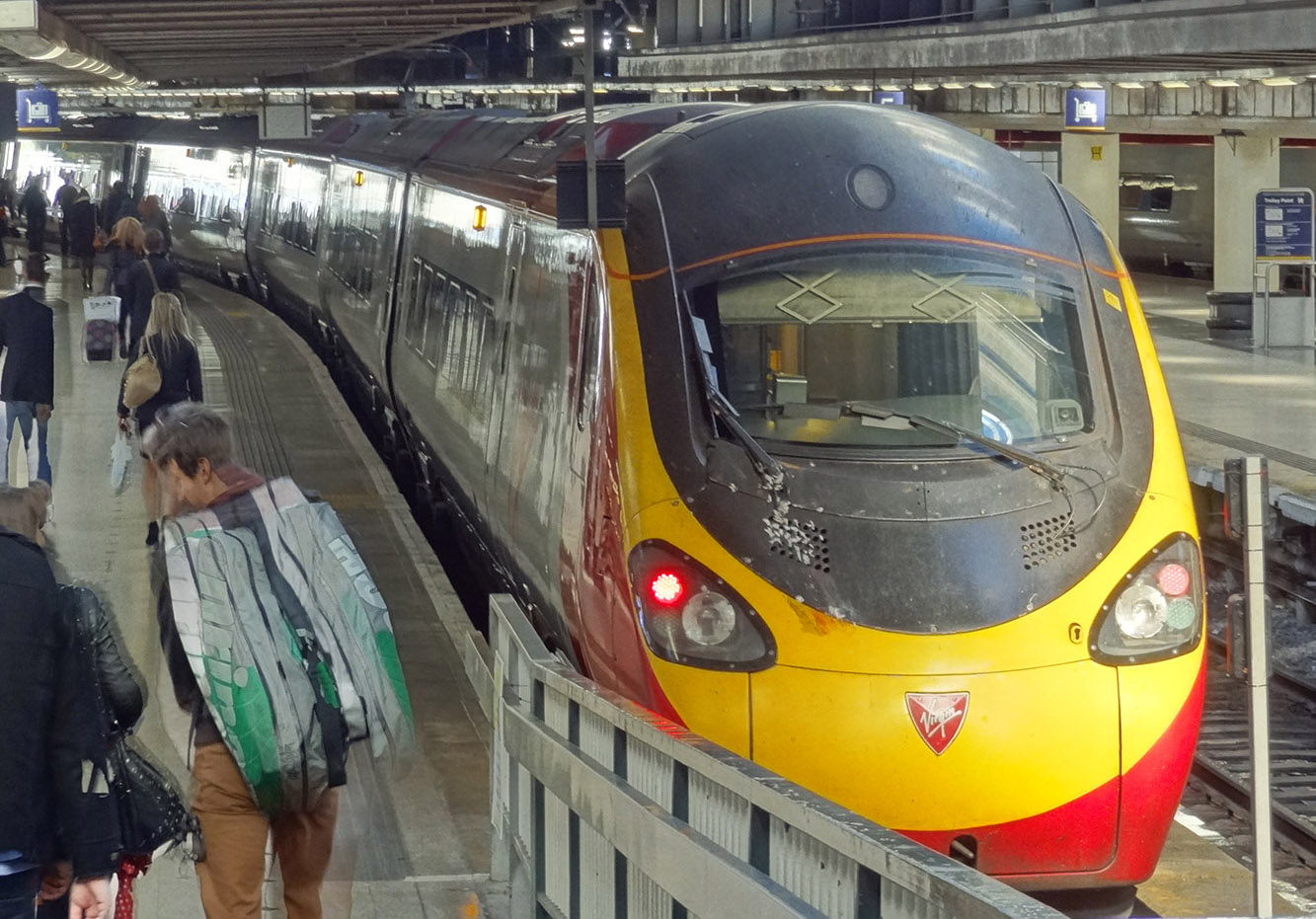
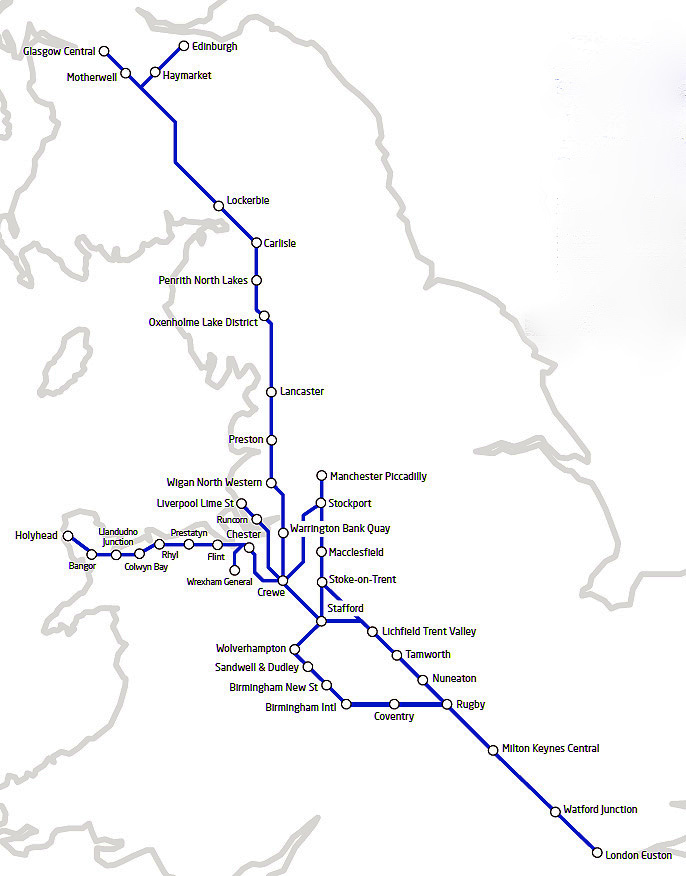
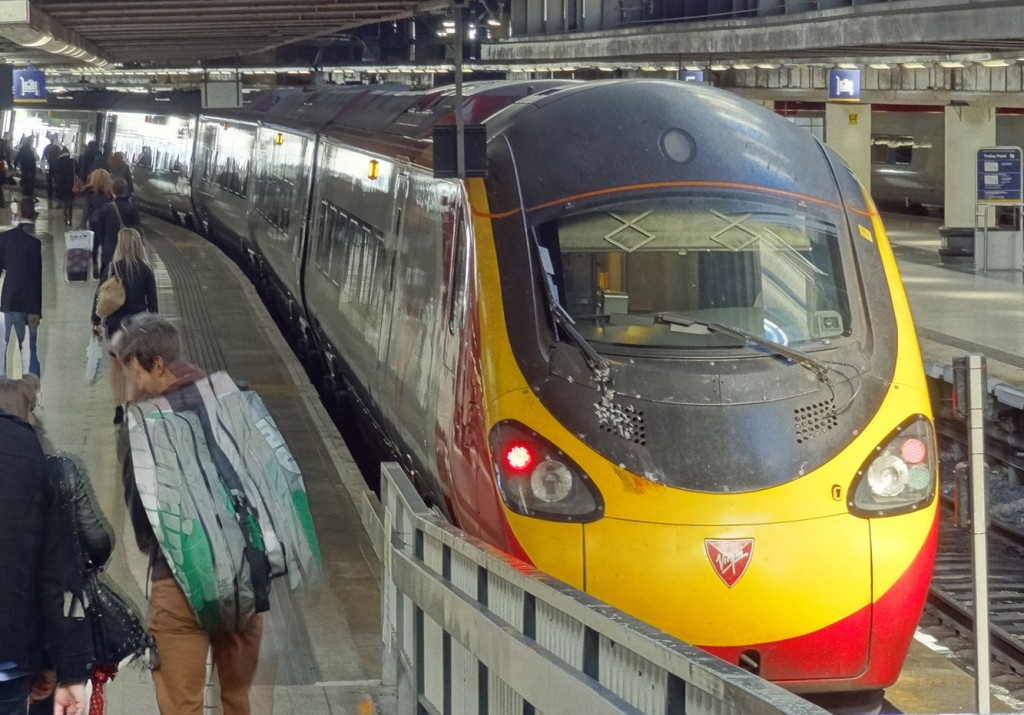 Virgin’s franchise to run the West Coast Main Line from London to Birmingham, Manchester, Liverpool, Glasgow and Edinburgh was due to expire in December. The Department of Transport thus invited tenders to run a new 13-year franchise, worth around £5 billion, and on 15 August announced that the franchise had been awarded to FirstGroup. It had bid substantially more than Virgin.
Virgin immediately challenged the decision, arguing that FirstGroup’s figures were flawed. According to the second BBC article below:
It argued that FirstGroup’s revenue projections were wildly optimistic – that passenger growth of 6% a year was unlikely given that Virgin had seen growth of 5% a year from a much lower base. This level of passenger growth would have seen FirstGroup’s revenue from the franchise grow by more than 10% a year, which was simply unrealistic, Virgin argued.
And it is not alone. “Everybody in the industry thought that this bid was not sustainable and that the risks had not been taken into account by the Department for Transport,” says rail industry expert Christian Wolmar.
If revenue targets are not met, the franchisee doesn’t have the money to pay the government the promised fee for the contract, which in FirstGroup’s case was back-loaded towards the end of the 13-year term.
After making its decision, the Transport Secretary at the time, Justine Greening, said that the process of assessing the bid was robust and fair and conducted with due diligence. Sir Richard Branson of Virgin strongly and publicly disagreed and Virgin decided to take the Department of Transport to court. The court case was scheduled to begin on 4 October.
 However, in preparing its case to put to the court, the Department of Transport uncovered significant errors in the evaluation of the bids. These errors involved the overestimation of passenger numbers, the undervaluation of risk and a failure to take inflation into account. The errors stemmed from inputting the data incorrectly.
The errors were so serious that the new Transport Secretary, Patrick McLoughlin, on the day before the court case was due to begin, announced that he was scrapping the contract to FirstGroup and would invite new bids. All four of the original bidders would have their costs refunded, amounting to some £40 million.
 The minister also announced that he was setting up two reviews. One would seek to establish just what went wrong in the assessment of the West Coat Main Line bids and what lessons could be learned. This is due to report at the end of October. The other review would examine the wider rail franchise programme and how bids are appraised. In the meantime, three other franchise competitions had been ‘paused’ pending the results of this second review, due to report in December.
The articles look at the problems of assessing bids and properly taking into account risks associated with both revenue and cost projections. Not surprisingly, they also look at the politics of this amazing and unprecedented U-turn
Webcasts and podcasts
West Coast Main Line rail franchise deal scrapped BBC News, Richard Westcott (3/10/12)
West coast rail franchise deal scrapped Channel 4 News, Krishnan Guru-Murthy (3/10/12)
‘Major problem’ for West Coast Main Line BBC Today Programme, Louise Ellman (3/10/12)
Philip Hammond on West Coast Main Line contract BBC News, Andrew Neil (7/10/12)
Virgin to run West Coast route ‘for at least nine months’ BBC News, Richard Westcott (15/10/12)
Articles
British transport secretary cancels West Coast franchise International Railway Journal, David Briginshaw (3/10/12)
Wrong track: Another humiliation for the government The Economist (5/10/12)
West Coast Main Line: total chaos as government scraps franchise deal The Telegraph, Alistair Osborne (3/10/12)
West Coast Main Line deal scrapped after contract flaws discovered BBC News (3/10/12)
Q&A: West Coast Main Line franchise BBC News (4/10/12)
What derailed the Transport Department BBC News, Robert Peston (3/10/12)
Transport official suspended over rail fiasco is ex-Goldman banker Independent, Oliver Wright and Cahal Milmo (5/10/12)
West Coast Main Line: Civil servant Kate Mingay speaks out BBC News (6/10/12)
Civil servant: I wasn’t to blame over West Coast bid The Telegraph, Louise Armitstead (5/10/12)
West coast rail fiasco: three government officials suspended Guardian, Gwyn Topham (3/10/12)
What does west coast shambles mean for big rail franchises? Guardian, Dan Milmo (3/10/12)
West coast mainline fiasco may claim further victims Guardian, Gwyn Topham and Dan Milmo (4/10/12)
The West Coast mainline, wasted taxes, and a secretive shambles at the heart of the Civil Service Independent, Steve Richards (4/10/12)
Why all the West Coast bids were wrong BBC News, Robert Peston (9/10/12)
Questions
- What were reasons for awarding the contract to FirstGroup back in August?
- How is discounting used to assess the value of projected future revenue and costs? How does the choice of the rate of discount impact on these calculations?
- In what way should risk be taken into account?
- Why was the FirstGroup bid particularly sensitive to the calculation of risk?
- If both costs and revenues go up with inflation, how is inflation relevant to the calculation of the profitability of a bid?
- What are the arguments for and against making franchises longer?
- Is it only at the bidding stage that there is any competition for train operators? Explain.
- Should full social costs and benefits be taken into account when assessing bids for a rail franchise? Explain.
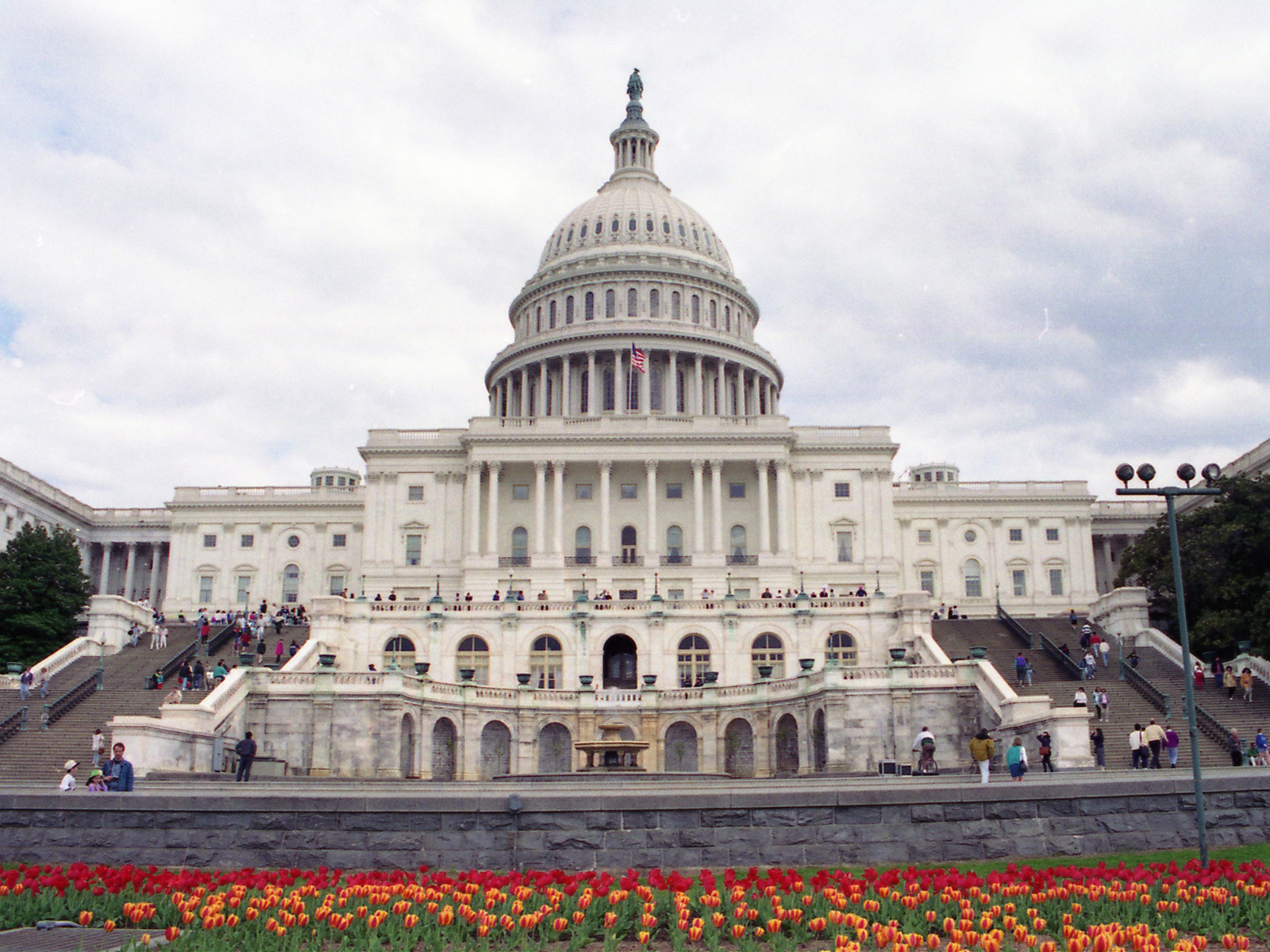
 At the start of 2013, the USA faces a ‘fiscal cliff’. By this is meant that, without agreement by Congress on new fiscal measures, the USA will be forced into tax rises and expenditure cuts of around $650 billion (over 4% of GDP). This would probably push the economy straight back into recession. This in turn would have a serious dampening effect on the global economy.
But why would fiscal policy be automatically tightened? The first reason is that tax cuts given under the George W. Bush administration during 2001–3 (largely to the rich) are due to expire. Also a temporary cut in payroll taxes and an increase in tax credits given by President Obama are also due to end. These tax increases would form the bulk of the tightening. The average US household would pay an extra $3500 in taxes, reducing after-tax income by around 6%.
The second reason is that various government expenditure programmes are scheduled to be reduced. These reductions in expenditure amount to around $110 billion.
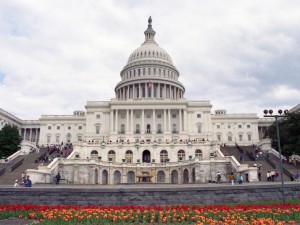 It is likely, however, that Congress will agree to delay or limit the tax increases or expenditure cuts; politicians on both sides want to avoid sending the economy back into recession. But what the agreement will be is not at all clear at this stage.
Republicans are taking a tougher line than Democrats on cutting the budget deficit; they are calling for considerably less restraint in implementing the government expenditure cuts. On the other hand, they are likely to be less willing to raise taxes.
But unless something is done, the consequences for 2013 could be dire. The fiscal cliff edge rapidly approaches.
Articles
Nearly 90 percent of Americans would see taxes rise if ‘fiscal cliff’ hits Washington Post, Lori Montgomery (1/10/12)
Fiscal cliff a serious threat, but unlikely CNN Money, Chris Isidore (1/10/12)
“Fiscal cliff” fears may impede faster job growth Chicago Tribute, Lucia Mutikani (1/10/12)
Avert Fiscal Cliff With Entitlement Cuts, Tax Increases Bloomberg (2/10/12)
‘Fiscal cliff’ to hit 90% of US families Financial Times, James Politi (1/10/12)
Investors don’t want the US to fall off the fiscal cliff The Telegraph, Tom Stevenson (22/9/12)
Gauging the fiscal cliff BBC News, Stephanie Flanders (27/9/12)
The US fiscal cliff – and the fiscal chasm BBC News, Stephanie Flanders (2/10/12)
US fiscal cliff threat fails to galvanise policymakers Guardian Economics blog, Mohamed el-Erian (1/10/12)
Multiplying Europe’s fiscal suicide (technical) The Telegraph, Ambrose Evans-Pritchard (1/10/12)
Q&A: The US fiscal cliff BBC News (7/11/12)
US election: Four more years… of what? BBC News, Stephanie Flanders (7/11/12)
Background
United States fiscal cliff Wikipedia
Questions
- Explain what is meant by the ‘fiscal cliff’ and what is its magnitude.
- What would be the multiplier implications of the USA ‘falling off the cliff’ both for the USA and for the rest of the world?
- What factors determine the size of the government expenditure and tax multipliers? What would be the problems of (a) underestimating and (b) overestimating the size of these multipliers?
- How can a fiscal stimulus be reconciled with a policy of reducing the size of the budget deficit as a proportion of GDP over the longer term?
- In what ways can the actions of Democrats and Republicans be seen as game playing? What are the possible payoffs and risks to both sides?
- Is relying on export growth to bring the world economy out of recession a zero sum game?
- Explain which is likely to be more effective in stimulating short- and medium-term economic growth in the USA: fiscal policy or monetary policy.
 With the winter fast approaching, consumers have already begun to stock up on warmer clothes. This has contributed towards consumer spending increasing faster in September than it has in the past 3 years. According to Visa Europe’s UK expenditure index, sales in August increased by 1.2pc, but in September they rose month-on-month by 3pc.
But whilst sales on the high-street increased, sales on-line and over the telephone declined. It seems that the recent decrease in temperature is just what the retail sector ordered, as people took to the high streets.
Furthermore, recent improvements in consumer income, together with lower inflation and rising employment have all contributed towards a growth in spending. However, as consumer confidence remains at a relatively low level, it is unlikely that the winter will bring much of a change to growth in the economy. The Chief Economist at Markit said:
However, consumer confidence remains historically low as uncertainty about the economy and job security persists, suggesting that the bounce in spending seen in the third quarter could be as good as it gets for the foreseeable future.
 Although the lower temperature has caused a boost in consumption, once people have made their ‘investment’ in warmer clothes, retail spending may once again decline. Hence the above comment by Markit, which suggests that further sustained increases in consumer spending may still be some way off.
The following few articles look at the latest data on retail spending.
UK consumer spending ‘rose in September’ BBC News (5/10/12)
Consumer spending increases by 3pc The Telegraph (5/10/12)
Consumer spending increases by 3% The Press Association (5/10/12)
UK retail sales: what the analysts say Guardian (20/9/12)
Online sales and wet weather boost John Lewis Scotsman, Peter Ranscombe (5/10/12)
Questions
- Which factors typically affect consumer spending?
- Using a diagram, illustrate the impact of this increase in consumption on national output and the price level.
- Is it possible that a multiplier effect may occur with the August and September rise in retail sales?
- Why is consumer confidence remaining low? Which components of aggregate demand does it affect?
- Explain why (a) lower inflation, (b) the colder weather and (c) rising employment have caused consumer spending to rise.
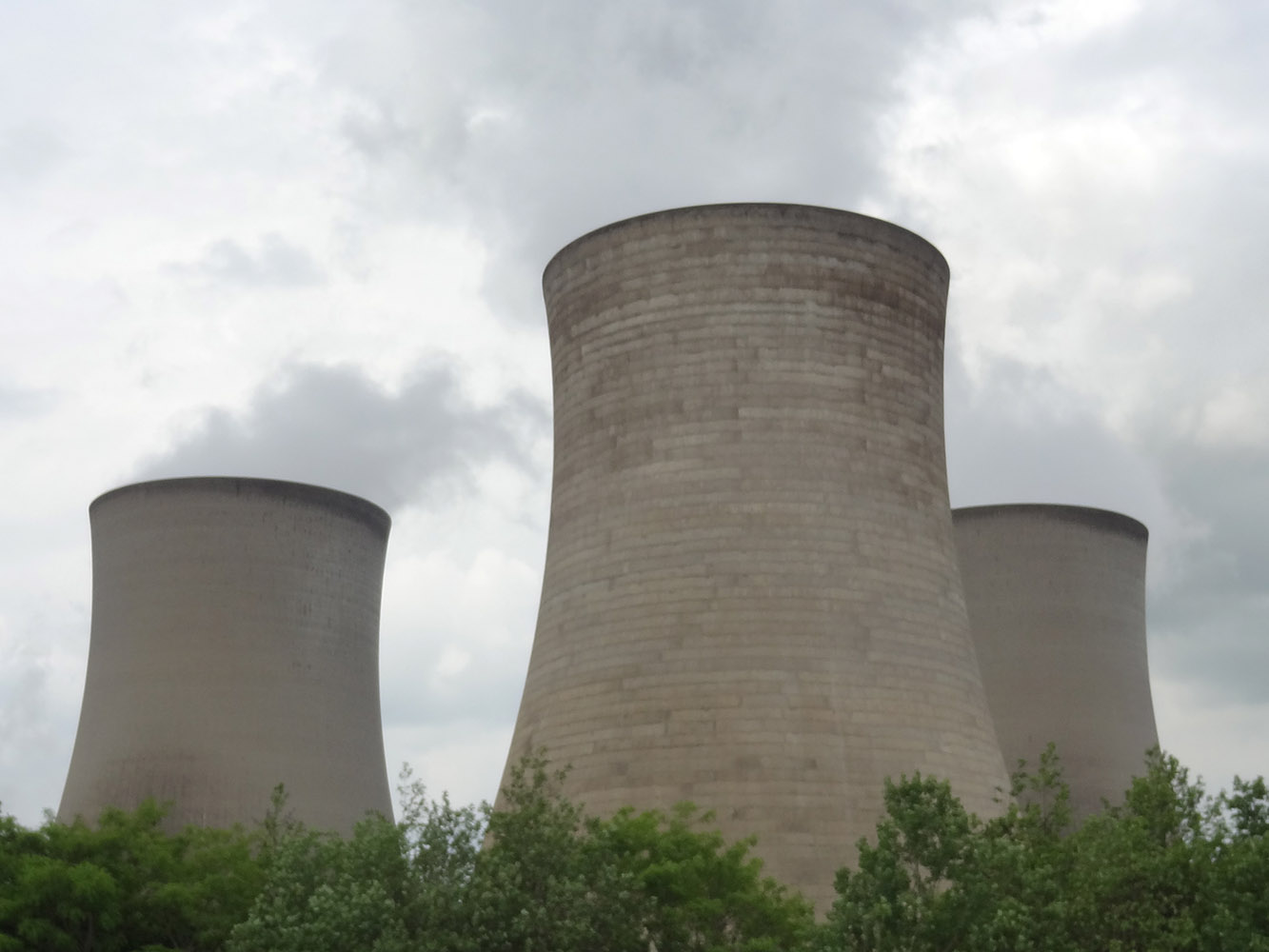
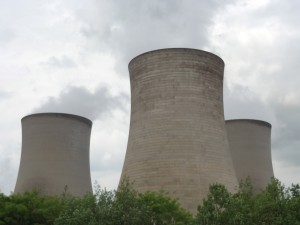 EU environmental legislation is beginning to cause problems in the UK. As it prohibits coal-fired power plants from generating power, they will be forced to close. This means that the UK will be forced to rely more on imported energy, which could lead to price rises, as energy shortages emerge.
Ofgem, the energy regulator has said that the risk of a gas shortage is likely to be at its highest in about 3 years time, as the amount of spare capacity is expected to fall from its current 14% to just 4%. Energy shortages have been a concern for some time, but the report from Ofgem indicates that the predicted time frame for these energy shortages will now be sooner than expected. Ofgem has said that the probability of a black-out has increased from 1 in 3,300 years now to 1 in 12 years by 2015.
The government, however, has said that its Energy Bill soon to be published will set out plans that will secure power supply for the UK. Part of this will be through investment, leading to new methods of generating energy. The Chief Executive of Ofgem, Alistair Buchanan said:
‘The unprecedented challenges in facing Britain’s energy industry … to attract the investment to deliver secure, sustainable and affordable energy supplies for consumers, still remain.’
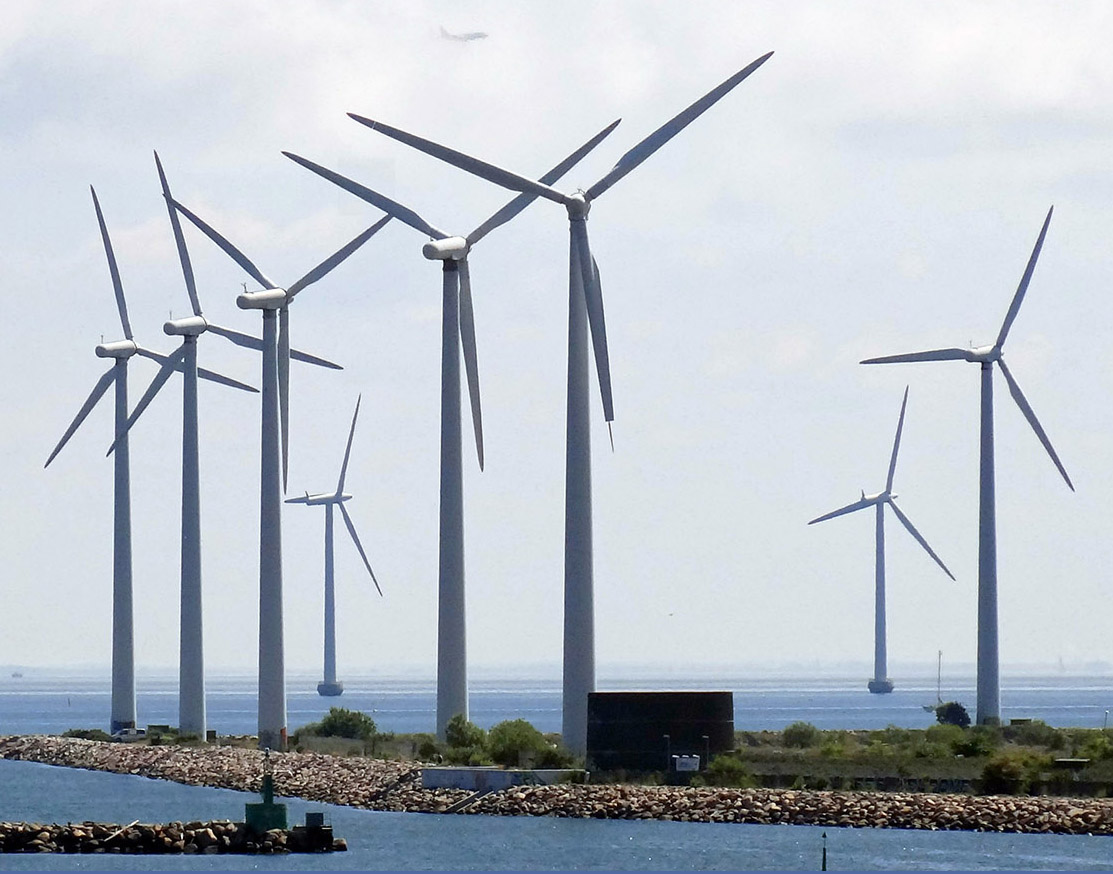
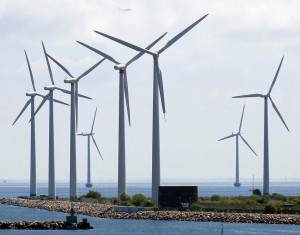 One particular area that will see growth is wind-farms: a controversial method of power supply, due to the eye-sore they present (to some eyes, at least) and the noise pollution they generate. But with spare capacity predicted to fall to 4%, they will be a much needed investment.
Perhaps of more concern for the everyday household will be the impact on energy prices. As we know, when anything is scarce, the price begins to rise. As energy shortages become more of a concern, the market mechanism will begin to push up prices. With other bills already at record highs and incomes remaining low, the average household is likely to feel the squeeze. The following articles and the Ofgem report considers this issue.
Report
Electricity Capacity Assessment Ofgem Report to Government, Ofgem (5/12/12)
Articles
Power shortage risks by 2015, Ofgem warns BBC News (5/10/12)
Britain faces risk of blackout The Telegraph (5/10/12)
Ofgem estimates tightening margins for electricity generation Reuters (5/10/12)
Electricity shortages are ‘risk’ by 2015 Sky News (5/10/12)
Future energy bills could give customers a nasty shock ITV News, Chris Choi (5/10/12)
Questions
- What is the role of Ofgem in the UK?
- Explain the way in which prices adjust as resources become more or less scarce. Use a demand and supply diagram to illustrate your answer.
- To what extent do you think the UK should be forced to close down its coal-fired plants, as a part of EU environmental legislation?
- Are there any market failures associated with the use of wind farms? Where possible, use a diagram to illustrate your answer.
- Explain why an energy shortage will lead to an increase in imports and how this in turn will affect energy prices.
- What are the government’s plans to secure energy provision in the UK? Do you think they are likely to be effective?
 There has been considerable discussion recently about whether the government should introduce a property tax on high value properties. The government, finding it difficult to reduce the public-sector deficit and yet determined to do so, is looking for additional measures to reduce government expenditure or raise tax revenue.