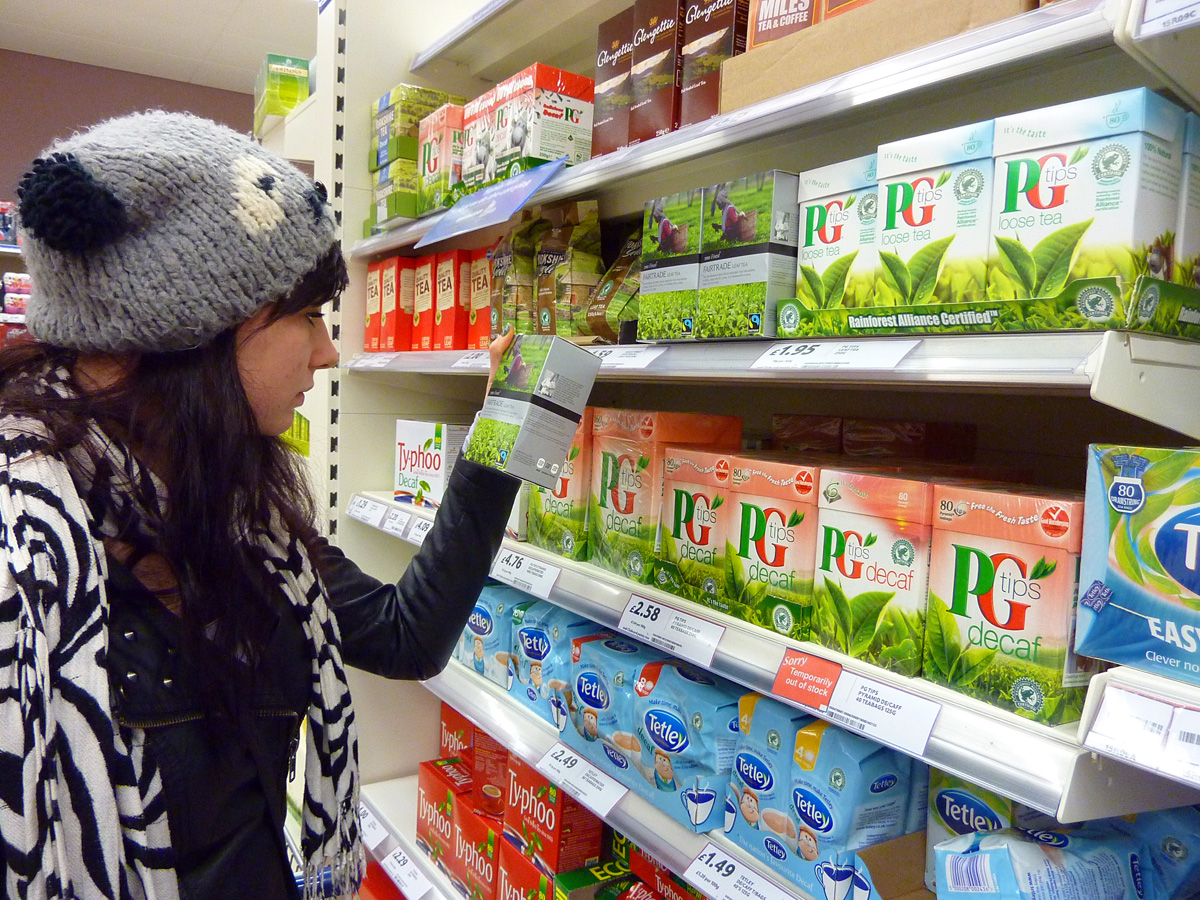
 Have you noticed that many products in the supermarket seem to be getting smaller or are poorer quality, or that special offers are not as special as they used to be? When you ring customer services, does it seem that you have to wait longer than you used to? Do you now have to pay for extras that used to be free? These are all ways that producers try to pass on cost increases to consumers without rising prices. There are three broad ways in which producers try to hide inflation.
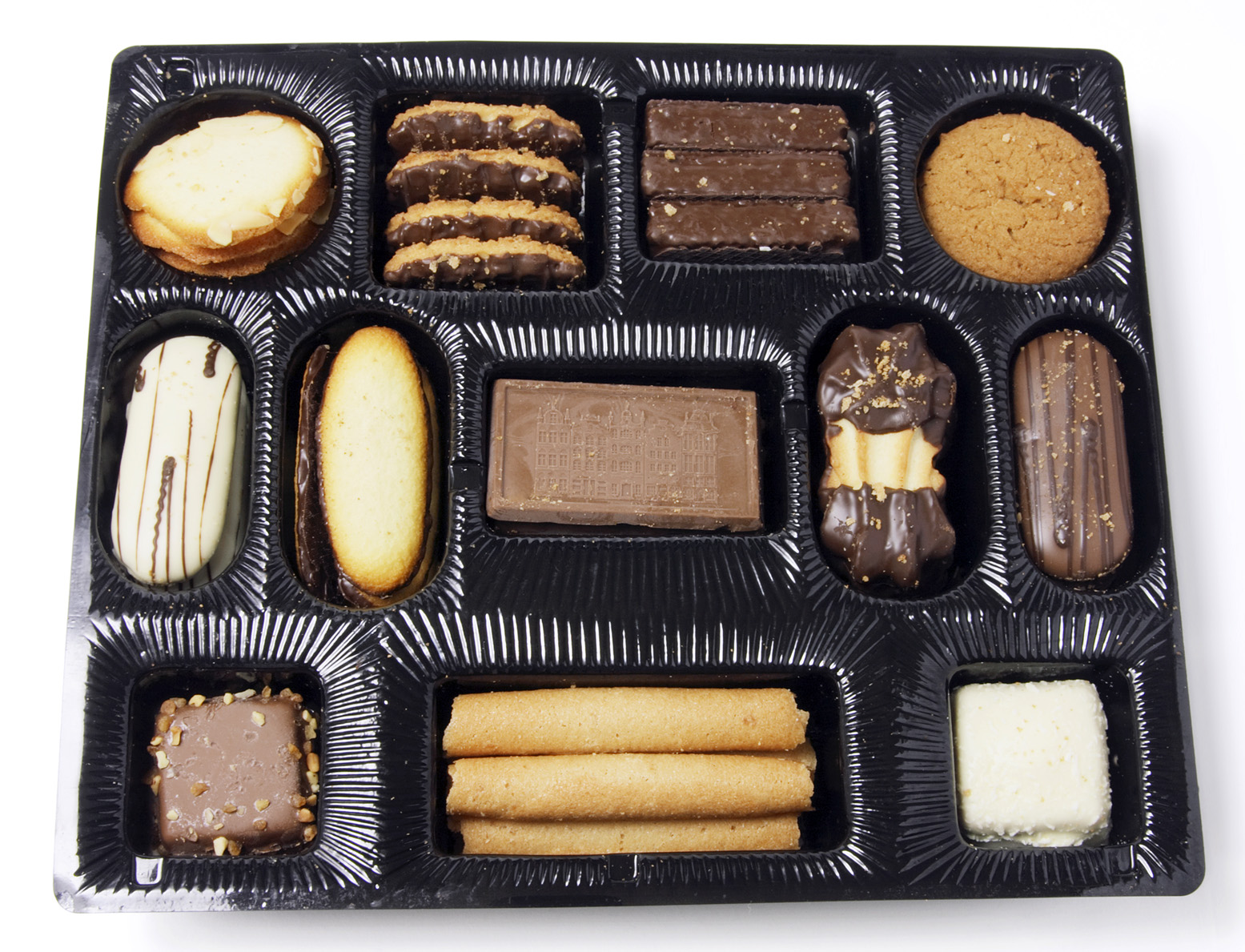
The first is called ‘shrinkflation’. It is defined as having less product in the same package or a smaller package for the same price. For example, reducing the number of chocolates in a tub, reducing the size of a can of beans, jar of coffee or block of butter, reducing the number of sheets in a toilet roll, or the length of a ride in a fairground or portion sizes in a restaurant or takeaway. A 2023 YouGov poll revealed that 75% of UK adults are either ‘very’ or ‘fairly’ concerned about shrinkflation. A similar poll in 2025 showed that this figure had increased to 80%. The product category with the greatest concerns was snack foods (e.g. crisps, confectionery items, nuts, etc.).1
The second form of hidden inflation is called ‘skimpflation’. This is defined as decreasing the quality of a product or service without lowering the price. Examples include cheaper ingredients in food or confectionery, such as using palm oil instead of butter, or reducing the cocoa content in chocolate or the meat content in sausages and pies, or package holidays reducing the quality of meals, or customer service centres or shops reducing the number of staff so that people have to wait longer on the phone or to be served.
The third is called ‘sneakflation’. This is similar to skimpflation but normally refers to reducing what you get when you pay for a service, such as a flight, by now charging for extras, such as luggage or food. Sometimes shrinkflation or skimpflation are seen as subsets of sneakflation.
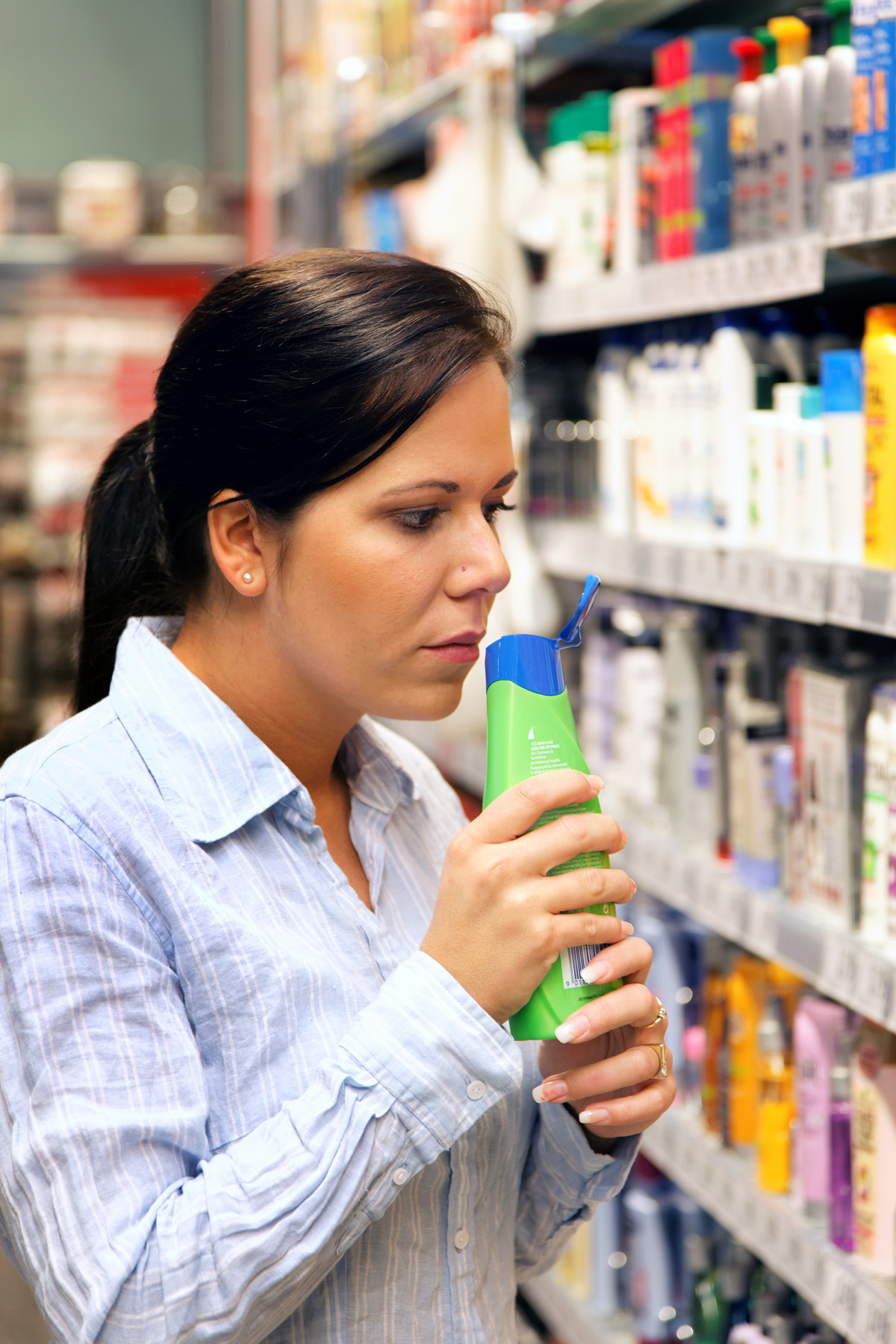 These practices have had a lot of publicity in recent months, with consumers complaining that they are getting less for their money. Many people see them as a sneaky way of passing on cost increases without raising the price. But the changes are often subtle and difficult for shoppers to spot when they are buying an item. Skimpflation especially is difficult to observe at the time of purchase. It’s only when people consume the product that they think that it doesn’t seem as good as it used to be. Even shrinkflation can be hard to spot if the package size remains the same but there is less in it, such as fewer biscuits in a tin or fewer crisps in a packet. People would have to check the weight or volume, while also knowing what it used to be.
If firms are legitimately passing on costs and are up-front about what they are doing, then most consumers would probably understand it even if they did not like it. It’s when firms do it sneakily that many consumers get upset. Also, firms may do it to increase profit margins – in other words, by reducing the size or quality beyond what is necessary to cover the cost increase.
Does the official rate of inflation take such practices into account?
 The answer is that some of the practices are taken into account – especially shrinkflation. The Office for National Statistics (ONS) accounts for shrinkflation by monitoring price changes per unit of weight or volume, rather than just the price. Data collectors track the weight, volume or count of item. When a product’s size is reduced, the ONS records this as a price increase in CPI or CPIH inflation statistics. This is known as a ‘quality adjustment’ process and allows the ONS to isolate price changes from product size changes. As CPI data from the ONS is used by the Bank of England in monitoring its 2% inflation target, it too is incorporating shrinkflation.
ONS quality adjustments are also applied to non-market public services, such as healthcare, education and policing to measure changes in service quality rather than just volume. This allows a more accurate measurement of productivity as it focuses on outcomes and user experience per pound spent rather than just focusing on costs.
Skimpflation is more difficult to monitor. The quality adjustment process may miss some quality changes and hence some skimpflation goes unrecorded. This means that the headline inflation rate might understate the true decline in purchasing power felt by consumers.
How extensive is hidden inflation?
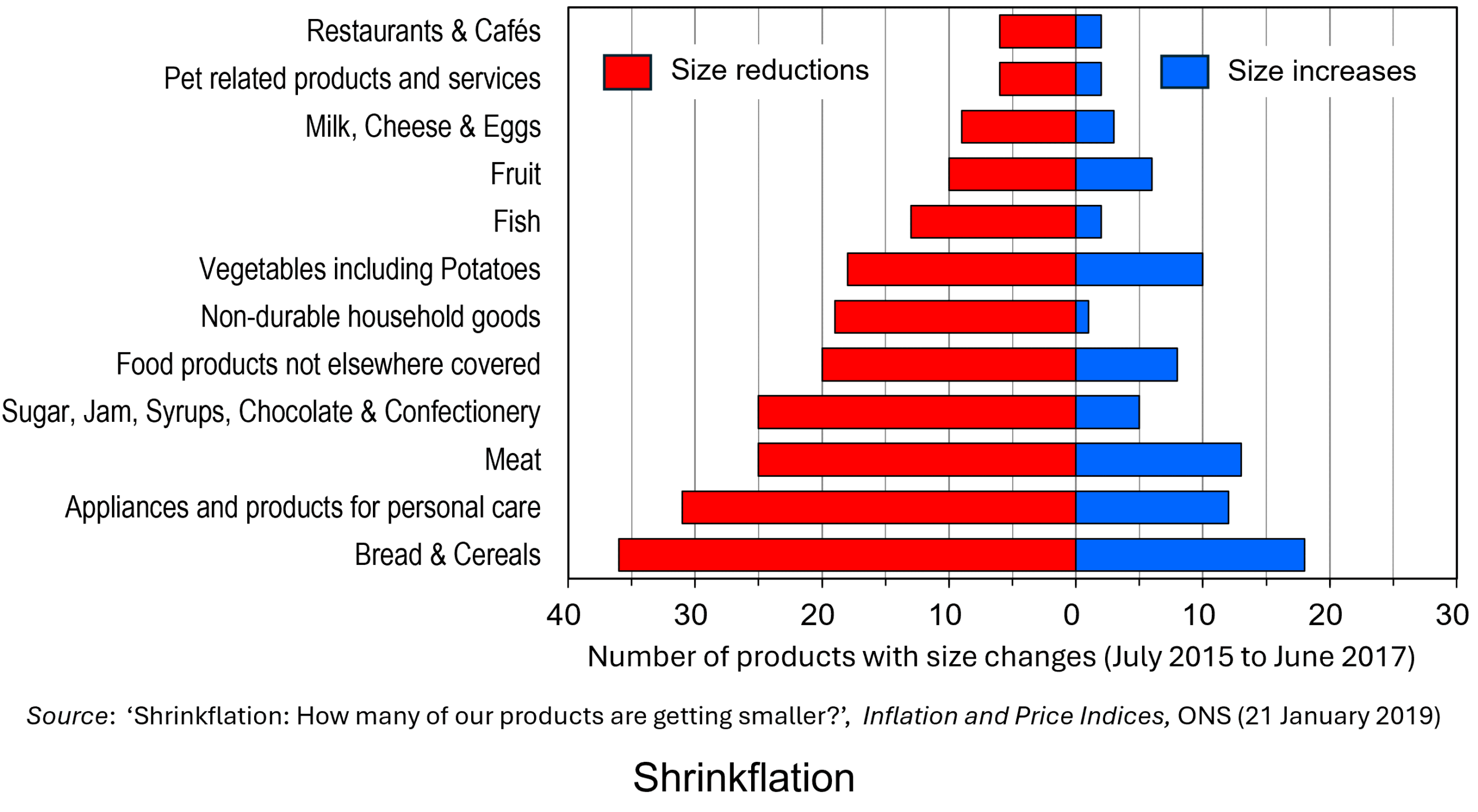
Despite public perception, shrinkflation has a relatively small impact on the headline CPI and CPIH inflation rate in the UK because it is largely confined to certain sectors, such as bread and cereals, personal care products, meat products, and sugar, jams, syrups, chocolate & confectionery. Nevertheless, in these sectors it is particularly prevalent, especially in the packaged foodstuffs and confectionery sector. The latest research by the ONS in 2019 covered the period June 2015 to June 2017 and is shown in the following figure.2
According to research in the USA by Capital One Shopping, some major brands reduced product sizes by over 30% in 2025 without reducing prices, with shrinkflation averaging 14.8% among selected national grocery brands.3 Shrinkflation had been observed by 74% of Americans at their grocery store. Of these, 81% took some kind of action as a result, with 48% abandoning a brand. Nevertheless, across all products, shrinkflation accounts for quite a small percentage of any overall price rises.
A US Government Accountability Office (GAO) report found that shrinkflation accounted for less than 1/10 of a percentage point of the 34.5% increase in overall consumer prices from 2019 to 2024.4 The reason is that the items that were downsized comprised a small percentage of goods and services. Indeed, many goods and services, such as housing, cannot be downsized in the same way that household products can.
Nevertheless, with consumer budgets being squeezed by the inflation that followed the pandemic and the Russian invasion of Ukraine, hidden inflation has become more prevalent in many countries and an increasing concern of consumers.
References
- Shrinkflation concern rises in 2025, but fewer Britons are changing shopping habits
- Shrinkflation: How many of our products are getting smaller?
- Shrinkflation Statistics
- What is “Shrinkflation,” And How Has It Affected Grocery Store Items Recently?
YouGov (15/8/25)
Office for National Statistics (21/1/19)
Capital One Shopping (30/12/25)
U.S. Government Accountability Office (12/8/25)
Videos
 Silent bite: How shrinkflation is slimming down your Christmas classics
- Shrinkflation Is Getting Worse — Sneakflation Is Taking Over
ITV News, Chris Choy and Rachael Allison (11/12/25)
YouTube, Lindey Glenn (11/1/26)
Articles
- Shrinkflation: How many of our products are getting smaller?
- Shrinkflation: Inflation hiding in plain sight
- Shrinkflation: the brands charging you more for less
- 7 Surprising Ways Inflation Is Still Rising Even as Prices Slow This Year
- 22 Real-Life Examples Of Shrinkflation That People Have Spotted In The Last Few Weeks That Are Honestly Infuriating
- Shrinkflation: smaller products hurt some households more than others – and can be bad for business
- Shoppers brand the UK “a disgrace” as Cadbury Mini Egg prices rise by 105% on pre-pandemic levels
- This article is more than 3 months old Shrinkflation hits everyday staples, piling more pressure on households
- Shrinkflation isn’t slowing down — It’s just getting harder to spot
- Shrinkflation – are brands and supermarkets required to inform consumers if a product has been reduced in size or quantity but the packaging looks the same?
- Study reveals shrinking package sizes hide significant food inflation
Office for National Statistics (21/1/19)
Britannica Money, Doug Ashburn (21/7/25)
Which?, Ellie Simmonds (28/10/25)
SavingAdvice.com, Teri Monroe (3/2/26)
BuzzFeed, Megan Liscomb (10/12/25)
The Conversation, Erhan Kilincarslan (14/1/26)
Food Manufacture, Thomas West (6/1/26)
The Guardian, Sarah Marsh and Sarah Butler (28/12/25)
ConsumerAffairs, Kyle James (13/1/26)
CMS Law-Now, Loïc de Hults and Tom Heremans (25/9/25)
Phys.org, Aaron Kupec (28/1/26)
Journal Article
- How package size changes affect food inflation: evidence from scanner data
International Journal of Industrial Organization, Christian Rojas, Edward Jaenicke and Elina T. Page (April 2026)
Questions
- If shrinkflation, when included in CPI statistics, accounts for such a small percentage of inflation, why are people so concerned about it?
- From a company’s perspective, is it a good idea to engage in (a) shrinkflation; (b) skimpflation?
- Go round you local supermarket and identify examples of shrinkflation and skimpflation.
- How are various EU countries attempting to inform consumers of shrinkflation?
- Why is skimpflation often harder to detect than shrinkflation?
- Give some other examples of sneakflation in the provision of services.
- How could behavioural economists help firms decide whether or how to engage in shrinkflation or skimpflation?