 Seven years ago (on 5 March 2009), the Bank of England reduced interest rates to a record low of 0.5%. This was in response to a deepening recession. It mirrored action taken by other central banks across the world as they all sought to stimulate their economies, which were reeling from the financial crisis.
Record low interest rates, combined with expansionary fiscal policy, were hoped to be enough to restore rates of growth to levels experienced before the crisis. But they weren’t. One by one countries increased narrow money through bouts of quantitative easing.
 But as worries grew about higher government deficits, brought about by the expansionary fiscal policies and by falling tax receipts as incomes and spending fell, so fiscal policy became progressively tighter. Thus more and more emphasis was put on monetary policy as the means of stimulating aggregate demand and boosting economic growth.
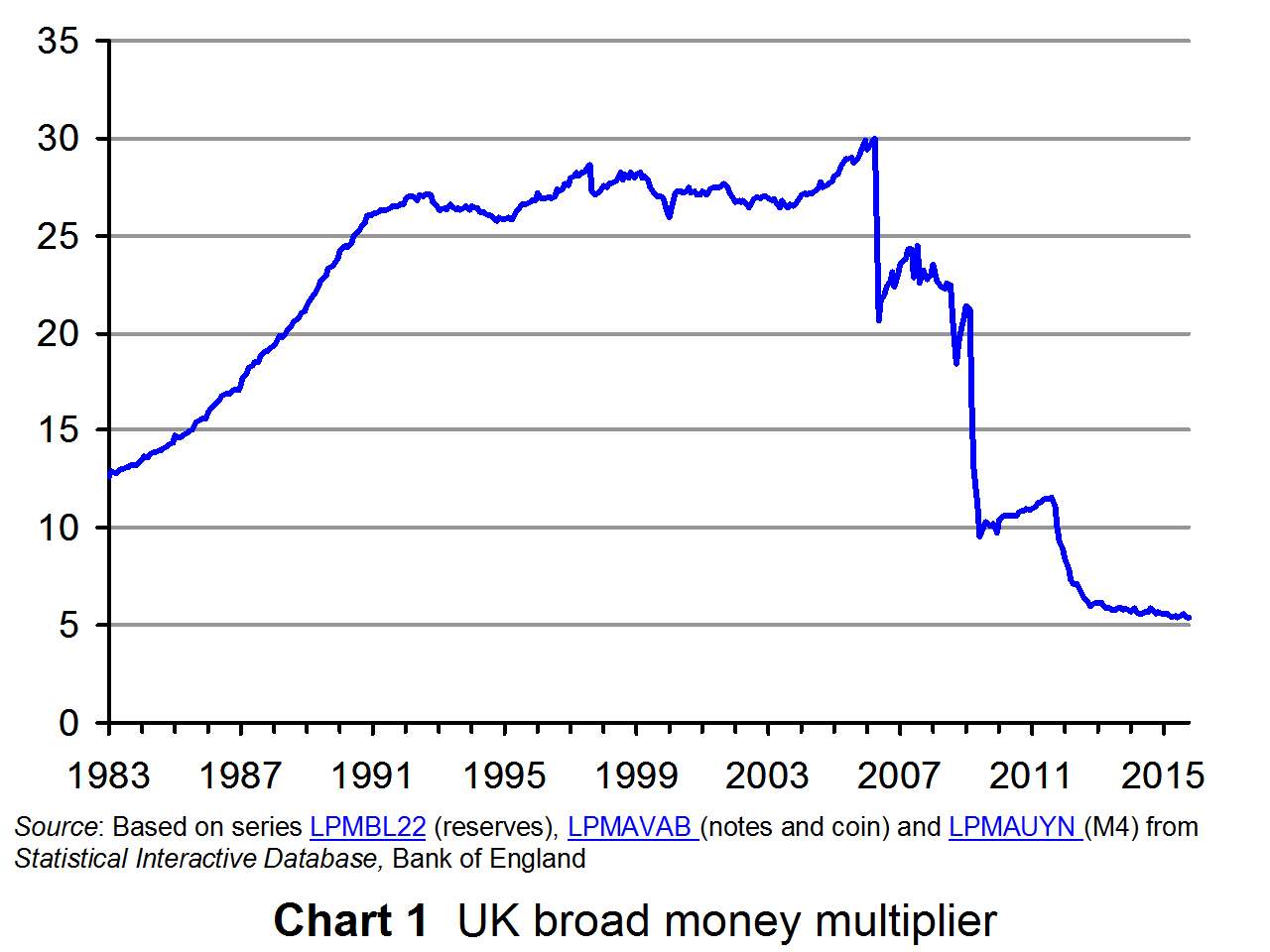
Ultra low interest rates and QE were no longer a short-term measure. They persisted as growth rates remained sluggish. The problem was that the higher narrow money supply was not leading to the hoped-for credit creation and growth in consumption and investment. 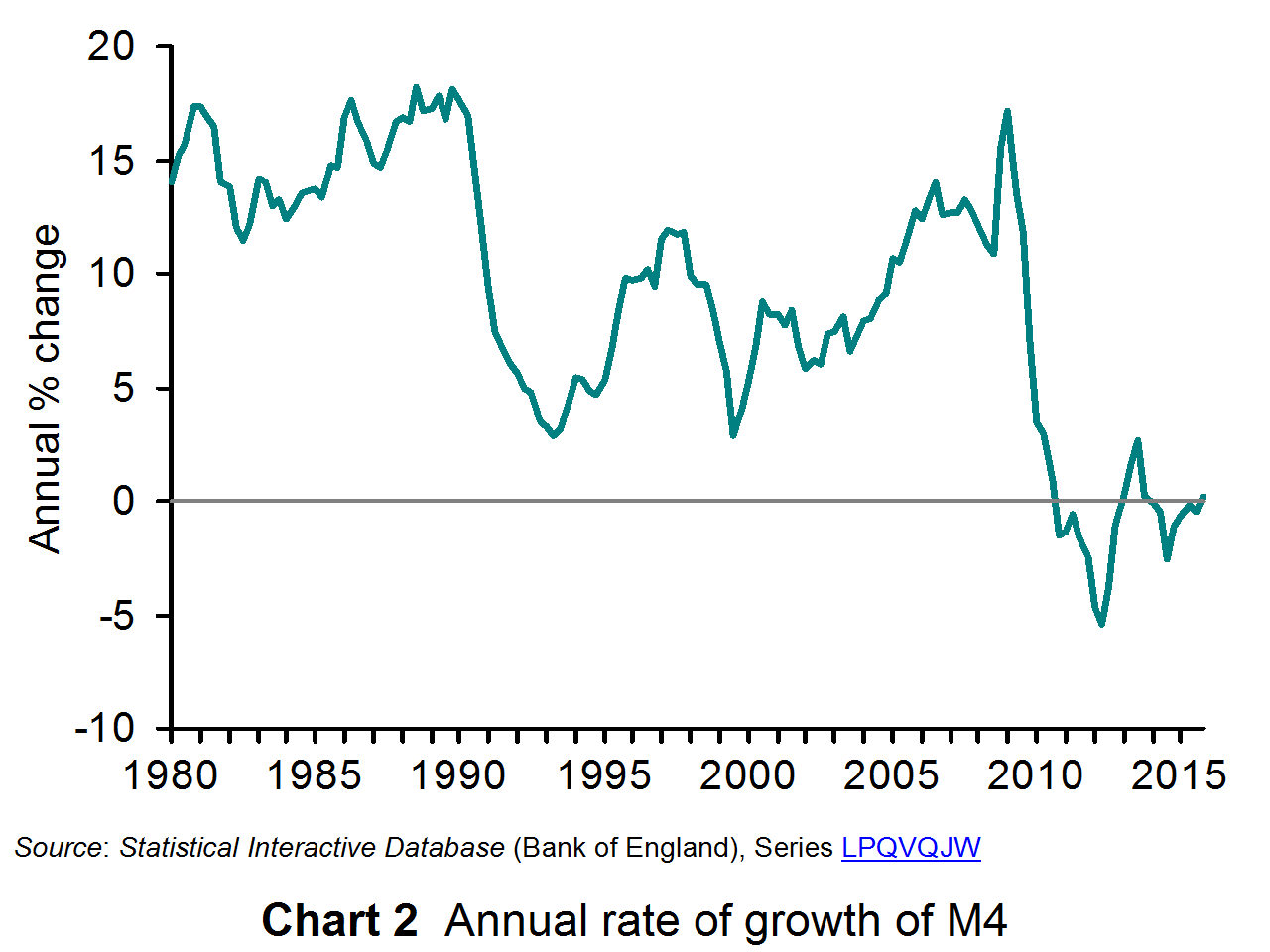 The extra money was being used for buying assets, such as shares and houses, not being spent on goods, services, plant and equipment. The money multiplier fell dramatically in many countries (see chart 1 for the case of the UK: click here for a PowerPoint) and there was virtually no growth in credit creation. Broad money in the UK (M4) has actually fallen since 2008 (see chart 2: click here for a PowerPoint), as it has in various other countries.
Additional monetary measures were put in place, including various schemes to provide money to banks for direct lending to companies or individuals. Central banks increasingly resorted to zero or negative interest rates paid to banks for deposits: see the blog posts Down down deeper and down, or a new Status Quo? and When a piggy bank pays a better rate. But still bank lending has stubbornly failed to take off.
Some indication that the ’emergency’ was coming to an end occurred in December 2015 when the US Federal Reserve raised interest rates by 0.25 percentage points. However, many commentators felt that that was too soon, especially in the light of slowing Chinese economic growth. Indeed, the Chinese authorities themselves have been engaging in a large scale QE programme and other measures to arrest this fall in growth.
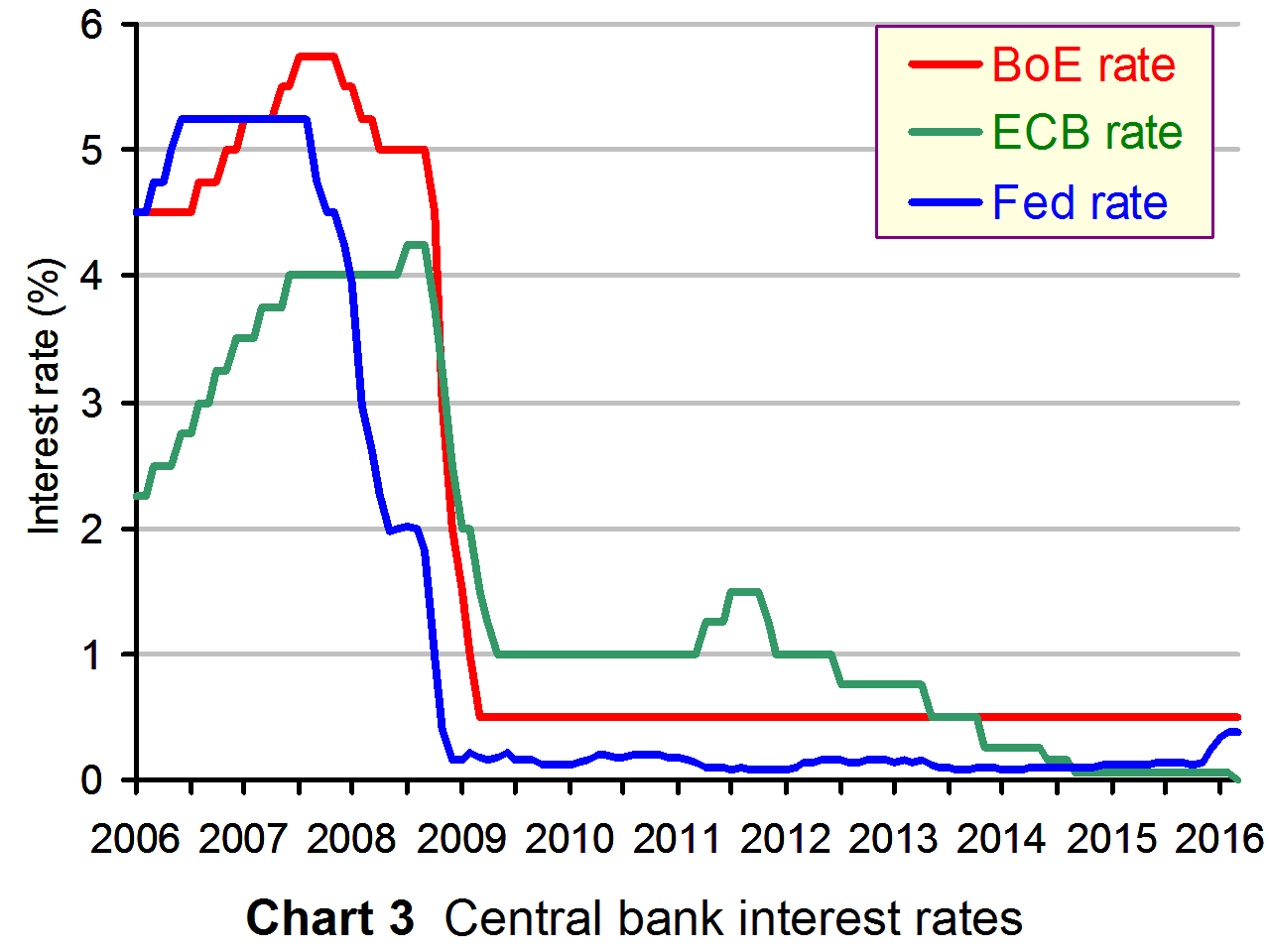 Although it cut interest rates in 2009 (to 1% by May 2009), the ECB was more cautious than other central banks in the first few years after 2008 and even raised interest rates in 2011 (to 1.5% by July of that year). However, more recently it has been more aggressive in its monetary policy. It has progressively cut interest rates (see chart 3: click here for a PowerPoint) and announced in January 2015 that it was introducing a programme of QE, involving €60 billion of asset purchases for at least 18 months from March 2015. In December 2015, it announced that it would extend this programme for another six months.
The latest move by the ECB was on March 10, when it took three further sets of measures to boost the flagging eurozone economy. It cut interest rates, including cutting the deposit rate paid to banks from –0.3% to –0.4% and the main refinancing rate from –0.05% to –0%; it increased its monthly quantitative easing from €60 billion to €80 billion; and it announced unlimited four-year loans to banks at near-zero interest rates.
It would seem that the emergency continues!
Articles
QE, inflation and the BoE’s unreliable boyfriend: seven years of record low rates The Guardian, Katie Allen (5/3/16)
The End of Alchemy: Money, Banking and the Future of the Global Economy by Mervyn King – review The Observer, John Kampfner (14/3/16)
How ‘negative interest rates’ marked the end of central bank dominance The Telegraph, Peter Spence (21/2/16)
ECB stimulus surprise sends stock markets sliding BBC News (10/3/16)
5 Takeaways From the ECB Meeting The Wall Street Journal, Paul Hannon (10/3/16)
ECB cuts interest rates to zero amid fears of fresh economic crash The Guardian, Katie Allen and Jill Treanor (10/3/16)
 Economists mixed on ECB stimulus CNBC, Elizabeth Schulze (10/3/16)
ECB’s Draghi plays his last card to stave off deflation The Telegraph, Ambrose Evans-Pritchard (10/3/16)
ECB cuts rates to new low and expands QE Financial Times, Claire Jones (10/3/16)
Is QE a saviour, necessary evil or the road to perdition? The Telegraph, Roger Bootle (20/3/16)
ECB materials
Monetary policy decisions ECB Press Release (10/3/16)
Introductory statement to the press conference (with Q&A) ECB Press Conference, Mario Draghi and Vítor Constâncio (10/3/16)
ECB Press Conference webcast ECB, Mario Draghi
Questions
- What are meant by narrow and broad money?
- What is the relationship between narrow and broad money? What determines the amount that broad money will increase when narrow money increases?
- Explain what is meant by (a) the credit multiplier and (b) the money multiplier.
- Explain how the process of quantitative easing is supposed to result in an increase in aggregate demand. How reliable is this mechanism?
- Find out and explain what happened to the euro/dollar exchange rate when Mario Draghi made the announcement of the ECB’s monetary measures on 10 March.
- Is there a conflict for central banks between trying to strengthen banks’ liquidity and reserves and trying to stimulate bank lending? Explain.
- Why are “the ECB’s policies likely to destroy half of Germany’s 1500 savings and co-operative banks over the next five years”? (See the Telegraph article.
- What are the disadvantages of quantitative easing?
- What are the arguments for and against backing up monetary policy with expansionary fiscal policy? Consider different forms that this fiscal policy might take.
 In the blog Japan’s interesting monetary policy as deflation fears grow we detailed the aggressive monetary measures of Japan’s central bank to prevent a deflationary mindset becoming again established. In January it introduced a negative interest rate on some deposits placed with it by commercial banks. This is in addition to it massive quantitative easing programme to boost the country’s money supply. Despite this, the latest consumer price inflation data show inflation now running at zero per cent.
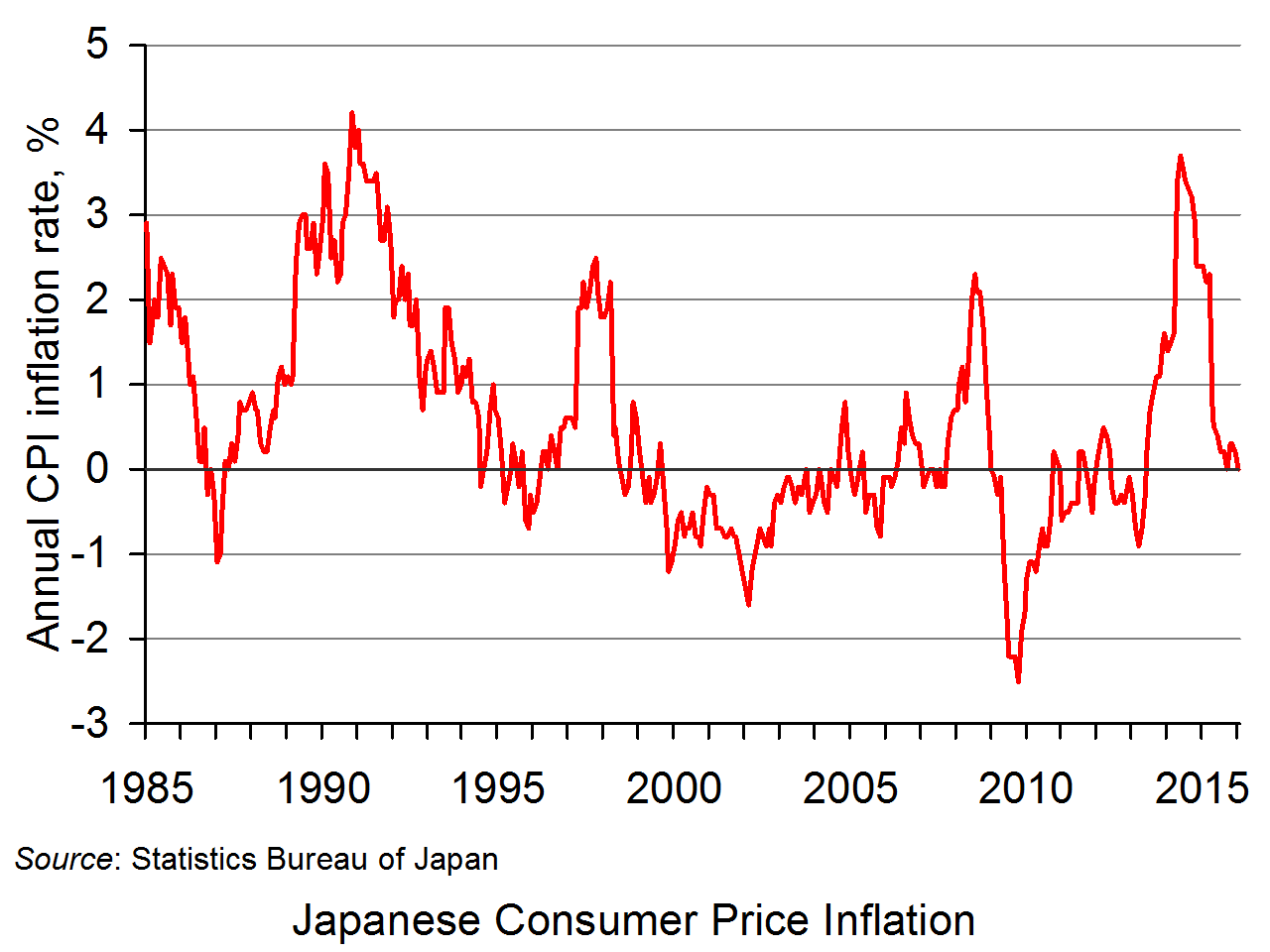 As the chart shows, since the mid 1990s there have been protracted periods of Japanese price deflation (click here to download a PowerPoint file of the chart). In January 2013 Japan introduced a 2 per cent CPI inflation target. This was accompanied by a massive expansion of its quantitative easing programme, through purchases of government bonds from investors.
Following this substantial monetary loosening, buoyed too by a loosening of fiscal policy, the rate of inflation rose. It reached 3.7 per cent in May 2014.
However, through 2015 the rate of inflation began to fall sharply, partly the result of falling commodity prices, especially oil. The latest inflation data show that the annual rate of CPI inflation in January 2016 fell to zero percent. In other words, consumer prices were on average at the levels seen in January 2015.
 The latest inflation numbers appear give further credence to the fear of the Bank of Japan that deflation is set to return. The introduction of a negative deposit rate was the latest move to prevent deflation. As well as encouraging banks to lend, the move is intended to affect expectations of inflation. By adopting such an aggressive monetary stance the central bank is looking to prevent a deflationary mindset becoming re-established. Hence, by increasing the expectations of the inflation rate and by raising wage demands the inflation rate will rise.
The loosening of monetary policy through a negative interest rate follows the acceleration of the quantitative easing programme announced in October 2015 to conduct Open Market Operations so as to increase the monetary base annually by ¥80 trillion.
The decline of Japan’s inflation rate to zero may yet mean that further monetary loosening might be called for. Eradicating a deflationary mindset is proving incredibly difficult. Where next for Japan’s monetary authorities?
Data
Consumer Price Index Statistics Bureau of Japan
New Articles
Japan’s inflation drops to zero in January MarketWatch, Takashi Nakamichi (25/2/16)
Japan inflation falls back to zero in January: govt AFP (26/2/16)
With pause in inflation, many brace for retreat Nikkei Asian Review (27/2/16)
Japan’s inflation rate has fallen again – to 0% Business Insider Australia, David Scutt (26/2/16)
Previous Articles
Bank of Japan adopts negative interest rate policy CNBC, Nyshka Chandran (29/1/16)
Japan adopts negative interest rate in surprise move BBC News (29/1/16)
Bank of Japan shocks markets by adopting negative interest rates The Guardian, Justin McCurry (29/1/16)
Japan stuns markets by slashing interests rates into negative territory The Telegraph, Mehreen Khan (29/1/16)
Japan introduces negative interest rate to boost economy The Herald, (29/1/16)
Questions
- What is deflation?
- What are the dangers of deflation? Why is the Bank of Japan keen to avoid expectations of deflation becoming re-established?
- To what extent are national policy-makers able to exert pressure over the rate of inflation?
- What does a negative interest rate on deposits mean for depositors?
- What effect is the Bank of Japan hoping that a negative deposit rate will have on the Japanese economy? How would such effects be expected to occur?
- What effect might the Bank of Japan’s actions be expected to have on the structure of interest rates in the economy?
- How might the negative interest rate effect how people wish to hold their wealth?
 The perceived wisdom is that nominal interest rates have a lower zero bound. The Swedish central bank (the Ricksbank) has effectively been charging financial institutions to deposit money at the central bank since 2009. On 29 January 2016 the Central Bank of Japan also introduced a negative interest rate on deposits. The -0.1 per cent rate currently applies to a portion of the reserves held by financial institutions at the central bank. The move is another attempt to pump energy into a struggling economy.
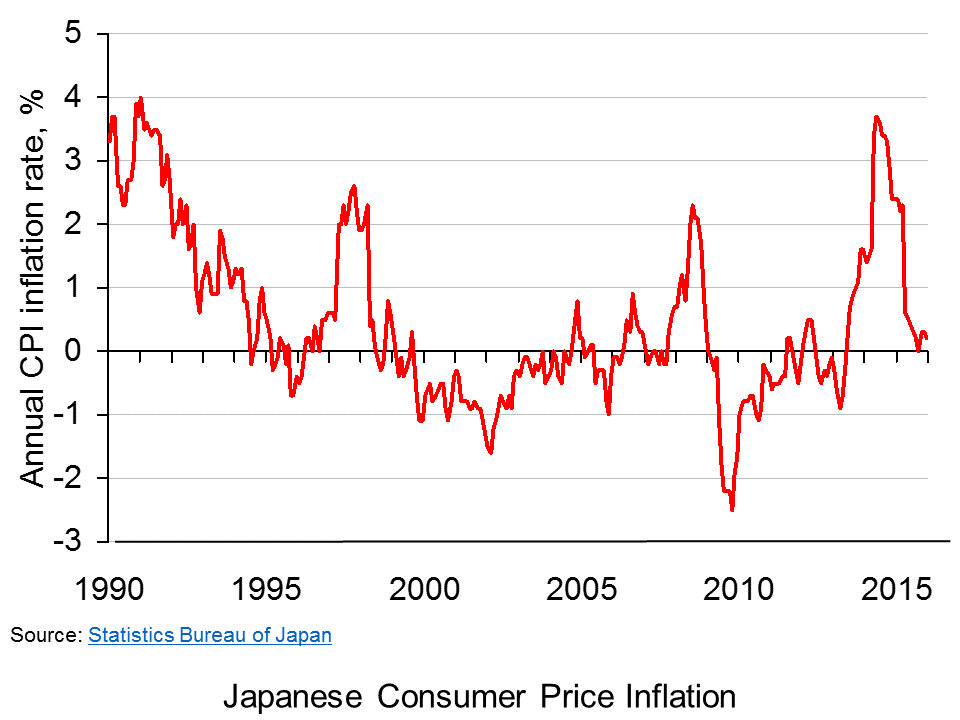 As the chart shows, since the mid 1990s there have been protracted periods of Japanese price deflation. In January 2013 Japan introduced a 2 per cent CPI inflation target. This was accompanied by a massive expansion of its quantitative easing programme, principally through purchases of government bonds from investors. Following the monetary loosening, buoyed too by a loosening of fiscal policy, the rate of inflation rose. It reached 3.7 per cent in May 2014.
However, through 2015 the rate of inflation began to fall sharply, partly the result of falling commodity prices, especially oil. Now there appears to be an increasing fear at the Bank of Japan that deflation may be set to return. The introduction of a negative deposit rate is intended to prevent deflation. In particular by affecting expectations of inflation. The hope is to prevent a deflationary mindset becoming re-established.
 The further loosening of monetary policy through a negative interest rate follows on the heels of an acceleration of quantitative easing last October. Back then, the Bank of Japan said that it would conduct Open Market Operations so that the monetary base would increase annually be ¥80 trillion. This was reaffirmed in its 29 January announcement. For an economy that has experienced four recessionary contractions since 2008 and with provisional estimates suggesting that it contracted by 0.4 per cent in the final quarter of 2015, it remains to be seen whether further monetary loosening might yet be called for.
Data
Consumer Price Index Statistics Bureau of Japan
Articles
Bank of Japan adopts negative interest rate policy CNBC, Nyshka Chandran (29/1/16)
Japan adopts negative interest rate in surprise move BBC News (29/1/16)
Bank of Japan shocks markets by adopting negative interest rates Guardian, Justin McCurry (29/1/16)
Japan stuns markets by slashing interests rates into negative territory Telegraph, Mehreen Khan (29/1/16)
Japan introduces negative interest rate to boost economy The Herald, (29/1/16)
Questions
- What does a negative interest rate on deposits mean for depositors?
- What effect is the Bank of Japan hoping that a negative deposit rate will have on the Japanese economy? How would such effects be expected to occur?
- What effect might the Bank of Japan’s actions be expected to have on the structure of interest rates in the economy?
- How might the negative interest rate effect how people wish to hold their wealth?
- What are the dangers of deflation? Why is the Bank of Japan keen to avoid expectations of deflation becoming re-established?
- To what extent are national policy-makers able to exert pressure over the rate of inflation?
 As we saw in the blog post Down down deeper and down, or a new Status Quo?, for many countries there is now a negative rate of interest on bank deposits in the central bank. In other words, banks are being charged to keep liquidity in central banks. Indeed, in some countries the central bank even provides liquidity to banks at negative rates. In other words, banks are paid to borrow!
But, by definition, holding cash (in a safe or under the mattress) pays a zero interest rate. So why would people save in a bank at negative interest rates if they could get a zero rate simply by holding cash? And why would banks not borrow money from the central bank, if borrowing rates are negative, hold it as cash and earn the interest from the central bank?
 These questions are addressed in the article below from The Economist. It argues that to swap reserves for cash is costly to banks and that this cost is likely to exceed the interest they have to pay. In other words, there is not a zero bound to central bank interest rates, either for deposits or for the provision of liquidity; and this reflects rational behaviour.
But does the same apply to individuals? Would it not be rational for banks to charge customers to deposit money (a negative interest rate)? Indeed, there is already a form of negative interest rate on many current accounts; i.e. the monthly or annual charge to keep the account open. But would it also make sense for banks to offer negative interest rates on loans? In other words, would it ever make sense for banks to pay people to borrow?
Read the folowing article and then try answering the questions.
Article
Bankers v mattresses The Economist (28/11.15)
Central bank repo rates/base rates
Central banks – summary of current interest rates global-rates.com
Worldwide Central Bank Rates CentralBankRates
Questions
- What is a central bank’s ‘repo rate’. Is it the same as (a) its overnight lending rate; (b) its discount rate?
- Why are the Swedish and Swiss central banks charging negative interest rates when lending money to banks?
- What effect are such negative rates likely to have on (a) banks’ cash holdings; (b) banks’ lending to customers?
- Why are many central banks (including the ECB) charging banks to deposit money with them? Why do banks continue to make such deposits when interest rates are negative?
- Would banks ever lend to customers at negative rates of interest? Explain why or why not.
- Would banks ever offer negative rates of interest on savings accounts? Explain why or why not.
- How do expectations about exchange rate movements affect banks willingness to hold deposits with the central bank?
- What are the arguments for and against abolishing cash altogether?
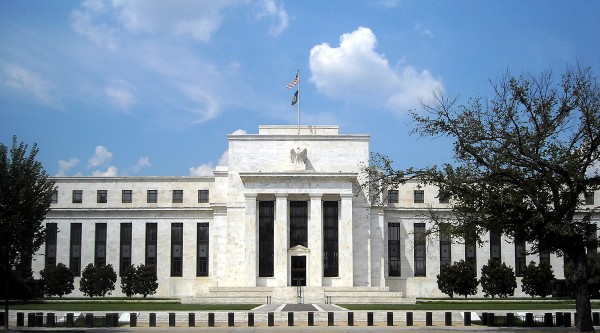 It is now some seven years since the financial crisis and nearly seven years since interest rates in the USA, the eurozone, the UK and elsewhere have been close to zero. But have these record low interest rates and the bouts of quantitative easing that have accompanied them resulted in higher or lower investment than would otherwise have been the case? There has been a big argument about that recently.
According to conventional economic theory, investment is inversely related to the rate of interest: the lower the rate of interest, the higher the level of investment. In other words, the demand-for-investment curve is downward sloping with respect to the rate of interest. It is true that in recent years investment has been low, but that, according to traditional theory, is the result of a leftward shift in demand thanks to low confidence, not to quantitative easing and low interest rates.
In a recent article, however, Michael Spence (of New York University and a 2001 Nobel Laureate) and Kevin Warsh (of Stanford University and a former Fed governor) challenge this conventional wisdom.  According to them, QE and the accompanying low interest rates led to a rise in asset prices, including shares and property, rather than to investment in the real economy. The reasons, they argue, are that investors have seen good short-term returns on financial assets but much greater uncertainty over investment in physical capital. Returns to investment in physical capital tend to be much longer term; and in the post-financial crisis era, the long term is much less certain, especially if the Fed and other central banks start to raise interest rates again.
“We believe that QE has redirected capital from the real domestic economy to financial assets at home and abroad. In this environment, it is hard to criticize companies that choose ‘shareholder friendly’ share buybacks over investment in a new factory. But public policy shouldn’t bias investments to paper assets over investments in the real economy.”
This analysis has been challenged by several eminent economists, including Larry Summers, Harvard Economics professor and former Treasury Secretary. He criticises them for confusing correlation (low investment coinciding with low interest rates) with causation. As Summers states:
“This is a little like discovering a positive correlation between oncologists and cancer and asserting that this proves oncologists cause cancer. One would expect in a weak recovery that investment would be weak and monetary policy easy. Correlation does not prove causation. …If, as Spence and Warsh assert, QE has raised stock prices, this should tilt the balance toward real investment.”
 Not surprisingly Spence and Warsh have an answer to this criticism. They maintain that their critique is less of low interest rates but rather of the form that QE has taken, which has directed new money into the purchase of financial assets. This then has driven further asset purchases, much of it by companies, despite high price/earnings ratios (i.e. high share prices relative to dividends). As they say:
“Economic theory might have something to learn from recent empirical data, and from promising new thinking in behavioral economics.”
Study the arguments of both sides and try to assess their validity, both theoretically and in the light of evidence.
Articles
The Fed Has Hurt Business Investment The Wall Street Journal, Michael Spence and Kevin Warsh (26/10/15) [Note: if you can’t see the full article, try clearing cookies (Ctrl+Shift+Delete)]
I just read the ‘most confused’ critique of the Fed this yea Washington Past, Lawrence H. Summers (28/10/15)
A Little Humility, Please, Mr. Summers The Wall Street Journal, Michael Spence and Kevin Warsh (4/11/15) [Note: if you can’t see the full article, try clearing cookies (Ctrl+Shift+Delete)]
Do ultra-low interest rates really damage growth? The Economist (12/11/15)
It’s the Zero Bound Yield Curve, Stupid! Janus Capital, William H Gross (3/11/15)
Is QE Bad for Business Investment? No Way! RealTime Economic Issues Watch, Joseph E. Gagnon (28/10/15)
Department of “Huh!?!?”: QE Has Retarded Business Investment!? Washington Center for Equitable Growth, Brad DeLong (27/10/15)
LARRY SUMMERS: The Wall Street Journal published the ‘single most confused analysis’ of the Fed I’ve read this year Business Insider, Myles Udland (29/10/15)
The Fed’s Loose Money, Financial Markets and Business Investment SBE Council, Raymond J. Keating (29/10/15)
How the QE trillions missed their mark AFR Weekend, Maximilian Walsh (4/11/15)
Financial Markets In The Era Of Bubble Finance – Irreversibly Broken And Dysfunctional David Stockman’s Contra Corner, Doug Noland (8/11/15)
Questions
- Go through the arguments of Spence and Warsh and explain them.
- Explain what are meant by the ‘yield curve’ and ‘zero bound yield curve’.
- What criticisms of their arguments are made by Summers and others?
- Apart from the effects of QE, why else have long-term interest rates been low?
- In the light of the arguments on both sides, how effective do you feel that QE has been?
- How could QE have been made more effective?
- What is likely to happen to financial markets over the coming months? What effect is this likely to have on the real economy?
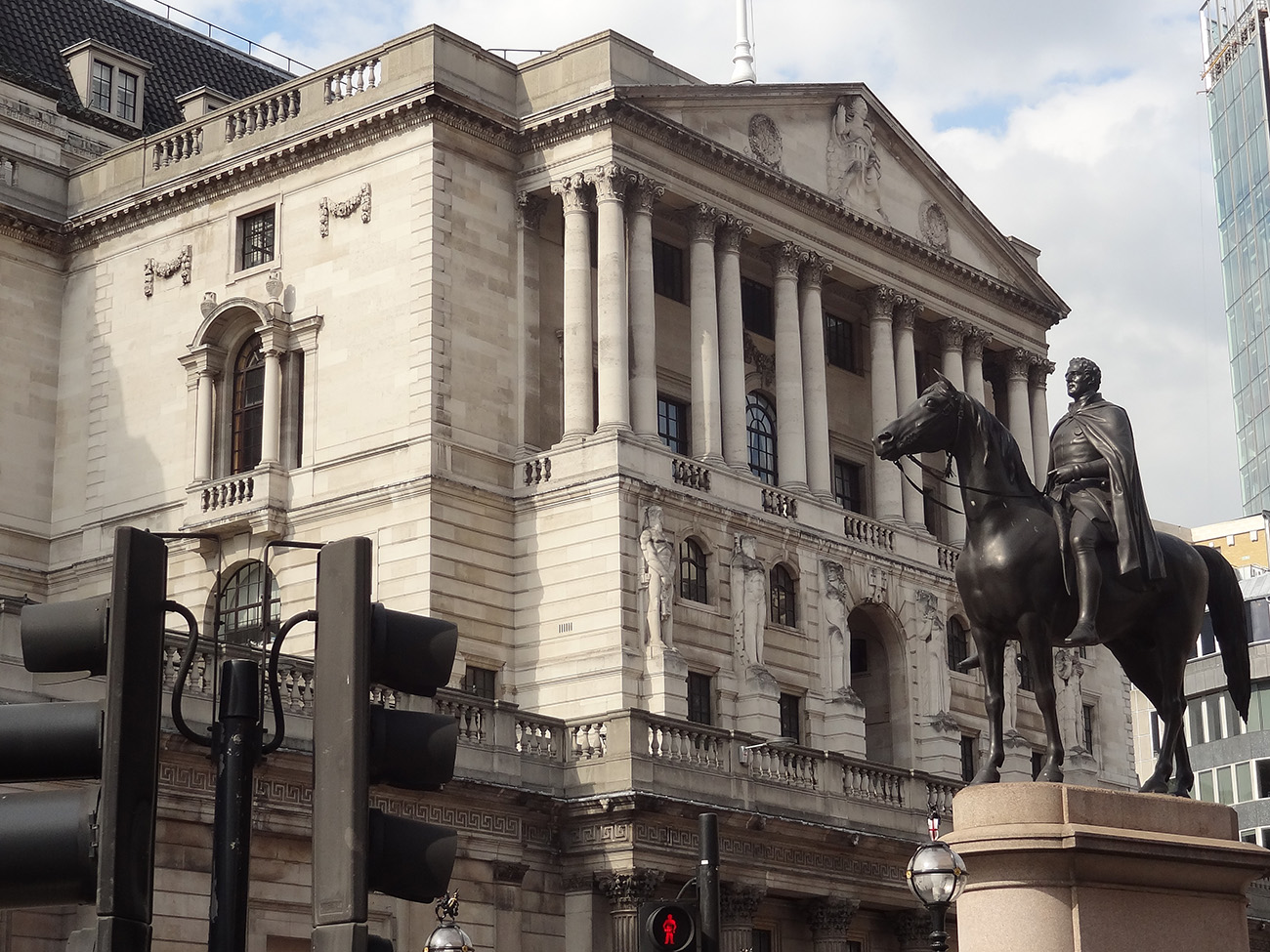 Seven years ago (on 5 March 2009), the Bank of England reduced interest rates to a record low of 0.5%. This was in response to a deepening recession. It mirrored action taken by other central banks across the world as they all sought to stimulate their economies, which were reeling from the financial crisis.