 Every year, world leaders gather to find ways of limiting global warming. The latest of these ‘COP’ meetings, COP30, is in Belém, Brazil from 10 to 20 November 2025. COP stands for ‘Conference of the Parties’, the decision-making body of the United Nations Framework Convention on Climate Change (UNFCCC).
Perhaps the best-known of these meetings was in Paris in 2015. This resulted in the Paris Agreement. This is a legally-binding international treaty to limit global warming to well below 2°C and preferably to 1.5°C above pre-industrial levels. This would involve reducing greenhouse gas emissions and/or taking carbon absorbing measures. All UN countries except for Iran, Libya and Yemen are signatories to the agreement.
However, on coming to office in January 2025, President Trump announced that the USA will withdraw from the agreement in January 2026. Instead, he would prioritise fossil fuel production, under the mantra, ‘drill, baby, drill’. Previously he had claimed that global warming is a hoax concocted by China designed to undermine the competitive power of the USA.
Progress in reducing emissions and mitigating climate change
 Since 2020, each country has been required to submit its own emissions-reduction targets, known as ‘nationally determined contributions’ (NDCs), and the actions it will take to meet them. Every five years each country must submit a new NDC more ambitious than the last. New NDCs are due this year. As of 12 November, 112 of the 197 countries had submitted a new NDC (including the USA, China, the EU and the UK). These 112 countries account for around 71 per cent of global emissions.
Implementing all new NDCs would reduce global CO2 emissions by between 15 and 25 per cent from current levels by 2035. But this would merely reduce global warming to around 2.6°C above pre-industrial levels. Approximately 35 per cent emissions reductions by 2035 would be required to restrict global warming to 2°C and 55 per cent to restrict it to 1.5°C.
But implementing the Paris Agreement has still had a high degree of success. Without the action taken and being taken over the past 10 years, it is predicted that global temperatures by 2050 would rise by 3–3.5°C.
Rich countries are expected to provide finance to low-income countries. This is required to help such countries adopt green technologies and to adapt to the harmful effects of climate change (e.g. through irrigation schemes and flood defences). At COP29 in Azerbaijan, the ‘Baku Finance Goal’ was agreed. This is an agreement to provide climate finance of $1.3 trillion per year by 2035 to developing countries from all public and private sources.
The subsequent ‘Baku to Belém Roadmap’ provides a set of suggested actions for governments, financial institutions and the private sector to bridge the gap between current climate finance flows and the $1.3 trillion agreed to meet global climate goals. The roadmap is a central focus of the COP30 conference in Belém, with discussions between countries on how to translate the Baku finance goal into concrete, tangible actions and integrate it into formal decisions.
The role of Donald Trump
 As well as announcing that the USA will withdraw from the Paris Agreement in January 2026, since coming to office in 2025, President Trump has given billions of dollars of tax cuts to fossil fuel firms and allowed drilling for oil and gas on federal lands. At the same time, he has described renewable energy as ‘a joke’ that will bankrupt countries and has slashed subsidies and tax breaks for solar and wind power, withdrawn permits for wind and solar farms, and cut funding for green energy research.
He wants the USA to be world leader in fossil fuel energy, calling on governments to buy US oil and gas, threatening some countries with tariffs if they do not. Already, Japan, South Korea and several European countries have agreed to buy huge quantities of US oil and liquefied natural gas (LNG). A worry is that other similarly inclined governments, such as Argentina, may roll back on their commitments to a green transition and instead boost their fossil fuel industries.
This gives added urgency to the Belém talks. It is crucial for the rest of the world to stick together in pushing ahead to combat global warming and in adopting and sticking to tough NDCs. It is also crucial for rich countries to support dlow-income countries in adopting climate-friendly investment and in measures to mitigate the effects of global warming.
The economics of climate change
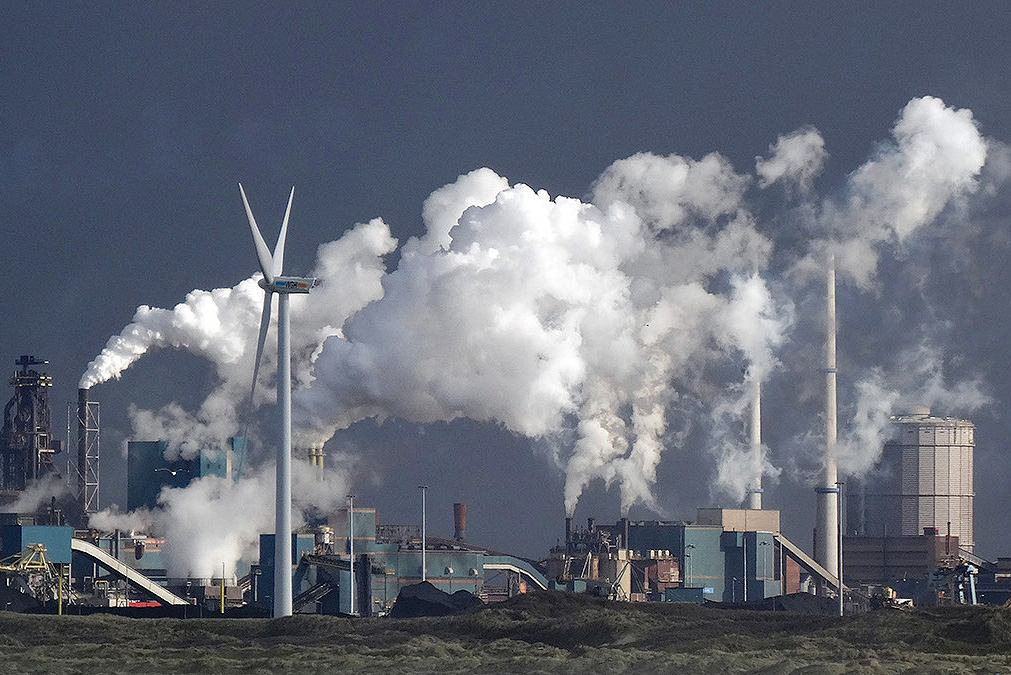
 Climate change is directly caused by market failures. One of the most important of these is that the atmosphere is a common resource: it is not privately owned; it is a global ‘commons’. Individuals and firms use it at a zero price. If the price of any good or service to the user is zero, there is no incentive to economise on its use. Thus for the emitter there are no private costs of using the atmosphere in this way as a ‘dump’ for their emissions and, in a free market, no incentive to reduce the climate costs.
And yet when firms emit greenhouse gases into the atmosphere there are costs to other people. To the extent that they contribute to global warming, part of these costs will be borne by the residents of that country; but a large part will be borne by inhabitants of other countries.
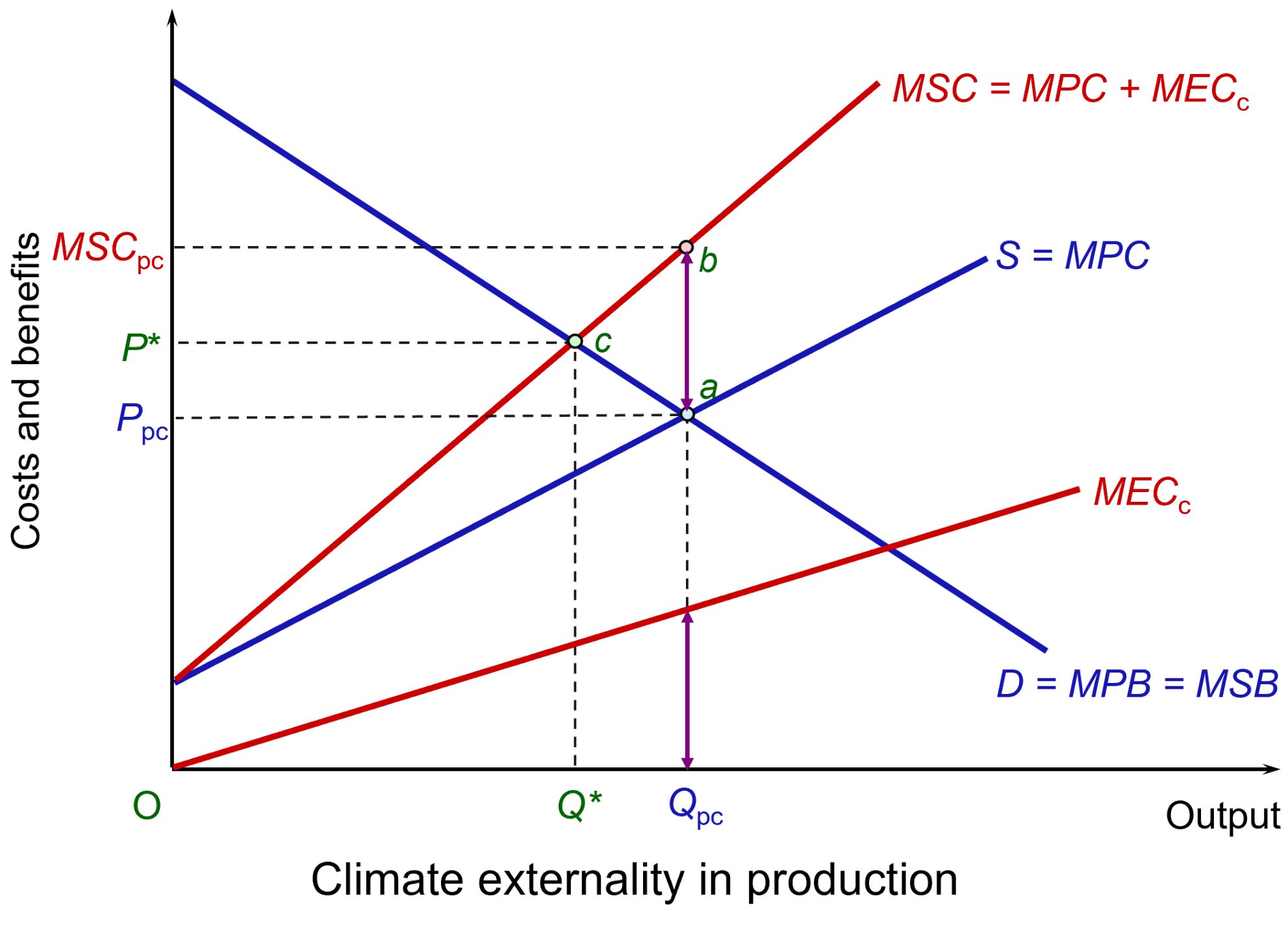 These climate costs are external costs to the firm and are illustrated in the figure. It shows an industry that emits CO2. To keep the analysis simple, assume that it is a perfectly competitive industry with demand and supply given by curves D and S, which are equal to the marginal private benefits (MPB) and marginal private costs (MPC), respectively. There are no externalities on the demand side and hence MPB equals the marginal social cost (MSB). Market equilibrium is at point a, with output at Qpc and price at Ppc. (Click here for a PowerPoint.)
Assume that the emissions create a marginal cost to society equal to MECc. Assume that the MEC increases as output and total emissions increase. The MECc line is thus upward sloping. At the market price of Qpc, these external climate costs are equal to the purple vertical line. When these external climate costs are added to private costs, this gives a marginal social cost given by MSC = MPC + MECc. The gives a socially optimal level of output of the product of Q* at a price of P*, with the optimum point of c.
 In other words, other things being equal, the free market overproduces products with climate externalities. If the output is to be reduced to the social optimum of Q*, then the government will need to take measures such as those advocated in the Paris Agreement. These could include imposing taxes on products, such as electricity generated by fossil fuels, or on the emissions themselves. Or green alternatives, such as wind power, could be subsidised.
Alternatively, regulations could be used to cap the production of products creating emissions, or caps on the emissions themselves could be imposed. Emissions permits could be issued or auctioned. Only firms in possession of the permits would be allowed to emit and the permits would cap emissions below free-market levels. These permits could be traded under a cap-and-trade scheme, such as the EU’s Emissions Trading Scheme. Again, such schemes are advocated under the Paris Agreement.
COP30 and progress in tackling climate change
 The USA is not attending COP30 in Brazil. Nor is the Chinese leader, Xi Jinping. However, there are growing opportunities for translating aims into practical policies for specific sectors, such as energy, transport and carbon-intensive industries. These policies may require some degree of government action – taxes, subsidies or regulation – to internalise climate externalities. But increasingly, green alternatives are becoming economically viable without subsidies or with just initial government funding to ‘crowd in’ private investment, which will then attract further private capital as external economies of scale kick in. Increasingly investors will find profitable opportunities in climate-friendly projects.
At the same time, while the USA is moving away from climate-friendly investment (as least for the term of the Trump Presidency), China is moving in the opposite direction, with massive investment in solar panels, wind turbines, EVs and batteries – investment that is bringing down their cost and thereby encouraging their adoption around the world. Such technologies create huge opportunities for low-income countries to provide affordable energy and to create local jobs, both skilled and unskilled. It also helps them achieve much greater energy security by reducing their reliance on fossil fuel imports
Chinese advances in green technology are also providing a stimulus to other countries to invest in renewable industries to prevent Chinese dominance. The danger, however, of Chinese dominance in the renewable sector in high-income countries is that it may encourage them to impose tariffs on Chinese imports of EVs, solar panels, etc. to protect their own industries.
But despite the growing opportunities for profitable adoption of green technologies without government support, there is still much that governments need to do to encourage the process. COP meetings are an important forum for discussing such policies and holding governments to account for meeting or not meeting their targets.
The agreement
The agreement reached at the end of the conference marked relatively small progress. There was agreement to increase finance from developed to developing countries to help them adapt to climate change. This would triple to $120bn per year, up from the previously agreed doubling, but the target date was pushed back to 2035 from the previously agreed 2030.
By the end of the conference, 122 of the 197 countries had submitted a new NDC – still 75 countries short, although others are expected.
The conference also agreed to establish a ‘just transition mechanism (JTM)’ to ‘enhance international cooperation, technical assistance, capacity-building and knowledge-sharing, and enable equitable, inclusive just transitions’. However, this is voluntary and no funding was attached, but it could act as the basis for future funding.
The biggest failure of the conference was probably the lack of agreement on phasing out of fossil fuels. This is not surprising given the opposition of the major oil producers. The hope is that the reduction in costs of renewable energy will drive the process anyway – a process that China is keen to accelerate with its investment in solar power and other renewable energy. One hopeful development, however, was the pledging of more than $9bn to halt deforestation, a major source of global warming. (See the Travers Smith article at the end of the Articles list below for a very useful summary of the outcome.)
Articles
- What is COP30 and why does it matter for the climate?
Chatham House, Anna Åberg (5/9/25)
- COP30 in Brazil: What is at stake for global collaboration on climate and nature?
World Economic Forum, Pim Valdre (5/11/25)
- What is COP30 and why does it matter?
CNN, Laura Paddison (11/11/25)
- Why COP 30 in Brazil Matters for a Thriving Economy and a Safe, Livable Planet
Union of Concerned Scientists (UCS),Rachel Cleetus (7/11/25)
- Nationally Determined Contributions: The Action Plans Behind Global Efforts To Fight the Climate Crisis
Center for American Progress (CAP, Kalina Gibson and Courtney Federico (22/9/25)
- New climate pledges only slightly lower dangerous global warming projections
UN Environment Programme, Press Release (4/11/25)
- COP30: Trump and many leaders are skipping it, so does the summit still have a point?
BBC News, Justin Rowlatt (10/11/25)
- Trump dismisses clean energy as ‘a joke.’ But Americans deserve facts, not fear
USA Today, Mark McNees (23/9/25)
- The surprising countries pulling off stunningly fast clean energy transitions
CNN, Ella Nilsen and Samuel Hart (7/11/25)
 Could the world’s biggest polluter be its savior against climate change?
CNN, Simone McCarthy (17/11/25)
- COP 2025: Outlook and Implications for Investors
RankiaPro, Joanna Piwko, Allegra Ianiri, Marie Lassegnore and Jean-Philippe Desmartin (10/11/25)
Post-agreement
- Belém: yet another cop out
Zero Hour, Allan Gray (25/11/25)
- Cop30’s watered-down agreements will do little for an ecosystem at tipping point
The Guardian, Fiona Harvey, Jonathan Watts, Damien Gayle and Damian Carrington (22/11/25)
- COP30: Five key takeaways from a deeply divisive climate summit
BBC News, Justin Rowlatt and Matt McGrath, (25/11/25)
- COP30: What were the key outcomes?
Travers Smith (1/12/25)
Information and Data
Questions
- Summarise the Paris Agreement.
- Summarise the Baku to Belém Roadmap to 1.3T.
- What incentives are there for countries to stick to their NCDs?
- Using a diagram similar to that above, illustrate how the free market will produce a sub-optimal amount of solar power because the marginal social benefit exceeds the marginal private benefit. How might the calculation be changing?
- How might game theory be used to analyse possible international decision making at COP conferences? How might this be affected by the attitudes of the Trump administration?
- Is it in America’s interests to cease investing in green energy and green production methods?
 Following the controversary over the sale of tickets for popular live events such as Taylor Swift’s Eras tour and the Oasis Live ’25 Tour, the government launched a consultation exercise in January 2025 on the resale of tickets. Titled, ‘putting fans first’, the exercise sought the views of individuals and organisations on a range of policy proposals. One of these was the implementation of a cap on the resale price of tickets.
The government is not only considering whether to implement a cap but also the level at which it might be set. The following question was included in the consultation exercise.
What is the maximum uplift that you think should be applied if ticket resales were to be subject to a price cap? Please state the reason for your selection.
• no uplift at all
• 10% or less
• between 10 and 20%
• between 20 and 30%
• other – please state
Some platforms such as Twickets and Ticketswap already cap resale prices on their platforms at between 5 and 10 per cent above the face value of the ticket. They are, therefore, less likely to be affected by any new price regulation unless the ‘no uplift at all’ option is chosen. On other platforms, such as Viagogo and Stubhub, resellers are free to list tickets at whatever price they choose. This is often referred to as the uncapped market, and tickets for the Oasis tour with a face value of £150 were listed on these websites for £14 000. The implementation of a price cap is likely to have a big impact on this part of the resale market. The chief executive of StubHub stated in June 2025 that the business would probably have to exit the UK if a cap was introduced.
 Although many fans dislike the uncapped secondary ticketing market, most economists take a more positive view. They see them as a way of facilitating mutually beneficial trade and helping to reallocate tickets to those with the highest willingness to pay. This reduces levels of allocative inefficiency/deadweight welfare loss in the market.
Economists also tend to argue against the use of price controls in competitive markets because of their negative impact on supply. If price controls reduce the available returns to sellers, they have an incentive to do something else with their time/resources i.e. switch to supplying other goods and services in markets not subject to price controls. This reduces supply in the regulated market and so could have a negative impact on consumer surplus.
What are the issues with the secondary market?
 Given the benefits outlined by economists of having an uncapped secondary ticketing, why is the government considering the implementation of a price cap? One potential issue of having an uncapped secondary ticketing market is that developments in technology make it easier for professional resellers to buy very large quantities of tickets. This makes it increasingly difficult for fans who want to attend the event from being able to purchase a ticket.
Reports also suggest that professional resellers use illegal methods to both mass purchase and resell tickets. For example, to overcome any limits on sales imposed by the sellers in the primary market, some use automated software, fake IDs and multiple credit cards. Two people convicted of fraudulent trading in 2024 were found to have bought 47 000 tickets over a 212-year period, using 127 names and 187 different e-mail addresses.
Some resellers have also acted in ways that do not comply with consumer law when advertising tickets for sale. For example, not providing information such as the ticket number and other details about where the seat is located i.e. the block/area and row.
These rent seeking activities by professional resellers could outweigh the positive impact of uncapped secondary market on allocative efficiency.
Implementing a resale price cap would reduce the incentives for professional resellers to purchase large quantities of tickets and engage in these rent-seeking activities. However, in the consultation document the government recognises that the implementation of a resale price cap would be a ‘significant and complex intervention’.
An important implementation issue
To calculate the resale price cap for any live event, the original price of the ticket in the primary market needs to be known. This raises an interesting question – should the cap apply to the initial face value of the ticket or the total price the customer pays?
The face value of the ticket may only represent a proportion of the actual cost of buying a ticket because of the widespread use of drip pricing. This is the practice of applying additional fees as the consumer proceeds through the online purchasing process. These fees can sometimes add around 25 per cent and more to the price of a ticket. In the consultation document, the government suggested that the cap should apply to the face value of the ticket plus all compulsory fees.
 One issue raised in the response to the consultation by the Competition and Markets Authority is that these fees are not always made clear by sellers in the primary market in a clear and transparent way. Therefore, for the policy to be effective, primary market sellers would have to make information on both ticket prices and any fees clearly and easily available. Recent changes to the law that prohibit drip pricing might help to address this issue.
The potential impact of a resale price cap on fraud
 To avoid the price cap, there is a danger that increasing numbers of buyers and sellers stop using capped secondary ticket platforms, where activity is easier to observe/regulate, and switch to other non-specialist platforms where detection of illegal behaviour and enforcement of consumer law is more difficult. Examples of non-specialist platforms where sales might increasingly take place include Facebook Marketplace, Instagram Shop, X (formerly Twitter) and internet forums. With lower levels of consumer protection and the greater difficulty of detecting illegal behaviour, sales via these non-specialist platforms are more vulnerable to scams and fraud.
When referring to the impact of a resale price cap, the chief executive of StubHub argued that:
It will have a massive negative impact on consumers. It’s not like the demand is going to go away, it’s just going to move somewhere else, and that somewhere else is going to be the black market [where] consumers aren’t protected.
To test the hypothesis that price controls lead to greater incidences of fraud, one study used polling data to compare ticket fraud rates in the UK with Victoria, Australia and Ireland. In 2009, the state government of Victoria made it illegal for tickets to be resold for more than 10 per cent of their face, while the Irish government introduced the Sale of Ticket Act in 2021 that prohibited the resale of tickets above their original price. The study found that the proportion of respondents who reported being victims of ticket fraud over the previous two years was around four times higher in Victoria and Ireland than the UK. The most common sales channel where consumers experienced ticket fraud in all three countries were social media platforms.
Another example of the potential impact of the price cap in Ireland on fraud relates to the first ever regular-season NFL game that is being played in Dublin on 28 September 2025 between the Pittsburgh Steelers and the Minnesota Vikings. The online bank, Revolut, reported an 80 per cent increase in the number of ticket scams when tickets for this game went on sale.
In response to the consultation exercise, the Competition and Markets Authority backed the implementation of a resale price. It will be interesting to see if the government goes through with the measure in the next few months.
Consultation
Articles
Blogs on this site
Questions
- Why might event organisers set ticket prices below the market clearing rate? Illustrate the impact of setting prices below market clearing rates on consumer, producer and total surplus in the primary market for tickets.
- Using a demand and supply diagram, explain how the uncapped secondary ticket market could reduce deadweight welfare loss. Discuss any assumptions you have made about the allocation of tickets among potential buyers in the primary market (i.e. sorting).
- Is it possible for professional resellers to continue making a profit if tickets are sold at market clearing rates in the primary market? Explain your answer.
- Under what circumstances would a maximum price set below the market clearing rate in a competitive market have a negative impact on consumer surplus? Draw a diagram to illustrate your answer.
- Using examples, explain what is meant by ‘rent seeking’ in economic theory.
Outline some of the recent updates to the law on pricing information that businesses must show customers.
- What policies, other than a resale price cap, could the government introduce to try to address some of the issues with the ticketing market for live events?
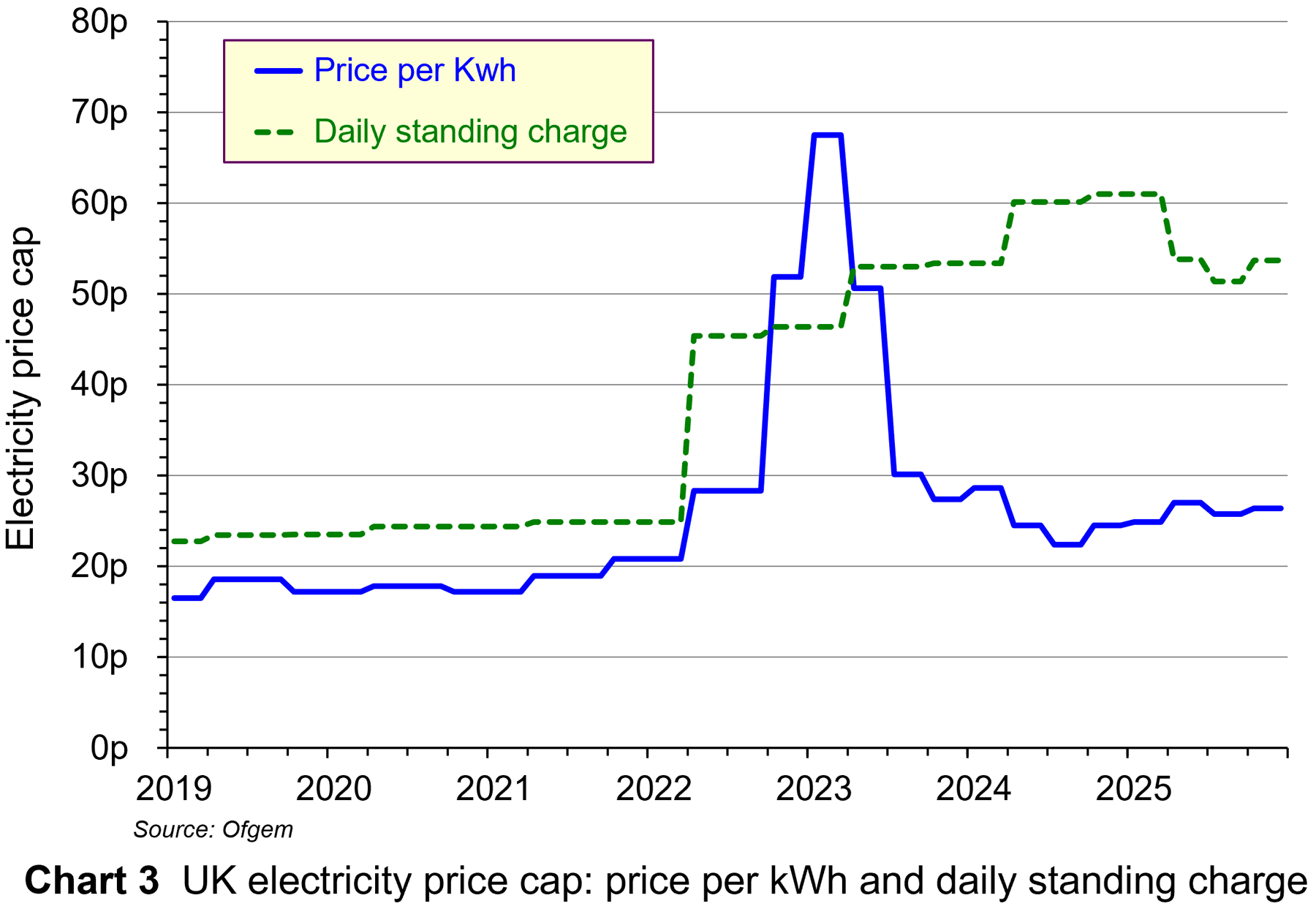
 The UK energy regulator, Ofgem, has announced that the UK energy price cap will rise in October by an average of 2%. The energy price cap sets the maximum prices for electricity and gas that can be charged by suppliers to households. For those paying by direct debit, the maximum electricity price per kilowatt-hour (kWh) will rise from 25.73p to 26.35p, with the maximum daily standing charge rising from 51.37p to 53.68p. As far as gas is concerned, the maximum price per kWh will fall slightly from 6.33p to 6.29p, with the maximum daily standing charge rising from 29.82p to 34.03p. Ofgem estimates that this will mean that the capped cost to the average household will rise from £1720 to £1755.
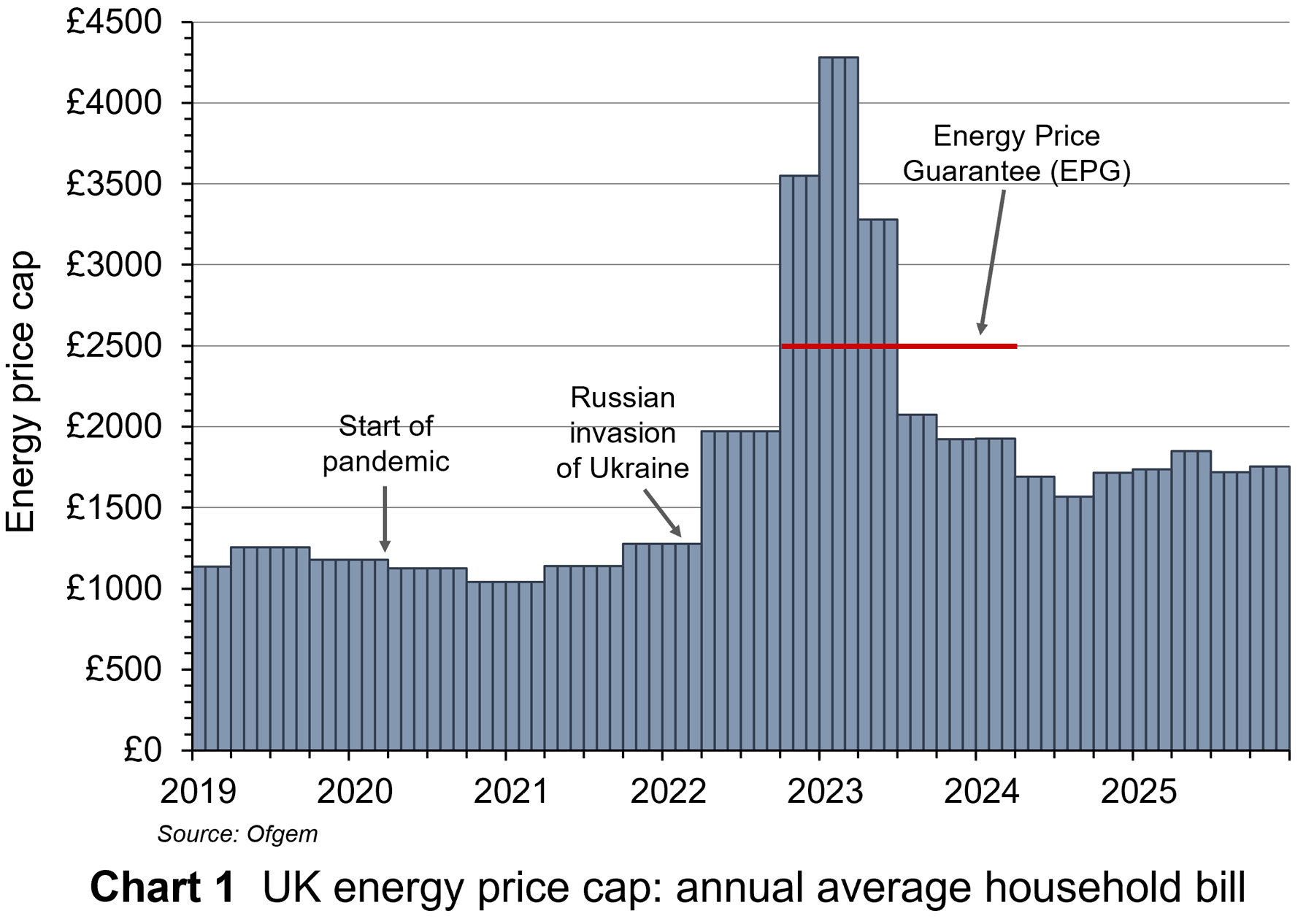 The average capped cost is now much lower than the peak of £4279 from January to March 2023. This followed the huge increase in international gas prices in the aftermath of the invasion of Ukraine and the cutting off of gas supplies from Russia. Note that although the suppliers received these capped prices, average consumers’ bills were limited to £2500 from October 2022 to March 2024 under the government’s Energy Price Guarantee scheme, with suppliers receiving a subsidy from the government to make up the shortfall. But despite today’s cap being much lower than at the peak, it is still much higher than the cap of £1277 prior to Russia’s invasion of Ukraine: see Chart 1 (click here for a PowerPoint).
So is the capped price purely a reflection of the international price of gas, or is it more complicated? The picture is slightly different for gas and electricity.
Gas prices
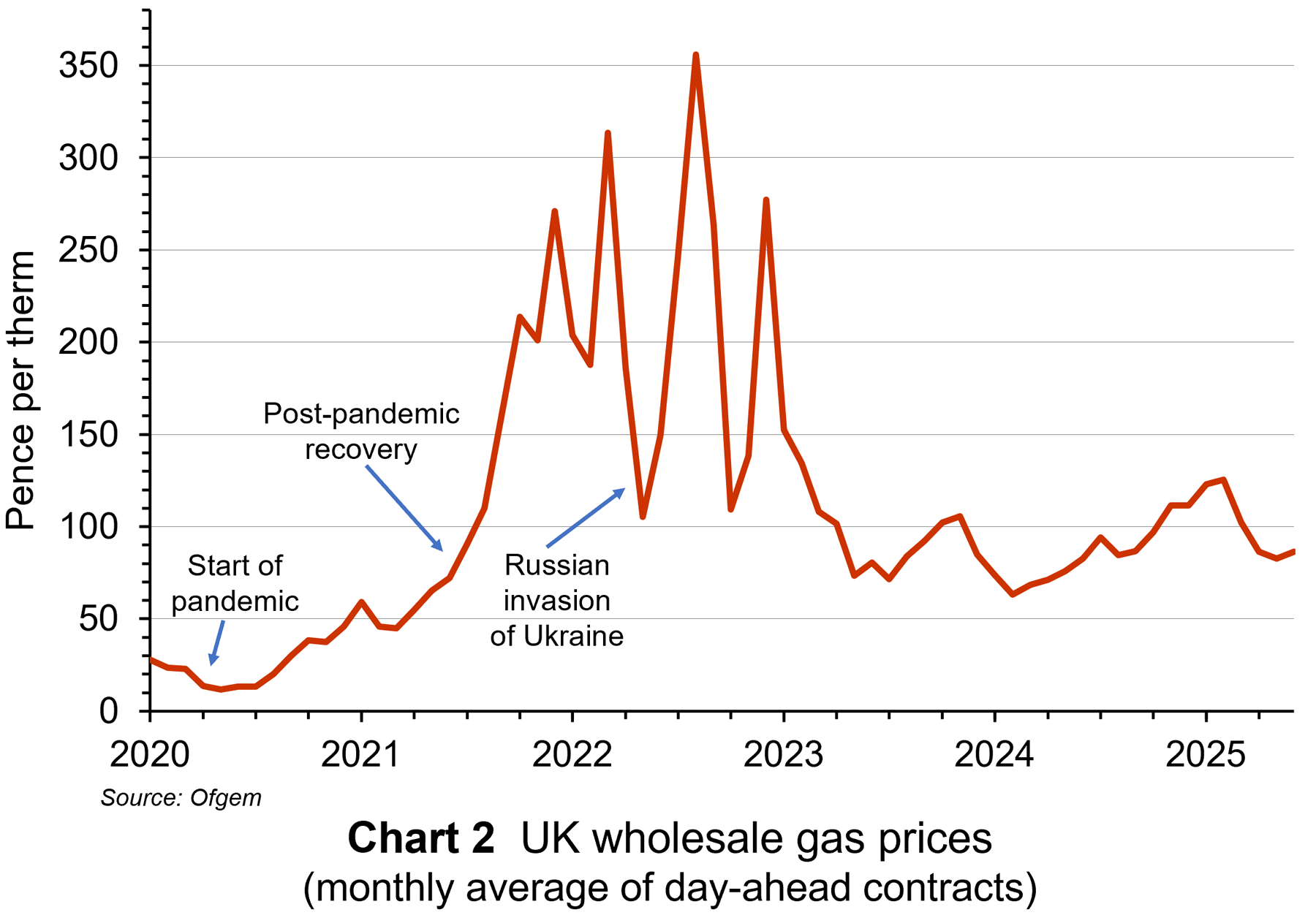 As far as gas prices are concerned, the price does largely reflect the international price: see Chart 2 (click here for a PowerPoint).
The UK is no longer self-sufficient in gas and relies in part on imported gas, with the price determined in volatile international markets. It also has low gas storage capacity compared with most other European countries. This leaves it highly reliant on volatile global markets in periods of prolonged high demand, like a cold winter. Is such cases, the UK often has to purchase more expensive liquefied natural gas (LNG) from global suppliers.
Additionally, taxes, environmental levies and the costs of the nationwide gas distribution network contribute to the overall price for consumers. Changes in these costs affect gas prices. These are itemised below in the case of electricity.
With electricity pricing, the picture is more complex.
Electricity prices
 Electricity generation costs vary considerably with the different methods. Renewable sources like wind and solar have the lowest marginal costs, while natural gas plants have the highest, although gas prices fluctuate considerably.
So how are consumer electricity prices determined? And how is the electricity price cap determined? The price cap for electricity per kWh and the daily standing charge for electricity are shown in Chart 3 (click here for a PowerPoint).
Marginal cost pricing. The wholesale price of electricity in the UK market is set by the most expensive power source needed to meet demand on a day-by-day basis. This is typically gas. This means that even when cheaper renewables (wind, solar, hydro) or nuclear power generate most of the electricity, high gas prices can increase the cost for all electricity. The wholesale price accounts for around 41% of the retail price paid by households.
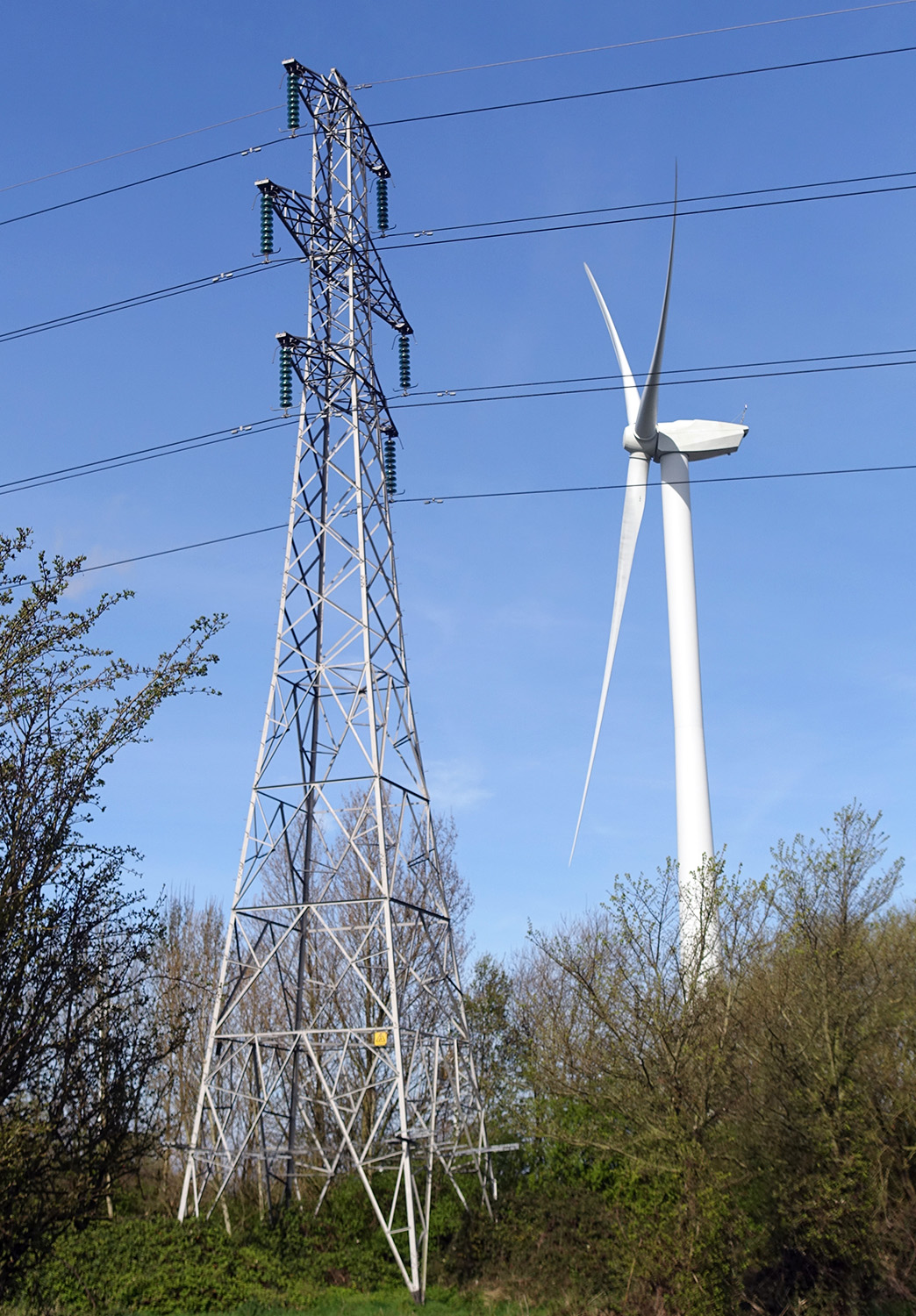 It also means that profits for low-marginal-cost producers could increase significantly when gas prices rise. To prevent such (low-carbon) suppliers making excess profits when the wholesale price is high and possibly making a loss when it is low, the actual prices that they receive is negotiated in advance and a contract is signed. These contracts are known as Contracts for Difference (CfDs). CfDs provide a fixed ‘strike price’ to low-carbon generators. The strike price is set so as to allow low-carbon generators to recoup capital costs and is thus set above the typical level of marginal cost. If the wholesale price is below the strike price, payments to generators to cover the difference are funded by amounts collected from electricity suppliers in advance using the CfD Supplier Obligation Levy. If the wholesale price is above the strike price, the difference is returned to consumers in terms of lower electricity bills.
Policy costs. Electricity bills include an element to fund various social and environmental objectives. This element is also included in the cap. From October to December 2025, this element of the cap will be 11.3%. The money helps to subsidise low-carbon energy generation and fund energy efficiency schemes. It also funds the Warm Home Discount (WHD). In the October to December 2025 price cap, this amounted to a discount for eligible low-income and vulnerable households of £150 per annum on their electricity bills. The WHD element is included in the standing charge in the price cap. From October 2025, more generous terms will mean that the number of households receiving WHD will increase from 3.4 million to 6.1 million households. This is the main reason for the £35 increase in the cap.
Network costs. These include the cost of building, maintaining and repairing the pipes and wires that deliver gas and electricity to homes. From October to December 2025, this element of the cap will be 22.6%.
Supplier business costs. These include operating costs (billing, metering, office costs, etc.) and servicing debt. From October to December 2025, this element of the cap will be 15.4%.
Profit Allowance. A small percentage is added to the price cap for energy suppliers’ profits. This is known as the Earnings Before Interest and Tax (EBIT) allowance and is around 2.4%. This has a fixed component that does not change when the overall price cap is updated and a variable component that rises or falls with changes in the cap.
Reliance on gas, low gas storage facilities, marginal cost pricing and the commitment to invest in low-carbon electricity and home heating all add to the costs of energy in the UK, making UK electricity prices among the highest in the world.
Articles
Information and Data
Questions
- Why are the UK’s energy prices among the highest in the world?
- What are the arguments for and against subsidising wind power?
- What is the Contracts for Difference scheme in low-carbon energy. What CfDs have been awarded? Assess the desirability of the scheme.
- Is the capping of gas and electricity prices the best way of providing support for low-income and vulnerable consumers?
- How are externalities relevant in determining the optimal pricing of electricity?
 Africa’s energy transition is at a pivotal moment. While the continent boasts abundant renewable energy resources, its electricity generation and distribution remain fragmented. Cross-border electricity trade has emerged as a potential game-changer, fostering energy security, reducing costs, and accelerating the adoption of renewables. However, is Africa fully leveraging this opportunity?
In a forthcoming paper in the Energy & Environment journal, I join forces with my colleagues Mercy Adaji and Bereket Kebede to argue that the answer to this question is no. Our study examines the impact of cross-border electricity trade in renewable electricity generation across 21 African countries over a 24-year period (1996–2020). Our findings indicate that a 1% increase in electricity trade significantly raises the share of renewables in total electricity output by approximately 0.05%. This underscores the crucial role of regional integration in advancing Africa’s clean energy goals, aligning with previous studies (e.g., Boz et al., 2021; Song et al., 2022, linked below) that highlight how electricity market integration promotes renewable energy investments by stabilising supply and mitigating intermittency risks.
Despite these advantages, cross-border electricity trade remains significantly underutilised due to regulatory barriers, inadequate infrastructure, and governance challenges.
 Net electricity-importing countries tend to benefit more from trade, while net-exporting nations, particularly those reliant on fossil fuels, exhibit weaker positive impacts. Without targeted policies (such as carbon pricing and green subsidies) trade disparities may persist, slowing the transition to clean energy.
Moreover, our results highlight the pivotal role of governance in fostering a robust electricity market. This is neither surprising nor new – quality of governance matters over the long term in all aspects of economic activity. Agostini et al. (2019), for instance, show that well-structured regulations and strategic investments in interconnections enhance the effectiveness of cross-border electricity trade. Transparent regulatory frameworks, expanded grid interconnections, and harmonised energy policies can significantly boost the impact of regional electricity trade.
By strengthening collaboration, African nations can mitigate energy poverty, enhance supply reliability, and accelerate the shift toward a greener future.
To capitalise fully on cross-border electricity trade, African policymakers must prioritise regional energy integration, invest in infrastructure and implement incentives to spur renewable energy expansion. With the right policies and co-operative strategies, Africa can harness its vast renewable potential and achieve a more sustainable, energy-secure future.
Articles
- Powering Africa’s sustainable future: The role of cross-border electricity trade on renewable electricity generation
Energy & Environment, Mercy Adaji, Nicholas Vasilakos and Bereket Kebede (17/2/25)
- A surplus based framework for cross-border electricity trade in South America
Energy Policy, Claudio A Agostini, Andrés M Guzmán, Shahriyar Nasirov and Carlos Silva (1/2/19)
- The effects of cross-border electricity trade on power production from different energy sources
The Electricity Journal, Deniz Ege Boz, Baris Sanli and M Hakan Berument (20/4/21)
- Energy market integration and renewable energy development: Evidence from the European Union countries
Journal of Environmental Management, Malin Song, Haitao Xu, Zhiyang Shen and Xiongfeng Pan (5/6/22)
Questions
- How does electricity trade help mitigate the intermittency challenges of renewable energy, and what mechanisms could further enhance its effectiveness?
- The study highlights governance quality as a crucial factor in the success of cross-border electricity trade. What governance-related challenges do African countries face in implementing a unified electricity market, and how can policymakers address them to maximize trade benefits?
- Our results show that net electricity-importing countries tend to gain more from trade than net-exporting ones, particularly those relying on fossil fuels. What policy measures can be introduced to ensure that net-exporting countries also benefit from electricity trade while advancing renewable energy integration?
- What are the most critical infrastructure and policy gaps that hinder the growth of cross-border electricity trade in Africa, and how can these be overcome to facilitate a more sustainable energy transition?
On the day he came to office, President Trump signed a series of executive orders. One of these was to set in motion the process of withdrawing from the UN Paris climate agreement. Section 3(a) of the order reads:
The United States Ambassador to the United Nations shall immediately submit formal written notification of the United States’ withdrawal from the Paris Agreement under the United Nations Framework Convention on Climate Change.
The Paris Agreement is an international treaty on climate change. It was adopted on 12 December 2015 and came into force on 4 November 2016, 30 days after the point was reached when at least 55 countries accounting for at least 55% of global emissions had ratified the treaty.
Currently, all UN countries are signatories to the agreement and only Iran, Libya and Yemen are yet to ratify it. The agreement commits countries to limiting global warming to well under 2°C above pre-industrial levels and preferably to no more than 1.5°C. This would involve reducing greenhouse gas emissions and/or taking carbon absorbing measures.
 Since 2020, each country has been required to submit its own emission-reduction targets, known as ‘nationally determined contributions’ (NDCs), and the actions it will take to meet them. Every five years each country must submit a new NDC more ambitious than the last.
Rich countries are expected to provide finance to low-income countries. This is required to help poor countries adopt green technologies and to adapt to the harmful effects of climate change (e.g. through irrigation schemes and flood defences).
Countries set target dates by which emissions would be fully offset by carbon absorption measures (‘net zero’). The UN’s goal is to reach global net zero by 2050. According to the UN Climate Action site:
As of June 2024, 107 countries, responsible for approximately 82 per cent of global greenhouse gas emissions, had adopted net-zero pledges either in law, in a policy document such as an national climate action plan or a long-term strategy, or in an announcement by a high-level government official. More than 9000 companies, over 1000 cities, more than 1000 educational institutions, and over 600 financial institutions have joined the Race to Zero, pledging to take rigorous, immediate action to halve global emissions by 2030.
The Paris Agreement has helped to cut emissions or slow their rate of growth in most countries. Although net zero by 2050 may be unlikely, warming will be less than without the agreement.
The USA and the Paris Agreement
 In April 2016 the USA signed the Paris Agreement. As stated above, the Paris Agreement came into effect on 4 November 2016.
President Trump came to office for the first time in January 2017. In June 2017, he signed an executive order in which he announced that the USA would withdraw from the agreement, arguing that it undermined the US economy and put it at a competitive disadvantage. He claimed that global warming is a hoax concocted by China designed to undermine the competitive power of the USA.
However, despite Trump’s intention to withdraw from the agreement, its terms did not allow a country to begin a withdrawal procedure for at least three years after the agreement was ratified (i.e. not before 4 November 2019) and then a year’s notice has to be given. This notice was given on 4 November 2019. In the meantime, the USA had to abide by the terms of the treaty. During this period, US representatives at COP meetings used the opportunity to promote fossil fuels. Withdrawal took place on 1 November 2020, just one day after the presidential election and just over two months before the end of Trump’s first term of office.
On 20 January 2021, his first day in office, President Biden signed an executive order to rejoin the agreement, which took place on 19 February 2021. He committed to cutting total greenhouse gas emissions by at least 50% by 2030. To achieve this, his administration adopted a number of emissions-reducing measures, for example requiring all new passenger vehicles sold after 2035 to be emissions free, giving tax credits for clean electricity generation, providing federal funds for smart agriculture and setting greener appliance and equipment standards.
But, as we have seen, newly elected President Trump for the second time announced that the USA would withdraw from the Paris agreement and would prioritise fossil fuel production, under the mantra, ‘drill, baby, drill’.
The economics of climate change
Climate change is directly caused by market failures. One of the most important of these is that the atmosphere is a common resource: it is not privately owned; it is a global ‘commons’. Individuals and firms use it at a zero price. If the price of any good or service to the user is zero, there is no incentive to economise on its use. Thus for the emitter there are no private costs of using the atmosphere in this way as a ‘dump’ for their emissions and, in a free market, no incentive to reduce the climate costs.
And yet when firms emit greenhouse gases into the atmosphere there are costs to other people. To the extent that they contribute to global warming, part of these costs will be borne by the residents of that country; but a large part will be borne by inhabitants of other countries.
These climate costs are external costs to the firm and are illustrated in the figure. It shows an industry that emits CO2. To keep the analysis simple, assume that it is a perfectly competitive industry with demand and supply given by curves D and S, which are equal to the marginal private benefits (MPB) and marginal private costs (MPC), respectively. There are no externalities on the demand side and hence MPB equals the marginal social cost (MSB). Market equilibrium is at point a, with output at Qpc and price at Ppc. (Click here for a PowerPoint.)
Assume that the emissions create a marginal cost to society equal to MECc. Assume that the MEC increases as output and total emissions increase. The MECc line is thus upward sloping. At the market price of Qpc, these external climate costs are equal to the purple vertical line. When these external climate costs are added to private costs, this gives a marginal social cost given by MSC = MPC + MECc. The gives a socially optimal level of output of the product of Q* at a price of P*, with the optimum point of c.
In other words, other things being equal, the free market overproduces products with climate externalities. If the output is to be reduced to the social optimum of Q*, then the government will need to take measures such as those advocated in the Paris Agreement. These could include imposing taxes on products, such as electricity generated by fossil fuels, or on the emissions themselves. Or green alternatives, such as wind power, could be subsidised.
Alternatively, regulations could be used to cap the production of products creating emissions, or caps on the emissions themselves could be imposed. Emissions permits could be issued or auctioned. Only firms in possession of the permits would be allowed to emit and the permits would cap emissions below free-market levels. These permits could be traded under a cap-and-trade scheme, such as the EU’s Emissions Trading Scheme. Again, such schemes are advocated under the Paris Agreement.
Effect of the USA’s withdrawal from the Paris Agreement
 Withdrawal from the Paris Agreement and promoting fossil fuels will increase US emissions. Scientific consensus is that this will have a negative effect on climate change. Only part of these climate costs will be borne by the USA, although the severity of recent fires in California, fanned by strong Santa Ana winds, and more violent hurricanes are two examples of costs of climate change to the USA itself.
A bigger worry is whether the USA’s withdrawal will encourage other countries, such as Argentina, to do likewise. Then the climate costs of US withdrawal will be greater.
But all is not bad news. The transition to green energy is well advanced and the costs of solar and wind power are decreasing. Global investment in clean energy has increased by 60% since 2015. China is investing heavily in renewable energy technology, which is giving it a significant trade advantage. The EU has taken significant actions to promote green energy and technology. Similarly, industrial processes that economise on emissions are developing apace and it is becoming increasingly profitable for private companies to make climate-friendly investments without subsidies. In the USA itself, many Democratic states and local governments, and even some Republican ones, will continue to adopt climate-friendly policies.
In this environment, the Trump administration does not want to fall behind in the development of new technologies and markets. And with Elon Musk having a significant influence on Donald Trump, the USA’s investment in EVs and battery technology is likely to continue. This will help to reduce the price of green energy and transport.
Videos
Articles
- Trump vows to leave Paris climate agreement and ‘drill, baby, drill’
BBC News, Matt McGrath (20/1/25)
- What is the Paris climate agreement and why has Trump withdrawn?
BBC News, Esme Stallard and Mark Poynting (21/1/25)
- Six Trump executive orders to watch
BBC News (21/1/25)
- The real message behind Trump’s withdrawal of US from the Paris climate agreement
Sky News, Tom Clarke (21/1/25)
- Trump signs order to withdraw US from Paris climate agreement for second time
The Guardian, Dharna Noor (20/1/25)
- Explained: how Trump’s day one orders reveal a White House for big oi
The Guardian, Oliver Milman and Dharna Noor (22/1/25)
- Donald Trump can’t stop global climate action. If we stick together, it’s the US that will lose out
The Guardian, Bill Hare (6/11/24)
 Trump to pull US from Paris climate agreement: What could this mean for the environment?
ITV News, Martin Stew (21/1/25)
- 10 reasons why US president-elect Donald Trump can’t derail global climate action
The Conversation, Wesley Morgan and Ben Newell (8/11/24)
- Trump has rejected the Paris agreement again, but game theory shows how other countries can still lead by example
The Conversation, Renaud Foucart (27/1/25)
Information
Questions
- Summarise the Paris Agreement.
- Using a diagram similar to that above, illustrate how the free market will produce a sub-optimal amount of solar power because the marginal social benefit exceeds the marginal private benefit.
- How might game theory be used to analyse possible international decision making in the context of US climate policy?
- Is it in America’s interests to cease investing in green energy and green production methods?
- Go through each of the reasons (not specific to Australia) given in The Conversation article linked above why ‘Donald Trump can’t derail global climate action’. To what extent do you agree with each one?