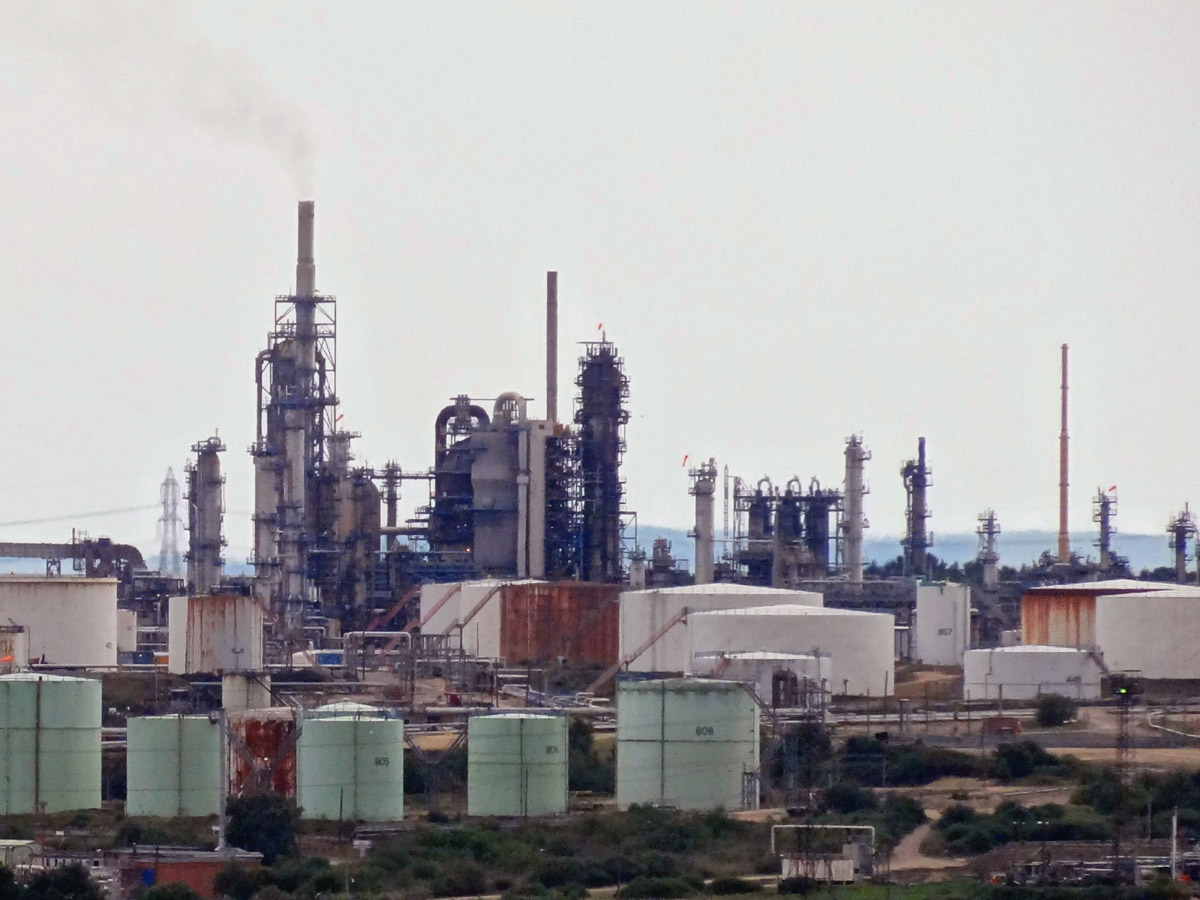
 The share prices of various AI-related companies have soared in this past year. Recently, however, they have fallen – in some cases dramatically. Is this a classic case of a bubble that is bursting, or at least deflating?
Take the case of NVIDIA, the world’s most valuable company, with a market capitalisation of around $4.2 trillion (at current share prices). It designs and produces graphics cards and is a major player in AI. From a low of $86.62 April this year, its share price rose to a peak of $212.19 on 29 October. But then began falling as talk grew of an AI bubble. Despite news on 19 November that its 2025 Q3 earnings were up 62% to $57.0bn, beating estimates by 4%, its share price, after a temporary rise, began falling again. By 21 November, it was trading at around $180.
Other AI-related stocks have seen much bigger rises and falls. One of the biggest requirements for an AI revolution is data processing, which uses huge amounts of electricity. Massive data centres are being set up around the world. Several AI-related companies have been building such data centres. Some were initially focused largely on ‘mining’ bitcoin and other cryptocurrencies (see the blog, Trump and the market for crypto). But many are now changing focus to providing processing power for AI.
 Take the case of the Canadian company, Bitfarms Ltd. As it says on its site: ‘With access to multiple energy sources and strategic locations, our U.S. data centers support both mining and high-performance computing growth opportunities’. Bitfarms’ share price was around CAD1.78 in early August this year. By 15 October, it had reached CAD9.27 – a 421% increase. It then began falling and by 24 November was CAD3.42 – a decline of over 63%.
Data centres do have huge profit potential as the demand for AI increases. Many analysts are arguing that the current share price of data centres undervalues their potential. But current profits of such companies are still relatively low, or they are currently loss making. This then raises the question of how much the demand for shares, and hence their price, depends on current profits or future potential. And a lot here depends on sentiment.
If people are optimistic, they will buy and this will lead to speculation that drives up the share price. If sentiment then turns and people believe that the share price is overvalued, with future profits too uncertain or less than previously thought, or if they simply believe that the share price has overshot the value that reflects a realistic profit potential, they will sell and this will lead to speculation that drives down the share price
 The dot.com bubble of the late 1990s/early 2000s is a case in point. There was a stock market bubble from roughly 1995 to 2001, where speculative investment in internet-based companies caused their stock values to surge, peaking in late 1999/early 2000. There was then a dramatic crash. But then years later, many of these companies’ share prices had risen well above their peak in 2000.
Take the case of Amazon. In June 1997, its share price was $0.08. By mid-December 1999, it had reached $5.65. It then fell, bottoming out at $0.30 in September 2001. The dot-com bubble had burst.
But the potential foreseen in many of these new internet companies was not wrong. After 2001, Amazon’s share price began rising once more. Today, Amazon’s shares are trading at over $200 – the precise value again being driven largely by the company’s performance and potential and by sentiment.
So is the boom in AI-related stock a bubble? Given that the demand for AI is likely to continue growing rapidly, it is likely that the share price of companies providing components and infrastructure for AI is likely to continue growing in the long term. But just how far their share prices will fall in the short term is hard to call. Sentiment is a fickle thing.
Articles
Questions
- Using a supply and demand diagram, illustrate how speculation can drive up the share price of a company and then result in it falling.
- What is meant by overshooting in a market? What is the role of speculation in this process?
- Does a rapid rise in the price of an asset always indicate a bubble? Explain.
- What are the arguments for suggesting that markets are/are not experiencing an AI share price bubble? Does it depend of what part of the AI market is being considered?
- What is meant by the market capitalisation of a company? Is it a good basis for deciding whether or not a company’s share price is a true reflection of the company’s worth? What other information would you require?
- Find out what has been happening to the price of Bitcoin. What factors determine the price of Bitcoin? Do these factors make the price inherently unstable?
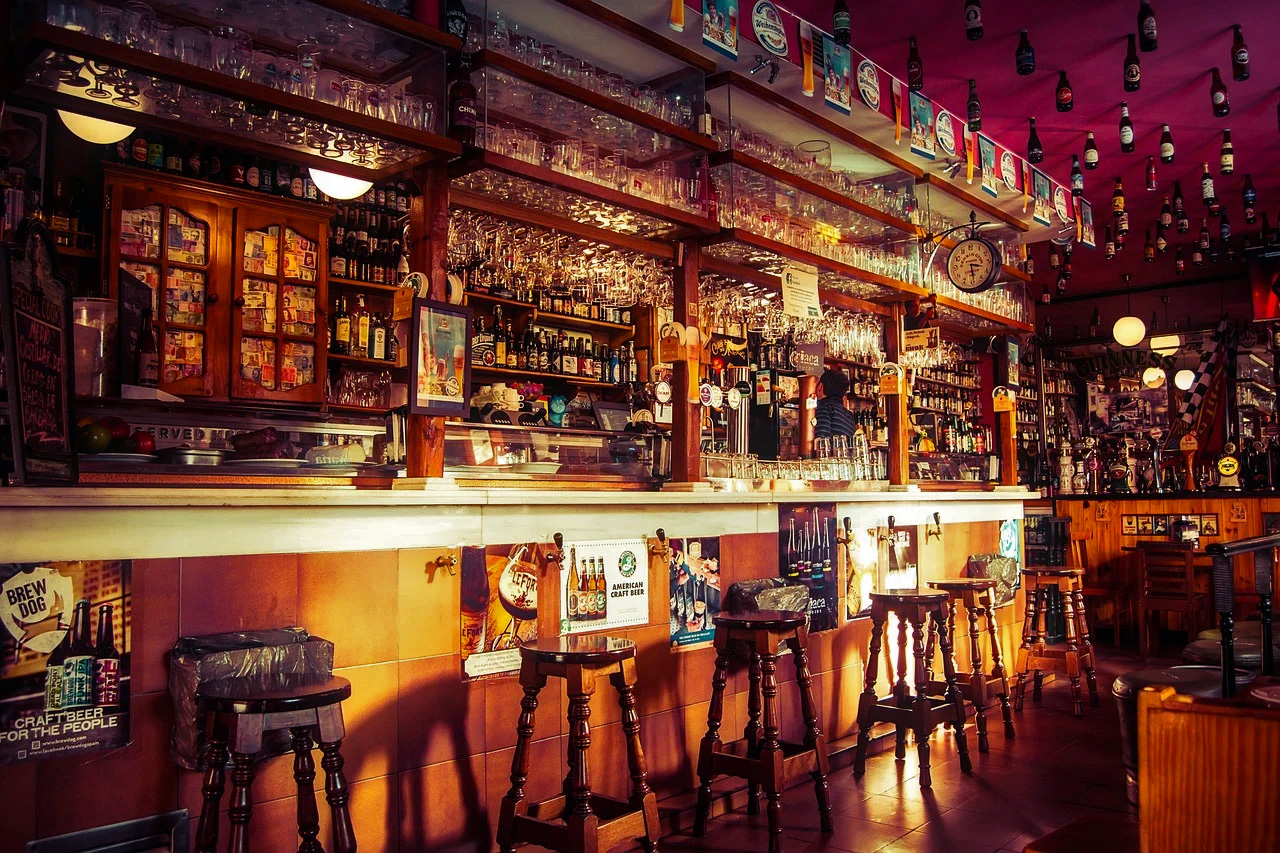 Some firms in the high-Covid, tier 3 areas in England are being forced to shut by the government. These include pubs and bars not serving substantial meals. Similarly, pubs in the central belt of Scotland must close. But how should such businesses and their employees be supported?
As we saw in the blog, The new UK Job Support Scheme: how much will it slow the rise in unemployment?, the government will support such businesses by paying two-thirds of each employees’ salary (up to a maximum of £2100 a month) and will give cash grants to the businesses of up to £3000 per month.
This support has been criticised by local leaders, such as those in Greater Manchester, as being insufficient. Workers, they argue, will struggle to pay their bills and the support for firms will be too little to prevent many closing for good. What is more, many firms and their employees in the supply chain, such as breweries, will get no support. Greater Manchester resisted being put into tier 3 unless the level of support was increased. However, tier 3 status was imposed on the authority on 20 October despite lack of agreement with local politicians on the level of support.
Jim O’Neill, Vice Chair of the Northern Powerhouse partnership, has argued that the simplest way of supporting firms forced to close is to guarantee their revenue. He stated that:
The government would be sensible to guarantee the revenues of businesses it is forcing to shut. It is easier, fairer and probably less costly in the long run – and a proper test of the government’s confidence that in the New Year two of the seven vaccines the UK has signed up to will work.
This would certainly help firms to survive and allow them to pay their employees. But would guaranteeing revenues mean that such firms would see an increase in profits? The questions below explore this issue.
Articles
Questions
- Identify the fixed and variable costs for a pub (not owned by a brewery).
- If a pub closed down but the wages of workers continued to be paid in full, what cost savings would be made?
- If a pub closed down but was given a monthly grant by the government equal to its previous monthly total revenue but had to pay the wages of it workers in full, what would happen to its profits?
- On 19 October, the Welsh government introduced a two-week lockdown for Wales. Under these restrictions, all non-essential retail, leisure, hospitality and tourism businesses had to close. Find out what support was on offer for such firms and their workforce and compare it to other parts of the UK.
- What type of support for leisure and hospitality businesses forced by the government to close would, in your opinion, be optimal? Justify your answer.
- Is there any moral hazard from the government providing support for businesses made unprofitable by the Covid-19 crisis? Explain.
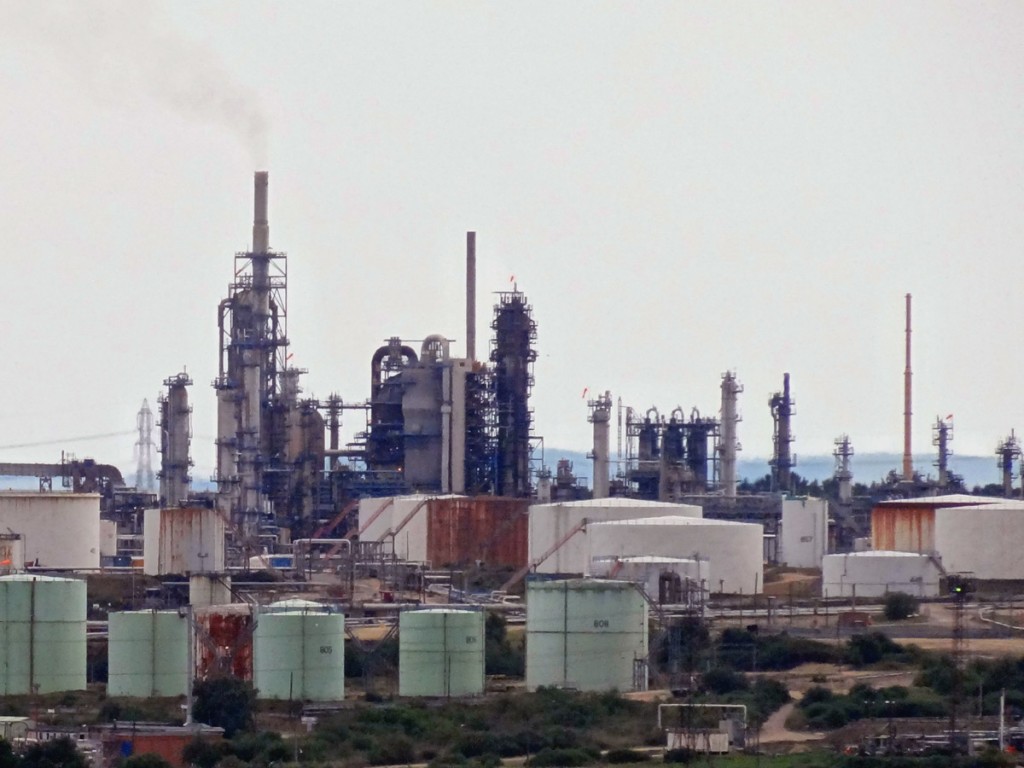 Oil prices will remain below $60 per barrel for the foreseeable future. At least this is what is being assumed by most oil producing companies. In the more distant future, prices may rise as investment in fracking, tar sands and new wells dries up. In meantime, however, marginal costs are sufficiently low as to make it economically viable to continue extracting oil from most sources at current prices.
The low prices are partly the result of increases in supply from large-scale investment in new sources of oil over the past few years and increased output by OPEC. They are also partly the result of falling demand from China.
 But are low prices all bad news for the oil industry? It depends on the sector of the industry. Extraction and exploration may be having a hard time; but downstream, the refining, petrochemicals, distribution and retail sectors are benefiting from the lower costs of crude oil. For the big integrated oil companies, such as BP, the overall effect may not be as detrimental as the profits from oil production suggest.
Articles
BP – low oil price isn’t all bad new BBC News, Kamal Ahmed (27/10/15)
Want to See Who’s Happy About Low Oil Prices? Look at Refiners Bloomberg, Dan Murtaugh (31/10/15)
Low prices are crushing Canada’s oil sands industry. Shell’s the latest casualty. Vox, Brad Plumer (28/10/15)
Data
Brent spot crude oil prices US Energy Information Administration
BP Quarterly results and webcast BP
Questions
- Why have oil prices fallen?
- What is likely to happen to the supply of oil (a) over the next three years; (b) in the longer term?
- Draw a diagram with average and marginal costs and revenue to show why it may be profitable to continue producing oil in the short run at $50 per barrel. Why may it not be profitable to invest in new sources of supply if the price remains at current levels?
- Find out in what downstream sectors BP is involved and what has happened to its profits in these sectors.
- Draw a diagram with average and marginal costs and revenue to show why profits may be increasing from the wholesaling of petrol and diesel to filling stations.
- How is price elasticity of demand relevant to the profitablity of downstream sectors in the context of falling costs?
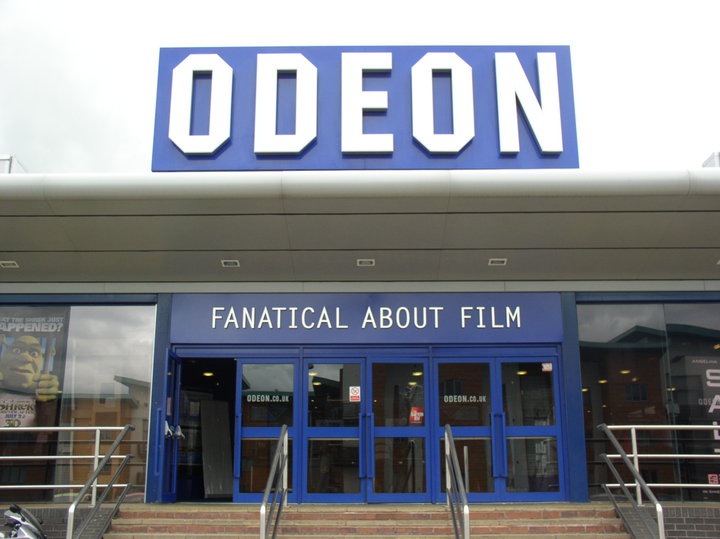 Ever been to the cinema and found it almost empty? And then wondered why you paid the full price? Perhaps you’ve taken advantage of Orange Wednesday or only go if there’s a particularly good film on? Often it might be cheaper to wait until the film is out on DVD!
Going to the cinema can be an expensive outing. The ticket, the popcorm, a drink, ice cream – it all adds up! Orange Wednesday has recently disappeared and this will definitely have an impact on consumption of movies at your local Odeon, Vue or Showcase. The impact will be on how many seats are left empty.
However, a new app could be set to generate revenues for the cinema and provide cheaper entertainment for your everyday consumer. This new app will allow cinemas to send out alerts to people in the local area advising them that a screening will have many empty seats. What’s the incentive? Perhaps a discount, or some food. But, why would they do such a thing?
If a movie is being shown at a cinema, there will be a large fixed cost. However, what happens as each additional consumer enters the theatre? Does the cost to the cinema rise? Perhaps there is a small cost with more cleaning required, but the additional cost of actually showing the film if there 11 rather than 10 people is almost (if not equal to) zero. That is, the marginal cost of an extra user is zero. Therefore, if there is a screening with many empty seats, wouldn’t the cinema be better to offer the seats for half price. After all, if you can earn £5 from selling a ticket and the additional cost is almost zero, then it’s better to sell it for £5 than not sell it for £10! The following article and video from BBC News considers this new app and other strategies to maximise cinema usage!
 Apps in pockets, bums on cinema seats BBC News, Dave Lee (27/2/15)
Questions
- What would the budget constraint look like for a cinema where a discount was offered if you purchased two cinema tickets and then received the third ticket for half price?
- Why is the marginal cost of an extra user at the cinema almost zero?
- If the MC = 0, does this mean that a cinema is a public good?
- How will this new app allow a cinema to increase total revenue and profit?
- If it is cheaper to buy a DVD rather than go to a cinema, why do people still go to the cinema?
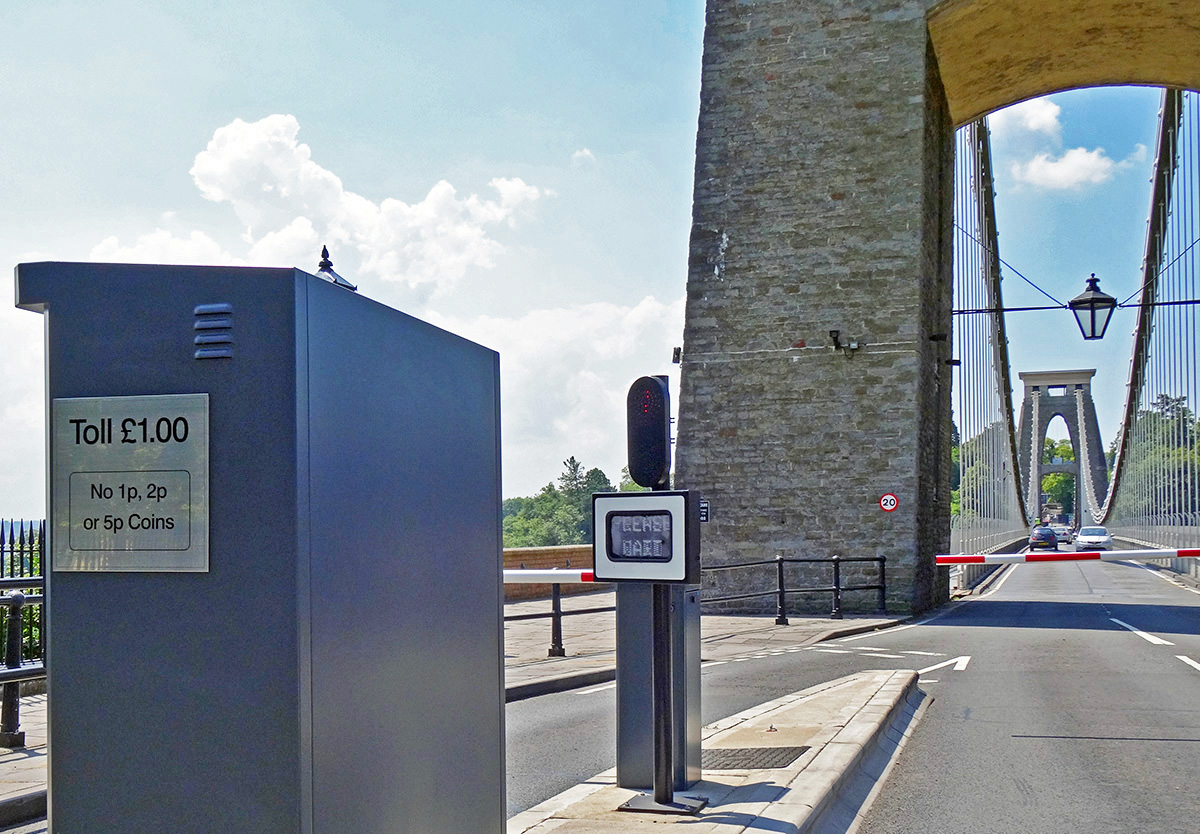
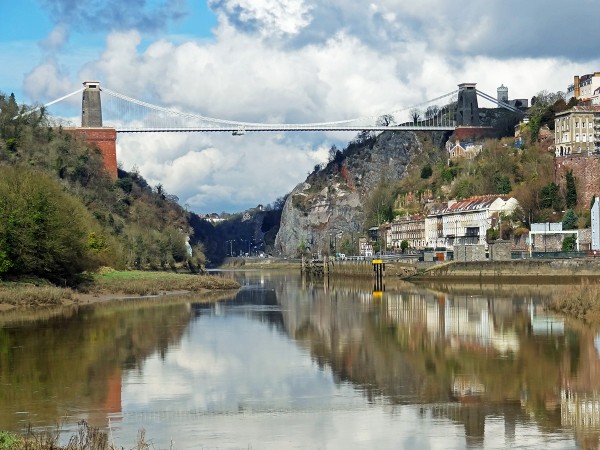 There have been two significant changes in prices for travel in Bristol. At the end of April, the toll on Brunel’s iconic Clifton Suspension Bridge doubled from 50p to £1 for a single crossing by car. The bridge over the Avon Gorge links North Somerset with the Clifton area of Bristol and is a major access route to the north west of the city. Avoiding the bridge could add around 2 miles or 8 minutes to a journey from North Somerset to Clifton.
The justification given by the Clifton Suspension Bridge Trust for the increase was that extra revenue was needed for maintenance and repair. As Trust Chairman Chris Booy said, ‘The higher toll will enable the Trust to continue its £9 million 10-year vital repair and maintenance programme which aims to secure the bridge’s long-term future as a key traffic route, one of Bristol’s major tourist destinations and the icon of the city’.
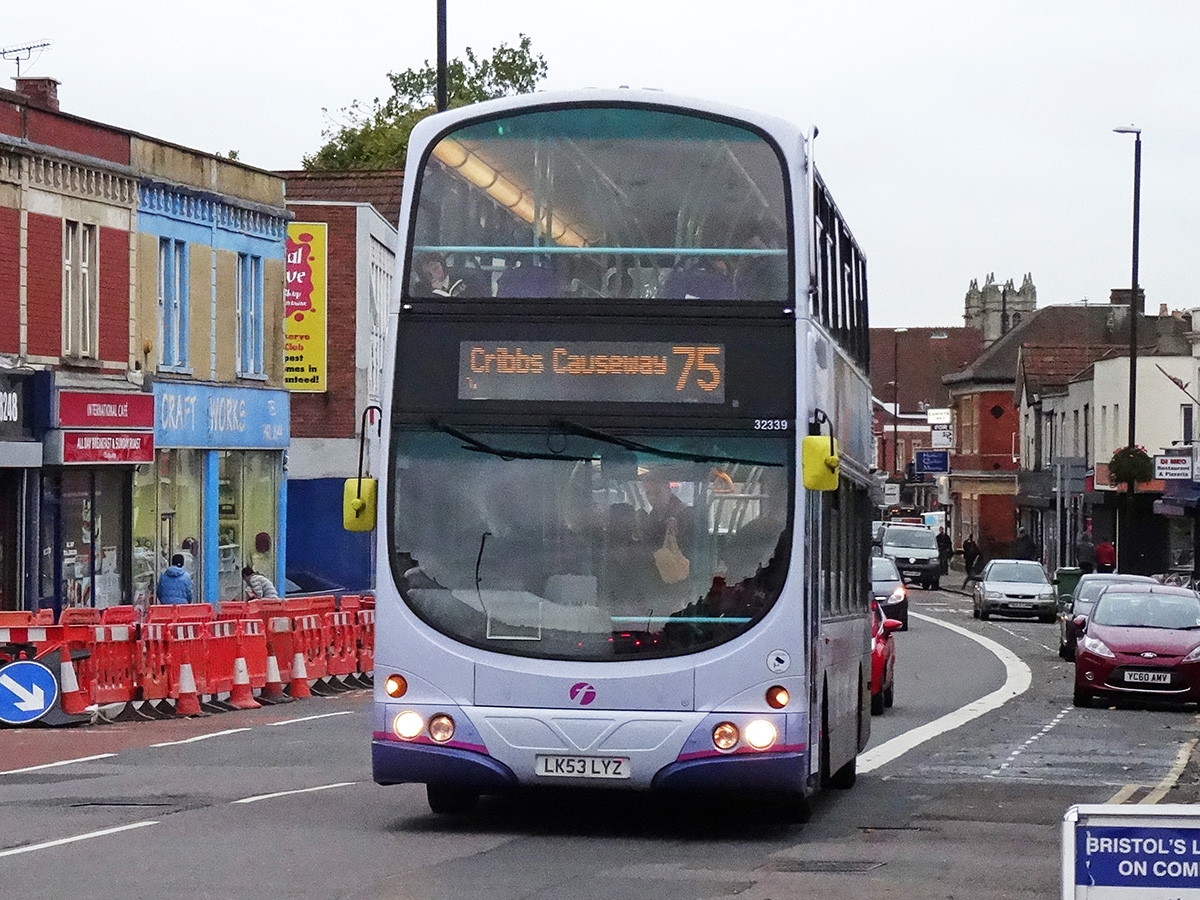
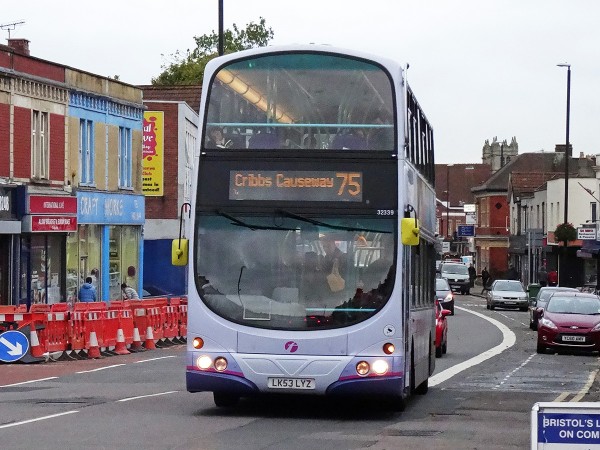 The other price change has been downwards. In November 2013, the First Group cut bus fares in Bristol and surrounding areas. Single fares for up to three miles were cut from £2.90 to £1.50; 30% discounts were introduced for those aged 16 to 21; half-price tickets were introduced for children from 5 to 15; and the two fare zones for £4 and £6 day tickets were substantially increased in size.
First hoped that the anticipated increase in passengers would lead to an increase in revenue. Evidence so far is that passenger numbers have increased, with journeys rising by some 15%. Part of this is due to other factors, such as extra bus services, new buses, free wifi and refurbished bus stops with larger shelters and seats. But the company attributes a 9% rise in passengers to the fare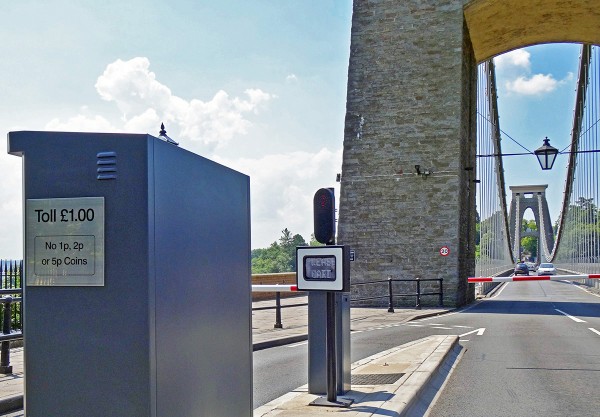 reductions. As far as revenue is concerned, indications from the company are that, after an initial fall, revenue has risen back to levels earned before the fare reduction.
What are the longer-term implications for revenue and profit of these two decisions? This depends on the price elasticity of demand and on changes in costs. Read the articles and then consider the implications by having a go at answering the questions.
Clifton Suspension Bridge toll to rise from 50p to £1 BBC News (9/4/14)
Regular Users of Clifton Suspension Bridge will be Protected from the Increase in the Bridge Toll Clifton Suspension Bridge (9/4/14)
Clifton Suspension Bridge Review Decision Letter Department of Transport (24/3/14)
Clifton Suspension Bridge Trust: bridge toll review inspector’s report Department of Transport (8/4/14)
Clifton Suspension Bridge Toll Increase – Account of the May 2013 Public Inquiry The National Alliance Against Tolls (NAAT)
First Bus Bristol fare cuts sees passenger growth BBC News (6/6/14)
First gamble over cheaper bus fares pays off as passengers increase in Bristol The Bristol Post (6/6/14)
Bristol bus fares deal to extend to South Gloucestershire and North Somerset The Bristol Post, Gavin Thompson (12/6/14)
Questions
- What assumptions is the Clifton Suspension Bridge Trust making about the price elasticity of demand for bridge crossings?
- What determines the price elasticity for bridge crossings in general? Why is this likely to differ from one bridge to another?
- How is the long-term price elasticity of demand likely to differ from the short-term elasticity for Clifton Suspension Bridge crossings and what implications will this have for revenues, costs and profit?
- How is the price elasticity of demand for the bridge likely to vary from one user to another?
- How is offering substantial price reductions for multiple-crossing cards likely to affect revenue?
- What determines the price elasticity of demand for bus travel?
- What could a local council do to encourage people to use buses?
- How is the long-term price elasticity of demand for bus travel likely to differ from the short-term elasticity?
- In the long run, is First likely to see profits increase from its fare reduction policy? Explain what will determine this likelihood.
 The world’s biggest company just told everyone to chill out