 In the models of perfect and monopolistic competition, the long-run equilibrium involves firms making zero supernormal profit. The key assumption driving this outcome is that supernormal profits in the short run attract new entrants to the market.
Increased competition then results in lower prices for consumers and firms’ profits fall. Therefore, an important question is how long does it take for this process to take place?
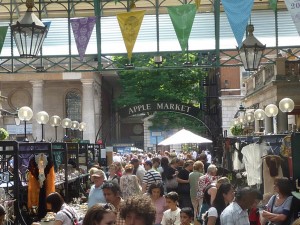
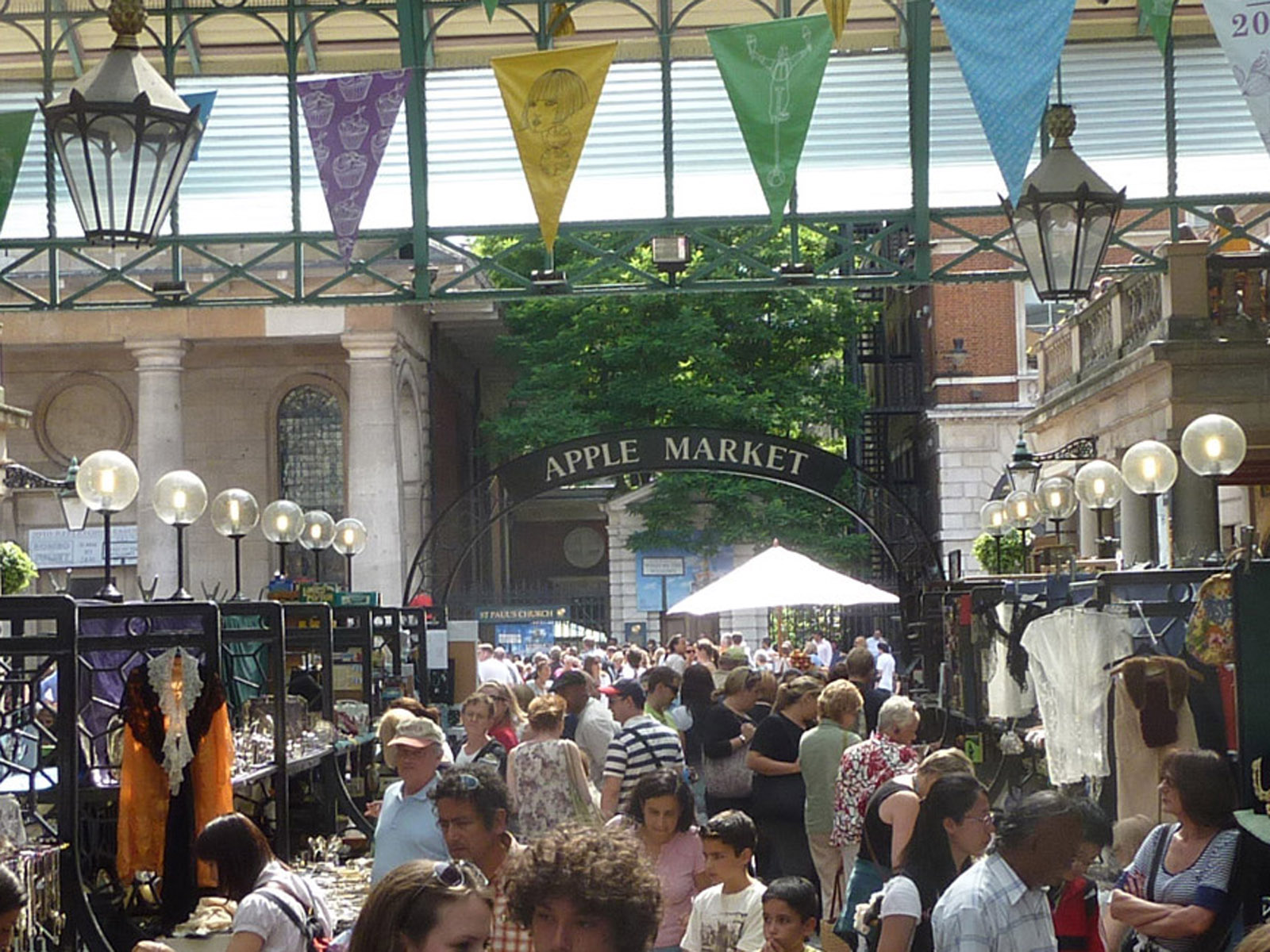
In a recent post on the Freakonomics blog, Daniel Hamermesh describes a situation in which he was actually able to observe this adjustment process taking place amongst buskers in the centre of Madrid.
This interesting example illustrates that, at least in some cases, this process can start even before entry occurs. This is because incumbents are able to make adjustments to their existing strategies, in the case of the buskers by changing their location. Consequently, profitable opportunities start to be eroded away very quickly.
Perfect competition Chillin’Competition blog, (24/10/11)
Questions
- What are the assumptions of the model of monopolistic competition?
- What is the difference between monopolistic and perfect competition?
- Does the market for buskers fit well with the assumptions of monopolistic competition?
- In this market what might be the benefits for consumers of increased competition?
- What are the key strategies incumbents might use in this market?
- How long do you think entry might take in this market?
 Cartels are formal collusive agreements between firms, typically to fix prices, restrict output or divide up markets. As in the case of monopoly, the lack of competition may harm consumers, who are likely to have to pay higher prices. This, as economic theory demonstrates, results in a reduction in overall welfare.
For this reason competition authorities throughout the world now impose substantial fines on firms found to be involved in collusive activities and participants also face the threat of substantial jail sentences.
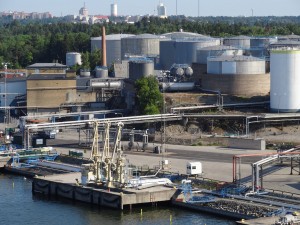
One of the most famous cartels is the Organization of Petroleum Exporting Countries (OPEC). This is an agreement between 12 countries to limit their production of oil. The OPEC cartel has been in place for over 50 years. Arguably, the intergovernmental nature of the cartel and political ramifications of intervening have meant that OPEC has been able to operate free from prosecution for so long.
However, very interestingly Freedom Watch, a US public interest group founded by a former US Department of Justice lawyer, has this week filed a lawsuit against OPEC for violation of competition laws. Quoted in the above press release, Larry Klayman, the founder of Freedom Watch, says that:
These artificially-inflated crude oil prices fall hard on the backs of Americans, many of whom cannot afford to buy gasoline during these severely depressed economic times.
Furthermore, how some of the members use the profits gained from the cartel is also called into question. He also goes on to suggest that the lack of intervention from US government agencies may be because the leaders of both political parties:
… line their pockets from big oil interests and are just sitting back and not doing anything.
This is not the first time that Freedom Watch has served a lawsuit on OPEC. In 2008, at an OPEC meeting in Florida:
In a bold move in front of members of the news media, Freedom Watch Chairman and Chief Legal Counsel Larry Klayman literally jumped out from behind a line of TV cameras and microphones on Friday, October 24, to serve a complaint on an OPEC oil minister.
That complaint was unsuccessful.
It will be fascinating to see the outcome of this latest case and, if successful, the implications for OPEC – updates to appear on this blog in due course.
Articles
Profile: Opec, club of oil producing states BBC News (01/02/12)
OPEC accused of conspiracy against consumers WND World, Bob Unruh (09/05/12)
Freedom Watch Attorney Sues OPEC Oil Minister for Economic Terrorism Conservative Crusader, Jim Kouri (31/10/08)
Lawsuits
Lawsuit brought by Freedom Watch inc. against OPEC (7/5/12)
Lawsuit brought by Freedom Watch inc. against OPEC (9/6/08)
Questions
- Why are cartels so severely punished?
- Why might it be important to punish the individuals involved as well as fine the cartel members?
- Why is fixing the price of oil particularly harmful for the economy?
- Why do you think the OPEC cartel has survived for so long?
- What do you think might be the long term implications of the lawsuit for OPEC?
 The trendy US fashion retailer Abercrombie & Fitch entered the UK in 2007 with the opening of a flagship store close to Savile Row in London. Located in the upmarket Mayfair area of London, Savile Row is famous for its traditional men’s tailors.
Recently Abercrombie & Fitch decided to go one step further by opening a childrenswear store directly on Savile Row. This move upset the local retailers and was met with protests.
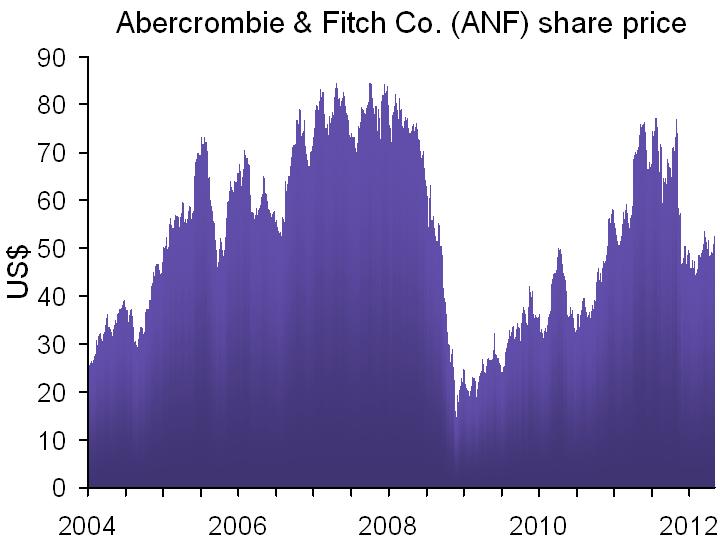
This was just the latest in a history of controversy surrounding Abercrombie & Fitch which has included a product boycott and a lawsuit concerning employment issues. Should all this bad publicity be a concern for the company?
We expect tastes to be one of the key determinants of demand. If taste for a company’s product declines, its demand curve shifts to the left. This means it can sell less at any given price and consequently will have a knock-on effect on profits. Somewhat surprisingly, therefore, the PR expert, Mark Borkowski, quoted in the Guardian article above, suggests that all this adverse publicity may have in fact helped the company because:
“…the focus is on the brand. They’ve got a very keen identity of who they are, what they want, who they want to consume their products, and they’ve stuck to it.”
It is also clear that the company is very aware of the importance of protecting its brand – even going as far as paying television actors NOT to wear their clothes! Abercrombie & Fitch has also been reluctant to cut its prices during the current recession, perhaps because of a fear of harming its brand.
Abercrombie & Fitch with its ‘crappy clothes’ threatens staid Savile Row Observer, Euan Ferguson (11/03/12)
Savile Row cannot live in the past Guardian, Charlie Porter (24/04/12)
Sorry chaps, Abercrombie & Fitch simply doesn’t fit Savile Row Guardian, Gustav Temple (24/04/12)
Savile unrest … the tailors who want to stop Abercrombie & Fitch London Evening Standard, Josh Sims (27/04/12)
Questions
- What are the distinctive features of the Abercrombie & Fitch brand?
- What are the key features of competition in this industry?
- Why might Abercrombie & Fitch be keen to open up a store on Savile Row?
- Why might the local tailors object to Abercrombie & Fitch opening a store nearby?
- Why do you think negative publicity appears to have little effect on Abercrombie & Fitch?
- Why do you think television coverage could harm the Abercrombie & Fitch brand?
 In the models of perfect and monopolistic competition, the long-run equilibrium involves firms making zero supernormal profit. The key assumption driving this outcome is that supernormal profits in the short run attract new entrants to the market.