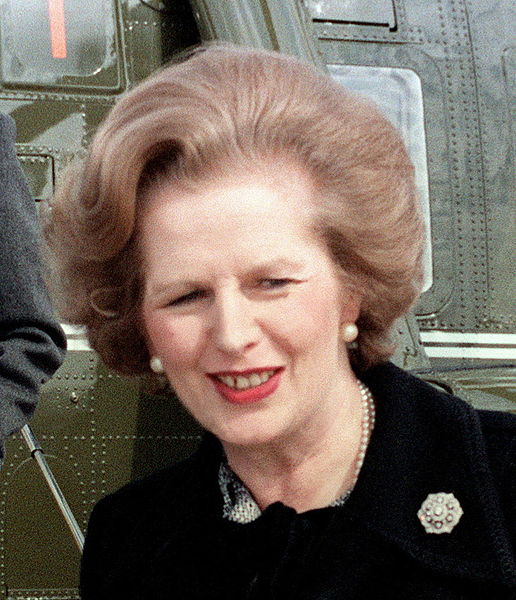
 Much has been written on Margaret Thatcher following her death at the age of 87 on April 8. But getting a calm assessment of both her time in office and her legacy is not easy. And it’s clear why: she created both stronger loyalty and stronger opposition than any other UK Prime Minister.
As economists, however, we should try to be as dispassionate as possible in assessing the effects of policies. There is always a normative question of the relative desirability of different economic outcomes – and you will have your own views on the relative importance of objectives such as economic growth, greater equality and greater social cohesion – but to determine cause and effect, or at least correlation, requires a careful examination of the evidence. Also, drawing lessons for future policy requires a careful modelling of the economy and the effects of changing economic variables.
The following articles have been selected from the hundreds that have appeared in the press in the past few days. Whilst they cannot be claimed to be totally ‘objective’, taken together they give a good overview of her economic policies and her economic legacy.
You may well have been surprised by the amount of coverage of her death and at the fervour of her supporters and critics. But this bears witness to the huge effect she had on both the political scene and on the UK economy – for good or bad.
Articles
Margaret Thatcher’s timeline: From Grantham to the House of Lords, via Arthur Scargill and the Falklands War Independent (8/4/13)
Overhauls Are Still Felt, Debated Decades Later Wall Street Journal, Charles Forelle (9/4/13)
Margaret Thatcher’s Four Ages of Monetary Policy EconoMonitor, David Smith (10/4/13)
How Mrs Thatcher smashed the Keynesian consensus The Economist (9/4/13)
Margaret Thatcher: The economy now and then BBC News, Stephanie Flanders (10/4/13)
Did Margaret Thatcher transform Britain’s economy for better or worse? The Guardian, Larry Elliott (8/4/13)
A look back at Margaret Thatcher’s economic record Washington Post, Dylan Matthews (8/4/13)
Margaret Thatcher’s legacy for business and economics—the world weighs in Quartz, Gwynn Guilford (8/4/13)
Data
Economic Data freely available online The Economics Network, see especially sites 1, 2, 3, 6 and 9
Questions
- Summarise the macroeconomic policies followed by the Thatcher government from 1979 to 1990.
- Chart economic growth, unemployment and inflation over Margaret Thatcher’s time in office. How does the performance of each of these indicators compare with the period from 1990 to 2007 and from 2008 to the present day?
- What is meant by ‘monetarism’? Did the Thatcher government follow pure monetarist policies?
- What is meant by the ‘Big Bang’ as applied to the financial sector in 1986? Assess the long-term consequences of the Big Bang.
- What elements of ‘Thatcherism’ were retained by the Labour government from 1997 to 2010?
- To what extent can the current Coalition government be described as ‘Thatcherite’?
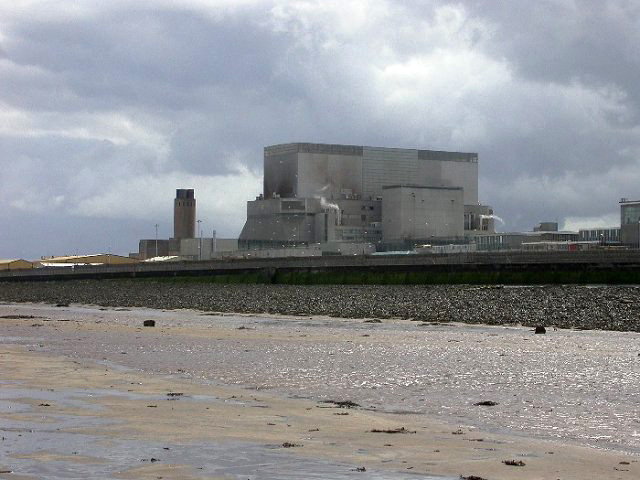 The UK government has just given the go-ahead for the building of two new nuclear reactors at Hinkley Point in Somerset. The contract to build and run the power station will go to EDF, the French energy company.
The power station is estimated to cost some £14 billion to build. It would produce around 7% of the UK’s electricity. Currently the 16 nuclear reactors in the UK produce around 19%. But all except for Sizewell B in Suffolk are due to close by 2023, although the lives of some could be extended. There is thus a considerable energy gap to fill in the coming years.
Several new nuclear power stations were being considered to help fill this gap, but with rising capital costs, especially following the Fukushima disaster in Japan, potential investors pulled out of other negotiations. Hinkley Point is the only proposal left. It’s not surprising that the government wants it to go ahead.
All that remains to agree is the price that EDF can charge for the electricity generated from the power station. This price, known as the ‘strike price’, is a government-guaranteed price over the long term. EDF is seeking a 40-year deal. Some low carbon power stations, such as nuclear and offshore wind and wave power stations, have high capital costs. The idea of the strike price is to reduce the risks of the investment and make it easier for energy companies to estimate the likely return on capital.
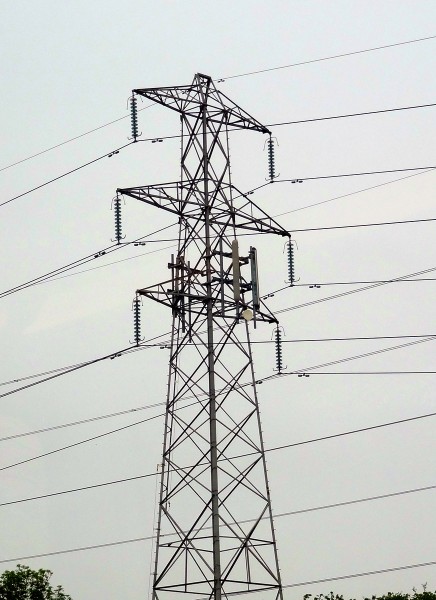 But the strike price, which will probably be agreed at around £95 per megawatt hour (MWh), is roughly double the current wholesale price of electricity. EDF want a price of around £100 per MWh, which is estimated to give a return on capital of around 10%. The government was hoping to agree on a price nearer to £80 per MWh. Either way, this will require a huge future subsidy on the electricity generated from the plant.
There are several questions being asked about the deal. Is the strike price worth paying? Are all the costs and benefits properly accounted for, including environmental costs and benefits and safety issues? Being an extremely long-term project, are uncertainties over costs, performance of the plant, future market prices for electricity and the costs of alternative forms of power generation sufficiently accounted for? Will the strike price contravene EU competition law? Is the timescale for construction realistic and what would be the consequences of delays? The articles consider these questions and raise a number of issues in planning very long-term capital projects.
Articles
Hinkley Point: Britain’s second nuclear age given green light as planning permission is approved for first of new generation atomic power stations Independent, Michael McCarthy (19/3/13)
Will they or won’t they? New nuclear hangs in the balance ITV News, Laura Kuenssberg (19/3/13)
Hinkley Point C: deal or no deal for UK nuclear? The Telegraph, Alistair Osborne (19/3/13)
New nuclear power plant at Hinkley Point C is approved BBC News (20/3/13)
Britain’s Plans for New Nuclear Plant Approach a Decisive Point, 4 Years Late New York Times, Stanley Reed and Stephen Castle (15/3/13)
Nuclear power plans threatened by European commission investigation The Guardian (14/3/13)
New Hinkley Point nuclear power plant approved by UK government Wired, Ian Steadman (19/3/13)
Renewable energy providers to help bear cost of new UK nuclear reactors The Guardian, Damian Carrington (27/3/13)
Europe backs Hinkley nuclear plant BBC News (8/10/14)
Information/Reports/Journal Articles
Environmental permitting of Hinkley Point C Environment Agency
NNB Generation Company Limited, Radioactive Substances Regulations, Environmental Permit Application for Hinkley Point C: Chapter 7, Demonstration of Environmental Optimisation EDF
Greenhouse Gas Emission of European Pressurized Reactor (EPR) Nuclear Power Plant Technology: A Life Cycle Approach Journal of Sustainable Energy & Environment 2, J. Kunakemakorn, P. Wongsuchoto, P. Pavasant, N. Laosiripojana (2011)
Questions
- Compare the relative benefits of a construction subsidy and a subsidised high strike price from the perspectives of (a) the government (b) EDF.
- What positive and negative externalities are involved in nuclear power generation?
- What difficulties are there in valuing these externalities?
- What is meant by catastrophic risk? Why is this difficult to take account of in any cost–benefit analysis?
- What is meant by a project’s return on capital? Explain how discounted cash flow techniques are used to estimate this return.
- What should be taken into account in deciding the rate of discount to use?
- How should the extra jobs during construction of the plant and then in the running of the plant be valued when making the decisions about whether to go ahead?
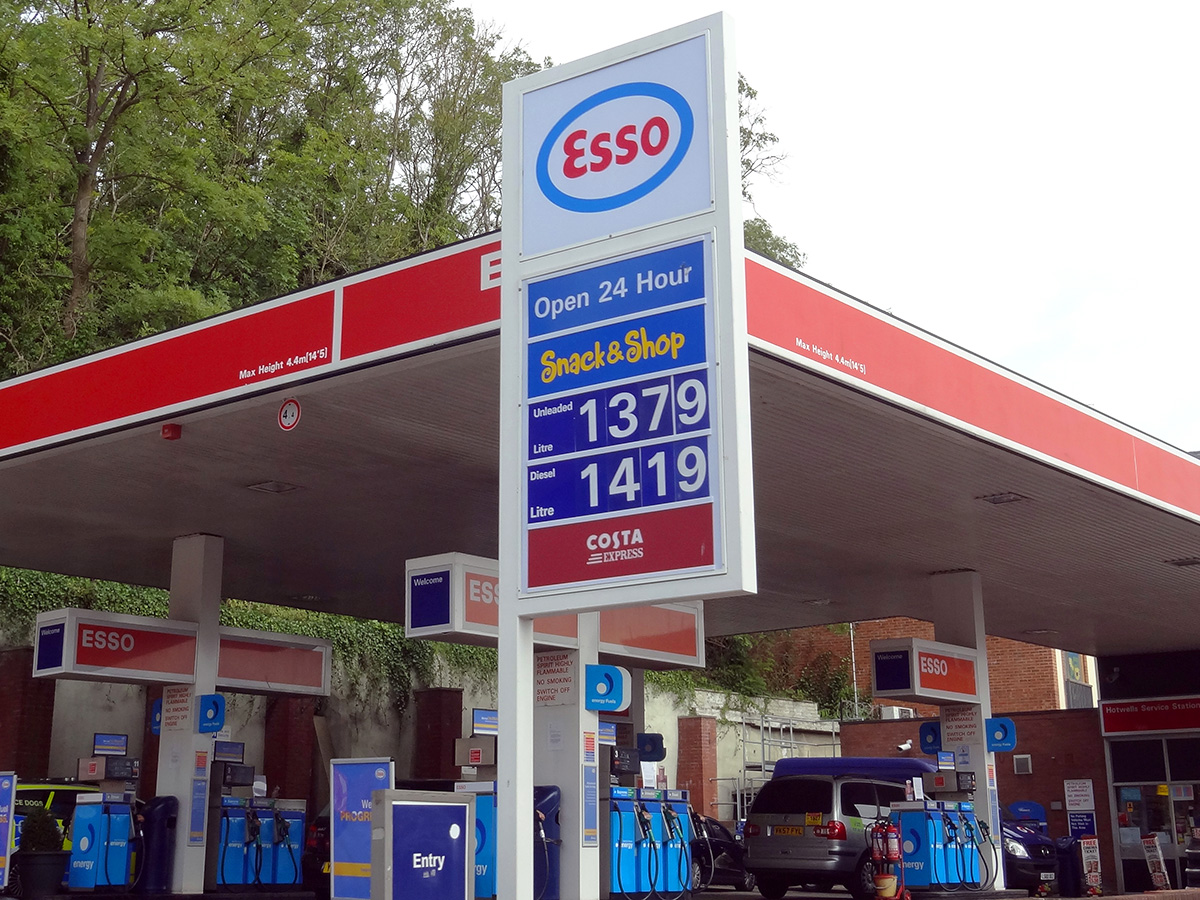
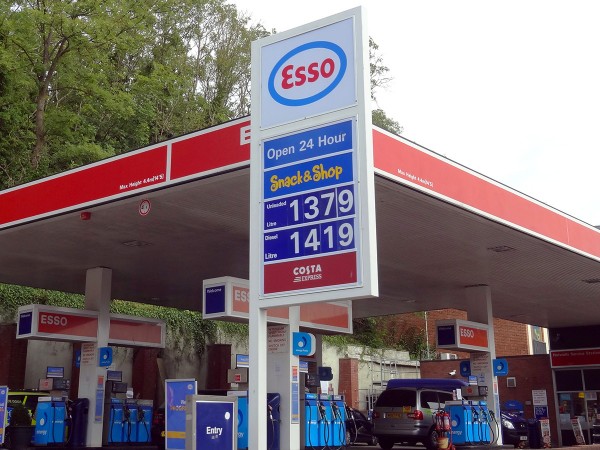 From early January to late February 2013, the average pump price of petrol in the UK rose by over 6p per litre – a rise of 4.7% in just seven weeks. There have also been substantial rises in the price of diesel.
The higher prices reflect a rise in the dollar wholesale price of oil and a depreciation in the pound. From 2 January to 21 February the pound fell from $1.63 to $1.53 – a depreciation of 6.1% (see). Crude oil prices (in dollars) rose by just under 7% over this period. With oil imports priced in dollars, a weaker pound pushes up the price of oil in the UK. The price has then been pushed up even higher by speculation, fuelled by the belief that prices have further to rise.
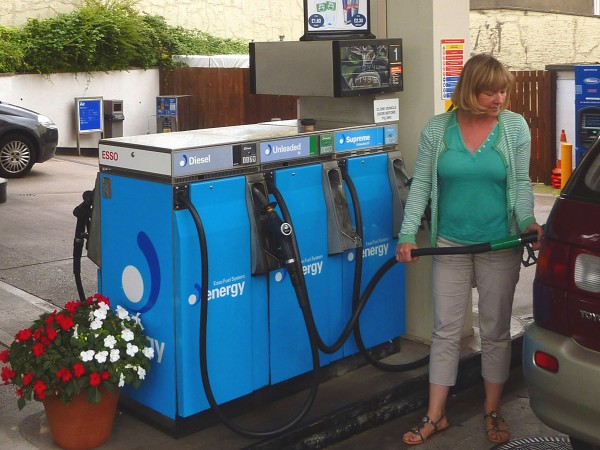
 The higher price of road fuel, plus the general squeeze on living standards from the recession, with prices rising faster than wages, has caused a reduction in the consumption of road fuel. Petrol sales have fallen to their lowest level for 23 years. Sales in January 2013 were 99m litres down on the previous month’s sales of 1564m litres (a fall of 6.3%).
Not surprisingly motorists’ groups have called for a reduction in fuel taxes to ease the burden on motorists. They also argue that this will help to drive recovery in the economy by leaving people with more money in their pockets.
Equally not surprisingly, those concerned about the environment have welcomed the reduction in traffic, as have some motorists who like the quieter roads, allowing journey times to be cut, with resulting reductions in fuel consumption per mile.
The following videos and articles discuss the causes of the most recent fuel price rises and also examine the responsiveness of demand to these higher prices and to the reductions in real incomes.
Webcasts
 Rising petrol prices are ‘forcing drivers off the road’ BBC News, Richard Westcott (22/2/13)
Fuel prices ‘forcing drivers off road’ – AA BBC News (22/2/13)
Fuel Prices Head For Highest Level Ever Sky News (22/2/13)
Commodities Next Week: Fuel Prices Hit Fresh 2013 Highs CNBC (22/2/13)
Ministers to blame for high fuel prices, says competition watchdog The Telegraph, Peter Dominiczak (30/1/13)
Articles
Petrol price surge adds 6.24p to a litre in a month The Guardian (22/2/13)
Petrol prices set for record highs as speculators and weak pound drive up pump costs again This is Money (22/2/13)
How are motorists saving fuel? NNC Magazine, Tom Geoghegan (9/3/11)
AA Report
Fuel Price Report (February 2013)
Data
Weekly road fuel prices Department of Energy and Climate Change
Energy consumption in the UK Department of Energy and Climate Change
Oil and oil products: section 3, Energy Trends Department of Energy and Climate Change
Europe Brent Spot Price FOB (Dollars per Barrel) US Energy Information Administration
Crude Oil (petroleum), Price index Monthly Price – Index Number Index Mundi
Questions
- Is it possible to calculate the price elasticity of demand for petrol from the data given? Try making the calculation.
- How important is the ceteris paribus (other things being equal) assumption when calculating the price elasticity of demand for petrol?
- Why is the long-run price elasticity of demand for road fuel likely to different from the short-run price elasticity?
- If wholesale oil prices go up by x%, will prices at the pumps go up by approximately x% or by more or less then x%? Similarly, if the pound depreciates by y% would you expect prices at the pumps go up by approximately y% or by more or less then y%? Explain.
- How has speculation affected fuel prices? Is this effect likely to persist? Explain.
- Under what circumstances would a reduction in road fuel taxes help to drive the recovery? Are such circumstances likely?
- Which groups in society suffer most from higher fuel prices? Is this reflected in their price elasticity of demand and if so why?
- Is a rise in fuel prices above inflation likely to increase or decrease inequality in living standards? Explain.
- Should externalities from fuel consumption and production be taken into account when setting the duty on petrol and diesel and, if so, what would be the implication for prices?
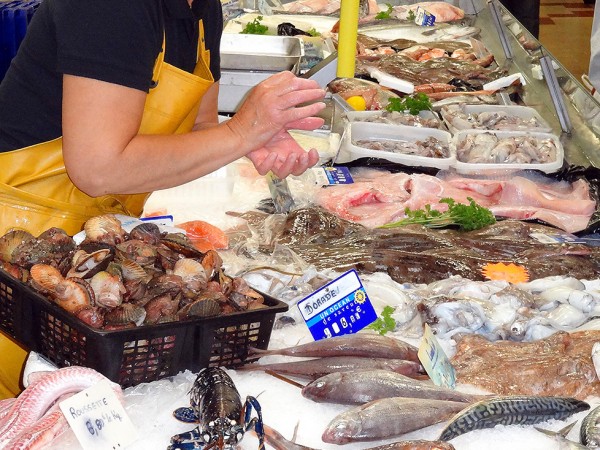 It’s a relatively common dish to see on a menu at a restaurant: mackerel. This particular fish has been promoted as a healthy and sustainable dish, but now its sustainability is coming into question and the Marine Conservation Society has taken it off its ‘fish to eat’ list. My brother Hugh is a marine biologist and often comments on which fish we should be avoiding due to sustainability issues (especially given how much I like fish!) So, how is this an economics issue?
There a couple of key things to pick out here. Firstly, with the conservationists’ warning of this issue of unsustainability, they have been asking consumers to reduce the amount of mackerel they buy. This will naturally have an impact on fisherman. If consumers do listen to the conservationists and hence reduce their demand for mackerel, we could see a fall in the price of this fish and a reduction in the fishermen’s turnover. It could be that we see a switch in consumption to other more sustainable fish, especially if we see some form of intervention.
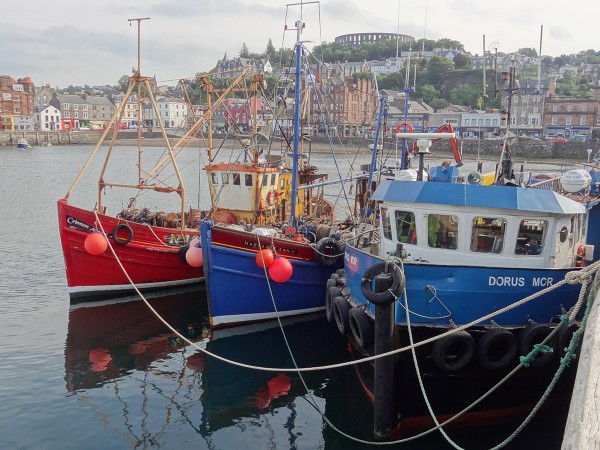 Another area concerning economics is the idea of over-fishing. For years, there have been disputes over who has the rights to these fish stocks. In the past, the Faroe Isles and Iceland have increased their quotas significantly, as mackerel appear to have migrated to their shores, contributing to this question of sustainability. Iceland and the Faroe Isles have ‘unilaterally agreed their quotas … as they are not governed by the common fisheries policy’.
The question is: when fisherman catch one additional mackerel, what are they considering? Do they think about the private benefit to them (or their company) or do they consider the external cost imposed on others? Whenever one fish is taken from the sea, there is one less fish available for other fishermen.
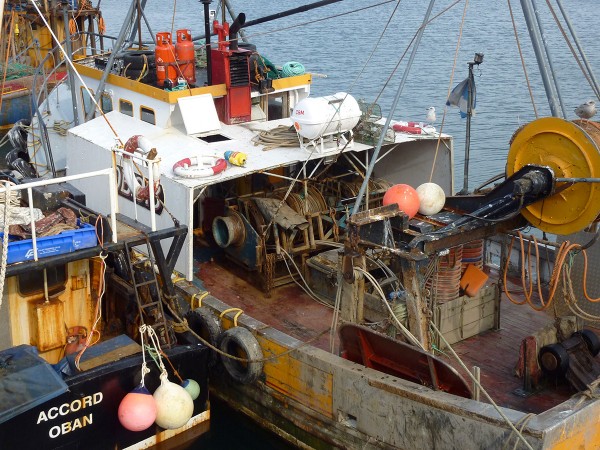 This leads to over-consumption of fish and contributes towards the well-documented depletion of fish stocks and ‘The Tragedy of the Commons’, if account is not taken of the external cost imposed on other fishermen.
The total catch is now far in excess of what has been scientifically recommended and previously agreed upon by all participating countries. Negotiations to introduce new catch allowances have so far failed to reach agreement.
There are hopes that an international policy on quotas can be agreed to ensure mackerel levels return to or remain at a sustainable level. However, at present no progress has been made. Until some form of an agreement is reached, fishermen around Iceland and the Faroe Isles will continue to battle against the conservationists. The following articles consider this fishy topic.
Mackerel taken off conservationists’ ‘fish-to-eat’ list The Guardian, Rebecca Smithers (22/1/13)
Warning over mackerel stocks Scottish Herald (22/1/13)
Fishing quota talks begin amid ongoing disputes and finger-pointing The Scotsman, Fran Urquhart (14/1/13)
Mackerel no longer an ethical choice because of over-fishing The Telegraph, Louise Gray (22/1/13)
Ths fishy tale of macro-mismanagement The Guardian, Annalisa Barbieri (22/1/13)
You can still eat mackerel – just make sure it’s British The Telegraph, Louise Gray (22/1/13)
Dispute means mackerel is no longer fish of the day BBC News, Matt McGrath (22/1/13)
Mackerel struck off sustainable fish list Associated Press (22/1/13)
Questions
- Why are quotas set by the EU for fishing? Who do they apply to?
- Why is there an externality from fishing?
- What is the Tragedy of the Commons? Using a diagram with average and marginal revenue product and average and marginal cost illustrate the market equilibrium and the social optimum. Why are they different?
- Following on from question 3, what does this suggest about the role of governments?
- If the conservationists’ request regarding buying less mackerel is successful, what impact might this have on fishermen and fisheries?
- If consumers do switch to buying other fish, what would happen to the equilibrium in the mackerel market and in the market for other fish? Think about this question in terms of general equilibrium analysis.
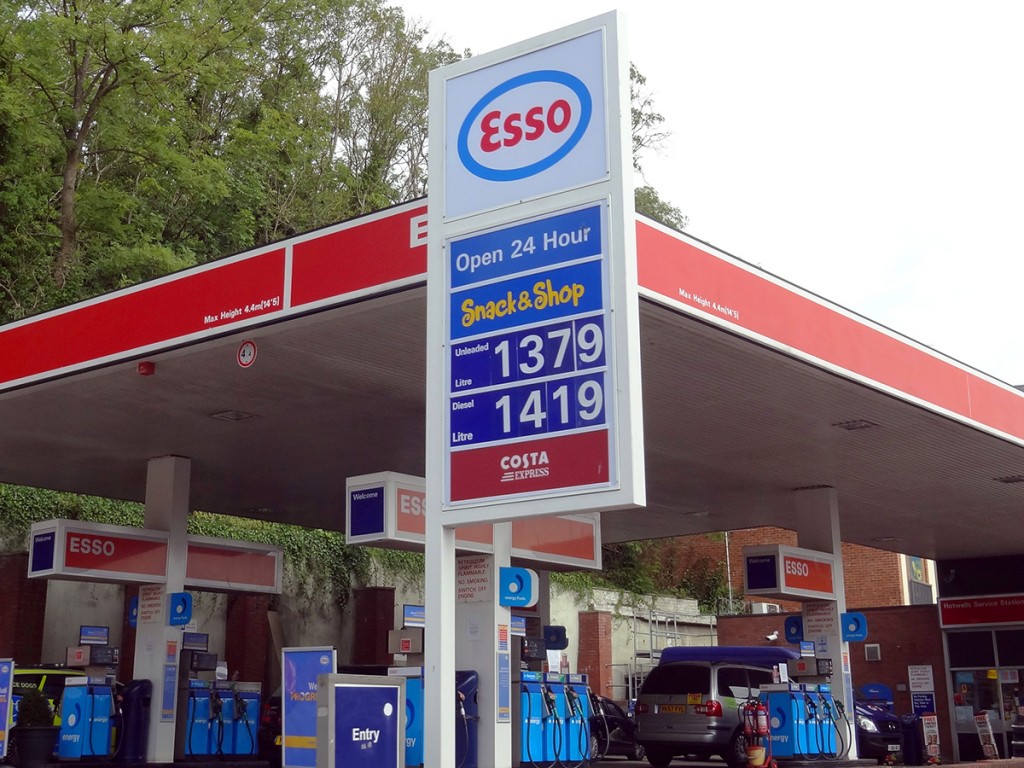 As resources become scarce, the price mechanism works to push up the price (see, for example, Box 9.11 in Economics 8th ed). If you look at the price of petrol over the past few decades, there has been a general upward trend – part of this is due to growth in demand, but part is due to oil being a scarce resource. Many millions have been spent on trying to find alternative fuels and perhaps things are now looking up!
Air Fuel Synthesis, a small British company, has allegedly managed to make ‘petrol from air’. Following this, the company has unsurprisingly received finance and investment offers from across the world. However, the entrepreneur Professor Marmont has said that he does not want any company from the oil industry to get a stake in this firm. This doesn’t mean that investment is not needed or on the cards, as in order to increase production of petrol from thin air financing is needed. Professors Marmont said:
We’ve had calls offering us money from all over the world. We’ve never had that before. We’ve made the first petrol with our demonstration plant but the next stage is to build a bigger plant capable of producing 1 tonne of petrol a day, which means we need between £5m and £6m
Whilst the process appears to be a reality, Air Fuel Synthesis is a long way from being able to produce en masse. However, it does offer an exciting prospect for the future of petrol and renewable energy resources in the UK. At the moment oil companies appear to be uninterested, but if this breakthrough receives the financing it needs and progress continues to be made, it will be interesting to see how the big oil companies respond. The following articles consider this break-through.
Company that made ‘petrol from air’ breakthrough would refuse investment from big oil Independent, Steve Connor (19/10/12)
British engineers create petrol from air and water Reuters, Alice Baghdijan (19/10/12)
Petrol from air: will it make a difference? BBC News, Jason Palmer (19/10/12)
British engineers produce amazing ‘petrol from air’ technology The Telegraph , Andrew Hough (18/10/12)
Questions
- Explain the way in which the price mechanism works as resources become scarce. Use a diagram to help your explanation.
- As raw materials become scarce, prices of the goods that use them to work or require them to be produced will be affected. Explain this interdependence between markets.
- Why is investment from an oil company such a concern for Professor Marmont?
- Why is there unlikely to be any impact in the short run from this new breakthrough?
- If such a technology could be put into practice, what effect might this have on the price of petrol?
- How might oil companies react to the growth in this technology?