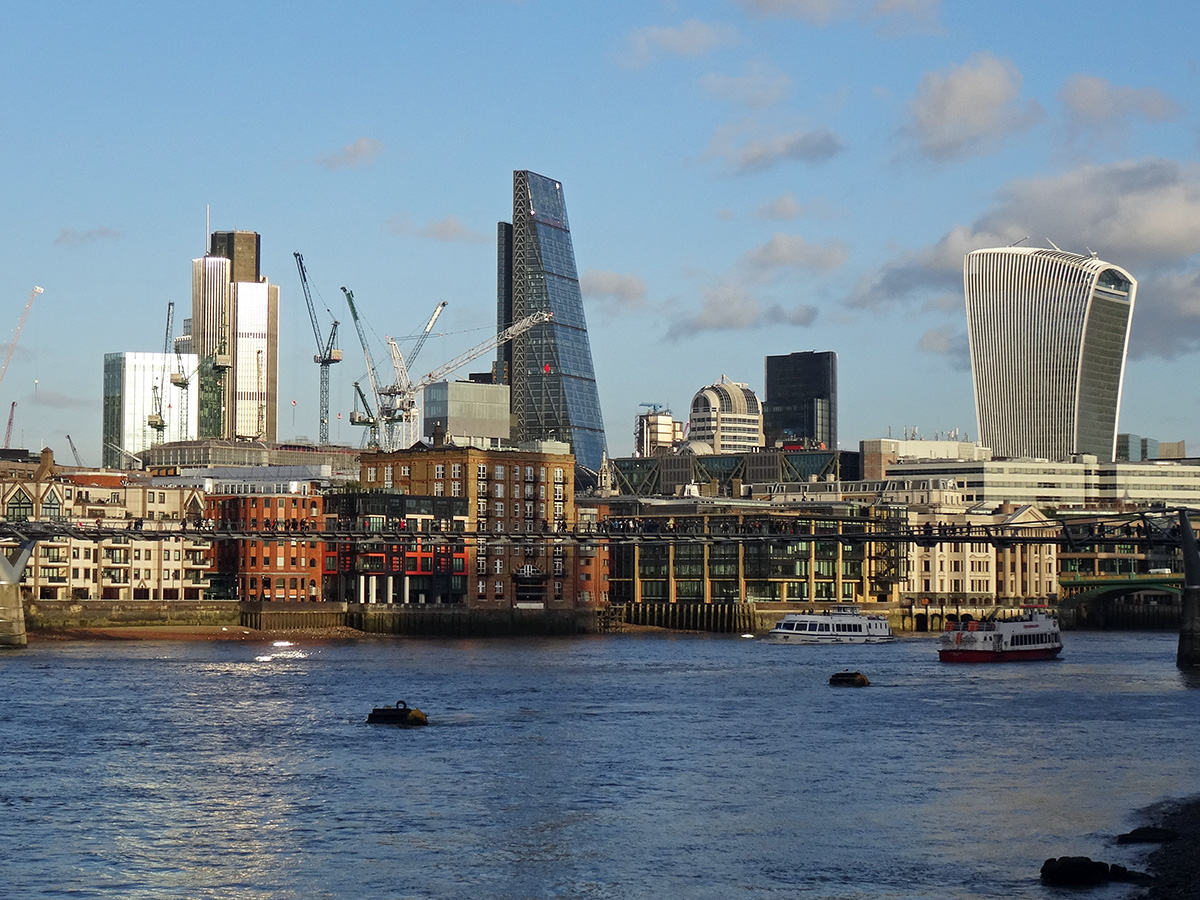
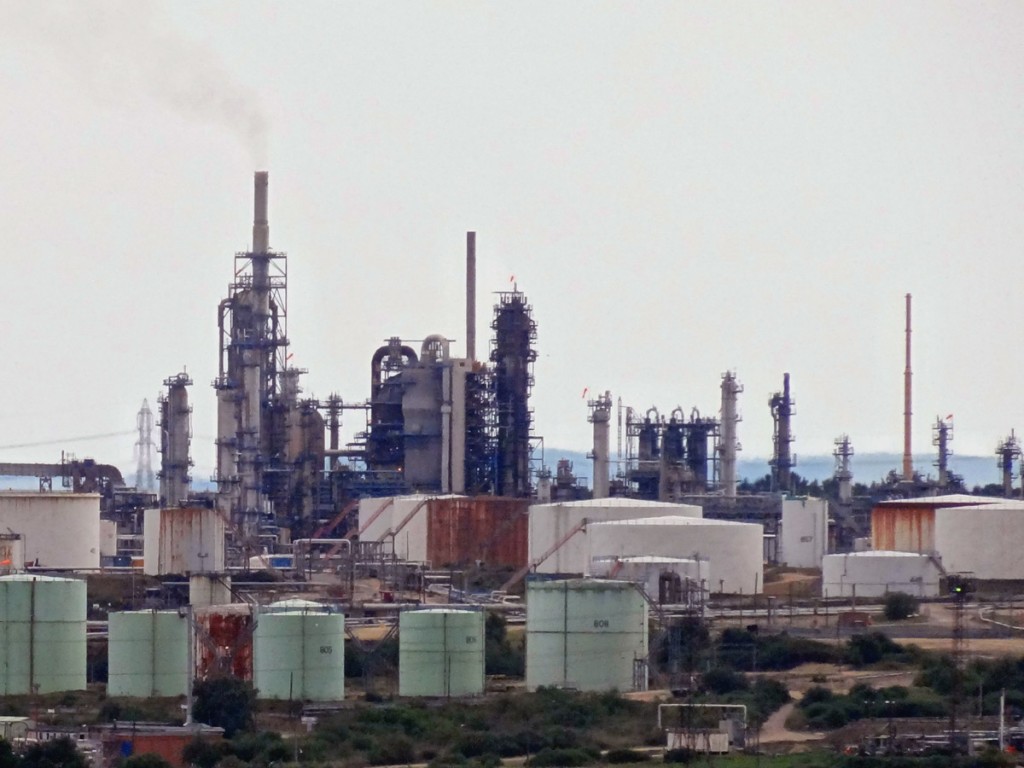
 Oil prices are determined by demand and supply. Changes in oil prices are the result of shifts in demand and/or supply, with the size of the price change depending on the size of the shift and the price elasticity of demand and supply.
Some of the shifts are long term, with the price of oil varying from year to year or even moving in a particular direction for longer periods of time. Thus the opening up of new supplies, such as from fracking wells, can lead to a long-term fall in oil prices, while agreements by, say, OPEC to curb output can lead to a long-term rise in prices (see the blogs The oil see-saw, OPEC deal pushes up oil prices and An oil glut).
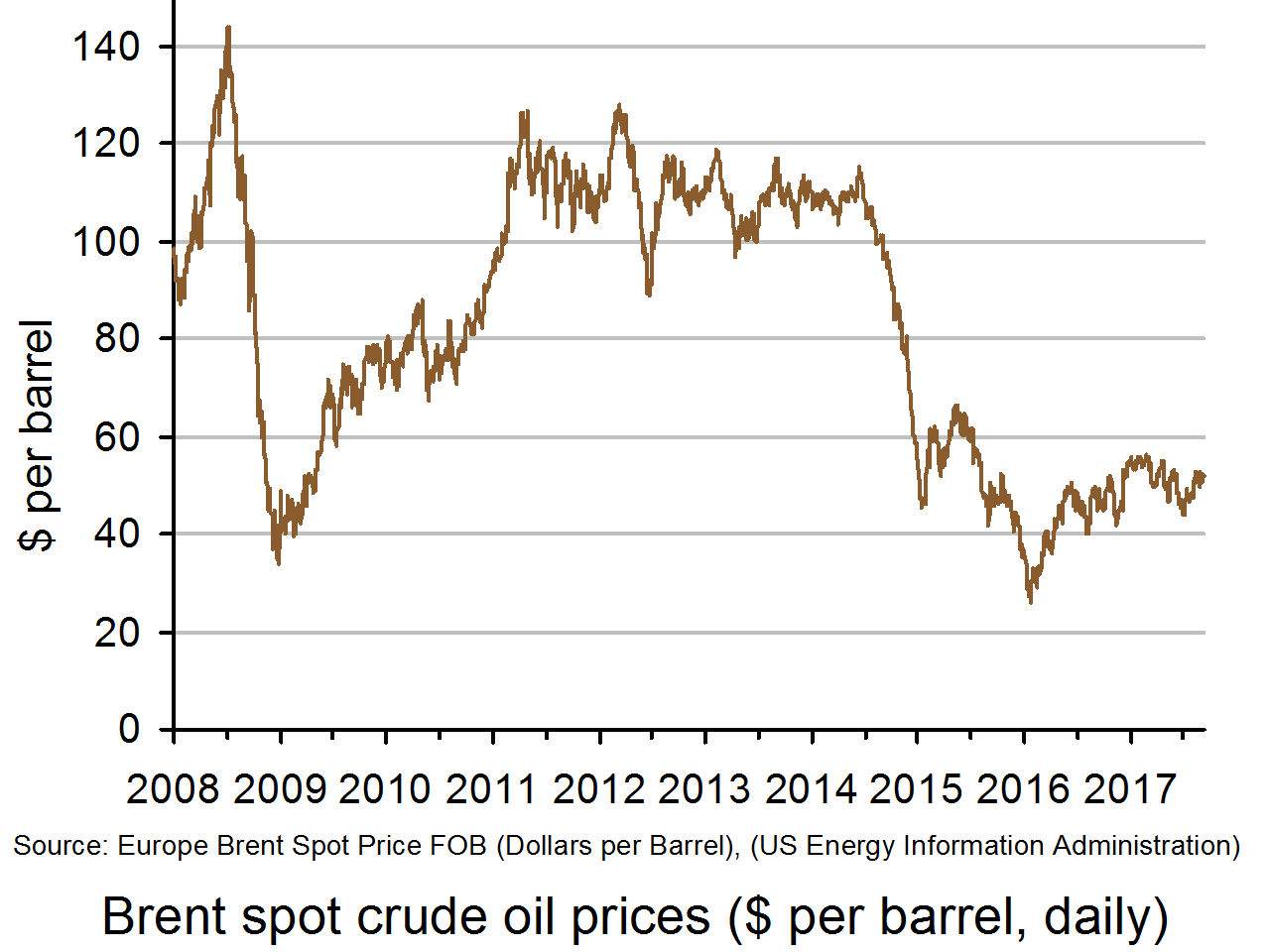
Medium and long-term price movements can also reflect medium and long-term changes in demand, such as a recession – oil prices fell dramatically as the world economy slid into recession in 2008/9 and then recovered as the global economy recovered.
Another long-term factor is the development of substitutes, such as renewable energy, which can reduce the demand for oil; another is developments that economise on power, such as more fuel-efficient vehicles and machines.
But oil prices do not just reflect these long-term movements in demand and supply. They also reflect daily and weekly movements as demand and supply respond to global and national events.
Two such events occurred at the end of August/beginning of September this year. The first was Hurricane Harvey. Even though it was downgraded to a tropical storm as it made landfall across the coast of the Gulf of Mexico, it dumped massive amounts of rain on southern Texas and Louisiana. This disrupted oil drilling and refining, shutting down a quarter of the entire US refining capacity. 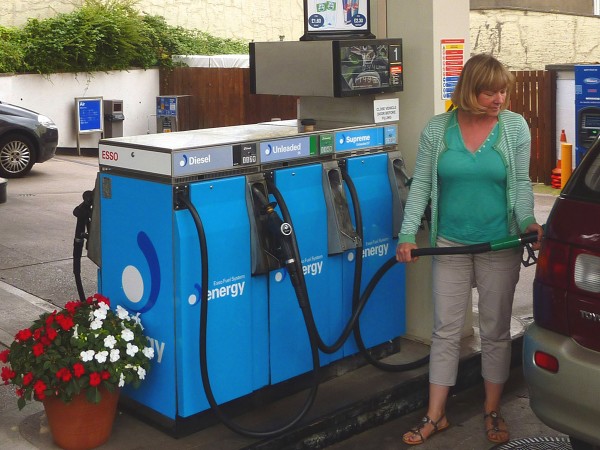 The initial effect was a surge in US oil prices in late August as oil production in much of Texas shut down and a rise in petrol prices as supplies from refineries fell.
Then prices fell back again in early September as production and refining resumed and as it became apparent that there had been less damage to oil infrastructure than initially feared. Also the USA tapped into some of its strategic oil reserves to make up for the shortfall in supply.
Then in early September, the North Koreans tested a hydrogen bomb – much larger than the previous atom bombs it had tested. This prompted fears of US retaliation and heightened tensions in the region. As the Reuters article states:
That put downward pressure on crude as traders moved money out of oil – seen as high-risk markets – into gold futures, traditionally viewed as a safe haven for investors. Spot gold prices rose for a third day, gaining 0.9 per cent on Monday
Quite large daily movements in oil prices are not uncommon as traders respond to such events. A major determinant of short-term demand is expectations, and nervousness about events can put substantial downward pressure on oil prices if it is felt that there could be a downward effect on the global economy – or substantial upward pressure if it is felt that supplies might be disrupted. Often markets over-correct, with prices moving back again as the situation becomes clearer and as nervousness subsides.
Articles
U.S. crude edges higher, gasoline tumbles after Harvey Reuters, Libby George (4/9/17)
Global oil prices fall after North Korea nuclear weapon test Independent, Henning Gloystein (4/9/17)
Brent crude oil falls after North Korea nuclear test The Indian Express (4/9/17)
Oil prices remain volatile AzerNews, Sara Israfilbayova (4/7/17)
Questions
- What are the determinants of the price elasticity of demand for oil?
- Search news articles to find some other examples of short-term movements in oil prices as markets responded to some political or natural event.
- Why do markets often over-correct?
- Explain the long-term oil price movements over the past 10 years.
- Why is gold seen as a ‘safe haven’?
- If refineries buy oil from oil producers, what would determine the net effect on oil prices of a decline in oil production and a decline in demand for oil by the refineries?
- What role does speculation play in determining oil prices? Explain how such speculation could (a) reduce price volatility; (b) increase price volatility. Under what circumstances is (b) more likely than (a)?
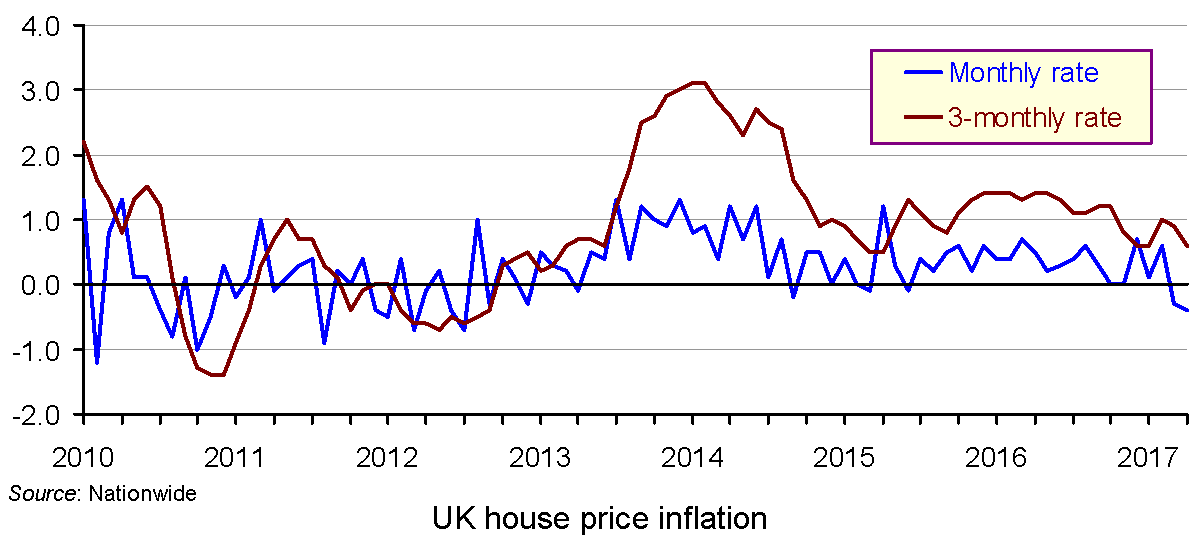
 According to the Halifax house price index, house prices fell in the UK in the three months to April. This is the first quarterly fall since 2012. The Nationwide index (see below), shows that prices in April were 0.4% lower than in March (although the 3-month rate was still slightly positive).
The fall in house prices reflects a cooling in demand. This, in turn, reflects a squeeze on household incomes as price rises begin to overtake wage rises. It also reflects buyers becoming more cautious given the uncertainty over the nature of the Brexit deal and its effects on the economy and people’s incomes.
The fall in demand is also driven by recent Bank of England rules which require mortgage lenders to limit the proportion of mortgages with a mortgage/income ratio of 4.5 or above to no more than 15% of their new mortgages. It is also affected by a rise in stamp duty, especially on buy-to-let properties.
Despite the fall in prices, this may understate the fall in demand relative to supply. House price movements often lag behind changes in demand and supply as people are reluctant to adjust to equilibrium prices. In the case of a falling market, sellers may be unwilling to sell at the lower equilibrium price, believing that a lower price ‘undervalues’ their property. Indeed, they may not even put their houses on the market. This makes prices ‘sticky’ downwards. The result is a fall in sales.
Eventually, such people will reluctantly be prepared to accept a lower price and prices will thus fall more. Once people come to expect price falls, supply may increase further as vendors seek to sell before the price falls even more. So we could well see further falls over the coming months.
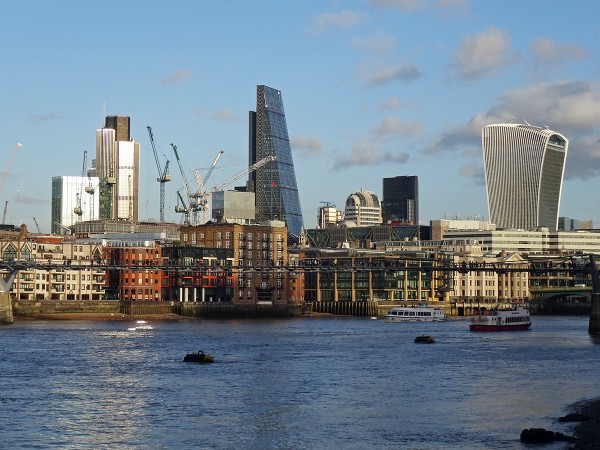 Lower house prices and falling sales is a picture repeated in many parts of the UK. It is particularly marked in central London. There, estate agents have begun to offer free gifts to purchasers. As The Guardian puts it:
London estate agents have begun to offer free cars worth £18,000, stamp duty subsidies of £150,000, plus free iPads and Sonos sound systems to kickstart sales in the capital’s increasingly moribund property market. The once super-hot central London market has turned into a ‘burnt-out core’ according to buying agents Garrington Property Finders, prompting developers to offer ever greater incentives to lure buyers.
… Land Registry figures show that in the heart of the city’s financial district, average property prices plummeted from £861,000 at the time of the EU referendum to £773,000 in February, a decline of 15%, although in London’s outer boroughs prices are still up over the year.
But lower property prices are good news for first-time buyers, although some of the biggest falls have been in the top end of the market.
The fall in property prices may continue for a few months. But population is rising, and with it the number of people who would like to buy their own home. Once real incomes begin to rise again, therefore, demand is likely to resume rising faster than supply. When it does, house prices will continue their upward trend.
Articles
UK house prices in first quarterly fall since 2012 BBC News (8/5/17)
UK house prices fall again in April as buyers feel the pinch The Guardian, Angela Monaghan (28/4/17)
Buy a home, get a car free: offers galore as London estate agents struggle to sell The Guardian, Patrick Collinson (3/5/17)
London is now one of the five cities with the lowest house price growth in the UK City A.M., Helen Cahill (28/4/17)
London Housing Market Property Bubble Vulnerable To Crash The Market Oracle, Jan Skoyles (3/5/17)
A key indicator of a healthy housing market is flashing red in London Business Insider, Thomas Colson (29/5/17)
House Price Data
UK House Prices – links to various sites Economic Data freely available online – Economics Network
Questions
- Why are UK house prices falling?
- What determines the rate at which they are falling? How is the price elasticity of demand and/or supply relevant here?
- How does speculation help to explain changes in house prices? How may speculation help to (a) stabilise and (b) destabilise house prices?
- Draw a demand and supply diagram to show how house transactions will be lower if the market is not in equailibrium.
- Why are house prices falling faster in central London than elsewhere in the UK?
- Why are rents falling in central London? How does this relate to the fall in central London property prices?
- How has the Help to Buy scheme affected house prices? Has it affected both demand and supply and, if so, why and how?
- How do changes in residential property transaction volumes relate to changes in property prices?
- What market imperfections exist in the housing market?
 The BBC has recently published the results of its third report on average ticket prices for football for the top ten divisions in the UK. These include all four professional leagues in England (The Premier League, The Championship, League 1 and League 2), the top division in English non-league football (Conference Premier), the 4 professional leagues in Scotland (The Scottish Premier, The Scottish Championship, Scottish League One, Scottish League Two) and the top league in women’s football (Women’s Super League). Most of the headlines have focused on evidence of falling ticket prices in the 4 professional leagues in England.
The BBC study focuses on four different categories of ticket.
– The most expensive adult season tickets
– The cheapest adult season tickets
– The most expensive adult match-day tickets
– The cheapest adult match-day tickets
The average price in each category is simply calculated as the price charged by each club in that category divided by the number of clubs. For example, the most expensive season ticket offered by Arsenal last year was £1955, whereas at Swansea it was £499. The average price was lower in all four categories for the three leagues in the English Football League (The Championship, League 1, League 2). For example, the price of the cheapest adult season tickets fell by 8.4% in the Championship, 1.6% in League 1 and 7.6% in League 2. Prices were also lower in three out of the four categories in the English Premier League (EPL). The only exception was the price of the cheapest adult season tickets which actually increased by 4.3%.
The overall trend in falling prices is in marked contrast to the previous year’s report that had found evidence of rising prices. For example the 2012 survey found that the average price of the cheapest adult match-day ticket increased by 11% on average across the EPL and EFL.
One factor that may be driving the apparent fall in prices in the English Football League is the falling attendances at games. Average attendance in 2012-13 was down 5% on the previous year – the second consecutive fall. It was 9% lower than in 2009-10 season. In complete contrast, attendance at EPL games were slightly up on the previous year and there were also record season ticket sales.
The increase in the average price of the cheapest adult season tickets in the EPL has received criticism from supporters groups. For example, The Football Supporters’ Federation called for far larger cuts in ticket prices, which they argued could have been funded by the big increase in the revenue from the latest TV deal. BskyB and BT paid a combined total of £3.018bn for the rights to show live games from the 2013-14 season to the 2015-16 season. This was an increase of £1.773bn on the previous deal. Malcolm Clarke, chair of the Football Supporters’ Federation, said
The Premier League has had an eye-watering increase in its media income. For example, they could knock £50 off the price of every single ticket of every single game for every single spectator in the Premier League this season and still have the same amount of money as they previously had.
Some have argued that it may also be in the commercial interests of the clubs to reduce prices. Professor Simon Chadwick from Coventry University commented that:
Lower prices and more fans can mean an increase in overall revenue, and there is also the secondary spend to consider: club merchandise, food and drink and so on.
However, care must be taken when interpreting this data because the report does not state how many fans actually pay the most expensive or cheapest price in each of the four categories. For example, the report found that Arsenal charged the highest price of £126 in the most expensive match-day ticket category. The club responded to this finding by stating that less than 100 people would actually pay this price at any given game!
Burton Albion was also reported as having the highest match-day ticket price of £30 for both League 1 and League 2. Once again the club responded by stating that only one or two of these tickets would be sold and car-parking, food and a programme were included in the price. Perhaps it would be more accurate to title the report “The average ticket price of the most expensive and cheapest seats for a football match”.
Some weighting system, such as that used to calculate the retail price index, would need to be used in order to obtain a more accurate picture of what is happening to average prices. It is possible that the price of tickets covered in the BBC report could be falling whilst the average price of all tickets could still be rising.
Articles
BBC Price of Football 2013: Average ticket prices fall BBC News (12/9/13)
Price of Football: The Premier League – then everybody else BBC News Matt Slater (12/9/13)
Price of Football: The Premier see some rises in cost BBC News Andy Cryer (12/9/13)
Price of Football: The Premier see some rises in cost BBC News (13/5/12)
Average ticket prices fall reveals Price of Football survey but Premier League continues to live in a world of its own The Independent (12/9/13)
Ben Robinson questions accuracy of BBC “Price of Football” survey BurtonMail David Broome (12/9/13)
Survey finds average prices of football match tickets have fallen The Independent (12/9/13)
Arsenal top BBC’s Price of Football table The Football Supporters Federation (12/9/13)
Questions
- Consider a number of factors that might determine the price of tickets for a particular football match.
- Draw a demand and supply diagram to illustrate what has happened in the market for tickets for matches in both the EPL and the EFL over the last couple of years.
- What non-price factors might have lead to the fall in demand for tickets for games in the English Football League?
- What does the evidence suggest about the income elasticity of demand for tickets at English Premier League games?
- In the article Professor Chadwick is quoted as saying that “Lower prices and more fans can mean an increase in overall revenue”. Using the concept of price elasticity of demand explain how this could be the case.
- Using a simple numerical example explain why the average price of tickets may be rising even though the price of tickets in the 4 categories in the BBC study are falling.
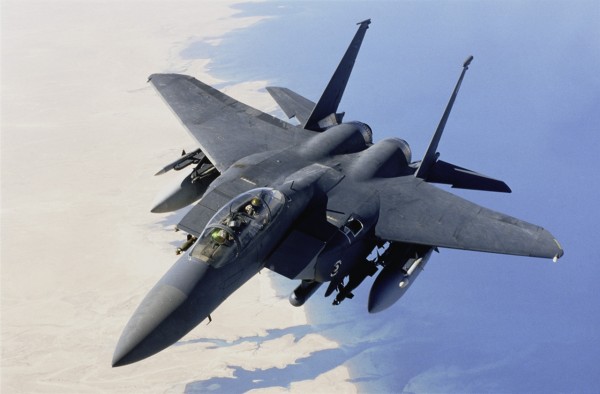 Every summer a number of air shows take place in the UK, such as those at Farnborough, Cosford and the Royal International Air Tattoo. Some of these events prove to be extremely popular and successful. For example, over 50,000 people attended the event at Cosford on Sunday 9th June to watch a five-and-a-half-hour flying display, including the Red Arrows, a Vulcan bomber and a RAF Battle of Britain Memorial Flight, which featured Spitfire, Hurricane and Lancaster aircrafts.
The event was so popular that some people who had paid £25 for a ticket failed to make it to the show ground because they were stuck in a 9 mile traffic jam! The popularity of these events does raise an interesting economic question. Why do so many people pay to attend when it is possible to watch much of the air show from outside the showground? If people can enjoy the benefits of watching an event whether or not they have paid then we might expect the majority of them not to pay.
Air shows seem to have some of the characteristics of a public good: i.e. to some extent the consumption benefits are both non-rival and non-excludable. By non-rival it is meant that one person’s use or consumption of the good does not decrease the quantity available for somebody else to use or consume. If one person watches the Red Arrows fly by, it does not decrease the ability of others to watch them. Contrast this with a product that has the characteristic of being ‘rival’ such as a hamburger. If someone eats a hamburger, it reduces the amount that is available for others to enjoy. The good is ‘used up’ during consumption. Other people cannot eat the same hamburger!!! Many sporting and music events share this characteristic of non-rivalry. For example if somebody is watching a band playing live at Glastonbury it does not stop somebody else from enjoying the benefits of watching the band. The performance of the band is not ‘used up’ like the hamburger when a person watches the show.
The major difference between Glastonbury and an air show is that the event organisers at Glastonbury can prevent people who have not paid for a ticket from enjoying the show. The event is excludable, as fans have to enter the show arena in order to see the bands. However, as one contributor to an internet discussion site commented:
Air show organisers are at a particular disadvantage compared to other show organisers because the key elements of their show can be seen for miles.
Another contributor added that:
Unfortunately being an air show by its very nature it’s very public – the planes are in the air for everyone to see for free for miles around.
In other words, air shows have the characteristic of being non-excludable, as people can benefit regardless of whether they have paid or not.
These public good properties seem to be causing problems for an air show in Welshpool that appears to have an issue with a number of non-payers watching the event. The organisers recently stated that:
We can’t stop people watching from the hillsides, but perhaps we can make them understand that they need to come to the show and pay.
The previous year the organisers had sent people out with buckets to collect voluntary donations from those sitting on the hillside. However they found that:
People were not for giving much at all and it was noticeable how much copper was in the buckets we’d used and there were hardly any notes.
One solution being proposed in order to generate more revenue is to increase the entry fee, which is currently £5, in order to compensate for those who are not paying.
Articles
Bob Jones Memorial Air Show urges people to buy tick BBC News (9/6/13)
How to make an airshow pay PistonHeads, (9/6/13)
Free or should you pay Talk Photography, (9/6/13)
An organisers view Airshow, (9/6/13)
Cosford Air Show pledge over traffic chaos Shropshire Star, (10/6/13)
RAF Cosford Air Show – Home RAF Cosford Air Show, (12/6/13).
Questions
- What practical problems does a show such as Glastonbury face in trying to make the event excludable?
- In the blog it explains how one person watching a band live does not have a negative impact on the pleasure other people will derive from watching the same band: i.e. it is non-rival. Is this always true? Can you think of any circumstances when watching a live band might become a rival good?
- What term do economists use for goods that are non-rival but are excludable? Think of at least three examples.
- What ideas might the organisers of an air show adopt to encourage people to pay and enter the show ground area?
- Can you think of any strategies that might be used to increase the number and size of the voluntary donations made by those who watch the airshow for free from a hill-side?
- What are the organisers assuming about the price elasticity of demand for the air show at its current price if they claim that increasing prices will lead to an increase in revenue?
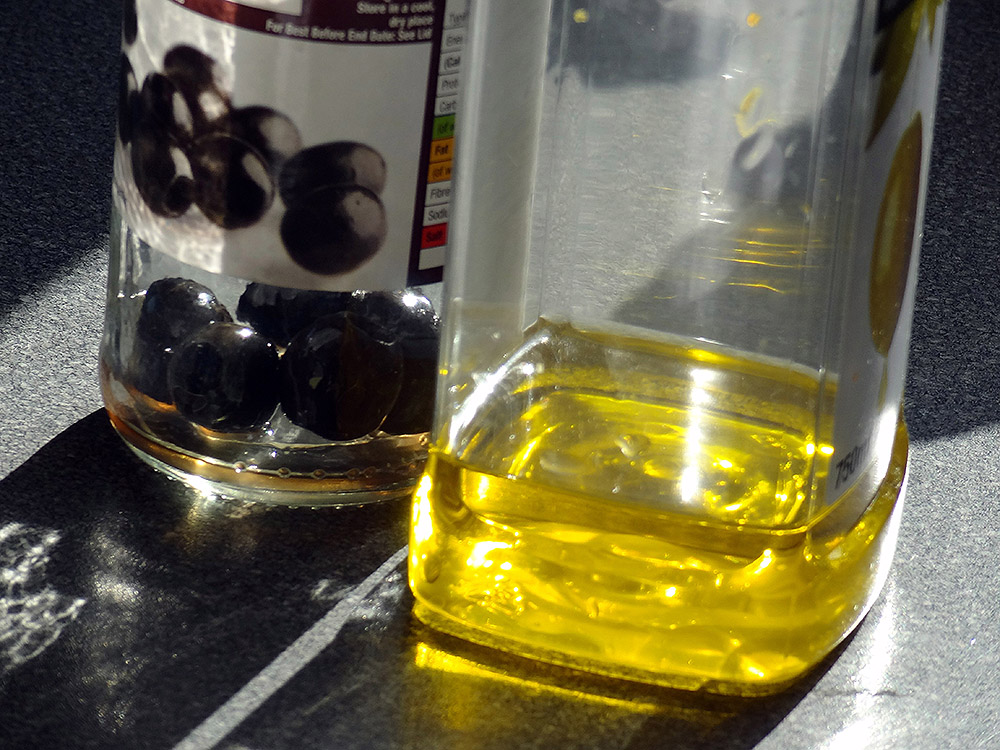 A bumper olive crop in Spain would seem to be good news for Spanish olive growers. But the effect has been a fall in the prices of olives and olive oil. With 43% of the global supply, Spain is the world’s largest olive oil producer and changes in Spanish output have a big effect on the world price.
Premium extra virgin olive oil has fallen to its lowest level (even in nominal terms) since 2002. Today the price is around $2900 (£1850) a tonne in the wholesale market; in May 2006 it peaked at nearly $5854 – double today’s price.
And while this is bad news for Spanish farmers, for farmers in countries without bumper harvests, the low prices are even harder to bear.
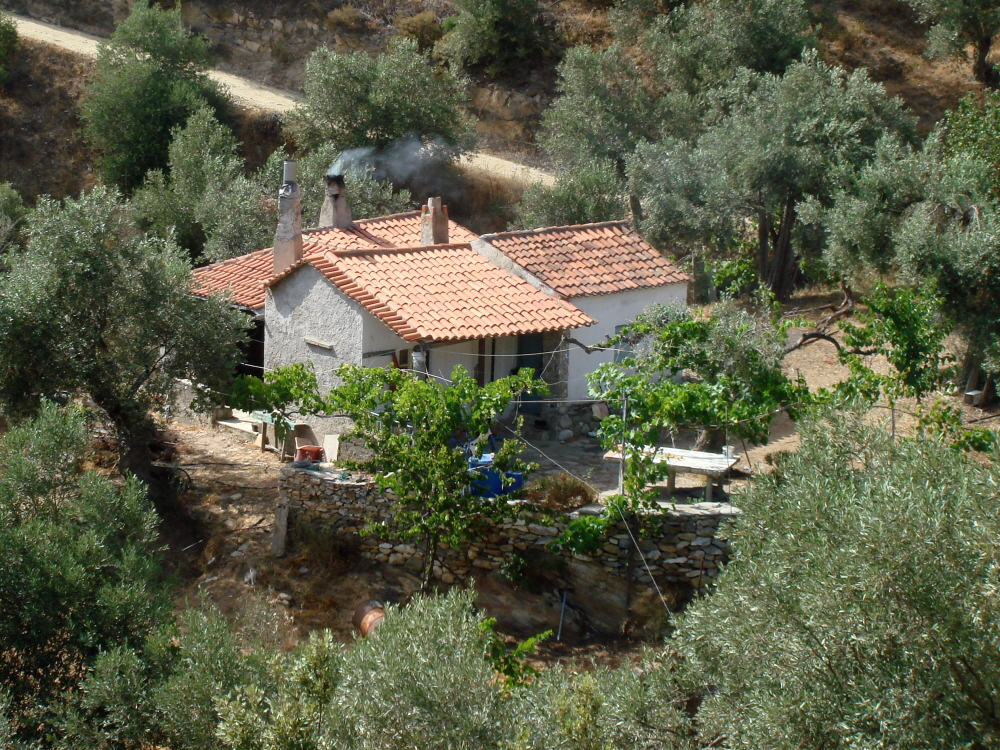
The problem is being exacerbated by a fall in demand in many countries currently suffering recession, such as Greece, Portugal and Italy – all big olive oil consumers. Although olive oil prices have fallen, it is still more expensive than various substitutes. Many people are thus buying these cheaper alternatives, such as sunflower oil, especially for cooking.
What is more, cheaper substitutes for olive oil are increasing in supply. Take the case of rape seed oil in the UK. As the Mail Online article, linked to below, reports:
“UK rape planting is thought to have hit an all-time high this year as British farmers take advantage of the high prices being demanded for rapeseed – base ingredient of many vegetable oils and other edible oils.
Much of the UK crop is used by the local food industry, although some analysts are predicting strong UK yields will give farmers the opportunity to export more to Europe. Because of rising export demand, oil users in the UK claim there is little to indicate the price they are paying for rapeseed oil will drop substantially in the near future.”
The market for olive oil is global. Crop yields in one part of the world, both of olives and of substitute crops, affect global prices and hence growers’ incomes worldwide.
Webcast
 Debt hit countries suffer from olive oil price dip Euronews (28/5/12)
News articles
Olive oil price slides as glut hits southern Europe Gulf News, Javier Blas (29/5/12)
Farmers feel squeeze as olive oil price slips The National, Gregor Stuart Hunter (29/5/12)
Olive oil surplus adds to economic pain in Spain The Week (29/5/12)
Olive oil price fall brings further pain for Spain, Italy and Greece The Telegraph (28/5/12)
Pass notes No 3183: Olive oil Guardian (28/5/12)
More Storage Aid for Virgin Olive Oil Olive Oil Times, Julie Butler (17/5/12)
Yellow Britain from the air: Rapeseed’s relentless march across the country pictured in vivid colour as farmers cash in after price of crop’s oil soars Mail Online, Sean Poulter (29/5/12)
Data
Commodity Prices Index Mundi
Olive Oil, extra virgin Monthly Price – US Dollars per Metric Ton Index Mundi
Questions
- Identify the factors that have contributed to the fall in the price of olive oil. Illustrate the effects on a demand and supply diagram.
- Explain what is meant by the fallacy of composition and how it relates to a price taker, such as a farmer.
- How do the price elasticities of demand and supply of olive oil help to explain the magnitude of the price fall?
- What developments in other vegetable oils are affecting the olive oil market? What determines the magnitude of these effects?
- What actions have been taken by the EU to support the olive oil market? Is this the most appropriate policy response?
- Why are Middle Eastern olive producers unable to compete on cost with the major EU producing countries?
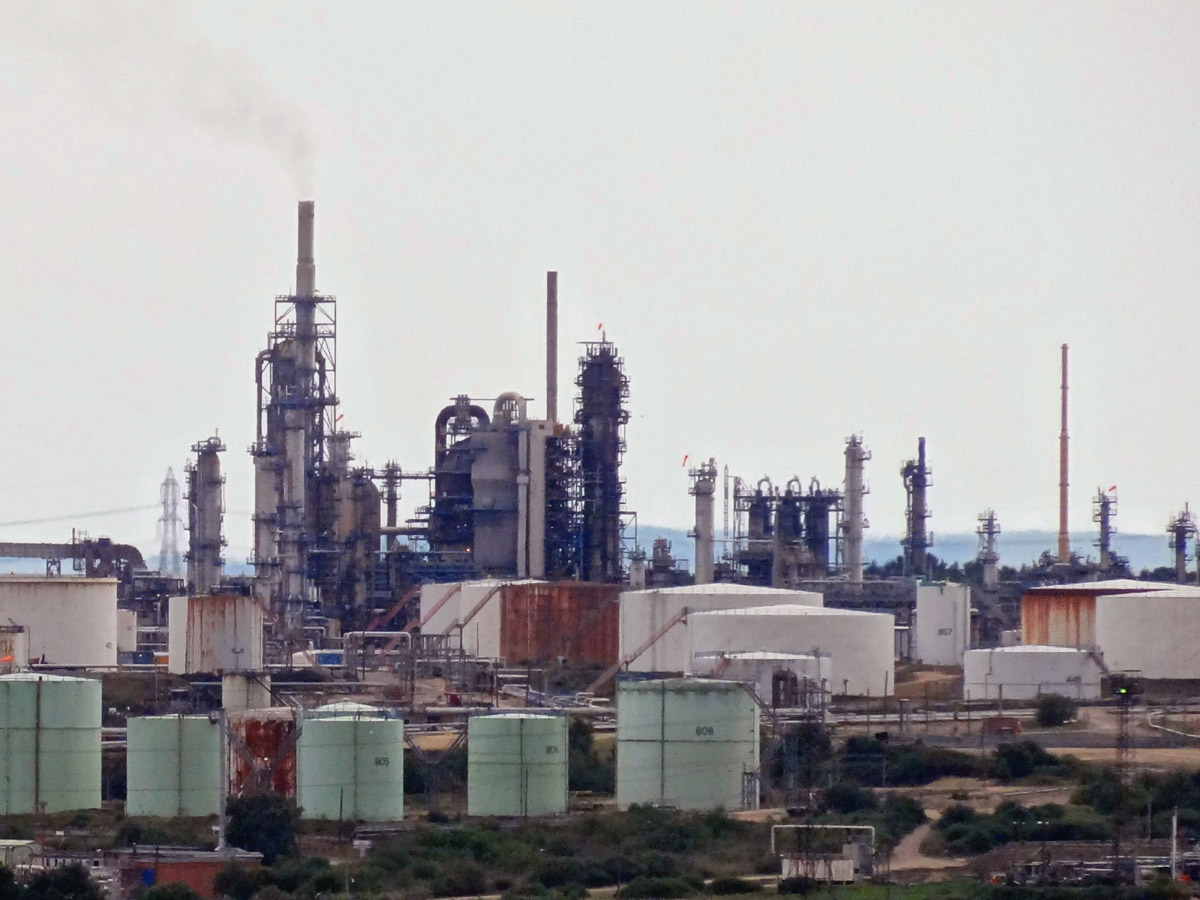 Oil prices are determined by demand and supply. Changes in oil prices are the result of shifts in demand and/or supply, with the size of the price change depending on the size of the shift and the price elasticity of demand and supply.
  The initial effect was a surge in US oil prices in late August as oil production in much of Texas shut down and a rise in petrol prices as supplies from refineries fell.