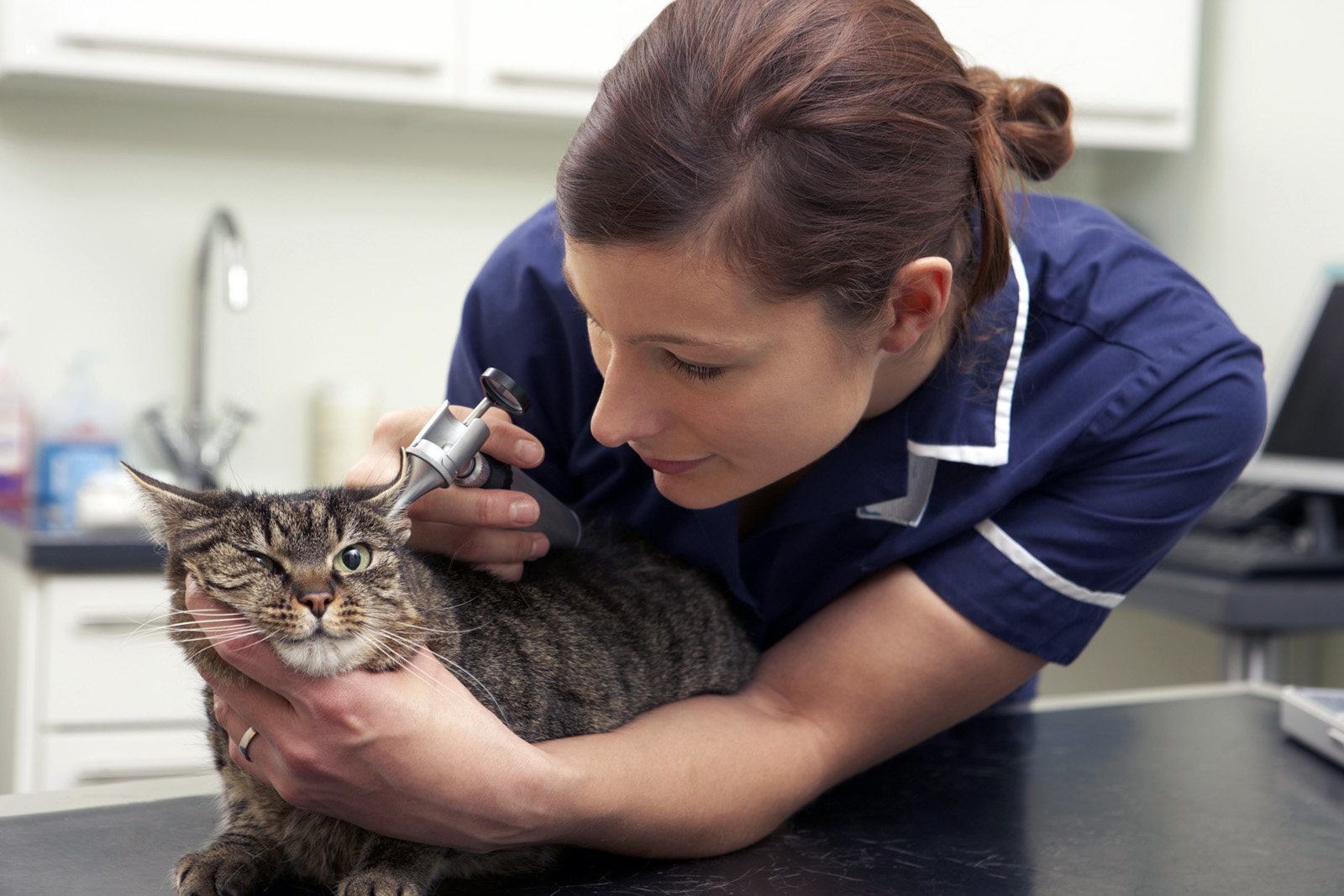
 The Competition and Markets Authority (CMA) is proposing to launch a formal Market Investigation into anti-competitive practices in the UK’s £2bn veterinary industry (for pets rather than farm animals or horses). This follows a preliminary investigation which received 56 000 responses from pet owners and vet professionals. These responses reported huge rises in bills for treatment and medicines and corresponding rises in the cost of pet insurance.
At the same time there has been a large increase in concentration in the industry. In 2013, independent vet practices accounted for 89% of the market; today, they account for only around 40%. Over the past 10 years, some 1500 of the UK’s 5000 vet practices had been acquired by six of the largest corporate groups. In many parts of the country, competition is weak; in others, it is non-existent, with just one of these large companies having a monopoly of veterinary services.
This market power has given rise to a number of issues. The CMA identifies the following:
- Of those practices checked, over 80% had no pricing information online, even for the most basic services. This makes is hard for pet owners to make decisions on treatment.
- Pet owners potentially overpay for medicines, many of which can be bought online or over the counter in pharmacies at much lower prices, with the pet owners merely needing to know the correct dosage. When medicines require a prescription, often it is not made clear to the owners that they can take a prescription elsewhere, and owners end up paying high prices to buy medicines directly from the vet practice.
- Even when there are several vet practices in a local area, they are often owned by the same company and hence there is no price competition. The corporate group often retains the original independent name when it acquires the practice and thus is is not clear to pet owners that ownership has changed. They may think there is local competition when there is not.
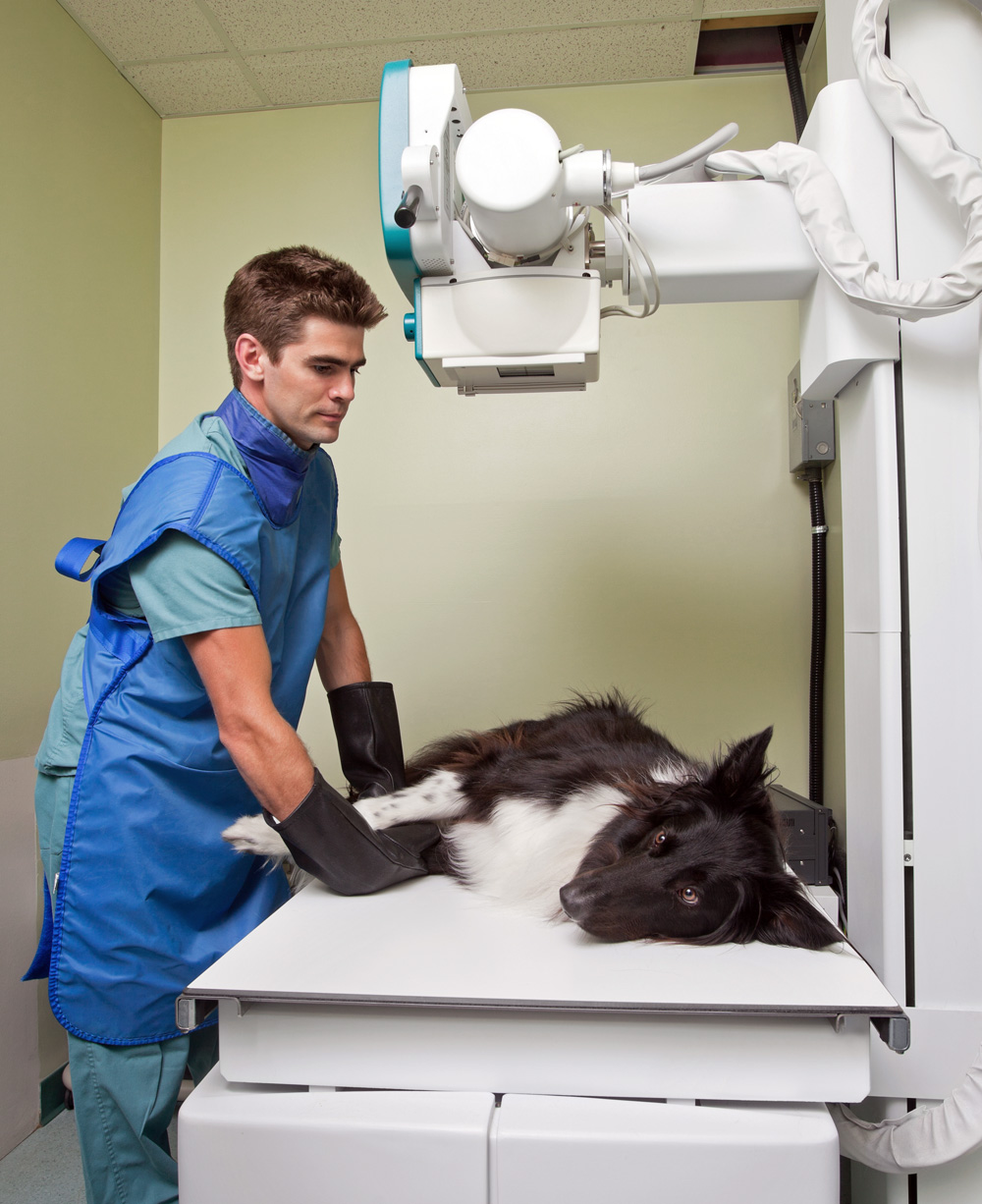 Often the corporate group provides the out-of-hours service, which tends to charge very high prices for emergency services. If there is initially an independent out-of-hours service provider, it may be driven out of business by the corporate owner of day-time services only referring pet owners to its own out-of-hours service.
- The corporate owners may similarly provide other services, such as specialist referral centres, diagnostic labs, animal hospitals and crematoria. By referring pets only to those services owned by itself, this crowds out independents and provides a barrier to the entry of new independents into these parts of the industry.
- Large corporate groups have the incentive to act in ways which may further reduce competition and choice and drive up their profits. They may, for example, invest in advanced equipment, allowing them to provide more sophisticated but high-cost treatment. Simpler, lower-cost treatments may not be offered to pet owners.
- The higher prices in the industry have led to large rises in the cost of pet insurance. These higher insurance costs are made worse by vets steering owners with pet insurance to choosing more expensive treatments for their pets than those without insurance. The Association of British Insurers notes that there has been a large rise in claims attributable to an increasing provision of higher-cost treatments.
- The industry suffers from acute staff shortages, which cuts down on the availability of services and allows practices to push up prices.
- Regulation by the Royal College of Veterinary Surgeons (RCVS) is weak in the area of competition and pricing.
The CMA’s formal investigation will examine the structure of the veterinary industry and the behaviour of the firms in the industry. As the CMA states:
In a well-functioning market, we would expect a range of suppliers to be able to inform consumers of their services and, in turn, consumers would act on the information they receive.
Market failures in the veterinary industry
The CMA’s concerns suggest that the market is not sufficiently competitive, with vet companies holding significant market power. This leads to higher prices for a range of vet services. However, the CMA’s analysis suggests that market failures in the industry extend beyond the simple question of market power and lack of competition.
A crucial market failure is asymmetry of information. The veterinary companies have much better information than pet owners. This is a classic principal–agent problem. The agent, in this case the vet (or vet company), has much better information than the principal, in this case the pet owner. This information can be used to the interests of the vet company, with pet owners being persuaded to purchase more extensive and expensive treatments than they might otherwise choose if they were better informed.
The principal–agent problem also arises in the context of the dependant nature of pets. They are the ones receiving the treatment and, in this context, are the principals. Their owners are the ones acquiring the treatment for them and hence are the pets’ agents. The question is whether the owners will always do the best thing for their pets. This raises philosophical questions of animal rights and whether owners should be required to protect the interests of their pets.
 Another information issue is the short-term perspective of many pet owners. They may purchase a young and healthy pet and assume that it will remain so. However, as the pet gets older, it is likely to face increasing health issues, with correspondingly increasing vet bills. But many owners do not consider such future bills when they purchase the pet. They suffer from what behavioural economists call ‘irrational exuberance’. Such exuberance may also occur when the owner of a sick pet is offered expensive treatment. They may over-optimistically assume that the treatment will be totally successful and that their pet will not need further treatment.
Vets cite another information asymmetry. This concerns the costs they face in providing treatment. Many owners are unaware of these costs – costs that include rent, business rates, heating and lighting, staff costs, equipment costs, consumables (such as syringes, dressings, surgical gowns, antiseptic and gloves), VAT, and so on. Many of these costs have risen substantially in recent months and are reflected in the prices pet owners are charged. With people experiencing free health care for themselves from the NHS (or other national provider), this may make them feel that the price of pet health care is excessive.
Then there is the issue of inequality. Pets provide great benefits to many owners and contribute to owners’ well-being. If people on low incomes cannot afford high vet bills, they may either have to forgo having a pet, with the benefits it brings, or incur high vet bills that they ill afford or simply go without treatment for their pets.
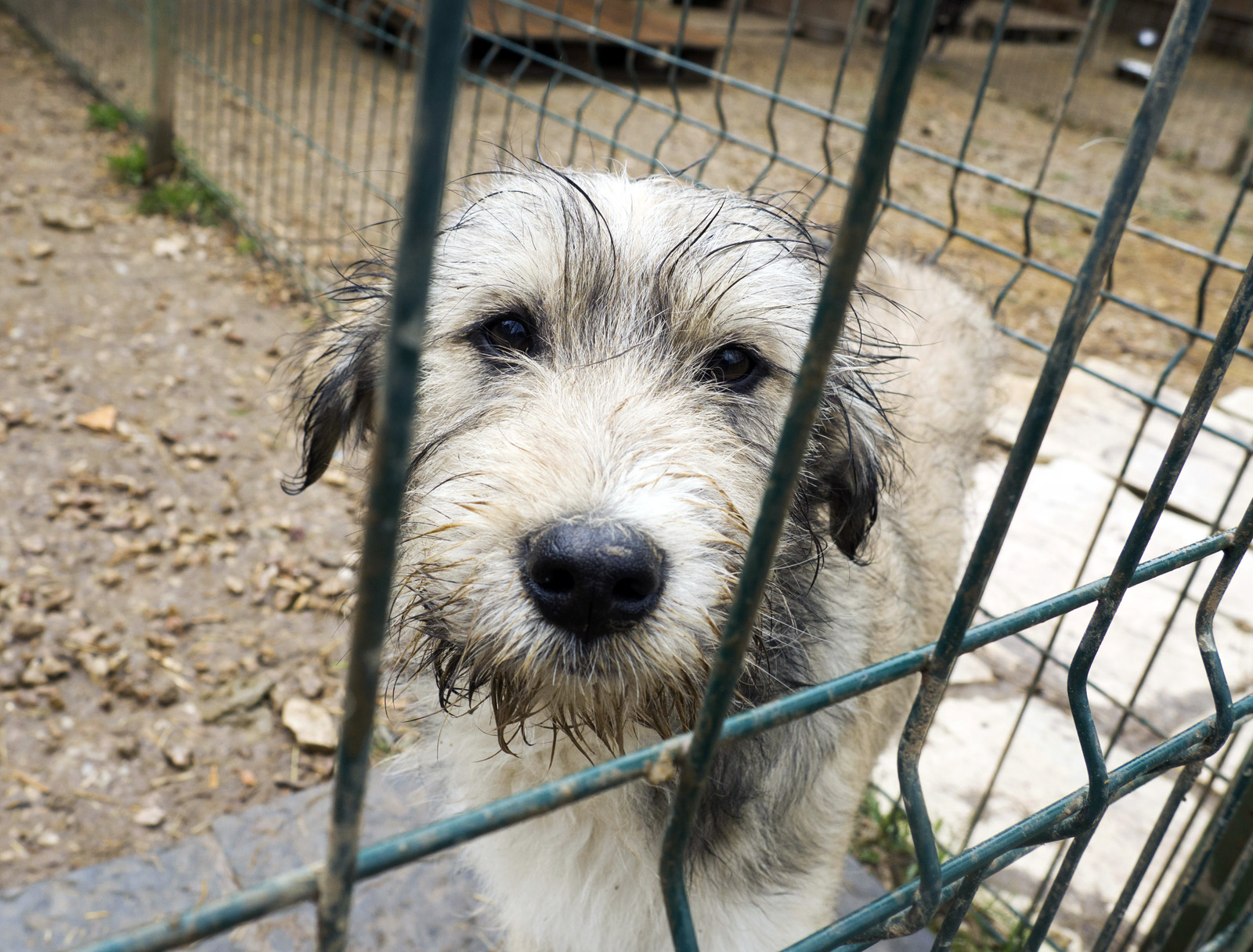 Finally, there are the external costs that arise when people abandon their pets with various health conditions. This has been a growing problem, with many people buying pets during lockdown when they worked from home, only to abandon them later when they have had to go back to the office or other workplace. The costs of treating or putting down such pets are born by charities or local authorities.
The CMA is consulting on its proposal to begin a formal Market Investigation. This closes on 11 April. If, in the light of its consultation, the Market Investigation goes ahead, the CMA will later report on its findings and may require the veterinary industry to adopt various measures. These could require vet groups to provide better information to owners, including what lower-cost treatments are available. But given the oligopolistic nature of the industry, it is unlikely to lead to significant reductions in vets bills.
Articles
- UK competition watchdog plans probe into veterinary market
Financial Times, Suzi Ring and Oliver Ralph (12/3/24)
 Vet prices: Investigation over concerns pet owners are being overcharged
Sky News (12/3/24)
- UK watchdog plans formal investigation into vet pricing
The Guardian, Kalyeena Makortoff (12/3/24)
- ‘Eye-watering’ vet bills at chain-owned surgeries prompt UK watchdog review
The Guardian, Kalyeena Makortoff (7/9/23)
- Warning pet owners could be overpaying for medicine
BBC News, Lora Jones & Jim Connolly (12/3/24)
- I own a vet practice, owners complain about the spiralling costs of treatments, but I only make 5 -10% profit – here’s our expenditure breakdown
Mail Online, Alanah Khosla (14/3/24)
- Vets bills around the world: As big-name veterinary practices come under pressure for charging pet owners ‘eyewatering’ care costs, how do fees in Britain compare to other countries?
Mail Online, Rory Tingle, Dan Grennan and Katherine Lawton (13/3/24)
CMA documents
Questions
- How would you establish whether there is an abuse of market power in the veterinary industry?
- Explain what is meant by the principal–agent problem. Give some other examples both in economic and non-economic relationships.
- What market advantages do large vet companies have over independent vet practices?
- How might pet insurance lead to (a) adverse selection; (b) moral hazard? Explain. How might (i) insurance companies and (ii) vets help to tackle adverse selection and moral hazard?
- Find out what powers the CMA has to enforce its rulings.
- Search for vet prices and compare the prices charged by at least three vet practices. How would you account for the differences or similarities in prices?
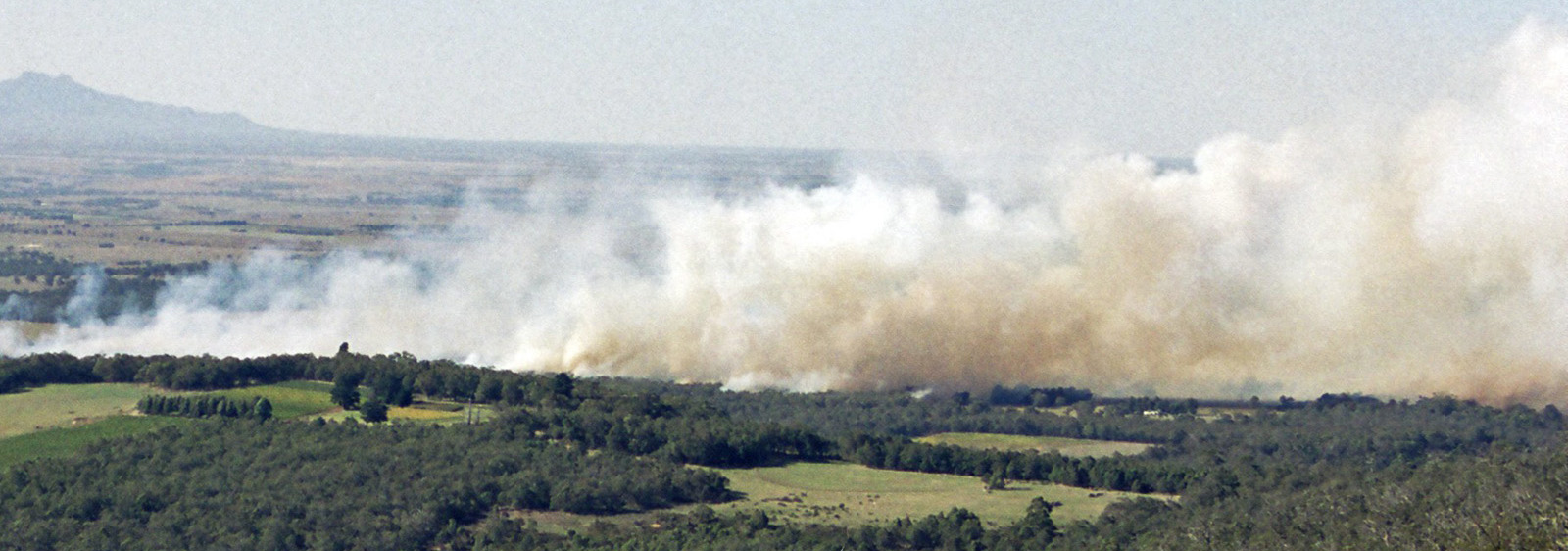
Climate change is not just an environmental challenge: its socioeconomic impacts are profound and far-reaching, touching every aspect of society. From agriculture to health, from urban infrastructure to coastal communities, the effects of climate change are evident and escalating.
The far-reaching effects
In agriculture, rising temperatures, more intense and frequent heatwaves and changing precipitation patterns pose significant threats to food security.1, 2 Crop yields decline as extreme weather events become more frequent and unpredictable, leading to increased food prices and economic instability. Smallholder farmers, who often lack the resources to adapt, are particularly vulnerable, exacerbating rural poverty and food insecurity.3
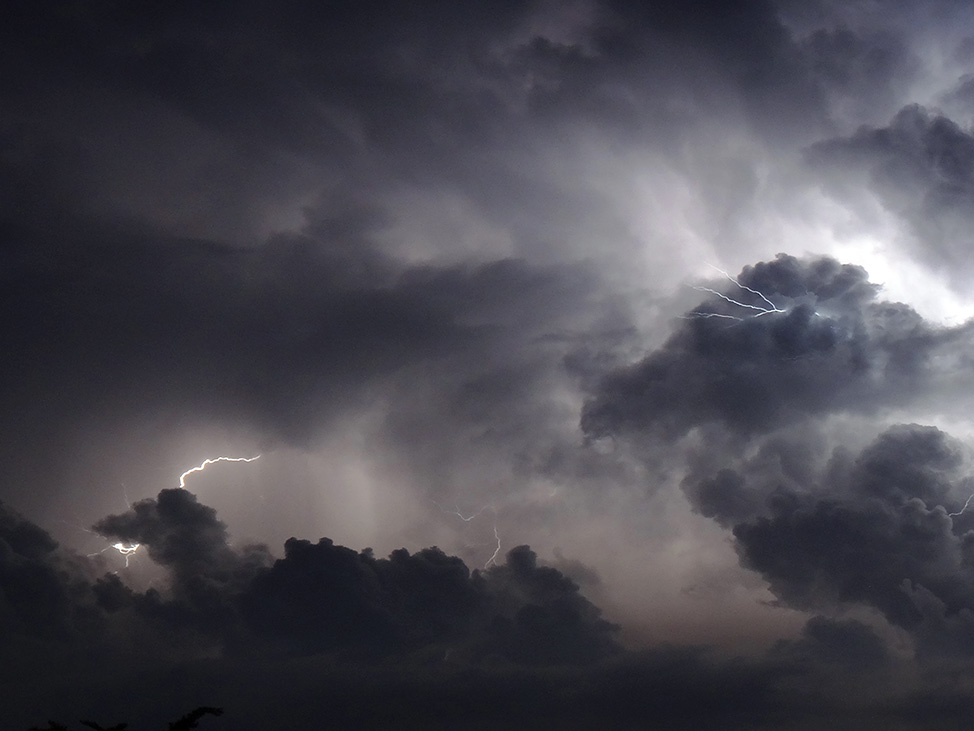 Coastal communities face the dual threats of sea-level rise and more intense storms.4 Erosion and inundation damage homes, infrastructure and livelihoods, displacing populations and disrupting local economies. The loss of coastal ecosystems further compounds these challenges, reducing natural defences against storm surges and exacerbating the impacts of climate-related disasters.
Health systems strain under the burden of climate-change-induced heatwaves, air pollution and the spread of vector-borne diseases.5, 6 Heat-related illnesses increase as temperatures rise, particularly affecting vulnerable populations such as the elderly and outdoor workers. Air pollution exacerbates respiratory conditions, leading to higher healthcare costs and decreased productivity. Vector-borne diseases, such as malaria and dengue fever, expand into new regions, placing additional strain on already overburdened health systems.
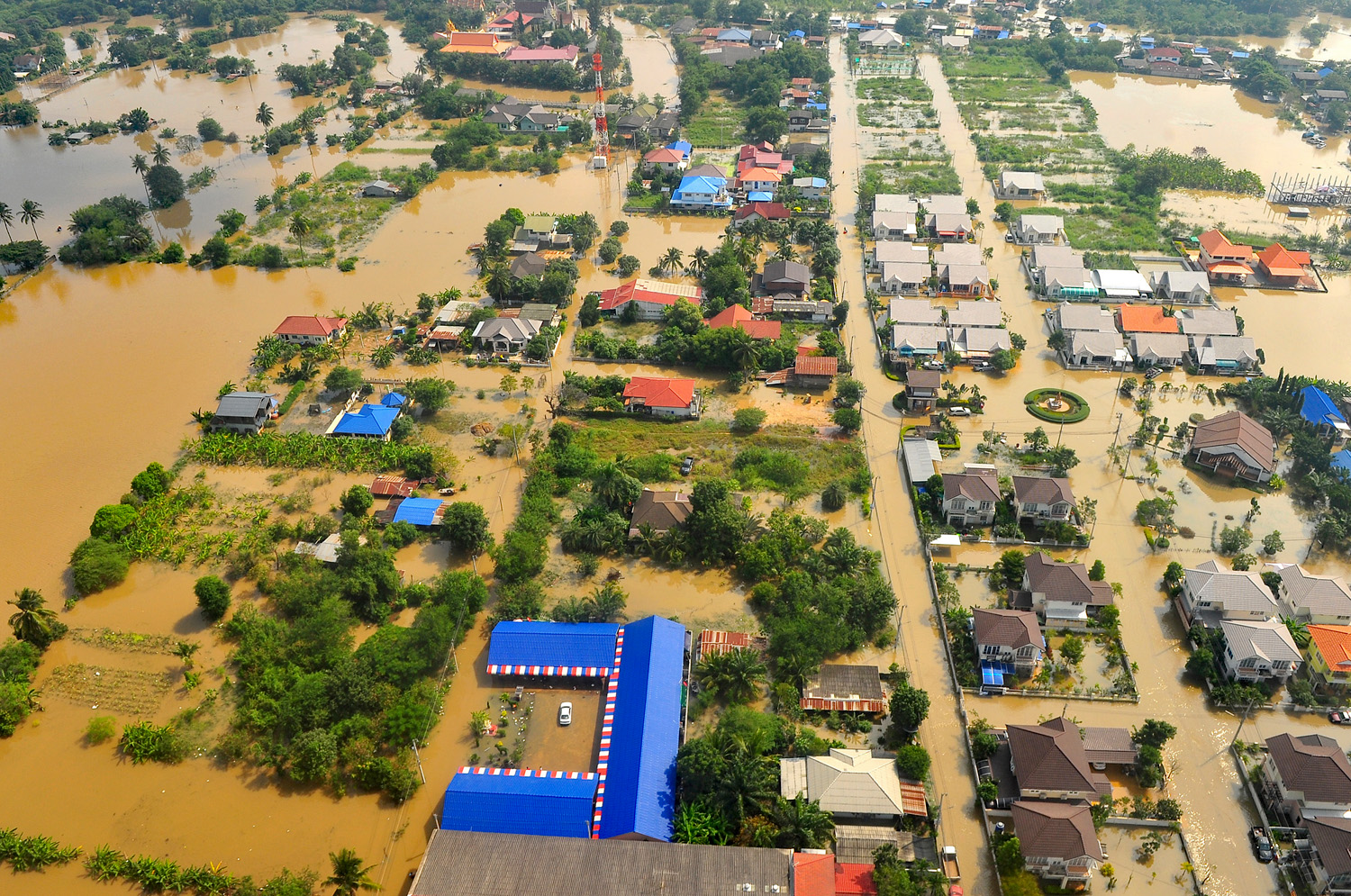 Displacement due to climate-related disasters amplifies social inequalities and challenges urban planning and infrastructure.7 Vulnerable communities, often located in low-lying areas or informal settlements, bear the brunt of climate impacts, facing the loss of homes, livelihoods and community cohesion. Inadequate housing and infrastructure increase the risks associated with extreme weather events, perpetuating cycles of poverty and vulnerability.
Furthermore, climate change exacerbates existing socioeconomic disparities, disproportionately affecting marginalised and vulnerable populations. Indigenous communities, women, children and people living in poverty are often the hardest hit, lacking access to resources, information, and adaptive capacity.8
Policy responses
Addressing the socioeconomic impacts of climate change requires co-ordinated action across sectors and scales. Policy interventions, such as investment in climate-resilient infrastructure and the promotion of sustainable agriculture practices, are essential for building resilience and reducing vulnerability. Community-led initiatives that prioritise local knowledge and empower marginalised groups are also critical for fostering adaptive capacity and promoting social equity.
To address these challenges, projects like CROSSEU, the new €5 million Horizon Europe project (that I have the pleasure to be part of), play a crucial role in enhancing our understanding of these impacts and developing actionable strategies for resilience and adaptation. One of the key contributions of CROSSEU lies in its development of a Decision Support System (DSS) that integrates tools, measures, and policy options to address these risks in a cross-sectoral and cross-regional perspective. This DSS will support (and hopefully improve) decision-making processes at various levels, from local to EU-wide, and facilitate the adoption of evidence-based policies and measures to enhance resilience and mitigate the impacts of climate change.
Would you like to know more about CROSSEU? Follow our journey and be informed of our publications and events in our new webpage: https://crosseu.eu/9
Articles/References
- Global food security under climate change
Proceedings of the National Academy of Sciences, Josef Schmidhuber and Francesco N Tubiello (11/12/2007)
- Reducing risks to food security from climate change
Global Food Security, Bruce M Campbell et al. (2016: 11, pp 34–43)
- The value-add of tailored seasonal forecast information for industry decision making
Climate, Clare Mary Goodess et al (16/10/2022)
- Assessing climate change impacts, sea level rise and storm surge risk in port cities: a case study on Copenhagen
Climatic change, Stéphane Hallegatte, Nicola Ranger, Olivier Mestre, Patrice Dumas, Jan Corfee-Morlot, Celine Herweijer and Robert Muir Wood (7/12/2010)
- Health risks of climate change: An assessment of uncertainties and its implications for adaptation policies
Environmental Health, J Arjan Wardekker, Arie de Jong, Leendert van Bree, Wim C Turkenburg and Jeroen P van der Sluijs (19/9/2012)
- Climate Change and Temperature-related Mortality: Implications for Health-related Climate Policy
Biomedical and Environmental Sciences, Tong Shi Lu, Jorn Olsen and Patrick L Kinney (2021: 34(5) pp 379–86 )
- Climate Change, Inequality, and Human Migration
IZA Discussion Paper No. 12623, Michał Burzyński, Christoph Deuster, Frédéric Docquier and Jaime de Melo (23/9/2019)
- The trap of climate change-induced “natural” disasters and inequality
Global Environmental Change, Federica Cappelli, Valeria Costantini and Davide Consoli (30/7/2021)
- Cross-sectoral Framework for Socio-Economic Resilience to Climate Change and Extreme Events in Europe
UEA Research Project, Nicholas Vasilakos, Katie Jenkins and Rachel Warren
Questions
- How do the socioeconomic impacts of climate change differ between rural and urban communities? What factors contribute to these disparities, and how can policies address them effectively?
- In what ways do vulnerable populations, such as indigenous communities and those living in poverty, bear the brunt of climate change impacts? How can we ensure that climate adaptation strategies prioritise their needs and promote social equity?
- The blog mentions the importance of community-led initiatives in building resilience to climate change. What examples of successful community-based adaptation projects can you identify, and what lessons can be learned from their implementation?
- How can governments and organisations collaborate to address the socioeconomic impacts of climate change while also promoting economic growth and development? What role do cross-sectoral partnerships play in building resilience and fostering sustainable practices?
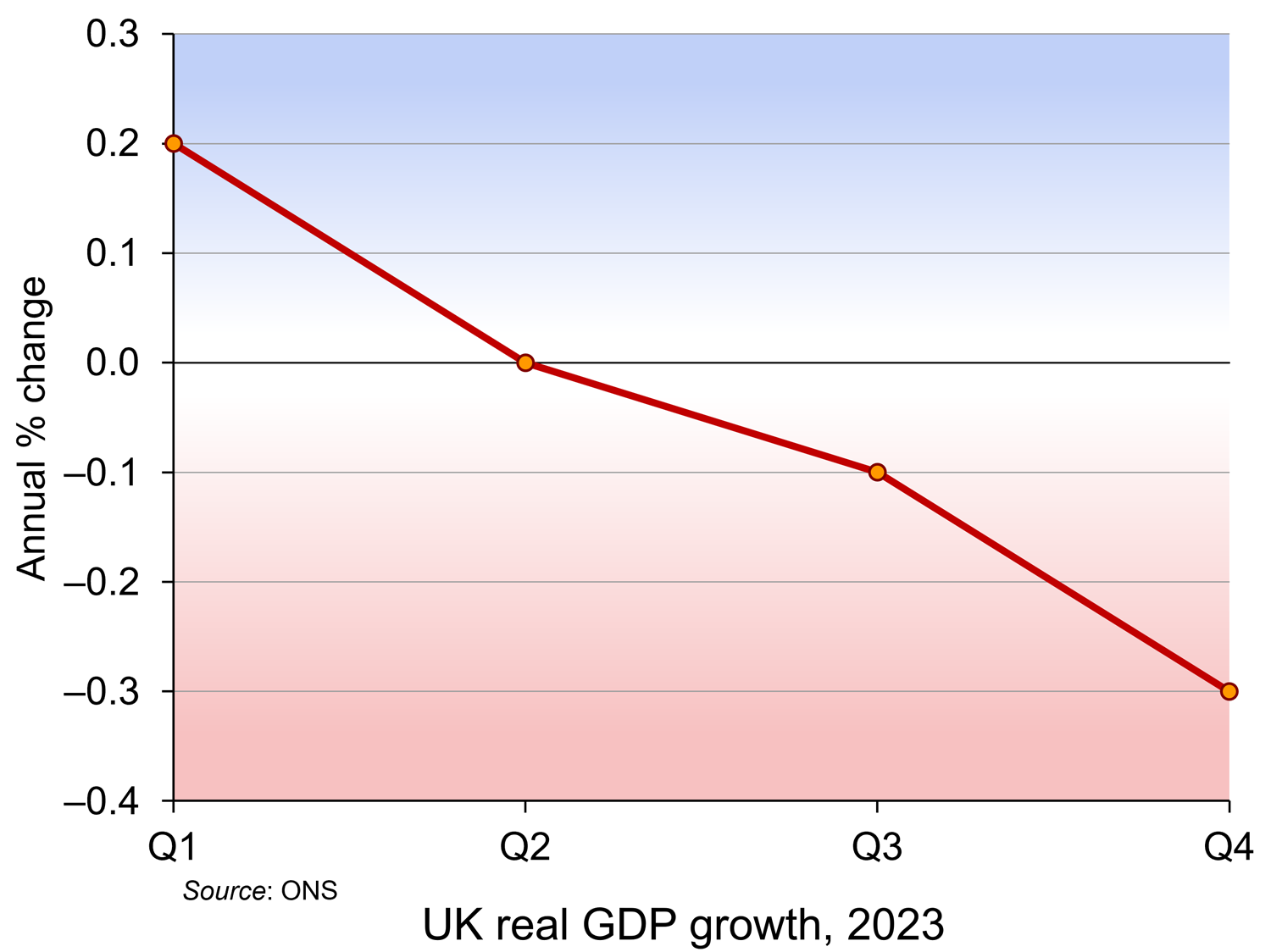 Latest figures from the Office for National Statistics show that the UK was in recession at the end of 2023. The normal definition of recession is two quarters of falling real GDP. This is what happened to the UK in the last two quarters of 2023, with GDP falling by 0.1% in Q3 and 0.3% in Q4. In Q4, output of the service industries fell by 0.2%, production industries by 1.0% and construction by 1.3%.
But how bad is this? What are the implications for living standards? In some respects, the news is not as bad as the term ‘recession’ might suggest. In other respects, it’s worse than the headline figures might imply.
The good news (or not such bad news)
The first thing to note is that other countries too experienced a recession or slowdown in the second half of 2023. So, relative to these countries, the UK is not performing that badly. Japan, for example, also experienced a mild recession; Germany just missed one. These poor economic growth rates were caused largely by higher global energy and food prices and by higher central bank interest rates in response. The good news is that such cost pressures are already easing.
The second piece of good news is that GDP is expected to start growing again (modestly) in 2024. This will be helped by the Bank of England cutting interest rates. The Monetary Policy Committee is expected to do this at its May, June or August meetings provided that inflation falls. Annual CPI inflation was 4% in January – the same as in December. But it is expected to fall quite rapidly over the coming months provided that there are no serious supply-side shocks (e.g. from world political factors).
The third is that the recession is relatively modest compared with ones in the past. In the recession following the financial crisis, real GDP fell by 5.3% in 2009; during the pandemic, GDP fell by 10.7% in 2020. For this reason, some commentators have said that the last two quarters of 2023 represent a mere ‘technical recession’, with the economy expected to grow again in 2024.
Why things may be worse than the headline figures suggest
Real GDP per head
So far we have considered real GDP (i.e. GDP adjusted for inflation). But if changes in GDP are to reflect changes in living standards, we need to consider real GDP per head. Population is rising. This means that the rate of growth in real GDP per head is lower than the rate of growth in real GDP
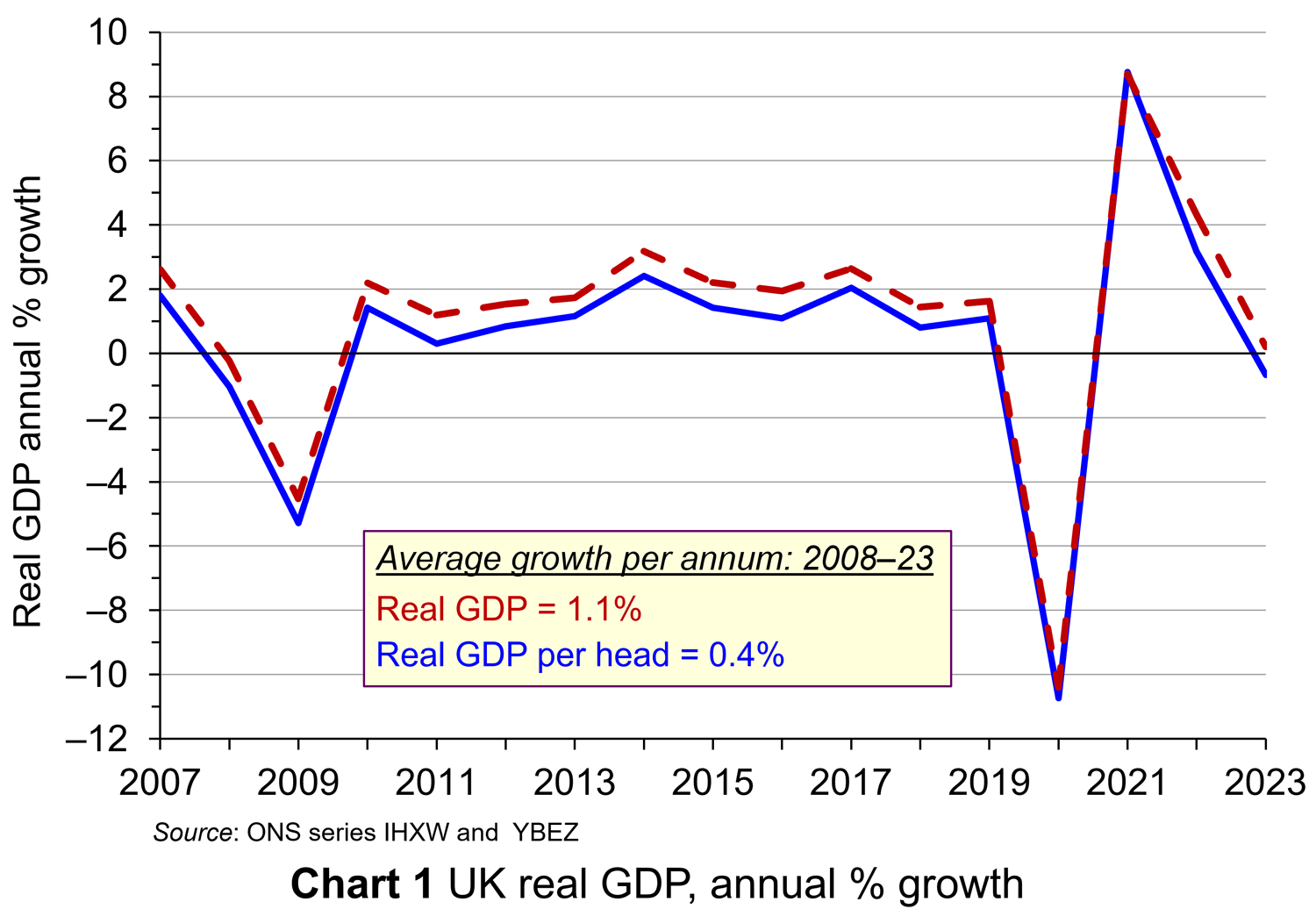 For 2023 as a whole, while real GDP rose by 0.20%, real GDP per head fell by 0.67%. In the last two quarters of 2023, while real GDP fell by 0.1% and 0.3% respectively, real GDP per head fell by 0.4% and 0.6%, respectively, having already fallen in each of the previous five quarters. Chart 1 shows real GDP growth and real GDP growth per head from 2007 to 2023 (click here for a PowerPoint). As you can see, given population growth, real GDP per head has consistently grown slower than real GDP.
Long-term trends.
If we are assessing the UK’s potential for growth in GDP, rather than the immediate past, it is useful to look at GDP growth over a longer period. Looking at past trend growth rates and explaining them can give us an indication of the likely future path of the growth in GDP – at least in the absence of a significant change in underlying economic factors. Since 2007, the average annual rate of growth of real GDP has been only 1.1% and that of real GDP per head a mere 0.4%.
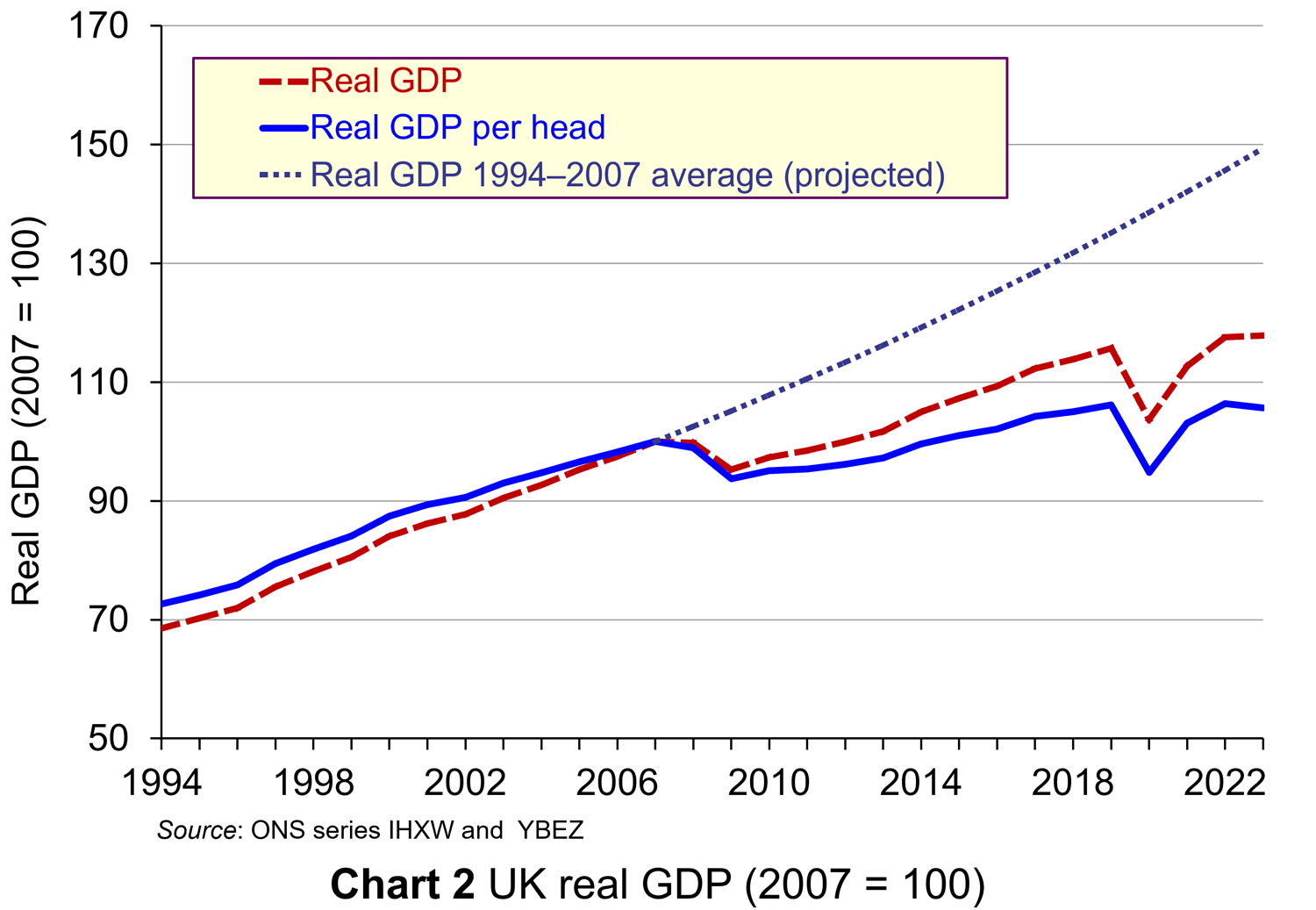 This compares unfavourably with the period from 1994 to 2007, when the average annual rate of growth of real GDP was 3.0% and that of real GDP per head was 2.5%.
This is illustrated in Chart 2 (click here for a PowerPoint). The chart also projects the growth rate in GDP per head of 2.5% forward from 2007 to 2023. Had this growth rate been achieved since 2007, GDP per head in 2023 would have been 41.4% higher than it actually was.
It is not only the UK that has seen low growth over the past 15 years compared to previous years. It has achieved a similar average annual growth rate over the period to Germany (1.1%), lower rates than the USA (1.8%) and Canada (1.6%), but higher than France (0.9%) and Japan (0.4%).
Low investment
A key determinant of economic growth is investment. Since 2008, the UK has invested an average of 17.3% of GDP. This is the lowest of the G7 countries and compares with 24.9% in Japan, 23.7% in Canada, 23.5% in France, 21.3% in Germany, 20.4% in the USA and 19.1% in Italy. If UK growth is to recover strongly over the longer term, the rate of investment needs to increase, both private and public. Of course, investment has to be productive, as the key underlying determinant of economic growth is the growth in productivity.
Low productivity growth
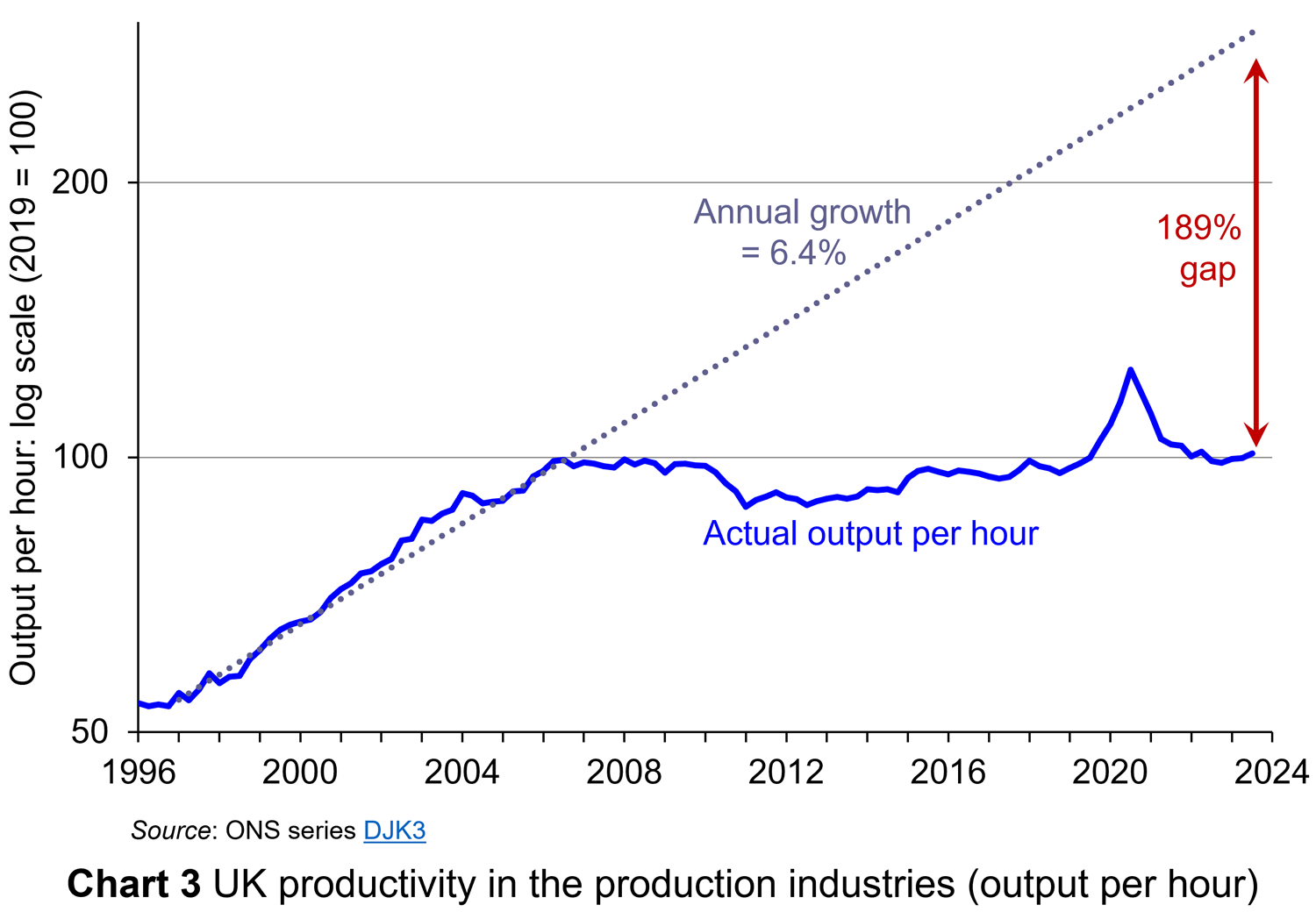 This is a key issue for the government – how to encourage a growth in productivity. The UK’s record of productivity growth has been poor since 2008. The period from 1996 to 2006 saw an average annual growth in labour productivity of 6.4%. Since then, however, labour productivity has grown by an average annual rate of only 0.3%. This is illustrated in Chart 3 (click here for a PowerPoint). If the pre-2007 rate had continued to the end of 2023, labour productivity would be 189% higher. This would have made GDP per head today substantially higher. If GDP per head is to grow faster, then the underlying issue of a poor growth in labour productivity will need to be addressed.
Inequality and poverty
Then there is the issue of the distribution of national income. The UK has a high level of income inequality. In 2022 (the latest data available), the disposable income of the poorest 20% of households was £13 218; that for the richest 20% was £83 687.  The top 1% of income earners’ share of disposable income is just under 9.0%. (Note that disposable income is after income taxes have been deducted and includes cash benefits and is thus more equally distributed than original income.)
The poorest 20% have been hit badly by the cost-of-living crisis, with many having to turn to food banks and not being able to afford to heat their homes adequately. They are also particularly badly affected by the housing crisis, with soaring and increasingly unaffordable rents. Many are facing eviction and others live in poor quality accommodation. Simple growth rates in real GDP do not capture such issues.
Limited scope for growth policies
Fiscal policy has an important role in stimulating growth. Conservatives stress tax cuts as a means of incentivising entrepreneurs and workers. Labour stresses the importance of public investment in infrastructure, health, education and training. Either way, such stimulus policy requires financing.
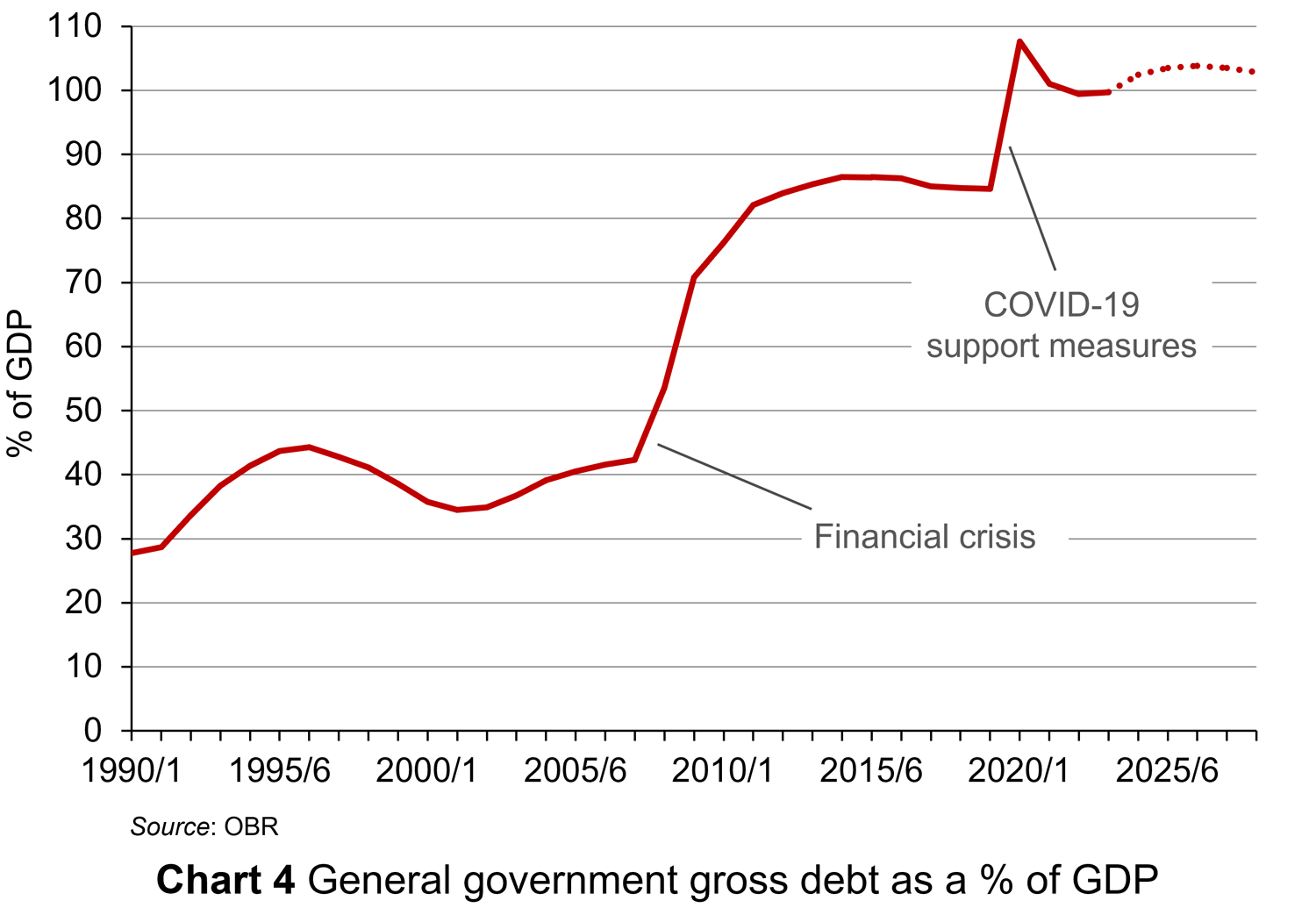 But, public finances have been under pressure in recent years, especially from COVID support measures. General government gross debt has risen from 27.7% of GDP in 1990/91 to 99.4% in 2022/23. This is illustrated in Chart 4 (click here for a PowerPoint). Although it has fallen from the peak of 107.6% of GDP in 2020/21 (during the COVID pandemic), according to the Office for Budget Responsibility it is set to rise again, peaking at 103.8% in 2026/27. There is thus pressure on the government to reduce public-sector borrowing, not increase it. This makes it difficult to finance public investment or tax cuts.
Measuring living standards
Questions about real GDP have huge political significance. Is the economy in recession? What will happen to growth in GDP over the coming months. Why has growth been sluggish in recent years? The implication is that if GDP rises, living standards will rise; if GDP falls, living standards will fall. But changes in GDP, even if expressed in terms of real GDP and even if the distribution of GDP is taken into account, are only a proxy for living standards. GDP measures the market value of the output of goods and services and, as such, may not necessarily be a good indicator of living standards, let alone well-being.
Produced goods and services that are not part of GDP
 The output of some goods and services goes unrecorded. As we note in Economics, 11e (section 15.2), “If you employ a decorator to paint your living room, this will be recorded in the GDP statistics. If, however, you paint the room yourself, it will not. Similarly, if a childminder is employed by parents to look after their children, this childcare will form part of GDP. If, however, a parent stays at home to look after the children, it will not.
The exclusion of these ‘do-it-yourself’ and other home-based activities means that the GDP statistics understate the true level of production in the economy. If over time there is an increase in the amount of do-it-yourself activities that people perform, the figures will also understate the rate of growth of national output.” With many people struggling with the cost of living, such a scenario is quite likely.
There are also activities that go unrecorded in the ‘underground’ or ‘shadow’ economy: unemployed people doing casual jobs for cash in hand that they do not declare to avoid losing benefits; people doing extra work outside their normal job and not declaring the income to evade taxes; builders doing work for cash to save the customer paying VAT.
Externalities
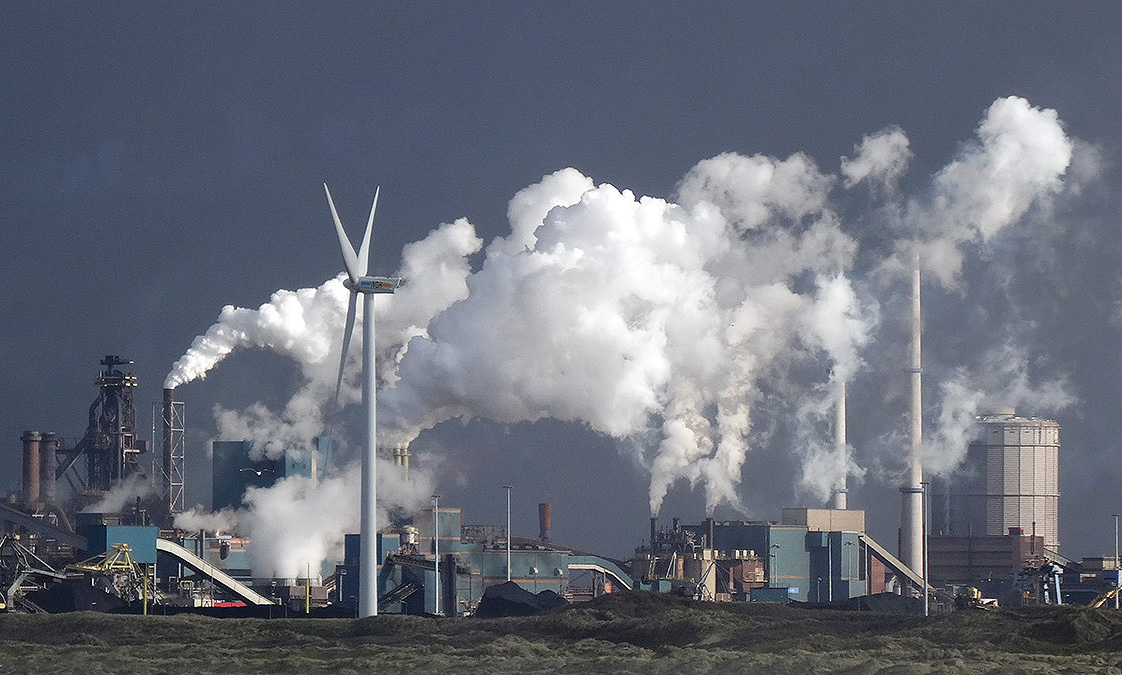 Large amounts of production and consumption involve external costs to the environment and to other people. These externalities are not included in the calculation of GDP.
If external costs increase faster than GDP, then GDP growth will overstate the rise in living standards. If external costs rise more slowly than GDP (or even fall), then GDP growth will understate the rise in living standards. We assume here that living standards include social and environmental benefits and are reduced by social and environmental costs.
Human costs of production
If production increases as a result of people having to work harder or longer hours, its net benefit will be less. Leisure is a desirable good, and so too are pleasant working conditions, but these items are not included in the GDP figures.
The production of certain ‘bads’ leads to an increase in GDP
 Some of the undesirable effects of growth may in fact increase GDP! Take the examples of crime, stress-related illness and environmental damage. Faster growth may lead to more of all three. But increased crime leads to more expenditure on security; increased stress leads to more expenditure on health care; and increased environmental damage leads to more expenditure on environmental clean-up. These expenditures add to GDP. Thus, rather than reducing GDP, crime, stress and environmental damage actually increase it.
Alternative approaches to measuring production and income
There have been various attempts to adjust GDP (actual or potential) to make it a better indicator of total production or income or, more generally, of living standards.
Index of Sustainable Economic Welfare (ISEW)
As Case Study 9.20 in the Essentials of Economics (9e) website explains, ISEW starts with consumption, as measured in GDP, and then makes various adjustments to account for factors that GDP ignores. These include:
- Inequality: the greater the inequality, the more the figure for consumption is reduced. This is based on the assumption of a diminishing marginal utility of income, such that an additional pound is worth less to a rich person than to a poor person.
- Household production (such as childcare, care for the elderly or infirm, housework and various do-it-yourself activities). These ‘services of household labour’ add to welfare and are thus entered as a positive figure.
- Defensive expenditures. This is spending to offset the adverse environmental effects of economic growth (e.g. asthma treatment for sufferers whose condition arises from air pollution). Such expenditures are taken out of the calculations.
- ‘Bads’ (such as commuting costs). The monetary expense entailed is entered as a negative figure (to cancel out its measurement in GDP as a positive figure) and then an additional negative element is included for the stress incurred.
- Environmental costs. Pollution is entered as a negative figure.
- Resource depletion and damage. This too is given a negative figure, in just the same way that depreciation of capital is given a negative figure when working out net national income.
Productive Capacities Index (PCI)
In 2023, the United Nations Conference on Trade and Development (UNCTAD) launched a new index to provide a better measure of countries’ economic potential. What the index focuses on is not actual GDP but potential output: in other words, ‘countries’ abilities to produce goods and deliver services’.
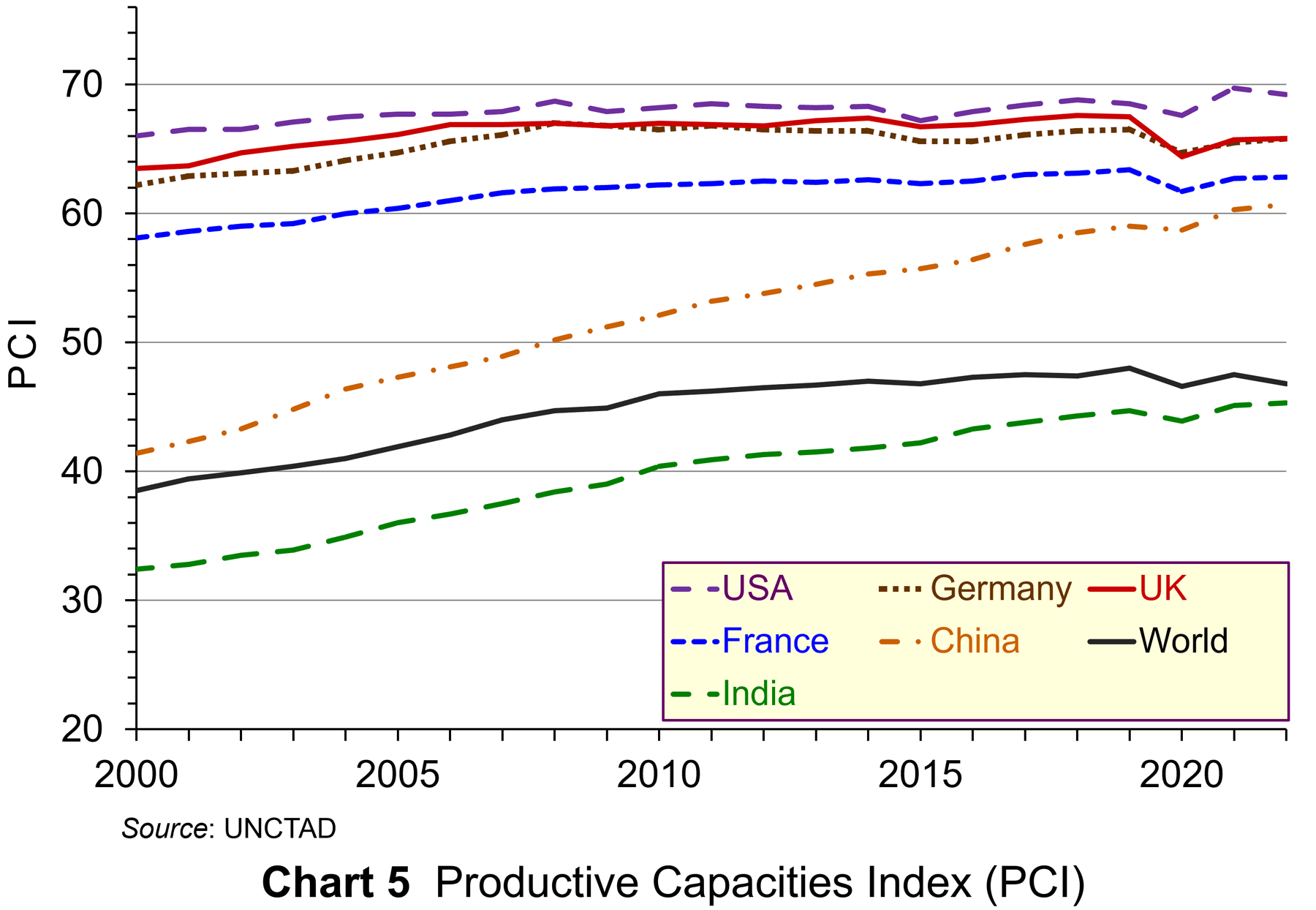 The PCI comprises 42 indicators under eight headings: human capital, natural capital, information and communication technology (ICT), structural change (the movement of labour and other productive resources from low-productivity to high-productivity economic activities), transport infrastructure, institutions (political, legal and financial) and the private sector (ease of starting businesses, availability of credit, ease of cross-border trade, etc.). It covers 194 economies since 2000 (currently to 2022). As UNCTAD states, ‘The PCI can help diagnose the areas where countries may be leading or falling behind, spotlighting where policies are working and where corrective efforts are needed.’ Chart 5 shows the PCI for various economies from 2000 to 2022 (click here for a PowerPoint).
The UK, with a PCI of 65.8 in 2022, compares relatively favourably with other developed countries. The USA’s PCI is somewhat higher (69.2), as is The Netherlands’ (69.8); Germany’s is the same (65.8); France’s is somewhat lower (62.8). The world average is 46.8. For developing countries, China is relatively high (60.7); India’s (45.3) is close to the developing country average of 43.4.
Looked at over a longer time period, the UK’s performance is relatively weak. The PCI in 2022 (65.8) was below that in 2006 (66.9) and below the peak of 67.6 in 2018.
GDP and well-being
GDP is often used as a proxy for well-being. If real GDP per head increases, then it is assumed that well-being will increase. In practice, people’s well-being depends on many factors, not just their income, although income is one important element.
The UK Measuring National Well-being (MNW) programme
 The MNW programme was established in 2010. This has resulted in Office for National Statistics developing new measures of national well-being. The ONS produces statistical bulletins and datasets with its latest results.
The aim of the programme is to provide a ‘fuller picture’ of how society is doing beyond traditional economic indicators. There are currently 44 indicators. These are designed to describe ‘how we are doing as individuals, as communities and as a nation, and how sustainable this is for the future’. The measures fall within a number of categories, including: personal well-being, relationships, health, what we do, where we live, personal finance, the economy, education and skills, governance and the natural environment.
Conclusions
In the light of the limitations of GDP as a measure of living standards, what can we make of the news that the UK entered recession in the last half of 2023? It does show that the economy is sluggish and that the production of goods and services that are included in the GDP measure declined.
But to get a fuller assessment of the economy, it is important to take a number of other factors into account. If we are to go further and ask what has happened to living standards or to well-being, then we have to look at a range of other factors. If we are to ask what the latest figures tell us about what is likely to happen in the future to production, living standards and well-being, then we will need to look further still.
Articles
- Britain falls into recession, with worst GDP performance in 2023 in years
CNN, Hanna Ziady (15/2/24)
- UK economy slipped into recession in 2023
Financial Times, Valentina Romei and George Parker (15/2/24)
- UK economy fell into recession after people cut spending
BBC News, Dearbail Jordan & Faisal Islam (15/2/24)
- Should we care that the UK is in recession?
BBC News, Faisal Islam (15/2/24)
- UK tips into recession in blow to Rishi Sunak
The Guardian, Richard Partington (15/2/24)
- Britain is in recession… and huge immigration has been masking how much poorer we’re getting
MSN, James Tapsfield (15/2/24)
- This isn’t a “mild” recession
The New Statesman, Duncan Weldon (15/2/24)
- UK middle classes ‘struggling despite incomes of up to £60,000 a year’
The Guardian, Larry Elliott (20/2/24)
- What is GDP and how is it measured?
BBC News (15/2/24)
- World at One (from 7’00” to 25’14”)
BBC Sounds, Torsten Bell and Norman Lamont (15/2/24)
- Does High GDP Mean Economic Prosperity?
Investopedia, Lisa Smith (29/9/23)
- A critical assessment of GDP as a measure of economic performance and social progress
Carnegie UK, Cressida Gaukroger (June 2023)
- When it comes to measuring economic welfare, GDP doesn’t cut it
Marketplace, Kai Ryssdal and Maria Hollenhorst (1/9/23)
- UNCTAD launches new index for countries to better measure economic potential
UNCTAD News (20/6/23)
- Redefining Economic Growth for a Climate-Conscious World
Forbes, Judah Taub (28/9/23)
- Bobby Kennedy on GDP: ‘measures everything except that which is worthwhile’
The Guardian, Simon Rogers (24/5/12)
- A guide to the UK National Accounts: Satellite Accounts
ONS (6/3/20)
Data and Analysis
- GDP first quarterly estimate, UK: October to December 2023
ONS (15/2/24)
- GDP (Average) per head, q-on-q4 growth rate CVM SA % (series N3Y8)
ONS
- Gross domestic product (Average) per head, CVM market prices: SA (series IHXW)
ONS
- GDP per capita, current prices (UK)
IMF
- Productive capacities index, annual, 2000-2022
UNCTAD
- The Scale of Economic Inequality in the UK
The Equality Trust (2023)
- Living standards, poverty and inequality in the UK: 2023
IFS, Sam Ray-Chaudhuri, Tom Waters, Thomas Wernham and Xiaowei Xu (July 2023)
- Quarterly personal well-being estimates – seasonally adjusted
ONS
Questions
- Using GDP and other data, summarise the outlook for the UK economy.
- Why is GDP so widely used as an indicator of living standards?
- Explain the three methods of measuring GDP?
- What key contributors to living standards are omitted from GDP?
- What are the ONS Satellite Accounts? Are they useful for measuring living standards?
- Assess the UK’s economic potential against each of the eight category indices in the Productive Capacities Index.
- What is the difference between ‘living standards’ and ‘well-being’?
 A happy New Year for 2024. Let’s hope that the coming year brings some good news amidst all the the gloom of war, squeezed living standards, the effects of climate change and the rise of authoritarian regimes.
One piece of good news is the growth in environmental debt swaps in developing countries. These are known as debt-for-nature swaps (or debt-for-environment swaps or green debt swaps). As Case Study 26.16 in Economics (11th edition) and Case Study 15.19 in Essentials of Economics (9th edition) explain:
A debt-for-nature swap is where debts are cancelled in return for investment in environmental projects, including protecting biodiversity, reducing carbon emissions and mitigating the effect of climate change. There are two types of scheme: bilateral and commercial.
In a bilateral swap, a creditor country agrees to cancel debt in return for the debtor country investing a proportion of the amount in environmental projects. In a commercial swap, the debt owed to banks is sold to an international environmental agency at a substantial discount (or sometimes even given away); the agency then agrees to cancel this debt in return for the country funding the agency to carry out various environmental projects.
The first debt-for-nature swap was made as far back as 1987, when environmental NGO, Conservation International, arranged for Bolivia to be forgiven $650 000 of its debt in exchange for the establishment of three conservation areas bordering the Beni Reserve (see either of the above case studies). In the 1990s and 2000s, debt-for nature swaps became popular with creditors and by 2010, the total debt cancelled through debt-for-nature swaps was just over $1 billion.
However, the popularity waned in the 2010s and with COVID, many developing countries were diverting resources from long-term sustainability and mitigating the effects of climate change to emergency healthcare and relief.
 More recently, debt-for-for nature swaps have become popular again.
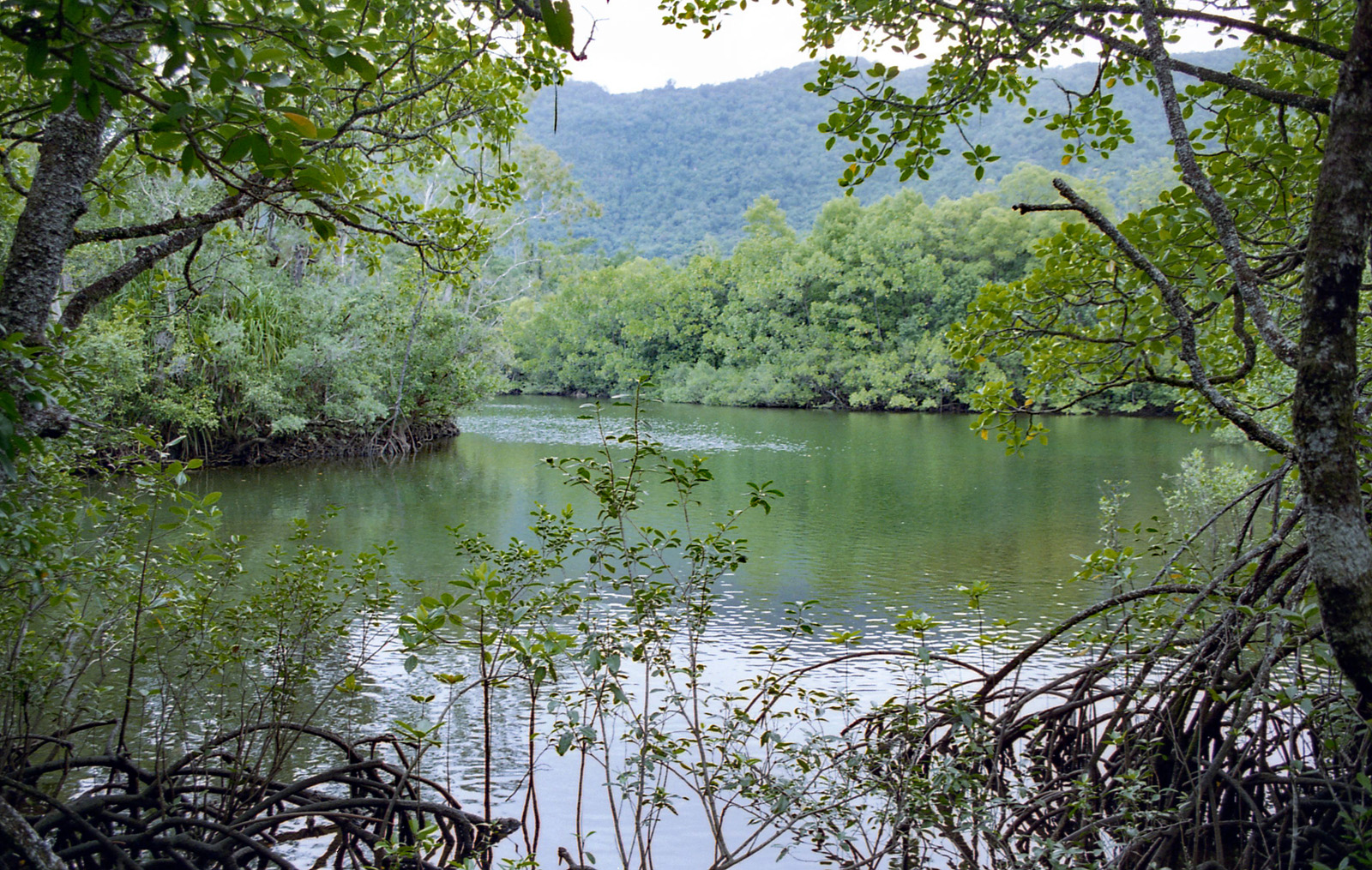
In May 2023, Ecuador benefited from the biggest debt swap to that point. The agreement saw $1.6bn of its commercial debt refinanced at a discount in exchange for large-scale conservation in and around the Galápagos Islands. At least $12m per year of the money saved will be channelled into conservation in the archipelago, with its unique flora and fauna.
Such projects are set to increase, with potentially significant beneficial effects for biodiversity, climate and the environment generally. At the COP28 summit in December 2023, a task force was set up by a group of multilateral development banks to promote an increase in the size and number of debt-for-nature swaps.
According to the Organisation for Economic Co-operation and Development (OECD), developing economies will need an annual $2.4 trillion of investment in climate action in the coming years. So far, the market for debt-for-nature swaps is set to rise to around $800bn. If they are to make a significant contribution to tackling climate change and loss of biodiversity, they need to be scaled up massively, especially as the cost of servicing debt has risen with higher global interest rates.
Nevertheless, as part of a portfolio of measures to tackle debt, climate change, loss of biodiversity and damage to the environment more generally, they are making an important contribution – a contribution that is set to rise.
Video and Webinar
Articles
Questions
- Identify other types of debt swap and discuss their importance.
- Why are debt-for-nature debt swaps in the interests of debtor countries, creditors and the world generally?
- What is ‘green washing’? How may debt-for-nature swaps be assessed to prevent such green washing?
- Why are many developing countries’ debt burdens skyrocketing?
- Why may a developing country’s solution to its growing debt be detrimental to the environment?
- Assess the Belize debt-swap deal in tackling both its debt and conservation.
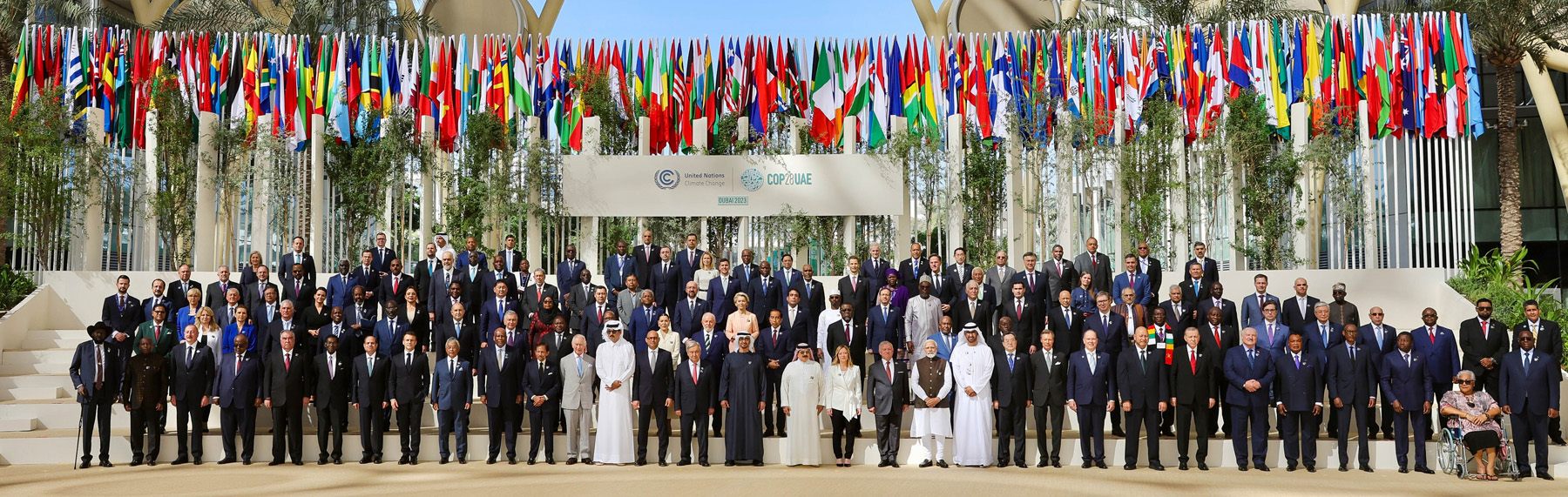
Politicians, business leaders, climate scientists, interest groups and journalists from across the world have been meeting in Dubai at the COP28 climate summit (the 28th annual meeting of the Conference of the Parties (COP) to the United Nations Framework Convention on Climate Change (UNFCCC)). The meeting comes at a time when various climate tipping points are being reached or approached – some bad, but some good. Understanding these tipping points and their implications for society and policy requires understanding not only the science, but also the various economic incentives affecting individuals, businesses, politicians and societies.
Tipping points
A recent report (see first reference in articles section below) identified various climate tipping points. These are when global temperatures rise to a point where various domino effects occur. These are adverse changes to the environment that gather pace and have major effects on ecosystems and the ability to grow food and support populations. These, in turn, will have large effects on economies, migration and political stability.
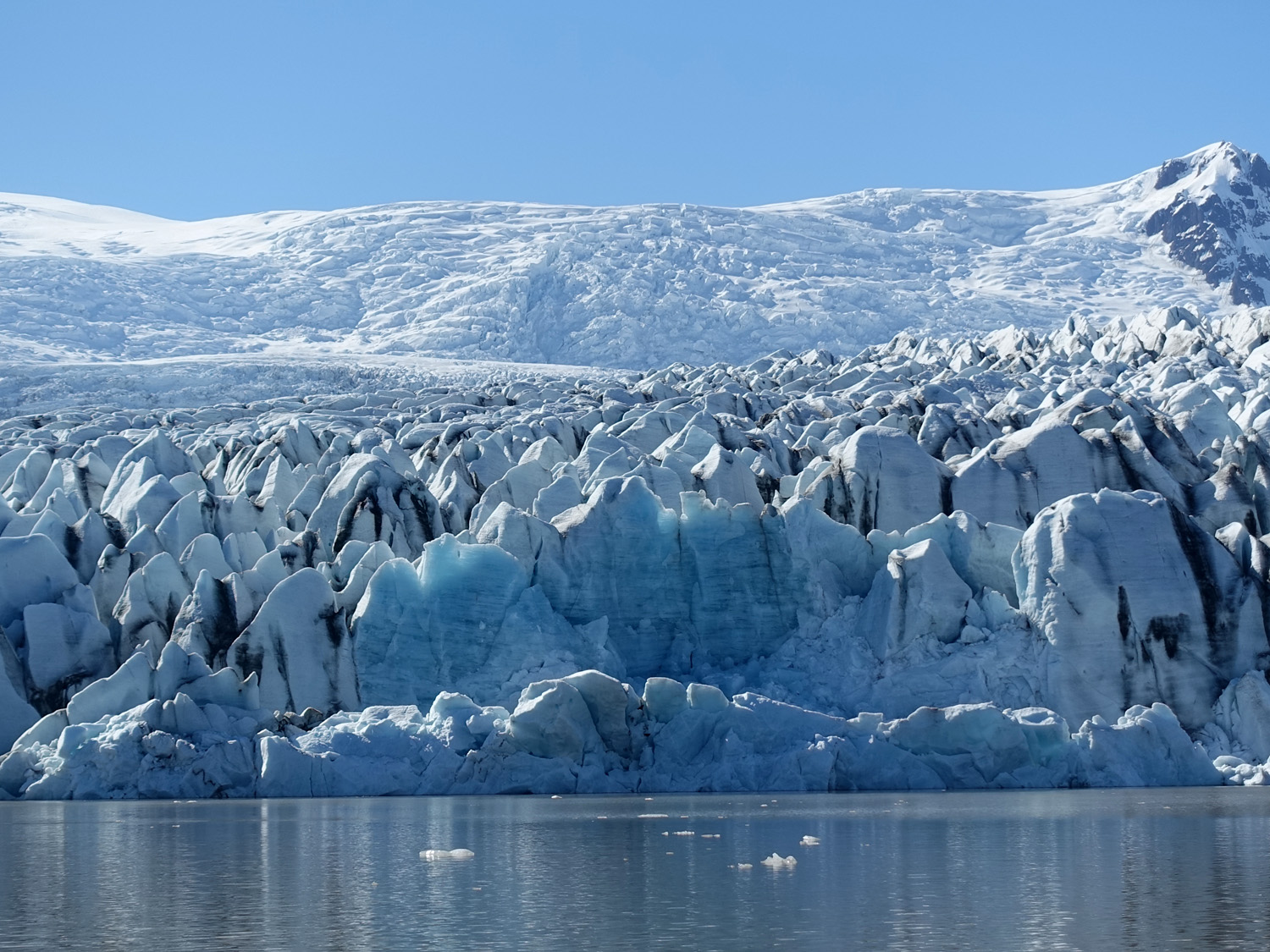 According to the report, five tipping points are imminent with the current degree of global warming (1.2oC). These are:
- Melting of the Greenland ice sheet;
- Melting of the West Antarctic ice sheet;
- Death of warm-water coral reefs;
- Collapse of the North Atlantic Subpolar Gyre circulation, which helps to drive the warm current that benefits Western Europe;
- Widespread rapid thawing of permafrost, where tundra without snow cover rapidly absorbs heat and releases methane (a much more powerful source of global warming than CO2).
With global warming of 1.5oC, three more tipping points are likely: the destruction of seagrass meadows, mangrove swamps and the southern part of the boreal forests that cover much of northern Eurasia. As the temperature warms further, other tipping points can interact in ways that drive one another, resulting in tipping ‘cascades’.
But the report also strikes an optimistic note, arguing that positive tipping points are also possible, which will help to slow global warming in the near future and possibly reverse it further in the future.
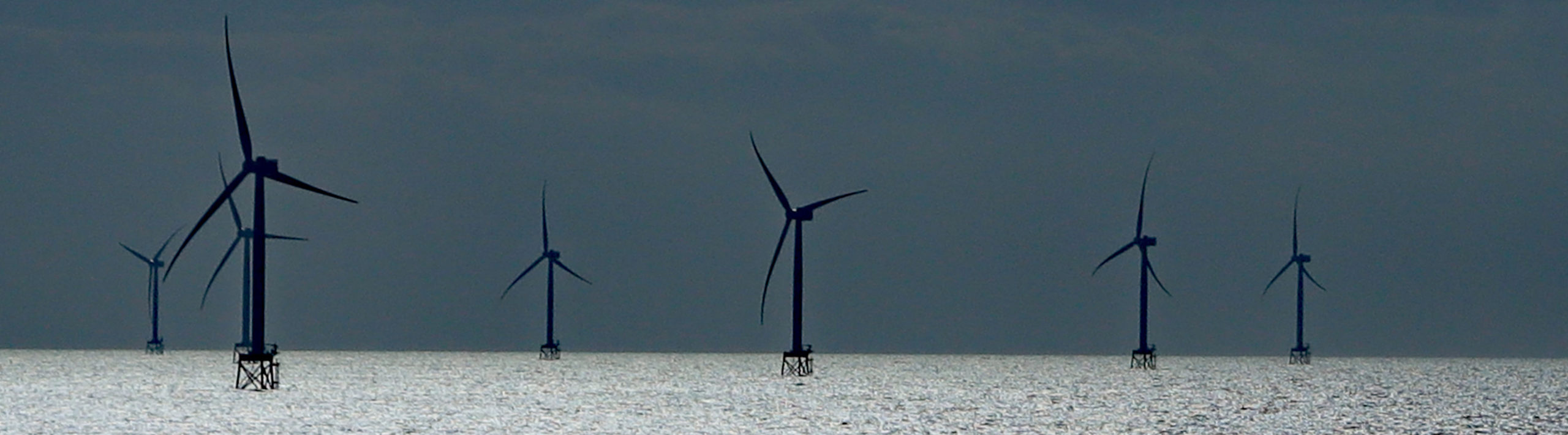
The most obvious one is in renewable energy. Renewable power generation in many countries is now cheaper than generation from fossil fuels. Indeed, in 2022, over 80% of new electricity generation was from solar and wind. And as it becomes cheaper, so this will drive investment in new renewable plants, including in small-scale production suitable for use in developing countries in parts not connected to a grid. In the vehicle sector, improved battery technology, the growth in charging infrastructure and cheaper renewable sources of electricity are creating a tipping point in EV take-up.
Positive tipping points can take place as a result of changing attitudes, such as moving away from a meat-intensive diet, avoiding food waste, greater use of recycling and a growth in second-hand markets.
But these positive tipping points are so far not strong enough or quick enough. Part of the problem is with economic incentives in market systems and part is with political systems.
Market failures
Economic decisions around the world of both individuals and firms are made largely within a market environment. But the market fails to take into account the full climate costs and benefits of such decisions. There are various reasons why.
Externalities. Both the production and consumption of many goods, especially energy and transport, but also much of agriculture and manufacturing, involve the production of CO2. But the costs of the resulting global warming are not born directly by the producer or consumer. Instead they are external costs born by society worldwide – with some countries and individuals bearing a higher cost than others. The result is an overproduction or consumption of such goods from the point of view of the world.
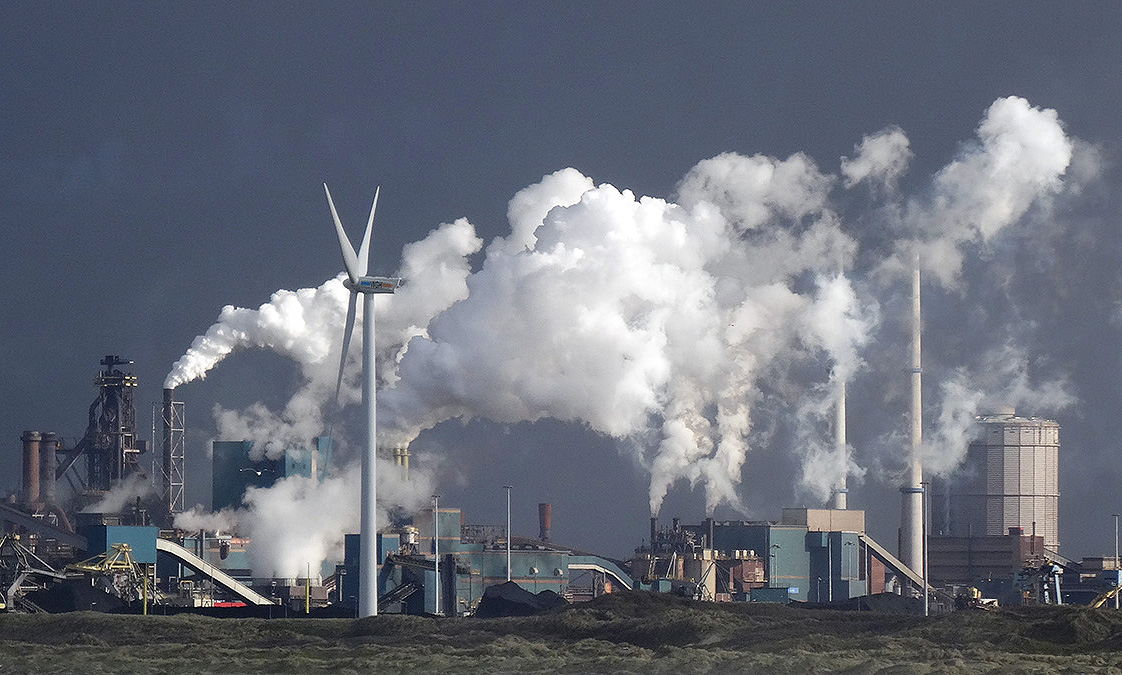 The environment as a common resource. The air, the seas and many other parts of the environment are not privately owned. They are a global ‘commons’. As such, it is extremely difficult to exclude non-payers from consuming the benefits they provide. Because of this property of ‘non-excludability’, it is often possible to consume the benefits of the environment at a zero price. If the price of any good or service to the user is zero, there is no incentive to economise on its use. In the case of the atmosphere as a ‘dump’ for greenhouse gases, this results in its overuse. Many parts of the environment, however, including the atmosphere, are scarce: there is rivalry in their use. As people increase their use of the atmosphere as a dump for carbon, so the resulting global warming adversely affects the lives of others. This is an example of the tragedy of the commons – where a free resource (such as common land) is overused.
Inter-generational problems. The effect of the growth in carbon emissions is long term, whereas the benefits are immediate. Thus consumers and firms are frequently prepared to continue with various practices, such as driving, flying and using fossil fuels for production, and leave future generations to worry about their environmental consequences. The problem, then, is a reflection of the importance that people attach to the present relative to the future.
Ignorance. People may be contributing to global warming without realising it. They may be unaware of which of the goods they buy involve the release of carbon in their production or how much carbon they release when consumed.
Political failures
Governments, whether democratic or dictatorships, face incentives not to reduce carbon emissions – or to minimise their reduction, especially if they are oil producing countries. Reducing carbon involves short-term costs to consumers and this can make them unpopular. It could cost them the next election or, in the case of dictatorships, make them vulnerable to overthrow. What is more, the oil, coal and gas industries have a vested interest in continuing the use of fossil fuels. Such industries wield considerable political power.
 Even if governments want the world to reduce carbon emissions, they would rather that the cost of doing so is born less by their own country and more by other countries. This creates a prisoner’s dilemma, where the optimum may be for a large global reduction in carbon emissions, but the optimum is not achieved because countries individually are only prepared to reduce a little, expecting other countries to reduce more. Getting a deal that is deemed ‘fair’ by all countries is very difficult. An example is where developing countries, may feel that it is fair that the bulk of any cuts, if not all of them, should be made by developed countries, while developed countries feel that fixed percentage cuts should be made by all countries.
Policy options
If the goal is to tackle climate change, then the means is to reduce the amount of carbon in the atmosphere (or at the least to stop its increase – the net zero target). There are two possibilities here. The first is to reduce the amount of carbon emissions. The second is to use carbon capture and storage or carbon sequestration (e.g. through increased forestation).
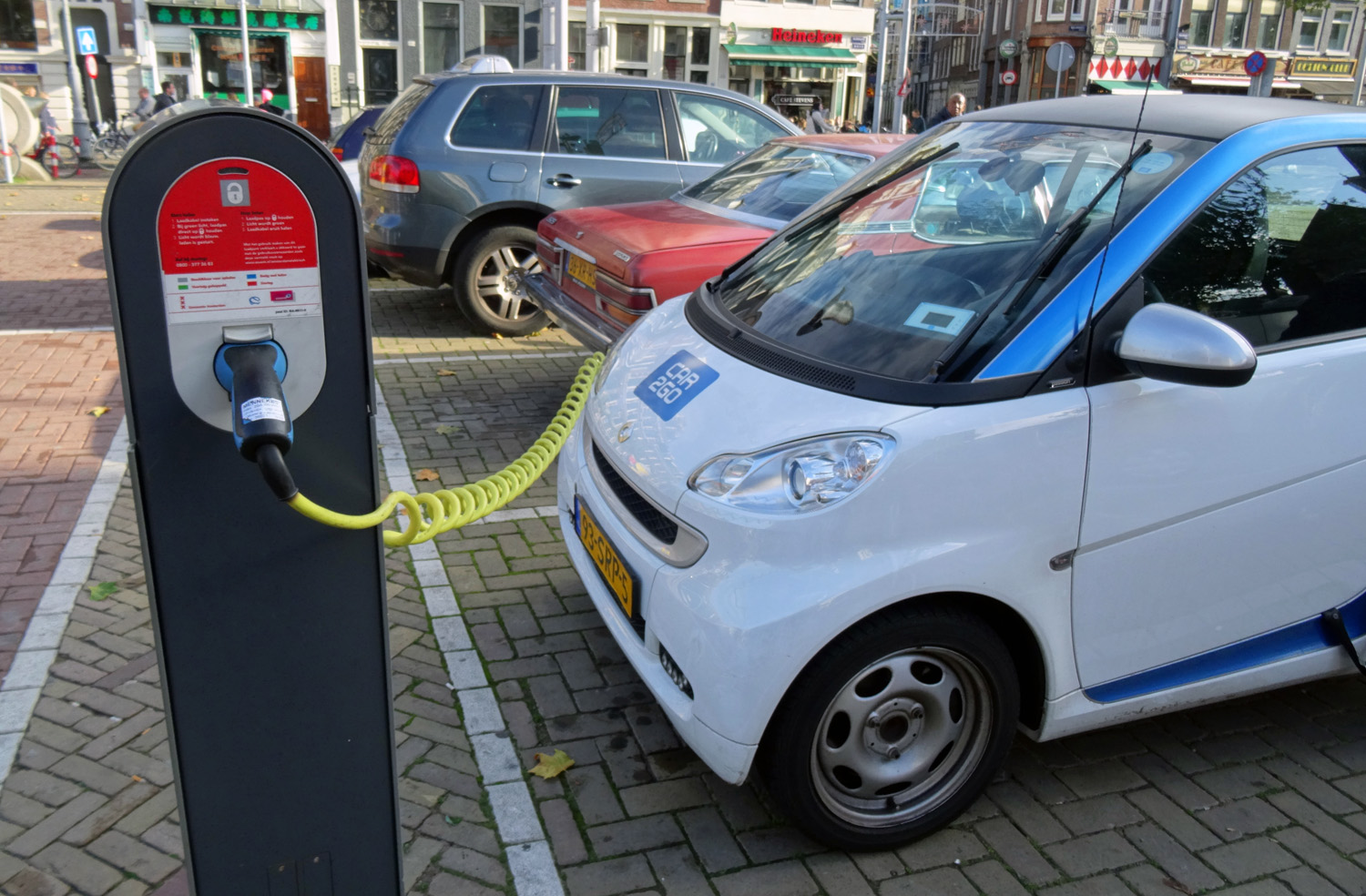 In terms of reducing carbon emissions, the key is reducing the consumption of carbon-producing activities and products that involve emissions in their production. This can be achieved through taxes on such products and/or subsidies on green alternatives (see the blog ‘Are carbon taxes a solution to the climate emergency?‘). Alternatively carbon-intensive consumption can be banned or phased out by law. For example, the purchase of new petrol or diesel cars cold be banned beyond a certain date. Or some combination of taxation and regulation can be used, such as in a cap-and-trade system – for example, the EU Emissions Trading System (EU ETS) (see the blog ‘Carbon pricing in the UK‘). Then there is government investment in zero carbon technologies and infrastructure (e.g. electrifying railways). In practice, a range of policy instruments are needed (see the blog ‘Tackling climate change: “Everything, everywhere, all at once”‘).
With carbon capture, again, solutions can involve a mixture of market mechanisms and regulation. Market mechanisms include subsidies for using carbon capture systems or for afforestation. Regulation includes policies such as requiring filters to be installed on chimneys or banning the felling of forests for grazing land.
The main issue with such policies is persuading governments to adopt them. As we saw above, governments may be unwilling to bear the short-term costs to consumers and the resulting loss in popularity. Winning the next election or simple political survival may be their number-one priority.
COP28
The COP28 summit concluded with a draft agreement which called for the:
transitioning away from fossil fuels in energy systems, in a just, orderly and equitable manner, accelerating action in this critical decade, so as to achieve net zero by 2050 in keeping with the science.
This was the first COP summit that called on all nations to transition away from fossil fuels for energy generation. It was thus hailed as the biggest step forward on tackling climate change since the 2015 Paris agreement. However, there was no explicit commitment to phase out or even ‘phase down’ fossil fuels. Many scientists, climate interest groups and even governments had called for such a commitment. What is more, there was no agreement to transition away from fossil fuels for transport, agriculture or the production of plastics.
If the agreement is to be anything more than words, the commitment must now be translated into specific policy actions by governments. This is where the real test will come. It’s easy to make commitments; it’s much harder to put them into practice with policy measures that are bound to impose costs on various groups of people. What is more, there are powerful lobbies, such as the oil, coal and steel industries, which want to slow any transition away from fossil fuels – and many governments of oil producing countries which gain substantial revenues from oil production.
One test will come in two years’ time at the COP30 summit in the Amazonian city of Belém, Brazil. At that summit, countries must present new nationally determined commitments that are economy-wide, cover all greenhouse gases and are fully aligned with the 1.5°C temperature limit. This will require specific targets to be announced and the measures required to achieve them. Also, it is hoped that by then there will be an agreement to phase out fossil fuels and not just to ‘transition away’ from them.
Reasons for hope
 Despite the unwillingness of many countries, especially the oil and coal producing countries, to phase out fossil fuels, there are reasons for hope that global warming may be halted and eventually even reversed. Damage will have been done and some tipping points may have been reached, but further tipping points may be averted.
The first reason is technological advance. Research, development and investment in zero carbon technologies is advancing rapidly. As we have seen, power generation from wind and solar is now cheaper than from fossil fuels. And this cost difference is likely to grow as technology advances further. This positive tipping point is becoming more rapid. Other technological advances in transport and industry will further the shift towards renewables and other advances will economise on the use of power.
The second is changing attitudes. With the environment being increasingly included in educational syllabuses around the world and with greater stress on the problems of climate change in the media, with frequent items in the news and with programmes such as the three series of Planet Earth, people are becoming more aware of the implications of climate change and how their actions contribute towards the problem. People are likely to put increasing pressure on businesses and governments to take action. Growing awareness of the environmental impact of their actions is also affecting people’s choices. The negative externalities are thus being reduced and may even become positive ones.
Articles
- Global Tipping Points
University of Exeter, Global Systems Institute, Timothy M. Lenton et al. (6/12/23)
- Report: Pivotal moment for humanity as tipping point threats and opportunities accelerate
Phys.org (6/12/23)
- Earth is closing in on catastrophic climate ‘tipping points’, over 200 scientists warn
Independent, Vishwam Sankaran (6/12/23)
- Earth on verge of five catastrophic climate tipping points, scientists warn
The Guardian, Ajit Niranjan (6/12/23)
- Cop28: King Charles warns of ‘vast, frightening experiment’ on natural world
The Guardian, Fiona Harvey, Nina Lakhani, Aletha Adu, Damian Carrington, Patrick Greenfield and Oliver Milman (1/12/23)
- UK likely to miss Paris climate targets by wide margin, analysis shows
The Guardian, Fiona Harvey (5/12/23)
- Water and the High Price of Bad Economics
Project Syndicate, Mariana Mazzucato , Partha Dasgupta, Nicholas Stern, and Johan Rockström (1/12/23)
- Fossil fuels: Can humanity really kick its addiction?
BBC News, Justin Rowlatt (10/12/23)
- Five climate change solutions under the spotlight at COP28
BBC News, Mark Poynting (6/12/23)
- COP28: Five reasons for optimism on climate
BBC News, Matt McGrath (8/12/23)
- COP28 Agreement Signals “Beginning of the End” of the Fossil Fuel Era
UN Climate Press Release (13/12/23)
- COP28 climate summit ends with deal to transition away from fossil fuels
CNBC, Ruxandra Iordache and Sam Meredith (13/12/23)
- Cop28 landmark deal agreed to ‘transition away’ from fossil fuels
The Guardian, Adam Morton, Fiona Harvey and Patrick Greenfield (13/12/23)
- COP28 draft agreement drops phaseout of fossil fuels
Financial Times, Attracta Mooney, Aime Williams and Alice Hancock (13/12/23)
- Examining COP28’s potential impact on climate change
BBC News, Matt McGrath (13/12/23)
- Cop28 failed to halt fossil fuels’ deadly expansion plans – so what now?
The Guardian, Damian Carrington (14/12/23)
- The momentum of the solar energy transition
Nature Communications, Femke Nijsse, Jean-Francois Mercure, Nadia Ameli, Francesca Larosa, Sumit Kothari, Jamie Rickman, Pim Vercoulen and Hector Pollitt (17/10/23)
- COP28: Bill Gates on climate optimism, wealth and the human condition
BBC News on YouTube, Bill Gates (2/12/23)
- From the Paris agreement to COP28, how oil and gas giants try to influence the global climate agenda
The Conversation, Alain Naef (8/12/23)
- COP28: Phasedown or Phaseout, Fossil Fuels Must be Addressed to Meet 1.5C Goal
Forbes, Felicia Jackson (5/12/23)
Questions
- Use a diagram to demonstrate the effects of negative externalities in production on the level of output and how this differs from the optimum level.
- Use another diagram to demonstrate the effects of negative externalities in consumption on the level of consumption and how this differs from the optimum level.
- What was agreed at COP28?
- What incentives were included in the agreement to ensure countries stick to the agreement? Were they likely to be sufficient?
- What can governments do to encourage positive environmental tipping points?
- How may carbon taxes be used to tackle global warming? Are they an efficient policy instrument?
- What can be done to change people’s attitudes towards their own carbon emissions?